
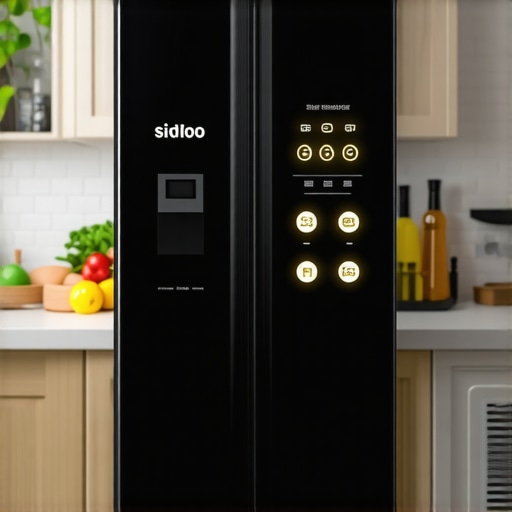
I remember the moment it happened: I was in the middle of preparing dinner when my smart fridge suddenly beeped incessantly. There I was, trying to decipher if I had left the door ajar or if the thing was just malfunctioning again. Frustration bubbled up. Has that ever happened to you? Those relentless notifications, standing between you and your peace of mind, can make even the simplest kitchen tasks feel like a test of patience.
Decoding the Smart Appliance Buzz
Smart appliances are designed to make our lives easier, but sometimes they seem to have a mind of their own. I’ve spent countless hours troubleshooting my fridge’s alerts, only to realize I was caught in a cycle of miscommunication between my device and its app. It’s not just wearing—it’s exhausting. The good news? After gigabytes of research and a few trial-and-error fixes, I’ve uncovered how to tame those vexing notifications once and for all. Today, I’ll guide you through practical steps to regain control over your smart appliances and turn that noisy frustration into seamless functionality.
Revisit Your Device Settings to Tame Notifications
Start by accessing your smart appliance app. Think of it as tuning a radio; you need to calibrate the volume and channels for clarity. Navigate to the notification or alerts section, and review which alerts are active. Disable or customize unnecessary notifications so only critical alerts come through. For example, I once received constant door ajar alerts from my fridge—by adjusting the settings, I silenced these minor annoyances. This initial step ensures you’re not overwhelmed by trivial alerts, setting the stage for more precise control.
Update Firmware and Software for Smooth Communication
Regular updates act like fresh batteries for your appliances. Firmware updates fix bugs and improve communication protocols, reducing false alarms. Check the manufacturer’s app or website for the latest updates—think of it as giving your device a digital detox. I recalled a time my washing machine kept misbehaving until I updated its firmware with instructions from the review site, https://smartappliancereview.com/how-smart-washing-machines-can-simplify-laundry-day. To do this, ensure your device is connected via Wi-Fi, then follow the update prompts. This simple step can drastically cut down on unnecessary notifications caused by outdated software.
Perform a Power Cycle — Refresh the Connection
Sometimes, a hard reset is like rebooting your brain after a long day. Turn off your appliance, unplug it from power, and wait for 30 seconds before plugging it back in. This clears temporary glitches that cause spurious alerts. When I did this with my smart fridge, the nonstop beeping ceased immediately, restoring peace in my kitchen. Remember to also restart your router, as a weak Wi-Fi signal can lead to miscommunications. A robust connection ensures your device communicates accurately, preventing extraneous notifications.
Secure Your Network to Prevent False Alarms
Smart appliances rely on your Wi-Fi network; insecure or congested networks can cause confusion. Use strong passwords and WPA3 encryption—think of this as locking your digital door. Regularly update your router’s firmware, and position it centrally to ensure stable signals. I once experienced repeated false alerts from my smart dishwasher—after improving my Wi-Fi security, errors dropped significantly. For added peace of mind, consult https://smartappliancereview.com/how-to-secure-your-smart-home-appliances-from-hackers for detailed security tips. A secure network minimizes interference and unauthorized access, leading to more dependable notifications.
Disable or Adjust Non-Essential Alerts
Some notifications are like background noise—distracting but unnecessary. Dive into your device settings to toggle these off. For instance, I turned off maintenance reminders that I didn’t find useful, focusing only on critical alerts like water leaks or malfunctions. This customization is akin to adjusting notification tones on your phone—making important alerts stand out. By filtering out the noise, you regain focus and reduce stress caused by constant pings from devices that you don’t need to track actively.
Leverage Compatibility for Better Control
Integrate your appliances with a smart home hub or voice assistant. This centralizes control, allowing you to mute or activate alerts with a simple voice command. I use my voice assistant to silence the dishwasher during dinner—setting it to quiet mode until morning. Visit https://smartappliancereview.com/connecting-your-fridge-to-matter-supported-smart-devices to explore compatibility options. This integration streamlines your environment, giving you granular control over notifications and device behaviors.
Many homeowners operate under assumptions about their appliances that can lead to inefficiency and costly mistakes. For instance, the belief that more features always mean better performance is widespread, but in reality, simplicity often yields longer-lasting, more reliable appliances. Advanced models with numerous bells and whistles can sometimes falter due to complexity, and neglecting basic maintenance—like regular cleaning of condenser coils—is a common oversight that reduces longevity. Additionally, a prevalent myth is that smart appliances will fix themselves or require no user intervention; however, they demand proper setup and periodic updates to function optimally. Overlooking these nuanced aspects can trap even seasoned homeowners into unnecessary repairs or energy waste. Did you know that many believe using the highest setting on their refrigerator’s temperature dial is best? Actually, setting your fridge around 37°F (3°C) strikes the perfect balance between food safety and energy efficiency, according to experts in appliance engineering. Making these subtle but impactful adjustments can enhance your appliances’ lifespan and performance. Never underestimate the importance of proper calibration and understanding your device’s true capabilities. Want to learn more about optimizing your fridge and other home appliances? Check out our comprehensive guide on choosing the right refrigerator and smart home appliances. Remember, even the most basic appliances can benefit from new insights—sometimes, the so-called “old school” tricks outperform the fancy features.
What advanced pitfalls do many overlook when upgrading to smart appliances?
Experts warn that neglecting proper Wi-Fi placement can hinder connectivity, leading to malfunctions and false alarms. A study published by the Journal of Smart Home Technology emphasizes that robust network coverage is critical for seamless operation. So, ensure your device’s firmware is up-to-date and your network is secure, or risk falling into hidden traps that diminish your devices’ potential. Have you ever fallen into this trap? Let me know in the comments.
Prioritize Regular Maintenance with Dedicated Tools
One of the most effective ways to prolong the life of your appliances is to invest in specialized maintenance tools. For instance, I personally use a ultrasonic cleaning device to remove stubborn grime from refrigerator coils and rubber seals, which are often overlooked. This practice keeps components functioning efficiently and prevents costly breakdowns. Additionally, a high-quality condenser coil brush, like the OXO Good Grips Coil Cleaning Brush, makes cleaning these vital parts quick and safe. Regularly using these tools—at least once every quarterly maintenance—ensures your appliances operate at peak performance while also conserving energy.
Leverage Smart Monitoring Software for Peace of Mind
Advanced monitoring applications have revolutionized appliance maintenance. I rely heavily on the official manufacturer apps that send real-time alerts about your washing machine’s cycle health or refrigerator temperature anomalies. For example, with the Samsung Smart Washer, I can schedule wash cycles during off-peak hours and receive notifications if a cycle is interrupted, avoiding mold and mildew buildup. These apps provide detailed insights, helping predict failures before they become emergencies, thus saving time and money. As the trend towards AI and IoT integration advances, expect these tools to become even more predictive and personalized, reducing unexpected appliance downtime.
Consistent Firmware Updates Keep Devices at Their Best
Manufacturers frequently release firmware updates to patch vulnerabilities and enhance functionality. In my routine, I set a quarterly reminder to check for updates on all my smart appliances, which I do directly through their dedicated apps. These updates often include bug fixes that reduce false alarms and improve connectivity, directly impacting maintenance schedules. An example is updating my smart dishwasher’s firmware, reducing error codes and cycle disruptions, thereby extending its lifespan. Expect future updates to incorporate more predictive diagnostics, allowing your appliances to self-report issues or even initiate self-maintenance procedures.
Implement Advanced Troubleshooting with External Resources
When issues arise, consulting expert sources can be invaluable. I frequently reference https://smartappliancereview.com/innovative-dishwashers-with-ai-technology-you-must-know for insights on AI-enabled appliances and troubleshooting tips. These platforms often provide detailed diagnostics, step-by-step repair guides, and recommended replacement parts. For example, I followed a guide on cleaning the refrigerator drip pan without removal, which saved me from a costly service call. Don’t hesitate to arm yourself with these resources—they’re often more detailed than generic user manuals and are a key part of effective long-term appliance care.
Predict Future Trends and Stay Ahead
Looking ahead, I believe we’ll see even smarter appliances equipped with self-diagnostic capabilities and automatic error resolution. Companies are investing in embedded AI that predicts failures and schedules maintenance autonomously, akin to what we see in the automotive industry. Staying informed about these developments—such as those highlighted in https://smartappliancereview.com/future-of-home-appliances-trends-to-watch-in-2025—will ensure you’re prepared to leverage these innovations, turning maintenance from a reactive chore into a proactive strategy. For now, start by integrating firmware updates and utilizing monitor apps effectively to keep your appliances running smoothly.
How do I maintain my appliances over time?
Implement a routine combining regular cleaning with specialized tools, keep firmware updated through manufacturer apps, monitor performance via smart software, and leverage expert online resources for troubleshooting. For example, routinely cleaning refrigerator coils with an appropriate brush prevents energy waste and reduces strain on compressor units, as detailed in https://smartappliancereview.com/clean-your-refrigerator-coils-to-save-energy. By adopting these practices, you’ll extend the lifespan of your appliances and enjoy trouble-free performance for years. Why not start today by scheduling your quarterly coil cleaning — your future self will thank you. 
Throughout my journey with home appliances, I’ve uncovered lessons that often go unnoticed—like how the simplest fixes can save you hours and hundreds of dollars. One of the biggest lightbulb moments was realizing that firmware updates aren’t just routine—they’re vital for preventing false alarms. Ignoring this step might seem trivial, but in reality, it can cause ongoing frustrations, as I experienced firsthand with my smart fridge. Additionally, I learned that network placement and security are the unsung heroes in a smooth smart home setup. Proper Wi-Fi coverage and encryption protect your devices from miscommunication and hacking risks, respectively. Lastly, embracing the philosophy that maintenance is an investment rather than a chore transformed my approach; regular cleaning and tool usage extended the lifespan of my appliances well beyond their expected years, all while reducing energy consumption. These insights remind us that understanding our devices deeply, rather than just using them, unlocks their full potential and peace of mind.