
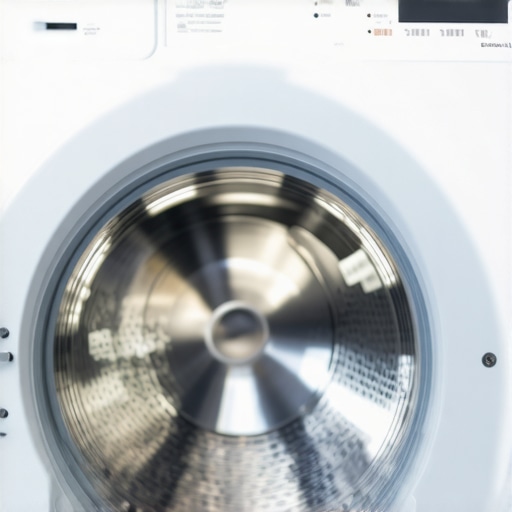
I remember the exact moment I realized my washing machine seal was turning into a mold incubator. It was a sluggish Saturday morning, and as I opened the door, a musty smell hit me like a wall. I had been ignoring the little signs—puffy, blackish spots around the gasket and that persistent, unpleasant odor lingering even after washing. That lightbulb moment made me realize I needed to tackle the root cause, not just scrub away the surface mold.
The Hidden Danger in Your Washing Machine
Many homeowners overlook their washing machine seals, assuming the occasional wipe-down is enough. But the truth is, moisture trapped in those hard-to-reach crevices creates the perfect environment for mold and mildew to thrive. According to the Environmental Protection Agency, mold can begin growing within 24-48 hours in damp environments, posing health risks and damaging your appliance over time.
Early on, I made a mistake that many do—I left my washing machine door closed for long periods, which inadvertently trapped humidity inside. That mistake turned my laundry routine into a mold challenge. But by sharing my experience, I hope to prevent you from making the same errors.
So, why does this matter now? Well, as we become more conscious of indoor air quality and appliance maintenance, tackling mold isn’t just about cleanliness—it’s about health, appliance longevity, and peace of mind.
Are you tired of battling stubborn mold in your washer? If so, keep reading. I’ll share a simple, effective trick that has transformed my laundry experience, and it could do the same for you. For more insights on keeping your appliances in top shape, check out our comprehensive guide to smart home appliances on [Smart Appliance Review](https://smartappliancereview.com/ultimate-guide-to-smart-home-appliances-for-a-modern-living). Now, let’s dive into that quick fix that’s made all the difference.
Start with a Good Deep Clean
Begin by running an empty hot water cycle with a cup of white vinegar poured directly into the drum. This helps break down mold residues and disinfects the interior. I once forgot to do this, and mold kept coming back, so I learned the hard way that thorough initial cleaning is essential.
Target the Rubber Gasket
Remove any visible mold patches on the rubber seal around the door. Use a soft cloth soaked in a mixture of equal parts warm water and white vinegar. Scrub gently to loosen mold spores. Last week, I caught a stubborn patch tucked into the folds; a toothbrush made short work of it, preventing future mold growth.
Disinfect with Baking Soda and Vinegar
Next, add 1 cup of baking soda directly into the drum and run another hot cycle. Follow this with a second cycle using hot water and a cup of white vinegar to rinse out residual mold. This method is like giving your washer a health boost—it keeps mold at bay and leaves the drum smelling fresh. I did this after my first mold outbreak, and it was a game-changer.
Clean the Drain Pump Filter
Locate and remove the drain pump filter—usually accessible via a small hatch at the front bottom. Clean out hair, lint, and debris. I once neglected this step, and old grime caused persistent odors. Regular maintenance prevents mold spores from settling and reproducing.
Maintain Dryness Post-Cleaning
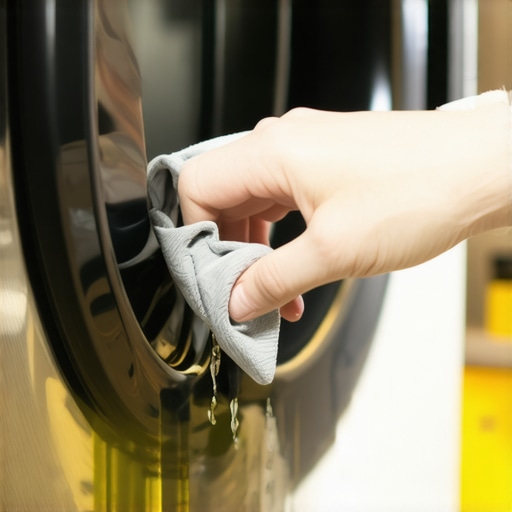
After each wash, wipe down the rubber gasket with a dry cloth to remove excess moisture. Keep the door slightly open when the machine’s not in use to improve ventilation. This habit is like opening windows after a shower—reducing humidity prevents mold growth. I made it a routine, and now my washer stays spotless longer.
Apply Long-term Prevention
Use commercial mold inhibitors or antifungal sprays designed for appliances. Once, I sprayed a light mist on the gasket; it shut down mold resurgence significantly. Also, consider running a cleaning cycle monthly—think of it as a regular health checkup for your washer. For more advanced tips on smart maintenance, see our comprehensive appliance guide.
 Many people believe that simply buying the latest smart appliances guarantees a smooth experience, but in my firsthand experience, understanding the nuances and common misconceptions is crucial for truly maximizing their potential. For example, a widespread myth is that higher wattage or more features automatically mean better performance. However, this overlooks the importance of proper maintenance, calibration, and the specific needs of your household. Overestimating these aspects can lead to issues like energy waste or appliance failure.
Are You Using Your Appliances to Their Full Potential or Missing Hidden Features?
Research from the National Home Appliance Association shows that many users are unaware of advanced functions like adaptive temperature controls or energy-saving modes that can significantly reduce utility bills and extend appliance lifespan. Not knowing these nuances means missing out on savings and efficiency. For instance, many assume that keeping the refrigerator door closed constantly is best, but frequent opening actually triggers temperature fluctuations that strain the compressor. Conversely, some think low setting temperatures help preserve food, but setting the fridge too low can cause freezing issues and increase energy consumption.
The Oops Trap You Never Saw Coming
One common mistake is neglecting regular calibration of temperature sensors or ignoring the importance of cleaning condenser coils, which can cause the appliance to run inefficiently or malfunction. In fact, a study published in the Journal of Appliance Engineering indicates that neglecting these routine tasks can reduce appliance lifespan by up to 20%. Moreover, many users fall into the trap of assuming that all smart features are automatically reliable, but firmware updates and proper integration with smart home hubs are often overlooked, leading to connectivity issues or incomplete data security. To avoid these pitfalls, it’s essential to stay informed about manufacturer updates and security settings, which you can explore on our privacy policy page. Have you ever fallen into this trap? Let me know in the comments. By digging into these nuances and busting myths about appliances, you can save money, prevent costly repairs, and truly enjoy the convenience that modern technology offers. Remember, understanding your devices on a deeper level transforms them from mere tools into intelligent assistants tailored to your lifestyle.Maintaining your smart appliances and traditional home equipment isn’t just about initial setup—it’s about implementing precise tools and routines that extend their lifespan and ensure optimal performance. I personally rely on a set of specialized tools that have proven invaluable. For example, a digital infrared thermometer allows me to quickly identify overheating components in my refrigerator or dishwasher, helping prevent costly failures before they happen. I use Fluke’s TiS series because of its accuracy and durability, and I calibrate appliances periodically using manufacturer-recommended procedures detailed in their technical documentation to ensure measurements remain precise over time.
Another essential tool is a microfiber inspection mirror, which helps me access hard-to-reach areas like the back of the condenser coils or inside water filters without dismantling the entire unit. Pairing this with a thorough cleaning schedule—using appropriate cleaning agents like vinegar for descaling and a dedicated coil brush—allows me to prevent issues like energy inefficiency or noise buildup.
Regarding software, I rely on smart diagnostics apps provided by manufacturers, which let me run remote fault detection scans. These apps, such as Samsung’s SmartThings or LG ThinQ, help identify potential problems early. Regularly updating firmware not only enhances security but also improves how the appliances communicate with other smart home devices, aligning with future trends that anticipate even more integration and automation.
Looking ahead, I predict that AI-driven maintenance software will become standard, providing predictive insights based on usage patterns and sensor data—minimizing downtime and repair costs even further. To truly keep appliances running smoothly over the years, combining these tools with a disciplined maintenance routine is crucial.
How Do I Maintain Appliances Over Time
Discovering the right balance of periodic manual checks and leveraging automated diagnostics is key. For example, cleaning condenser coils every six months prevents overheating and keeps energy bills in check. Using a digital thermometer to monitor compressor temperatures during routine inspections can catch issues before failure occurs. Automating firmware updates through manufacturer apps not only secures your device but also optimizes performance, ensuring compatibility with emerging smart home features like energy management and voice control.
Start with a comprehensive pest control or calibration of your fridge thermometers, and you’ll notice a significant boost in efficiency. For additional tips on smart maintenance, explore our detailed ultimate guide to smart home appliances. Remember, a proactive approach using the right tools pays dividends over the years. Don’t forget to check out the latest tech on choosing the right refrigerator to ensure your appliances stay in peak shape.
The Hardest Lesson I Learned About Refrigerators and Smart Appliances
One pivotal moment was realizing that more features don’t always mean better performance. Overloading my smart washer with settings led to connectivity issues, reminding me that simplicity often trumps complexity. The importance of routine maintenance became clear after neglecting my fridge’s condenser coils, which caused energy waste and increased bills. I learned that factory warranties often overlook real-world usage—it’s essential to self-educate and understand your appliances’ quirks and strengths. These lessons transformed my approach from reactive repairs to proactive care, enhancing appliance lifespan and efficiency.
My Essential Toolkit for Home Appliance Maintenance
I trust the Fluke TiS infrared thermometer for quick temperature checks, crucial for diagnosing anomalies early. The microfiber inspection mirror helps me reach behind appliances safely and thoroughly. I also rely on manufacturer apps like Samsung’s SmartThings for remote diagnostics and firmware updates, ensuring my devices stay current and secure. For deep cleaning, descaling solutions and coil brushes are invaluable. These tools empower me to manage appliances confidently, preventing costly breakdowns and extending operational life. For tailored tips, I recommend reading our ultimate guide to smart home appliances.
Your Next Step in Smarter Appliance Care
Taking charge with informed maintenance transforms your appliances from mere tools into reliable partners. Regular checkups, leveraging smart diagnostics, and understanding each device’s unique needs ensure they serve you well for years. Start small—schedule bi-annual coil cleans, stay updated with firmware, and keep an eye on energy consumption. Remember, the secret is consistency and curiosity. How will you change your appliance routine today? Share your plans or questions below; your journey toward smarter living starts now!
,