
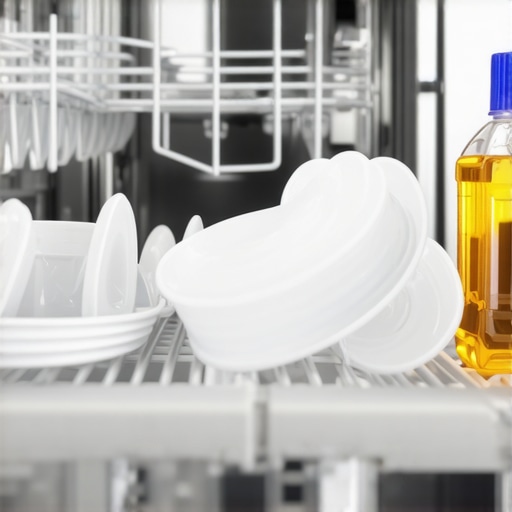
Ever opened your dishwasher after a cycle, only to find water spots or a weird film lingering on your shiny plastic containers? I used to think my fancy, new dishwasher would handle everything effortlessly. But time and again, especially with plastics, I was left with stubborn residue and damp spots that just wouldn’t go away. That lightbulb moment hit me hard—no matter how smart the appliance, some traditional tricks still matter. Turns out, the reason behind this common frustration is surprisingly simple, yet often overlooked: rinse aid.
Why I Finally Gave Rinse Aid Another Chance
My journey to understanding the importance of rinse aid started with a frustrating discovery. After a pricey upgrade to a modern, supposedly “smart” dishwasher, I expected perfection. Instead, I was met with streaks on my Tupperware and damp, cloudy plastics that refused to dry. It dawned on me that my machine, despite all its bells and whistles, still relied on a little extra help to achieve that spotless, dry finish I craved. I realized I was making a rookie mistake early on—completely ignoring the role of rinse aid because I thought high-tech was enough. The truth is, rinse aid acts as a surfactant, breaking down water tension and aiding in superior drying, especially on plastics that tend to hold onto water more stubbornly. Without it, your dishwasher’s normal cycle might leave you disappointed over and over again.
Is Rinse Aid Actually Worth the Hype?
I used to dismiss rinse aid as an outdated accessory, believing that modern dishwashers could manage on their own. But after a few failed experiments with eco-friendly, chemical-free solutions, I learned the hard way—skipping rinse aid can lead to spots, streaks, and water droplets that never really dry. This isn’t just my opinion; industry experts confirm that rinse aids significantly improve drying quality and prevent water spots—especially on plastics prone to look cloudy or foggy if not properly treated. So if you’re tired of dealing with damp or spotty plastics, it’s high time to reconsider your dishwasher routine and give rinse aid a real shot. Want to make your plastic containers come out perfectly dry every time? Stick around; I’ll show you exactly how to master this simple, yet effective, step.
Prepare Your Dishwasher Correctly
Start by emptying your dishwasher and removing any leftover debris from the filter or spray arms, similar to cleaning out a clogged drain to ensure water flows freely. Check that the rinse aid compartment is clean and free of residue, which could block the dispensing mechanism. Fill the rinse aid reservoir with a high-quality rinse aid product; don’t skimp, as cheaper options often lead to subpar results.
Adjust Rinse Aid Dispenser Settings
Many dishwashers have adjustable settings for rinse aid dosage. If your plastics still come out damp or spotty, increase the amount slightly—think of it as turning up the volume on a speaker when the sound isn’t loud enough. For newer models linked with smart features, consult your user manual or app settings to optimize this parameter for plastics, which are more water-absorbent. Remember, a higher dose isn’t always better; find the balance that works for your load.
Time Your Loading Strategically
Load your dishwasher in a way that the rinse aid can evenly reach all surfaces. Place plastics on the top rack to avoid blocking the spray arm, mimicking how a chef arranges ingredients to ensure even cooking. Avoid overcrowding, which prevents water and rinse aid from circulating properly, akin to a traffic jam clogging a highway. Position larger or stubborn items at ideal angles to allow maximum exposure to the cleaning jets.
Practice Proper Cycle Selection
Select a cycle aligned with your load—preferably one with a dedicated rinse or auto-dry option. For plastics, a longer rinse cycle, similar to an extended shower, allows rinse aid to work thoroughly, ensuring that residual water tension is minimized, which helps prevent dampness. If your dishwasher allows, enable additional rinses or drying features, akin to adding extra seasoning to a dish for full flavor.
Use the Right Detergent and Supplementary Tips
Pair rinse aid with a compatible high-efficiency detergent to maximize water sheeting, reducing spots and streaks. Consider adding a vinegar rinse occasionally—like a deep cleaning for your appliances—by running an empty cycle with a cup of distilled vinegar to remove mineral build-up that hampers drying. Also, periodically inspect and clean spray arms and filters to maintain optimal water flow, similar to cleaning filters in a refrigerator or washing machine for peak performance. These simple maintenance steps preserve your appliance’s efficiency and extend its lifespan.
Reflect on Results and Fine-Tune
After implementing these steps, observe the outcomes—are your plastics coming out dry and spotless? If not, tweak the rinse aid amount, cycle length, or loading pattern. Think of it as tuning a musical instrument—small adjustments can make a significant difference. Remember, consistent practice and attention to detail will turn this routine into second nature, ensuring every plastic container emerges from your dishwasher as clean and dry as possible.
Many homeowners assume that modern appliances like dishwashers, refrigerators, and washing machines are foolproof, relying solely on technology to handle tasks efficiently. However, this belief often leads to costly mistakes and overlooked details. For instance, a common misconception is that all smart appliances are inherently maintenance-free. In reality, seamless integration with home networks can introduce privacy vulnerabilities and unexpected glitches if not properly configured. Experts recommend regularly updating firmware and understanding data-sharing settings—click here to learn more about safeguarding your smart home at https://smartappliancereview.com/why-your-smart-fridge-camera-isnt-showing-your-milk-expiry-date.
Another misconception is that higher-priced appliances are always better. While premium brands offer advanced features, they can sometimes complicate user experience or fall victim to design flaws. For example, some high-end refrigerators have complex control panels that intimidate users, discouraging proper use and leading to inefficiency. An often-overlooked detail is the importance of matching appliance features to your actual needs—check out https://smartappliancereview.com/choosing-the-right-refrigerator-tips-from-industry-experts for expert advice.
Beware of the trap where users ignore regular maintenance, believing that advanced technology negates the need for upkeep. Dirty filters, clogged spray arms, or outdated software can diminish performance significantly. For instance, failing to clean refrigerator coils can increase energy consumption by up to 25%. As highlighted in https://smartappliancereview.com/how-to-clean-dust-from-your-refrigerator-coils-to-save-energy, routine cleaning preserves efficiency and prolongs appliance lifespan.
Advanced folks might assume that smart connectivity always simplifies their routines, but hidden complexities can cause frustration. Compatibility issues between different brands or updates that reset custom settings are common pitfalls. Ensuring your devices work harmoniously requires awareness of system integrations, as detailed in https://smartappliancereview.com/ultimate-guide-to-smart-home-appliances-for-a-modern-living.
Can you spot the subtle mistake homeowners often overlook? It’s in the cycle settings on dishwashers. Many users select the shortest cycle assuming it preserves energy, but this can compromise cleaning quality, especially with heavily soiled items. Choosing the right cycle details—like using extended washes for plastics—ensures optimal results. This nuance is critical and often missed—learn more at https://smartappliancereview.com/why-your-modern-dishwasher-takes-three-hours-to-finish-a-cycle.
In summary, understanding these hidden nuances and myths can save you money, extend your appliance’s life, and improve your overall home comfort. Have you ever fallen into this trap? Let me know in the comments.
How do I keep my home appliances running smoothly over time?
Consistent maintenance is crucial to ensure your appliances continue to perform efficiently and extend their lifespan. One of my personal go-to tools is a high-quality digital multimeter. I use it regularly to diagnose electrical issues in appliances like refrigerators and washing machines, catching potential problems before they escalate. For instance, testing the compressor’s start relay in your refrigerator can prevent unexpected breakdowns; a simple multimeter check can reveal if the relay is failing. Additionally, a handheld vacuum with a narrow nozzle attachment is indispensable for cleaning dust from fans, coils, and vents—especially in refrigerators and dryers—helping maintain optimal energy efficiency and preventing overheating.
When it comes to software, I swear by appliance firmware management apps. These allow me to receive updates and troubleshoot issues remotely, ensuring that smart devices like refrigerators or dishwashers operate with the latest features and security patches. Regular updates can resolve bugs and improve overall performance, much like updating your smartphone’s OS. Using the manufacturer’s official app is the safest choice because it guarantees compatibility and security.
Future trends suggest that integrating IoT sensors into appliances will make maintenance even more proactive, notifying homeowners of issues before they become serious. This technology will likely lead to appliances that troubleshoot themselves, minimizing downtime and repair costs. Staying ahead means investing in these smart diagnostics now.
To keep your appliances in tip-top shape, create a routine that includes cleaning filters and coils every three to six months. For example, regularly cleaning the condenser coils on your refrigerator with a coil-cleaning brush reduces energy consumption and preserves cooling efficiency. Remember, small, consistent actions are key to long-term success. For appliance-specific maintenance tips, check out https://smartappliancereview.com/ultimate-guide-to-smart-home-appliances-for-a-modern-living.
Don’t forget: a well-maintained appliance saves money and headaches over time. Try scheduling a biannual deep clean of your refrigerator’s coils and running a firmware update through the official app this month—small steps that make a big difference!
The Hidden Lessons I Wish I Knew About Maintaining My Appliances
- Lower your expectations initially—no high-tech device is completely set-and-forget. Regular attention and small adjustments make a huge difference in performance and longevity, especially when managing daily routines with smart appliances.
- Embrace the importance of routine maintenance—simple tasks like cleaning filters or updating firmware can prevent costly repairs down the line. Overlooking these details can silently sabotage your home’s efficiency.
- Learn from the experts, but also trust your observations. Sometimes, subtle changes in appliance behavior signal bigger issues—listening carefully can save you stress and money.
- Don’t fall into the trap of thinking smarter devices replace manual care. Instead, view them as partners requiring your mindfulness to reach their full potential.
- Stay curious about emerging tech. IoT sensors and AI-driven diagnostics are evolving, promising even more proactive maintenance. Being ahead of the curve keeps your home running smoothly.
My Essential Toolkit for Appliance Care
- Digital Multimeter: A reliable tool for diagnosing electrical issues, ensuring your appliances get the proper voltage and current. I trust it because it uncovers problems before they become emergencies.
- Coil Cleaning Brush: Regularly cleaning refrigerator coils with a dedicated brush maintains efficiency and reduces energy costs. It’s simple yet so effective.
- Firmware Management Apps: Many brands offer apps to update and troubleshoot appliances remotely. I prefer these because they keep my devices up-to-date and secure.
- Routine Cleaning Supplies: Vinegar, soft cloths, and gentle brushes help me keep gaskets, filters, and vents clean, preventing odors and malfunctions.
Take Charge of Your Appliance Future
Remember, your appliances are more than just gadgets—they’re integral to your daily comfort. With a little proactive effort, you can extend their lifespan, improve efficiency, and enjoy peace of mind. Think ahead about embracing smart diagnostics; the future holds exciting innovations that will make maintenance even easier. Stay curious, stay vigilant, and keep your home running without a hitch. What small maintenance routine will you start today to boost your appliances’ performance? Share your plan below!