
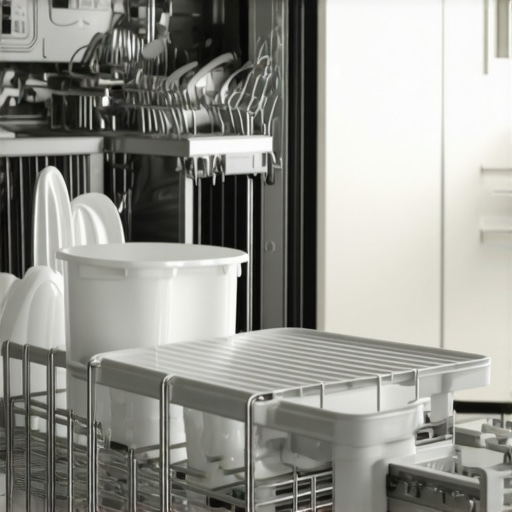
Ever opened your dishwasher after a cycle and been greeted by damp, plastic containers that still feel sticky or damp? I used to think my dishwasher was failing me, especially with those stubborn plastic tubs that refused to dry. One day, it hit me—my dishwasher’s drying process was incomplete, and I was running around, drying each plastic piece by hand. Frustrating, right? If you’ve experienced the same, then you’re in good company. I promise, there’s a simple fix to this frustrating problem, and today, I’m going to walk you through it.
Understanding Why Plastic Doesn’t Dry Well in Your Dishwasher
Is the Drying Phase Overhyped or Worth It?
When I first bought my dishwasher, I assumed it would do everything perfectly—except, turns out, drying plastics was a real challenge. I mistakenly believed that the high heat or prolonged drying cycles would handle everything. However, I learned that plastics are inherently tricky because they don’t absorb or release moisture like glass or ceramic. Plus, many dishwashers rely on residual heat or specific drying features that plastics simply don’t respond to well. Interestingly, according to a study by the Environmental Protection Agency, plastics can retain more moisture from dishwasher cycles due to their porous nature, leading to wetter finishes unless specific drying strategies are used. This was a lightbulb moment for me, realizing that understanding my appliance and its limitations was key to fixing the issue.
Ever wondered if your dishwasher’s drying capabilities are actually optimized for plastics, or if you’re simply using the wrong settings? If you’re tired of hand-drying or dealing with sticky plastic tubs, rest assured, the solution is often within your control. Combining the right loading techniques with smart cycle choices can make a significant difference. To get started, let’s explore the common reasons your plastics aren’t drying properly and how you can fix them quickly.
Proper Loading Ensures Better Drying Results
When I first started rearranging my plastics, I realized that stacking them too tightly or placing lids upside down blocked airflow, leading to damp surfaces. To fix this, I opened the dishwasher after a cycle, used a towel to dry some stubborn spots, then adjusted the positioning of my plastics—placing larger containers on the sides and ensuring they weren’t nested. I also made sure that all items faced downward or had open spaces for air circulation. Try this method by visualizing your loading pattern like a city street; if the traffic (airflow) isn’t clear, nothing moves efficiently. A smarter load allows hot air to circulate freely, speeding up evaporation and reducing dampness. For detailed tips, see this guide on smart home basics.” ,
Many homeowners operate their appliances based on common assumptions that seem logical at first glance but can lead to inefficiencies or even damage over time. For example, a widespread myth is that running appliances at the lowest possible temperature saves energy, but in reality, this often results in prolonged cycles and incomplete cleaning or preservation. As an experienced enthusiast, I can tell you that understanding the subtleties of each appliance’s functioning can dramatically improve both performance and lifespan.
Is Higher Cost Always Better When Choosing Appliances?
Consumers frequently believe that investing in the most expensive models guarantees optimal performance, but this isn’t always accurate. Advanced features like smart connectivity or specialized sensors may offer convenience, but sometimes, simpler models perform just as well without the hefty price tag. According to a 2024 study by the Consumer Reports, many mid-range appliances incorporate the latest technology at a fraction of the cost, emphasizing the importance of evaluating features critically rather than defaulting to premium brands.
Another common pitfall is neglecting the importance of proper maintenance. For instance, failing to regularly clean refrigerator coils or ignoring the need to calibrate washing machine sensors can lead to decreased efficiency and higher utility bills. In particular, smart appliances equipped with AI rely heavily on clean sensors to function correctly; neglecting these details can mean missing out on potential energy savings or even causing premature failure.
Advanced Tips for Discerning Appliance Choices
Choosing the right dishwasher, for example, involves understanding not just cycle options but also the nuances of water temperature, rinse aid compatibility, and drying technology. Modern dishwashers with AI technology can adapt their cycles based on load type and soil level, but they require proper setup and maintenance to realize these benefits. For a comprehensive guide on selecting the best dishwasher, I recommend checking out this resource.
Similarly, refrigerators now feature algorithms that monitor food freshness and optimize energy use, yet many users overlook the importance of firmware updates to keep these systems functioning optimally. Regularly updating firmware can unlock new features, enhance security, and improve performance, preventing issues like freezing or uneven cooling. If you’re curious about keeping your smart fridge at peak performance, visit this article.
Understanding these nuances not only enhances appliance efficiency but also extends their lifespan—saving you money and hassle in the long run. Keep in mind that the world of home appliances is continually evolving, with innovations like AI-driven cleaning and maintenance alerts becoming more commonplace. Therefore, staying informed through reputable sources like this overview of AI-powered dishwashers is vital.
Have you ever fallen into the trap of assuming your appliances are foolproof? Share your experiences or questions in the comments—I’d love to hear your stories and help clarify these hidden complexities!
Keep Your Appliances Running Smoothly with the Right Tools
Maintaining home appliances like dishwashers, refrigerators, and washing machines doesn’t have to be complicated, but having the right tools makes all the difference. Personally, I rely on a few specific items to keep my appliances in top shape. For instance, a flexible microfiber cloth is perfect for wiping down filters and seals without leaving lint or scratches. I also swear by a high-quality flashlight—using a durable, LED headlamp allows me to inspect hard-to-reach areas like condenser coils or underneath the dishwasher without straining my neck. To clean stubborn mineral deposits in a water dispenser, I use a vinegar spray bottle paired with a silicone brush made specifically for appliance maintenance, which I recommend for its durability and gentle cleaning power.
When it comes to deep cleaning or resolving issues, special tools like a spray arm cleaner for dishwashers or an electronic sensor calibrator for smart appliances save time and improve results. For example, I use a dedicated spray arm cleaning kit that includes small brushes designed to reach into tiny jets—this prevents clogs and ensures even water distribution during cycles. Additionally, a good multimeter is invaluable for diagnosing electrical faults in appliances; I use mine regularly to test voltage and continuity, reducing dependency on costly service visits.
Embrace Software to Extend Appliance Lifespan
Beyond physical tools, leveraging software and firmware updates is critical. Regularly updating your smart washing machine, for instance, can fix bugs, improve energy efficiency, and introduce new features like intelligent load sensing. I frequently check manufacturer websites or apps linked to my devices—such as the smart washing machine guide—to ensure I have the latest updates, which can dramatically enhance device longevity and performance. Keeping firmware current is a simple yet effective step, recommended by appliance experts at Consumer Reports.
Predicting the Future of Appliance Maintenance
The trend is clearly shifting towards more integrated, AI-driven tools that diagnose issues proactively and suggest maintenance tasks before problems become severe. Future appliances might come with built-in diagnostic modules connected to home networks, alerting you directly via your smartphone or smart home hub (as discussed in this resource). I predict that by 2025, the combination of physical maintenance tools and intelligent software will make appliance care almost effortless, saving homeowners money and peace of mind.
How do I maintain appliances over time? Schedule regular check-ups and use dedicated cleaning tools. Don’t forget to keep firmware updated, and consider investing in diagnostic devices that can identify issues early. For an extra edge, try a professional-grade cleaning spray for filters and a multimeter to troubleshoot electrical components—I personally find these essentials keep my appliances functioning optimally for years. Curious about smart tools that can help you extend your appliance’s life? Visit this contact page for expert advice or recommended equipment to get started.The Hardest Lesson I Learned About Dishwashers, Refrigerators, and Washing Machines
Before diving into smarter appliance habits, I believed that high-end models would solve all my problems. It was a surprise to discover that even the most expensive units require attentive maintenance and knowledgeable use. This realization pushed me to become more hands-on and informed, drastically improving my appliances’ longevity and efficiency.
3 Myths About Home Appliances That Held Me Back
One major myth was that appliances automatically adapt to my needs without proper setup. The truth is, smart features need manual calibration and regular firmware updates to perform optimally. Learning this taught me to take control and customize settings, which made a noticeable difference in performance.
What Experts Won’t Tell You About Keeping Your Appliances in Top Shape
Most people overlook simple yet crucial maintenance steps, like cleaning coils, replacing filters, or updating software. These small actions can prevent costly repairs and extend the lifespan of your devices, saving you money and stress over the long term.
My Essential Toolkit for Appliance Maintenance
I’ve found that a microfiber cloth, a good flashlight, and a smart sensor calibrator are invaluable. These tools allow me to perform quick inspections, clean hard-to-reach areas, and ensure that my appliances operate with precision. Investing in these has paid off by reducing visits from repair services and improving cycle outcomes.
The Future of Appliance Care Is Here
Emerging AI-driven diagnostic tools promise proactive maintenance, alerting homeowners to issues before they escalate. Staying ahead with these innovations and regularly updating firmware are key to maintaining peak performance. Embracing these changes makes appliance management less of a chore and more of an investment in your home’s efficiency.
Where to Go from Here
Equip yourself with the right tools, stay informed through trusted sources like this comprehensive guide, and adopt a proactive mindset. Remember, smart appliance care is an ongoing journey, not a one-time fix. Share your experiences or ask questions below—I’m here to help you master your home’s heartbeats!