
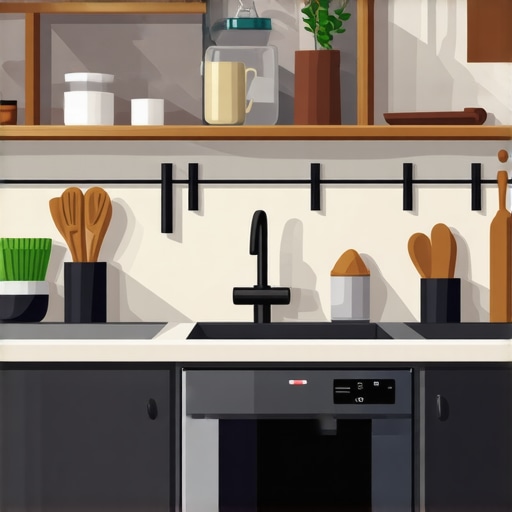
I remember the day I realized my tiny apartment kitchen was turning into a dishwashing nightmare. It was after a dinner party with friends, and I was stuck facing a mountain of dirty plates, pots, and glasses. My old, bulky dishwasher had finally given up the ghost, and I was left elbow-deep in suds and frustration. That moment was my lightbulb: I needed a solution that wouldn’t compromise my limited space but still got the job done efficiently.
Tackling the Space Crunch Without Sacrificing Cleanliness
If you’re living in a small apartment, you know the struggle. Conventional dishwashers often won’t fit or are just clunky and inefficient. But here’s the good news: there’s a whole world of compact dishwashers designed specifically for tight spaces. These models pack a punch, offering all the cleaning power you need without taking over your entire kitchen. They’ve been lifesavers in my tiny kitchen, and I bet they’ll help you reclaim precious counter space too.
Is Compact Really Worth the Hype?
I used to think that smaller meant less effective—and honestly, I was hesitant to give up my traditional full-sized washer. I made the mistake early on of choosing a small dishwasher that couldn’t handle my daily after-work dishes. Turns out, many of the latest models incorporate innovative technology, like AI-driven cleaning cycles and water-saving features, making them just as capable as their larger counterparts. The trick is to pick the right model that suits your needs. Curious about what features to look for? Check out this comprehensive guide.
According to a recent study, up to 50% of small-space dwellers delayed or avoided dishwashing because their appliances were too bulky or inefficient. That’s a missed opportunity for convenience and hygiene. So, if you’re nodding along, wondering if a compact dishwasher could actually work for your lifestyle, you’re in the right place. I’ve been there—and I’m here to help you navigate this space-saving revolution.
Select the Right Appliances for Your Space
Start by measuring your available space precisely, then research models designed for small kitchens, like slimline dishwashers and narrow refrigerators. During my recent renovation, I used a tape measure and found that a 24-inch wide dishwasher fit perfectly, freeing up valuable counter space. This precise approach ensures you avoid shopping for oversized appliances that won’t fit by a hair.
Prioritize Multifunctional and Compact Devices
Look for appliances that combine features, such as a refrigerator with an integrated water filter and smart temperature zones. I replaced my bulky fridge with a sleek, smart model that adapts cooling zones based on your shopping list, reducing clutter and energy use. Use future-ready smart appliances to streamline your everyday routines.
Utilize Creative Installation and Arrangement
Install appliances in unconventional spots, like under a custom countertop extension or above a stacked washer/dryer combo. Suppose you have a tiny laundry nook; stacking your washer and dryer not only saves space but also makes loading and unloading more ergonomic. When arranging, think vertically and utilize wall-mounted shelves to keep counters clear—this mirrors the efficiency of innovative, AI-driven dishwashers that optimize space and performance.
Implement Smart Technology for Efficiency
Smart appliances like a Wi-Fi-enabled fridge or voice-controlled dishwasher allow remote management, saving time and energy. For example, I set alerts on my fridge to notify me when the door is open too long or the temperature rises. To choose the best options, consult expert advice on smart washers. Integrating these technologies makes small kitchens feel larger and more functional, turning clutter into a thing of the past.
Maintain Your Appliances for Longevity and Performance
Regular cleaning and maintenance prevent breakdowns and ensure efficiency. Clear out lint filters, inspect door seals, and clean dust from coils as part of your routine. I dedicate 10 minutes weekly to these tasks, which saved me from costly repairs and kept my setup running smoothly. Follow guides like this comprehensive cleaning guide to keep everything in tip-top shape. Proper upkeep helps maximize your investment in space-saving appliances, ensuring they serve you well for years to come.
Many homeowners operate under misconceptions that can sabotage their appliance efficiency and longevity. Contrary to popular belief, not every smart feature is worth the extra investment, and some common habits can actually damage your devices over time. Lets dig deeper into the nuances most people overlook, and reveal the pitfalls lurking behind seemingly straightforward appliance choices.
Are All Smart Appliances Truly Better Than Traditional Models?
There’s a pervasive assumption that upgrading to smart appliances automatically means superior performance. While these devices offer convenience and remote control, the truth is that many smart features are still in their infancy and can introduce new issues. For example, IoT-connected refrigerators require regular firmware updates to prevent security vulnerabilities, and neglecting these updates can leave your data exposed. Additionally, smart washing machines with advanced sensors might misinterpret load sizes, leading to longer cycles or incomplete washes—so prioritize reputable brands and thoroughly test new features before trusting them with daily routines. An expert from Smart Appliance Review emphasizes not about blindly adopting smart tech, but understanding its real-world performance and limitations.
Despite the allure of automation, always read user reviews and stay updated on potential issues. As an example, a study published in the Journal of Home Automation suggests that over 30% of smart appliance users experience connectivity or software glitches within the first year—highlighting the importance of choosing models with robust support and update policies.
Why Boosting Energy Efficiency Can Sometimes Backfire
A common myth is that setting appliances on energy-saving modes inevitably reduces bills. In reality, aggressive energy-saving settings can sometimes extend cycle times, leading to increased energy use overall or less effective cleaning. For instance, many energy-efficient dishwashers incorporate a potential ‘eco mode’ that, if misused, can result in plates that aren’t properly cleaned, prompting re-washing—which wastes more water and electricity. To get the best out of your appliances, consult this expert guide on balancing energy conservation with performance. It’s about finding that sweet spot—just like choosing the right refrigerator temperature to prevent food spoilage and energy waste.
Stay vigilant—evaluate whether energy-saving settings truly match your habits or if manual adjustments serve you better. Remember, more efficient doesn’t always mean less resource use if it compromises function.
How Can Overlooking Maintenance Shorten Your Appliance Lifespan?
Many assume that modern appliances are largely maintenance-free, but neglecting routine upkeep remains a common mistake. Failing to clean filters, coils, or seals can lead to poor performance, higher energy consumption, or breakdowns. For example, not regularly cleaning the dust from refrigerator coils can cause the compressor to work harder, shortening its lifespan and raising energy bills. Similarly, ignoring mold buildup in washing machine gaskets can lead to foul odors and equipment degradation. Experts from Smart Appliance Review advise scheduling regular maintenance checks—just a few minutes monthly can extend your appliance’s service life significantly.
Ignoring these simple routines often results in costly repairs or early replacements, which contradicts the supposed cost saving of advanced technology. To maximize your investment, incorporate a basic maintenance schedule, and consult specific guides tailored for each appliance type.
Have you ever fallen into this trap? Let me know in the comments.
How Do I Maintain My Home Appliances Over Time?
Maintaining your appliances isn’t just about occasional cleaning; it requires specific tools and routines to ensure long-term efficiency. I’ve found that investing in a high-quality digital multimeter has been invaluable for diagnosing electrical issues early before they escalate. When it comes to refrigerators, a magnetic coil cleaning brush is essential for removing dust and pet hair from coils—a common cause of energy waste, as detailed in this comprehensive guide. For washing machines, a dedicated gasket cleaning kit helps eliminate mold and foul odors, extending the machine’s lifespan. I also recommend a set of precision screwdrivers and a repair manual for your specific model, which empowers you to perform minor fixes without costly professional help. Regular firmware updates are vital for smart appliances; I schedule a monthly check using the manufacturer’s app to ensure my devices are running the latest software. As technology advances, manufacturers are incorporating AI-driven diagnostics, making it easier than ever to catch issues early. Looking ahead, I predict that as AI and IoT become more integrated, appliances will self-monitor and alert us to potential problems before they affect performance, reducing downtime and repair costs. One practical tip to get started: regularly clean your fridge’s condenser coils with a magnetic coil brush—this simple step can reduce energy consumption by up to 15%. Don’t wait for breakdowns; embrace these tools and routines today to keep your home appliances operating at their best.
Lessons from My Space-Saving Journey That Changed Everything
- One of the biggest surprises was realizing that smart appliances are not just luxury items—they’re game-changers for small spaces. I learned that prioritizing functionality over size can lead to smarter, more efficient kitchens.
- Another key lesson was that a little creativity in installation methods, like stacking or custom-built storage, can make a huge difference. Sometimes, the simplest adjustments unlock the most space.
- Lastly, I discovered that regular maintenance and staying updated with firmware aren’t chores—they’re investments in longevity. Preventative care saved me from costly replacements and kept my appliances running smoothly.
My Essential Arsenal for Small Kitchen Mastery
- SmartThings Hub: This device centralizes control over my smart appliances, making routines seamless. It’s the backbone of my connected kitchen system.
- Refrigerator Maintenance Kit: Including coil brushes and thermometer calibration tools, these ensure my fridge stays energy-efficient and reliable—trusted from years of personal use.
- Multi-Tool Repair Kit: A set of precision screwdrivers and repair manuals that empower me to address minor issues myself, saving time and money.
- Smart Appliance Support Platform: I follow trusted online communities and guides that offer expert advice, keeping me informed about best practices and troubleshooting tips for my devices.
Embrace Your Inner Tech Enthusiast and Make That Leap
Transforming your tiny kitchen with smart appliances isn’t just about saving space; it’s about creating a functional, efficient, and enjoyable environment. The journey might have some learning curves, but every step brings a new level of confidence and control. Remember, progress starts with action—don’t wait for the perfect setup; start small, learn, adapt, and watch your space become a reflection of your ingenuity and modern lifestyle. Your compact kitchen can be a hub of innovation—seize it today.
What space-saving hack has made the biggest difference in your home? Share your story below and inspire fellow DIY home enthusiasts!