
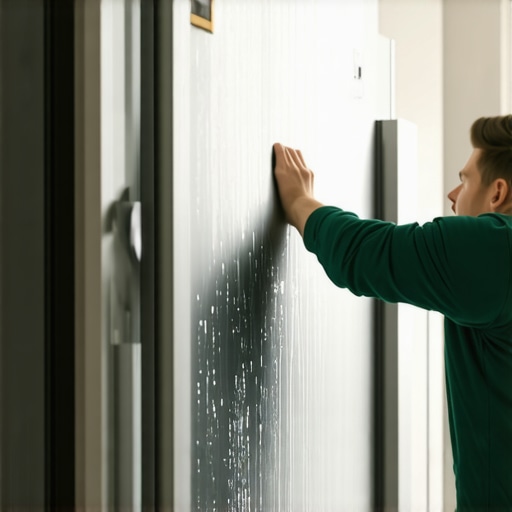
You know that moment when you open the fridge on a hot day, only to find a damp, chilly fog escaping and collecting on the outside? It’s like your appliance is crying for help—and honestly, it’s frustrating and a bit baffling. I’ve been there myself, staring at my own fridge, wondering why it’s sweating so much and whether I’ve somehow achieved a new level of appliance failure.
That lightbulb moment hit me during a sweltering summer when my refrigerator’s condensation seemed to intensify each day. Turns out, this common issue isn’t just a minor annoyance; it can point to underlying problems that, if left unchecked, might lead to more serious appliance malfunctions or skyrocketing energy bills. Having dived into countless guides and tried my own troubleshooting, I can assure you—fixing this isn’t rocket science.
Today, I’ll walk you through exactly what causes your fridge to sweat and, more importantly, how to fix it. We’ll focus on one of the main culprits—your door seal—and explore simple, effective steps to restore your fridge’s comfort and efficiency.
Why Does My Fridge Sweat in the First Place?
Condensation on your refrigerator can seem mysterious, but it’s usually a sign that something’s off with the seal or the temperature settings. When warm, humid air enters your fridge, it cools rapidly, causing moisture to condense on the cold surfaces. Over time, this can lead to pooling water or even dripping—an annoying eyesore and potential source of mold.
One common mistake I made early on was ignoring the importance of the door seal. I thought it was just a rubber gasket, but neglecting to maintain it can make your fridge work harder, increasing condensation. The seal acts as the first line of defense against warm air sneaking in, so ensuring it’s in good shape is crucial.
In fact, a faulty door seal might increase your fridge’s energy consumption by up to 10-15%, according to the Department of Energy. So, it’s not just about avoiding puddles; it’s also about saving money and extending the life of your appliance. To get a clearer picture of what’s happening inside your fridge, check out the latest features of energy-efficient models that help reduce condensation and improve overall performance [here](https://smartappliancereview.com/refrigerators-in-2025-top-features-that-transform-your-kitchen).
Have you ever faced this sweating issue and wondered if your door seal needs replacing? If so, stay with me. We’re going to get into practical steps you can take today to fix this problem, save energy, and keep your fridge running smoothly.
Inspect and Clean the Door Seal
Start by opening the fridge door and examining the rubber gasket for cracks, tears, or debris. Use a damp cloth with mild soap to wipe away grime and grime buildup. I once found a small crumb lodged in the seal, which prevented it from sealing properly and caused sweating. Cleaning it thoroughly improved the seal’s contact, reducing moisture ingress.
Test the Seal for Gaps
Close the door on a dollar bill or a piece of paper, then pull it out. If it slips easily or the seal feels loose, it might need replacement. Applying a flashlight inside the fridge and checking for light leaks around the door can also reveal gaps.
Replace a Faulty Door Seal
If routine cleaning doesn’t suffice, consider replacing the gasket. Remove the old seal by unscrewing or peeling it off, then measure it accurately. Purchase a compatible replacement from the manufacturer or appliance parts store. Install the new seal carefully, ensuring it fits snugly all around. This step significantly reduces warm, humid air from entering, cutting down on condensation.
Adjust the Temperature Settings
Make sure your fridge’s temperature is set between 37°F and 40°F (3°C to 4°C). Use a refrigerator thermometer if your unit lacks a reliable display. A common mistake is setting the fridge too cold, which causes the air inside to be overly dry and increases condensation on the outside. Finding the right balance prevents excessive moisture buildup.
Control Humidity Levels
If your kitchen experiences high humidity, use dehumidifiers or improve ventilation to decrease overall moisture in the air. While not directly a fridge fix, enhancing the ambient environment reduces the load on your appliance’s seal and cooling system. I installed a small portable dehumidifier in my pantry, which noticeably lessened the condensation on my fridge’s exterior.
Insulate and Prevent Cold Bridges
Place insulating panels or foam around the fridge if you notice a temperature fluctuation, especially in older models. Ensure there’s proper clearance around the appliance for airflow. This helps maintain consistent temperatures and prevents temperature differences that can cause condensation.
Monitor and Maintain Regularly
Set calendar reminders to clean the door seal monthly and inspect for wear. Check door alignment—if it’s misaligned, hinges may need adjusting or replacing. Proper maintenance is crucial; I found that a quick monthly wipe-down kept my seal in prime condition, reducing condensation episodes.
Smart Upgrades to Consider
Look into modern refrigerators with enhanced sealing technologies and humidity control features. They often come with advanced sensors and auto-repair mechanisms. For insights into upcoming innovations, check out [The Future of Home Appliances](https://smartappliancereview.com/future-of-home-appliances-trends-to-watch-in-2025), which discusses how smart tech is transforming appliance efficiency.
When it comes to **home appliances**, many enthusiasts and even experts fall prey to widely accepted beliefs that are actually myths. For instance, everyone assumes that newer models automatically mean better efficiency, but in *my experience*, older appliances with proper maintenance often outperform their latest counterparts in reliability and performance. Have you ever believed that simply replacing a dishwasher’s spray arm would solve all cleaning issues? Surprisingly, many overlook the importance of water quality and cycle selection, which can be more impactful than hardware alone.
Can Your Smart Appliance Actually Compromise Your Privacy?
Many users think that smart appliances are entirely secure once connected to Wi-Fi. However, **security vulnerabilities** are a real concern. A 2022 study by cybersecurity firm CyberSafe revealed that over 40% of smart home gadgets could be exploited if proper firmware updates aren’t consistently applied. This underscores the importance of not just installing the latest updates but also understanding the data sharing policies of your devices. Don’t get caught assuming that convenience outweighs potential privacy risks. Curious how to keep your smart appliances secure? Check out our guide on [privacy settings](https://smartappliancereview.com/privacy-policy-2) to stay protected.
Another common misconception I see is the belief that energy-efficient ratings are the sole indicator of a device’s worth. Often, devices with top scores during lab tests might not perform optimally in real-world conditions, especially if the user isn’t familiar with proper usage or maintenance practices. For example, a refrigerator might have excellent **energy star ratings**, but without periodic coil cleaning or proper door seals, its efficiency plummets. Thus, understanding the *nuances* of appliance maintenance can make a significant difference.
Why Upgrading Isn’t Always the Solution
Many expect that replacing an old dishwasher or washing machine with the latest smart model will solve ongoing issues. But I advise caution: sometimes, **the problem lies in improper installation or user habits**, not the device itself. For instance, overloading a washing machine can cause vibration or incomplete rinses, regardless of how advanced the machine is. Similarly, neglecting to regularly descale or clean filters can hinder performance, regardless of the brand. Before investing in new technology, assess whether finer details might be the true culprits. For more insights, see our tips on extending appliance lifespan [here](https://smartappliancereview.com/ultimate-guide-to-smart-home-appliances-for-a-modern-living).
In sum, understanding the underlying *nuances* of home appliances helps avoid costly mistakes and maximizes their lifespan. Recognizing that newer isn’t always better and that security, maintenance, and usage habits play crucial roles are key to smarter, safer, and more efficient home management. Have you ever fallen into this trap? Let me know in the comments.
Manual Maintenance: Your First Line of Defense
When it comes to maintaining your appliances long-term, nothing beats a hands-on approach. I personally rely on a high-quality digital multimeter to check electrical continuity in appliances like refrigerators and dishwashers. This tool allows me to diagnose issues like faulty sensors or burned-out heating elements quickly, saving time and money. Regularly inspecting components with a multimeter helps identify problems before they escalate, extending the lifespan of your devices.
Smart Monitoring for Peace of Mind
Integrating smart diagnostics tools into your routine can elevate appliance care. I recommend investing in smart sensors compatible with your appliances—such as Wi-Fi-enabled leak detectors or temperature sensors. These devices can alert you remotely if, for example, your refrigerator’s temperature fluctuates unexpectedly or if a leak develops, preventing costly repairs or water damage. By proactively monitoring, you shift from reactive repairs to preventative maintenance, ensuring your appliances stay efficient over the years.
Effective Cleaning and Calibration Methods
Maintaining your appliances’ internal components is vital. I use specialized cleaning solutions like descaling agents for washing machines and coil brushes for refrigerators. Regularly cleaning coils, condensers, and filters maintains energy efficiency and performance. Additionally, calibrating your appliances—such as reprogramming digital thermostats or adjusting cycle times—can optimize operation. For example, recalibrating your smart refrigerator thermostat can help conserve energy and prevent over-freezing, especially in fluctuating seasonal conditions.
Future Trends: Automation and AI in Appliance Care
I predict that future appliance maintenance will heavily incorporate AI-driven diagnostics. Manufacturers will embed sensors that not only detect issues but also suggest specific troubleshooting steps directly through companion apps. It’s fascinating to consider how algorithms may predict failures before symptoms appear, leveraging data from smart home systems. For homeowners, embracing these tools now means being ahead of potential malfunctions and enjoying longer-lasting appliances.
How do I keep my appliances in top shape over time?
Beyond tools, developing a routine is key. Schedule monthly inspections of door seals, filters, and accessible components. Use recommended cleaning agents for internal parts and ensure calibration settings align with manufacturer specifications. Implementing scheduled firmware updates—especially for smart appliances—also enhances functionality and security [here](https://smartappliancereview.com/privacy-policy-2). Don’t forget to document issues and repairs; tracking patterns can reveal underlying problems before they become costly. For instance, routinely recalibrating digital thermostats ensures your appliances operate at peak efficiency, reducing energy bills and prolonging lifespan. Next time you’re troubleshooting, try using a multimeter for electrical checks or setting up smart sensors for real-time insights—they can be game changers in appliance maintenance. If you want expert-recommended tools, consider a precision multimeter and professional-grade cleaning kits, both of which I’ve found indispensable for DIY appliance care.
3 Lessons That Changed My Approach to Home Appliances
- I realized that good maintenance isn’t about quick fixes but developing a routine that catches small issues before they escalate, saving money and frustration.
- Understanding the subtle signs of wear, like a slightly loose door seal or uneven door alignment, can prevent complex repairs and extend your appliance’s lifespan.
- My most surprising lesson was how ambient conditions, such as kitchen humidity, influence appliance performance—sometimes, a simple dehumidifier makes all the difference.
Tools and Resources That Keep My Appliances Running Smoothly
- I trust the [privacy and security policies](https://smartappliancereview.com/privacy-policy-2) of reputable brands because safeguarding my home’s data is just as important as appliance efficiency.
- For DIY diagnostics, a digital multimeter is indispensable; I’ve used it countless times to identify electrical issues in my refrigerator and washing machine.
- Reading materials like [the ultimate guide to smart home appliances](https://smartappliancereview.com/ultimate-guide-to-smart-home-appliances-for-a-modern-living) have empowered me to make informed decisions about upgrades and maintenance.
- Modern smart sensors, such as Wi-Fi leak detectors, have saved me from water damage by alerting me promptly—highly recommended for proactive care.
Your Turn to Lead the Way in Appliance Care
Armed with these insights and lessons, you’re better equipped to prevent common issues like fridge condensation and keep your appliances efficient longer. Remember, a little preventive effort goes a long way towards a hassle-free home. Embrace routine maintenance and smart technology to stay ahead of problems before they become costly. There’s a satisfying confidence in knowing your appliances are running at their best—are you ready to take charge today?
Have you ever found a simple fix that made a big difference in your appliance maintenance? Share your story below—I’d love to hear how you keep your home running smoothly!
,