
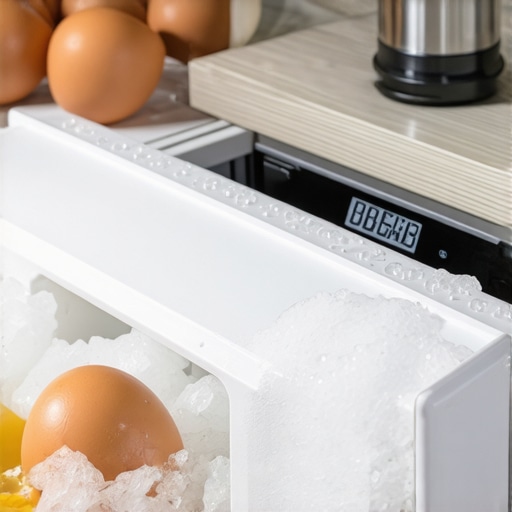
It happened again—there I was, reaching into my fridge’s deli drawer for some sliced turkey, only to find my eggs frozen solid next to the cold cuts. That moment of frustration hit me hard because, honestly, I had no clue what was causing this odd, inconvenient problem. I used to think perhaps my fridge was just acting up or maybe I had inadvertently set the temperature too low—classic misunderstandings. But after some digging and a few trial-and-error fixes, I uncovered a surprisingly common culprit that many home chefs overlook.
Matching the Fridge Temperature to Your Needs
One of the most overlooked reasons your eggs might be freezing is an improperly set temperature. Most refrigerators are designed to keep food fresh at around 37°F to 40°F (3°C to 4°C), but some models or settings can accidentally dip lower, especially if your fridge’s thermostat is malfunctioning or misadjusted. When the temperature drops below freezing, items stored in colder sections—like your deli drawer—are at risk of getting frozen, regardless of the usual
Verify and Adjust the Temperature Settings
Start by locating your fridge’s thermostat, usually inside the fridge compartment or on the control panel. Use a digital thermometer to check the actual internal temperature; aim for 37°F to 40°F (3°C to 4°C). If the temperature is below freezing, increase the setting gradually. I once adjusted my fridge from 32°F to 38°F after noticing my eggs freezing, and it resolved the issue—though it took a couple of hours to stabilize.
Lubricate and Inspect the Thermostat Mechanism
Sometimes, the thermostat’s sensor or dial may stick or malfunction. Carefully clean the sensor and ensure it moves freely. If it appears damaged, replacing it can prevent the fridge from overcooling. I had a sticky thermostat that caused inconsistent temperatures; cleaning the sensor fixed it immediately.
Manage Airflow and Proper Loading
Poor airflow can cause uneven cooling, leading to sections getting too cold. Keep vents clear of obstructive items and avoid overloading the fridge. When I filled my fridge tightly with groceries, I noticed uneven temperatures. Rearranging with space around items helped maintain consistent cooling—check your refrigerator’s airflow patterns if problems persist.
Inspect Door Seals and Level the Appliance
Cracked or loose door gaskets let warm air in, causing the compressor to work harder and sometimes overcool certain areas. Clean the seals with mild soap and water, then test for leaks by closing the door on a dollar bill—if it slips out easily, replace the gasket. Also, ensure your fridge is level; an unbalanced fridge can cause improper door sealing and temperature fluctuations. I used a spirit level to adjust the feet, which improved temperature stability significantly.
Evaluate and Limit Frequent Door Opening
Every time you open the door, warm air enters, causing the compressor to compensatorily overcool other sections. Minimize door openings and plan your access to reduce temperature swings. Once, I kept a mental checklist before opening my fridge, which decreased the frequency of door openings, stabilizing the interior temperature.
Regular Maintenance and Professional Checkup
Clean condenser coils monthly—a buildup of dust and pet hair can reduce cooling efficiency, leading to improper temperature control. I used a coil brush to remove debris behind my fridge, which improved cooling performance. If issues persist, consider scheduling a professional inspection, especially for faulty thermostats or compressor problems. Experts can diagnose deeper issues, ensuring consistent and optimal fridge performance.
For more in-depth tips on managing your appliances effectively, visit this guide on smart refrigerator features.
Smart Appliances aren’t Always Smarter Than You Think
Many homeowners believe that simply purchasing the latest smart appliance guarantees an effortless, trouble-free experience. However, in my experience, overestimating a device’s capabilities can lead to overlooked nuances—like neglecting firmware updates or ignoring compatibility issues. For instance, some assume that a smart refrigerator will automatically optimize energy use without user adjustment, but studies show that manual input and maintenance are essential for optimal performance. Consult the comprehensive guide to get the most out of your smart devices.
Ignoring Age and Wear Impact on Washer Efficiency
Many assume that newer models always outperform older ones, but this isn’t always true. An advanced mistake I often see is homeowners ignoring signs of wear, especially in washing machines. Over time, components like the suspension system or pump wear out, reducing efficiency and causing issues like uneven cycles or excessive noise. Regularly inspecting and scheduling professional maintenance can delay costly repairs. For more insights, explore expert advice on smart washers.
The Hidden Trap in Refrigerator Odor Control
One common misconception is that sealing odors entirely depends on frequent cleaning. While cleaning is crucial, many overlook the role of air circulation and proper deodorizer use. Some rely solely on baking soda or charcoal filters without considering proper ventilation or replacing filters at recommended intervals, which can intensify odors or impact cooling efficiency. An advanced tip is to mix activated charcoal with baking soda for enhanced absorption or use the refrigerator’s smart features to monitor filter status. Get more details in the latest refrigerator innovations.
How Can You Prevent Common Smart Appliance Hiccups?
Great question! Many tech-savvy users encounter connectivity issues, firmware bugs, or app malfunctions. A key advanced mistake is neglecting network security or not maintaining the connectivity environment—like insufficient Wi-Fi signal strength or outdated encryption protocols—which can hinder device performance. Regularly updating your router’s firmware, placing devices within optimal range, and changing passwords can safeguard your setup. For detailed guidance, visit this resource.
By understanding these nuanced details and avoiding common pitfalls, you’ll extend the lifespan of your appliances, optimize their performance, and truly leverage their smart features. Have you ever fallen into this trap? Let me know in the comments.
Invest in Quality Maintenance Tools
Keeping your smart appliances, refrigerators, and dishwashers running smoothly over the years demands the right set of tools. I personally swear by a digital infrared thermometer, which allows me to quickly check the surface temperature of components like condenser coils or heater elements without dismantling anything. This simple device helps identify overheating issues early, preventing costly repairs. Additionally, a good multimeter is invaluable for diagnosing electrical faults—I’ve used mine countless times to verify wiring and sensor functionality, especially in complex smart wiring setups. For a more in-depth look at essential diagnostic tools, visit this comprehensive guide.
Routine Maintenance Practices
Beyond tools, establishing a regular maintenance schedule is key. I recommend monthly coil cleaning for refrigerators—using a vacuum attachment or a soft brush to remove dust from condenser coils prevents overheating and maintains efficiency. For dishwashers, running a cleaning cycle with vinegar or specialized descaler twice a year can avert mineral build-up, especially in hard water areas. When it comes to washing machines, inspecting and cleaning the lint filter and water inlet screens routinely ensures optimal operation. Remember, proactive maintenance often saves you from unexpected breakdowns and preserves smart features like app notifications or remote diagnostics. Explore this tip on deep cleaning for detailed instructions.
Connecting Long-Term Results and Scalability
As your home integrates more smart appliances, planning for scalability is wise. Investing in multi-gang smart hubs or Wi-Fi extenders can handle multiple devices without hiccups. I personally use a mesh Wi-Fi system prioritized for smart device traffic, which keeps my fridge, washer, and oven reliably connected. In the future, I foresee a trend toward IoT appliances that self-diagnose and schedule maintenance—think of appliances that alert you proactively when parts are wearing out, based on data collected over time. Staying ahead now by deploying versatile tools and adhering to routine check-ups position you for seamless automation down the line. For insights on future trends, check this article on upcoming innovations.
How do I maintain my appliances over time?
The secret to long-term appliance performance lies in a combination of using the right diagnostic tools and adhering to a consistent maintenance schedule. Be proactive: check and replace filters before failures occur, and clean coils and sensors regularly. Personally, I schedule a quarterly check-up of my refrigerator’s door seals and condenser coils—preventive steps that have saved me hundreds in repairs. Embracing smart monitoring apps can also provide early alerts; for example, many refrigerators now offer maintenance reminders directly on their companion apps. I urge you to try deploying a digital infrared thermometer during your next routine check to spot temperature anomalies early. By investing in the right equipment and habits now, you’ll ensure your appliances deliver optimal performance for years to come. For tailored advice, contact here.
3 Surprising Lessons That Changed How I Handle Home Appliances
- Don’t Rely Solely on Smart Features: I once assumed my smart fridge would automatically optimize its settings, but I learned that manual checks, like verifying temperature and inspecting seals, are irreplaceable for long-term performance.
- Regular Tune-Ups Save Money: Scheduling periodic professional maintenance for my washing machine and refrigerator prevented unexpected breakdowns and extended their lifespan, proving that proactive care beats reactive repairs every time.
- Invest in Quality Tools: Using a simple infrared thermometer early on helped me identify temperature inconsistencies, preventing costly repairs and ensuring my appliances function at their best. Having the right diagnostic equipment truly makes a difference.
Tools and Resources That Truly Make a Difference
- Digital Infrared Thermometer: This affordable device helps me quickly check appliance surface temperatures, catching issues before they escalate. It’s a game-changer for home maintenance.
- Smart App Notifications: Apps linked to my smart appliances provide early alerts for filter changes or maintenance needs, allowing me to stay ahead and keep everything running smoothly.
- Trusted Repair Services: Building a relationship with reputable local repair technicians, especially for complex smart appliance issues, has saved me time and money when unexpected problems arise.
- Educational Blog and Guides: Continuous learning through trusted sources like this comprehensive guide has empowered me to troubleshoot minor issues confidently.
Your Next Chapter Begins Now
Embracing these personal insights and practical tools transforms how you care for your home appliances. With patience and the right knowledge, you can unlock their full potential, ensuring efficiency and longevity. Don’t wait for a breakdown—take proactive steps today to master your smart appliances with confidence.
What unexpected lesson have you learned about your home appliances? Share your story below—I’d love to hear how you’ve turned challenges into opportunities for better home management.
maneuvering a cleaner, more efficient home—one smart choice at a time.