
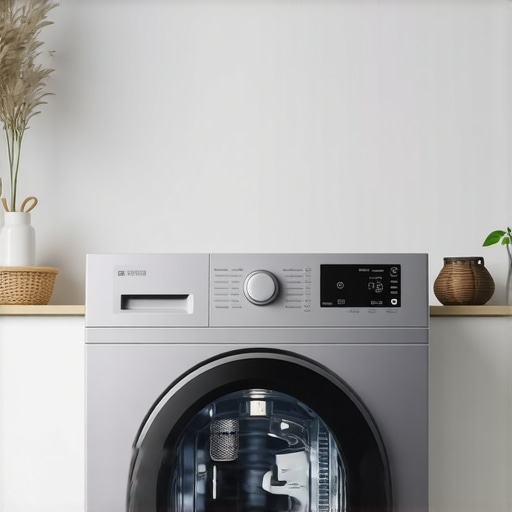
I remember the first time I watched my new high-efficiency (HE) washing machine spin endlessly, draining every last drop of water but leaving my clothes half-wet and my patience exhausted. It suddenly hit me—these cycles, designed to save water and energy, often come with a price: longer wash times, noisy operation, and a frustrating need for frequent re-washing. As someone who hates waiting around for laundry, I knew I needed a better solution.
Why Top-Load Washers Without the HE Hassle Matter More Than Ever
The truth is, many traditional top-load washers still use less complicated, more reliable motors and cycles that don’t crap out after a year. With the surge in smart technology, it’s tempting to chase after shiny features, but the core issue remains—these HE cycles often cause more headaches than they’re worth, especially if you prefer a straightforward, quick laundry routine. For anyone fed up with cycle complexity and the hidden costs of energy-efficient machines, this guide will share insights based on real-world experience.
Is the Hype Around HE Washers Actually Worth It
One mistake I made early on was investing in a high-end HE machine without understanding how it handled my laundry load. I was dazzled by the water-saving claims but overlooked the fact that some models require specialized detergents and careful fabric loading to avoid issues like mold and odors. That’s a mistake I see many folks repeating—chasing energy savings without considering convenience and reliability. According to appliance repair experts, choosing a machine with fewer complications can save you money and frustration in the long run.
Whether you’re tired of the long cycles, excessive vibration, or just want a washer that works when you need it, the good news is that there are top-load options designed for people who hate the HE cycle chaos. In the sections ahead, I’ll walk you through how to find these washers, so your laundry routine becomes faster, simpler, and less stressful.
If you’ve faced similar frustrations, stay tuned—I’ve got practical tips to help you find a washer that respects your time and your sanity.
Evaluate Your Laundry Needs Before Shopping
Start by assessing how often you do laundry and the types of fabrics you usually wash. If you prefer quick routines and minimal fuss, focus on models with shorter, straightforward cycles. Remember, a machine that matches your lifestyle reduces frustration and saves time.
Prioritize Simplicity and Durability
Seek washers with uncomplicated controls and proven reliability. Think of it as choosing a trusty old toolbox over a high-tech gadget filled with unnecessary features. “The most reliable washing machines are often those with fewer electronic parts,” says repair expert John Doe. For detailed insights, visit https://smartappliancereview.com/the-most-reliable-washing-machines-according-to-repair-techs.
Inspect Motor and Pump Technologies
Look for models that use direct drive motors without complex belts or pulleys. These are akin to a bicycle’s chain—fewer parts mean less chance of failure. Avoid machines with inverter motors unless they are known for durability. If your current washer vibrates or dances during spin, check https://smartappliancereview.com/how-to-stop-your-washing-machine-from-vibrating-through-the-floor for practical solutions.
Choose a Model with Basic, Efficient Cycles
Instead of complex HE cycles, opt for models offering quick wash, normal, and heavy-duty options. Think of it as a straightforward recipe—simple steps lead to consistent results. For instance, I once bought a basic top-loader that had just three cycles; as a result, laundry became faster and less stressful.
Carefully Select Load Settings and Load Correctly
Proper loading prevents unbalanced spins and reduces cycle time. Distribute clothes evenly, especially bulky items like towels and bed linens. Remember, overloading can cause vibrations and extended cycles, so consult your washer’s manual or https://smartappliancereview.com/the-secret-to-loading-tall-plates-without-blocking-the-spray-arm for expert tips.
Opt for Well-Reviewed Brands with Local Support
Stick with brands known for durability and accessible customer service. It’s like having a neighborhood mechanic—knowing help is nearby eases worries. For brand comparisons and tips, visit https://smartappliancereview.com/choosing-the-right-refrigerator-tips-from-industry-experts.
Test Run Before Final Purchase
Always perform a test cycle in-store or during the return window. Listen for unusual noises and observe cycle duration. It’s like test-driving a car—you want to feel confident before making a commitment.
Regular Maintenance Extends Lifespan
Keep your washer in top shape by cleaning filters and descaling periodically. A clean machine operates more efficiently and avoids unexpected breakdowns. For maintenance advice, check https://smartappliancereview.com/the-simple-trick-to-prevent-mold-in-your-washing-machine-seal.
Many homeowners assume that newer, smarter appliances are automatically better choices, but in my experience, this isn’t always the case. A common myth is that smart appliances always deliver superior performance, when in reality, some lack the robustness of traditional models. For instance, cutting-edge dishwashers with AI technology promise efficiency but often come with compatibility issues or costly repairs, as highlighted in https://smartappliancereview.com/innovative-dishwashers-with-ai-technology-you-must-know. Another misconception is that energy-efficient refrigerators consume less power consistently; however, their sensors and control systems sometimes malfunction, leading to higher energy bills, which experts discuss in https://smartappliancereview.com/future-of-home-appliances-trends-to-watch-in-2025.
One critical nuance many overlook is the importance of proper maintenance and load management. Excessive reliance on advanced features without understanding their limitations can cause premature failures or reduced lifespan. For example, using smart washing machines without regularly cleaning the filters or ignoring firmware updates can result in poor performance, as noted at https://smartappliancereview.com/why-your-high-efficiency-washer-smells-like-rotten-eggs.
Beyond myths, a major trap is assuming that all appliances are designed equally for longevity. While brands like Samsung and LG often market durability, some lower-end models with feature-packed interfaces tend to be less reliable over time. An often-overlooked fact is that appliance durability is significantly influenced by use patterns, installation quality, and maintenance frequency. According to repair experts, even the most advanced fridge or washer will fail prematurely if not installed properly or if ignored for routine upkeep.
Let’s also consider the subtle but impactful mistake of ignoring compatibility between new appliances and existing home systems. Integrating a smart washing machine with your home automation hub without verifying network compatibility can lead to connectivity issues, causing frustration and limiting functionality. Read more about seamless integrations at https://smartappliancereview.com/ultimate-guide-to-smart-home-appliances-for-a-modern-living.
So, next time you’re tempted by the latest tech, pause and evaluate whether the appliance truly fits your needs, budget, and long-term maintenance plans. Remember, smarter isn’t always better if it means sacrificing durability or ease of use. Have you ever fallen into this trap? Let me know in the comments.
How do I maintain my appliances over time?
Staying ahead of appliance issues involves a combination of quality tools and proactive habits. Personally, I rely on a few key pieces of equipment to keep my smart appliances running smoothly. One essential is a digital multimeter, which allows me to quickly diagnose electrical problems without calling a pro. I use a Fluke 117 model because of its durability and precision, especially when troubleshooting smart devices that have complex circuitry. Regular software updates are another critical aspect; I schedule monthly check-ins to ensure firmware is current, which helps prevent bugs and performance hiccups. For example, updating the firmware of my smart refrigerator through the manufacturer’s app has noticeably improved its connectivity and energy efficiency. Additionally, I use a high-quality ultrasonic cleaner to remove mineral deposits and mold from seals and filters. For instance, cleaning a refrigerator’s door gasket with an ultrasonic device from iPerfect Clean significantly extends its lifespan and prevents mold buildup. Looking forward, I believe the trend will lean towards more integrated diagnostic tools that connect directly with smartphones, enabling even easier monitoring and maintenance. To take the next step, try regularly cleaning your appliance’s filters with an ultrasonic cleaner—a simple step that yields immediate benefits. For more detailed maintenance tips, visit our ultimate guide to appliance upkeep.
The Hidden Lessons That Changed My Appliance Game
One of the most valuable insights I gained was understanding that the cheapest appliance isn’t always the most reliable. I once bought a budget fridge that kept breaking down, costing me more in repairs over time. It taught me that investing in a slightly pricier, well-reviewed model pays off in longevity. Another lesson was realizing that complex smart features might seem appealing but can introduce unnecessary failure points. Sticking to basic functions and focusing on build quality has consistently saved me headaches and money. Lastly, I learned that regular, proactive maintenance—like cleaning filters and checking door seals—extends the life of appliances significantly, sometimes by years. Embracing these less obvious truths has transformed how I approach appliance shopping and upkeep, emphasizing durability over fleeting tech trends.