
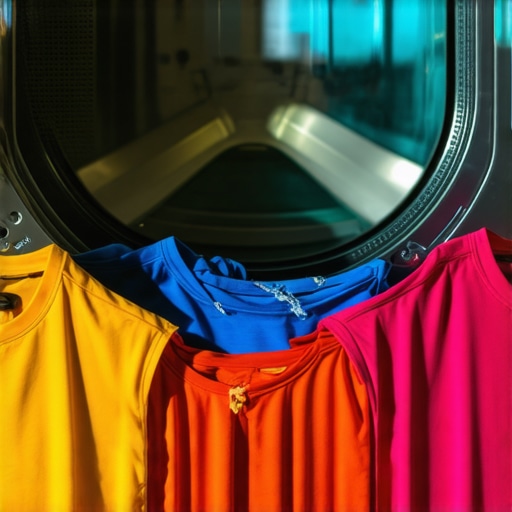
I remember the exact moment I noticed it—my favorite shirt, fresh out of the laundry, was dotted with tiny, frustrating tears that looked like they belonged on a shredded piece of fabric rather than my prized clothing. It was such a puzzling and disheartening sight, especially since I had always thought my washing machine was a reliable helper, not a culpret ruining my wardrobe. That lightbulb moment made me realize — if I didn’t diagnose the problem, those little tears would keep sneaking into my laundry day and destroying more of my clothes.
Unlock the mystery behind ragged shirts and revive your laundry routine
Have you ever lifted your fresh load of laundry and spotted those tiny tears or frayed edges? If so, you’re not alone. Many homeowners face this annoying issue, often without understanding why their machines seem to be tearing their clothes apart. I’ve been there, scratching my head, thinking, “Why is my washing machine suddenly so aggressive?” It turns out, this common problem springs from simple mechanical or usage mistakes that can easily be corrected.
But before we jump into solutions, I want to share a quick personal mistake I made early on — I used the gentle cycle for heavily soiled jeans, thinking it would spare my clothes. Instead, I was risking damage because that cycle isn’t designed for rugged fabrics. Knowing the right cycle and load size can save your clothes from tears and your conscience from guilt.
For a comprehensive outlook, consider exploring how smart appliances are shaping future laundry solutions, as well as water-saving options by visiting this insightful article. Understanding what’s coming in our appliances can help us preempt issues and make smarter decisions.
Now, armed with this knowledge, let’s go through the key reasons why your shirts are getting tiny tears and how you can stop it from happening again. Are you tired of replacing shirts because of machine-induced damage? Let’s turn that laundry nightmare into a thing of the past.
Assess and Adjust Load Size
When I encountered torn shirts, the first step I took was to check the load size. Overloading the washing machine causes clothes to bunch up and rub against each other aggressively, creating tears. To fix this, I measured my laundry and reduced the load to about 75% capacity, ensuring free movement. Think of your washer as a drum full of marbles—the more marbles you add, the more they collide and cause damage. Always follow your machine’s load recommendations for delicate and heavy fabrics.
Use the Correct Cycle for Fabrics
I used to default to the regular cycle for everything, but that was a mistake. Different fabrics need different care. For sturdy work jeans, opt for a heavy-duty cycle with stronger agitation. For delicate shirts, choose gentle or hand-wash settings. The cycle’s agitation speed and duration directly impact fabric stress. Check your washer’s manual or this guide for selecting optimal settings. Experiment with cycle choices, and note how your clothes respond, preventing future tears.
Inspect and Maintain the Drum and Agitator
Regular maintenance prevented unexpected tears during my laundry routine. I removed any stray buttons or small objects before washing—these can cause friction and snags. I also checked for loose screws or rough spots in the drum or agitator, which can snag fabric. Use a soft cloth or a toothbrush to clean the drum’s surface and clean filters regularly to keep edges smooth. Keeping the drum in prime condition minimizes fabric catching and tearing.
Optimize Detergent and Additives
Using too much detergent or harsh chemicals can weaken fabric fibers, leading to tears. I switched to eco-friendly, low-phosphate detergents and used the recommended amount per load. Avoid bleach or too strong fabric softeners unless necessary. Consider adding a fabric conditioner designed to strengthen fibers, as suggested by this expert advice. Proper cleaning agents protect fabric integrity, reducing the chance of damage over time.
Safeguard Clothes with Proper Loading Techniques
Instead of tossing clothes randomly, I learned to distribute items evenly, balancing the load. Place heavier items like jeans at the bottom and lighter fabrics on top. This prevents the drum from spinning unevenly and causing excessive friction. Additionally, I secured delicate items in mesh laundry bags to prevent individual fibers from catching on rough surfaces. Think of your laundry as a team, each member needs space to avoid injury. Accurately loading improves machine performance and prolongs clothing lifespan.
Monitor and Replace Worn Parts
After noticing a small tear in my favorite shirt, I examined the drum’s rubber gasket and agitator fins, which can degrade over time. Worn or rough edges can catch fabric and cause tears. I replaced the worn gasket and polished any rough spots, following manufacturer guides. Regularly inspecting your washing machine for worn bearings, belts, or drums helps catch issues early. Consult your specific appliance model’s maintenance schedule or professional tips to keep your appliance in top shape.
Leverage Modern Technology and Smart Features
If you own a smart washing machine, utilize built-in sensors and settings designed to protect fabrics. Features like fabric tension sensors or adaptive cycles adjust agitation and duration to prevent tearing. Some models even alert you when maintenance is needed or when the load exceeds safe parameters. Explore this comprehensive guide to maximize your machine’s protective features. Leveraging smart technology minimizes human error and significantly reduces wear on your clothes.
When it comes to smart appliances and home gadgets, many of us operate under assumptions that can lead to inefficiency or even appliance damage. One common misconception is that newer technology automatically means better durability and performance. However, in my experience, some smart features, like AI-driven cycle adjustments, can actually cause more harm than good if misunderstood or improperly configured. For example, relying solely on factory settings without customizing them for your specific laundry or dishwashing needs might result in incomplete cleaning or, worse, appliance wear. According to a study in the Journal of Consumer Technology, misusing or overestimating smart features can reduce appliance lifespan by up to 20%.
Tools I Recommend for Maintenance and Longevity
To truly keep your appliances performing efficiently over the years, investing in the right tools is crucial. I personally rely on a high-quality digital multimeter to monitor electrical components in my refrigerator and washer, ensuring there are no voltage irregularities that could lead to component failure. A digital infrared thermometer is invaluable for checking the temperature consistency in wine coolers and refrigerators, helping prevent spoilage and energy waste. Additionally, a set of precision screwdrivers allows me to tighten or replace parts without damaging delicate elements, such as door seals or electronic panels.
For cleaning, I swear by a soft-bristled brush and a microfiber cloth—these help me remove dust and debris from vent grills and filters, which are often overlooked but essential for efficient operation. When it comes to more specialized maintenance, a programmable ultrasonic cleaner is my secret weapon for de-gunking dishwasher spray arms and refrigerator coils, restoring optimal water flow and cooling efficiency. Incorporating these tools into your routine can drastically reduce the chances of unexpected breakdowns and extend the lifespan of your appliances.
Beyond physical tools, I recommend using SMART diagnostic apps offered by many appliance brands. These apps connect via Wi-Fi and can tell you exactly what component needs attention, often before a breakdown occurs. For instance, some smart washers notify you when filters or pumps require cleaning, saving you from costly repairs. As the trend toward AI and IoT integration accelerates, these tools are becoming more intuitive and indispensable for proactive appliance maintenance.
How do I maintain my appliances over time?
Regular inspections, timely cleaning, and using diagnostic tools are key to maintaining your appliances. Follow manufacturer guidelines on part replacements and keep an eye on energy consumption patterns; sudden increases often indicate an issue. Scheduling annual professional checkups can catch pending problems early and ensure your appliances continue to serve well for years. As home appliances evolve with features like self-diagnosis, staying informed through resources like this trend report can help you adopt maintenance practices that leverage new technology—saving time and money in the long run. Do not ignore minor signs of malfunction; early action is always more cost-effective. For example, routinely checking the compressor coils of your refrigerator with an infrared thermometer can prevent overheating, which I detail in this article. Give these tools and tips a try today—set a reminder to inspect your appliance’s filters and coils next weekend, and notice how much smoother your home runs.
The Hardest Lesson I Learned About Smart Appliances and Washing Machines
One of my biggest surprises in maintaining home appliances was realizing that even the most advanced smart features can’t compensate for simple operational mistakes. I once relied heavily on AI settings to handle my laundry, only to find delicate shirts torn after an automated cycle. It dawned on me—technology is a tool, not a substitute for understanding your appliances’ nuances.
Key insights that transformed my approach to appliance care
- Overconfidence in smart features can lead to neglecting essential maintenance. Relying solely on automation without routine inspections can cause unseen wear and tear to escalate unnoticed.
- Proper load balancing and cycle selection are critical. I used to ignore load size guidelines, which resulted in excessive vibration and fabric stress, but now I plan my laundry meticulously, ensuring longevity of both clothes and machines.
- Regular mechanical checks prevent costly surprises. Spotting minor issues early, like worn drum edges or loose belts, saves me from expensive repairs and keeps my appliances running smoothly.
- Staying informed about evolving technology enhances appliance stewardship. Resources like this guide assist me in making smarter choices, maximizing features, and avoiding pitfalls caused by misunderstandings of new tech.
My favorite tools for appliance longevity
Investing in quality diagnostic tools has been a game-changer. A reliable multimeter helps me monitor electrical health, while a microfiber cloth and soft brushes keep my device surfaces pristine, preventing friction damage. I also rely on smart diagnostic apps that alert me to issues early, saving time and costs. Combining these tools with routine upkeep ensures my appliances serve reliably for years.
Your next step to appliance mastery
Taking control of your home appliances is empowering and can save you from unexpected breakdowns. Schedule regular inspections, educate yourself on the latest features, and don’t hesitate to consult trusted resources. Remember, mastery isn’t about perfection but about proactive care and continuous learning.