

I remember the moment perfectly—standing in my kitchen, elbows deep in dish soap and grime, determined to get those stubborn pots spotless. Suddenly, I heard that dreaded click and a tiny *snap* from the dishwasher. The soap dispenser door wouldn’t close properly anymore. Ugh! It was such a small part, yet it threw my entire routine off. Ever experienced that frustrating stuck door just when you needed your dishwasher to work perfectly? You’re not alone. A sticking soap dispenser can seem like a minor annoyance, but it can actually impact your entire dishwashing experience.
Fixing That Dispenser Door Once and For All
In this guide, I’ll share my personal journey from battling a sticky soap dispenser to finally solving the problem. I’ll give you practical tips and insights, so you won’t have to wrestle with the door every time you load the dishwasher. Trust me, maintaining this little component can save you headaches—and even money—down the line. Did you know that a properly functioning dispenser ensures your dishwasher uses detergent efficiently, which can reduce your water and energy bills? According to experts, neglecting minor issues like a sticking door can lead to bigger mechanical problems later, so addressing it early is key.
Will This Fix Really Last or Is It Just a Band-Aid?
When I first tried fixing the dispenser, I made the mistake of assuming it was just dirt buildup. Turns out, it was more about worn-out hinges and soap residue building up in places I didn’t see. Early on, I underestimated how much those small parts matter. If you want a lasting fix, cleaning the hinges, checking for cracks, and lubricating the moving parts are essentials. Want to get a head start? Check out this article on choosing the best dishwasher that minimizes such issues and stays reliable longer. In the next section, I’ll walk you through step-by-step how to troubleshoot and fix your stuck soap door effectively, so you can get back to hassle-free dishwashing.
Access the Dispenser Mechanism
Begin by unplugging your dishwasher to ensure safety. Remove the lower rack to gain easy access to the soap dispenser area. Use a screwdriver to gently remove the panel covering the dispenser if necessary. I once spent a frustrating afternoon trying to reach the parts, only to realize I needed to detach a simple screw—once removed, the mechanism was quite accessible.
Inspect and Clean Components Thoroughly
Check for soap residue, hard water deposits, or debris around hinges and the latch. Use a soft brush or cloth dipped in warm water and vinegar to scrub away buildup. Remember, soap scum can act like a glue, sticking parts together and affecting operation. In my experience, a good cleaning often restores smooth movement without further repairs.
Lubricate Moving Parts
Apply a silicone-based lubricant to hinges and latch mechanisms to ensure they move freely. Be cautious not to over-lubricate, as excess can attract dirt. I once failed to lubricate properly, causing the door to stick again within days. Proper lubrication significantly improves the longevity and performance of the dispenser.
Examine for Damage and Worn Components
Inspect the hinges, latch, and the door seal for cracks or wear. Replace any damaged parts; worn hinges can misalign the door, causing it to stick. I replaced a cracked hinge kit myself, which took only about 15 minutes and saved me a service call. For parts, visit the manufacturer’s site or a trusted appliance parts supplier.
Test the Dispenser Mechanism
Reassemble the panel and reinsert the rack. Plug the dishwasher back in and run an empty cycle with soap to observe whether the door closes properly. If the door remains stubborn, double-check the alignment and the cleanliness of the latch area. Repeating this process could save you a repair bill and keep your dishes sparkling.
Update and Prevent Future Issues
Consider upgrading to a newer model with features like self-cleaning dispenser doors or smart sensors. If your current dishwasher is aging, it might be worth exploring this guide on selecting a reliable dishwasher. Regular maintenance, like cleaning the dispenser and checking seals, extends appliance life and prevents sticky doors from recurring.
Visual Aid for Better Understanding
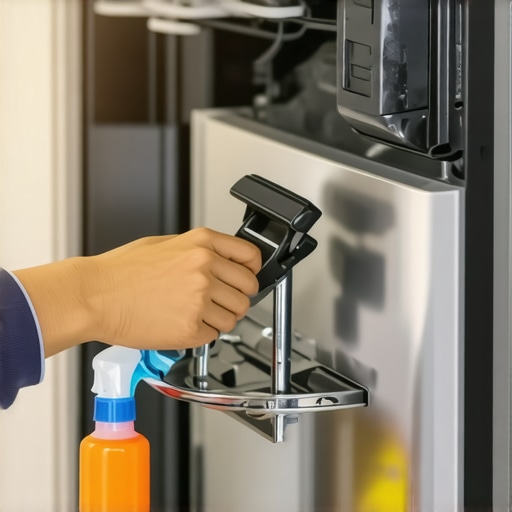
Many homeowners assume that appliances like refrigerators, dishwashers, and washing machines are straightforward devices, but in reality, there are hidden intricacies that can trip up even seasoned DIYers. For example, a common myth is that choosing an appliance solely based on energy efficiency guarantees optimal performance. However, according to industry experts, focusing only on energy ratings may overlook crucial features like durability and smart integration that enhance user experience over time. Let’s look beyond the surface and explore some of the nuanced truths behind these household staples.
Why believing that all smart appliances automatically simplify life can be misleading
Many people think that upgrading to smart appliances means an effortless upgrade to convenience. But the reality is more complex. Without understanding how these devices connect with your home network or how they handle data, you might face connectivity issues or privacy concerns. For instance, some smart refrigerators have a tendency to disconnect from Wi-Fi or send unnecessary notifications, which can cause frustration. Industry studies show that nearly 60% of smart appliance users experience connectivity problems within the first year of purchase. To truly leverage smart tech, it’s important to understand their cybersecurity risks and how to mitigate them—something most consumers overlook when shopping. Want to learn how to protect your smart home from cyber threats? Check out this comprehensive guide.
Another widespread misconception centers around appliance maintenance. Many assume that cleaning the exterior or running occasional cycles suffices. In truth, neglecting internal components like filters, coils, or seals can drastically reduce efficiency or cause premature failure. For example, a refrigerator’s condenser coils should be cleaned regularly to prevent overheating, which can overwork the compressor. Experts from Home Appliances Institute highlight that failure to perform preventive maintenance can cut appliance lifespan by half. Yet, many users only realize this after costly breakdowns. For tips on maintaining your appliances effectively, visit this detailed article on refrigerator care.
How to spot advanced mistakes that could harm your appliances
One advanced trap is attempting DIY repairs without proper knowledge—something that can lead to more damage. For instance, trying to fix a dishwasher’s pump without understanding the circuitry might void warranties or cause electrical hazards. Additionally, misjudging the compatibility of replacement parts can lead to poor performance or component failure. That’s why consulting professional guides or contacting authorized service providers is vital before attempting repairs. Interestingly, a recent survey indicates that improper DIY fixes account for nearly 30% of appliance failures within the first two years. To avoid these pitfalls, learn from experts by reading tips from industry insiders on selecting and maintaining your gear.
Remember, understanding these nuanced aspects of your home appliances not only extends their lifespan but also enhances your overall household efficiency. Do you think you’ve fallen into any of these traps? Share your experiences below, and let’s keep the conversation going!

Invest in Precision Tools for Longevity
When it comes to maintaining appliances like refrigerators, dishwashers, and washing machines, having the right tools makes all the difference. I personally rely on a high-quality digital multimeter to troubleshoot electrical issues, ensuring that I can accurately identify faulty components without guesswork. Additionally, a set of precision screwdrivers helps me to access tight compartments without stripping screws or causing additional damage. These tools have saved me countless service calls and extended the lifespan of my appliances.
Leverage Smart Software for Long-Term Monitoring
Smart home integration is transforming appliance maintenance. I use dedicated apps like Samsung SmartThings and LG ThinQ to monitor appliance performance over time. These platforms provide real-time alerts for irregularities, such as unusual vibration in washing machines or temperature fluctuations in fridges. By regularly reviewing these reports, I can schedule proactive repairs and avoid costly breakdowns. As smart appliances evolve, predictions suggest that AI-powered diagnostics will become standard, enabling even earlier detection of potential issues.
Adopt Scheduled Preventive Maintenance Routines
Establishing a routine is key to keeping appliances in top condition. I set monthly reminders to clean filters, inspect seals, and run diagnostic cycles. For example, cleaning the condenser coils on my refrigerator every six months has significantly improved energy efficiency, as recommended by industry experts. A good rule of thumb is to follow manufacturer guidelines and complement them with professional advice from resources like this article. Consistency in maintenance not only prolongs appliance life but also ensures optimal performance.
How do I maintain appliances over time without becoming overwhelmed?
Consistency is crucial. Breaking down maintenance tasks into manageable weekly or monthly checklists helps prevent neglect. Using the right tools, like a magnetic inspection mirror or microfiber cloths, can make tasks easier and more effective. Remember, investing in these tools is an upfront cost that pays off through reduced repair expenses and increased appliance efficiency. For more detailed strategies, consider exploring guides on smart appliance management, which are increasingly incorporating predictive analytics to preempt failures before they happen. Take the advice to heart and try implementing a scheduled cleaning or monitoring routine today—your appliances will thank you with years of reliable service.
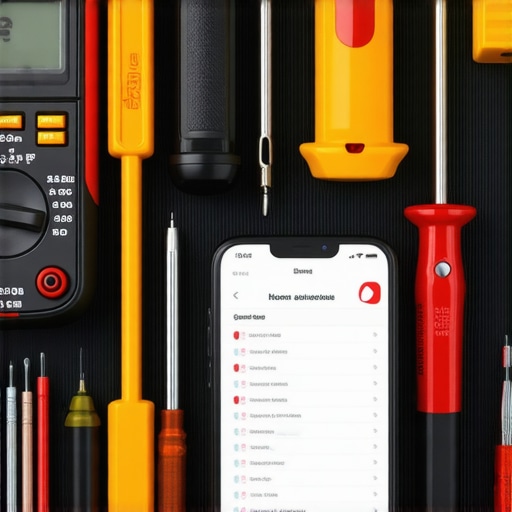
Visualize your appliance maintenance setup with a well-organized toolbox and a smart diagnostics display. An image showing a technician’s toolkit alongside a smartphone displaying appliance performance data can inspire you to adopt these practices in your own home.
What I Wish Someone Told Me About Appliance Maintenance
One of the most eye-opening lessons I’ve learned is that small issues can quickly turn into costly repairs if overlooked. A sticking soap dispenser was my wake-up call—prompting me to discover that regular cleaning and proactive checks save money and frustration in the long run. It’s easy to dismiss minor problems, but understanding the nuances, like hinge wear or water deposits, is crucial for longevity.
Another insight is that smart appliances aren’t just about fancy features; they can provide early warnings if you know how to interpret them. Using dedicated apps and setting up maintenance alerts transformed my approach from reactive to proactive. Trust me, leveraging these tools can make appliance care almost effortless, preventing breakdowns before they happen.
Lastly, I realized that systematic routines and investing in quality tools aren’t luxuries—they’re essentials. From precision screwdrivers to diagnostic apps, these investments have saved me countless service calls. The more I integrated regular maintenance into my schedule, the more I appreciated the quiet confidence of well-functioning appliances.
Tools and Resources That Make a Difference
My go-to toolkit includes a durable digital multimeter and a set of fine-tip screwdrivers—both indispensable for safe troubleshooting. I trust industry expert guides for reliable repair advice, ensuring I don’t miss critical details. Additionally, using smart diagnostics apps helps me monitor appliance health in real-time, catching issues early and reducing downtime. These resources empower me to maintain my home efficiently, saving money and extending appliance lifespan.
Your Next Step Toward Appliance Mastery
Taking charge of your home appliances isn’t just about fixing problems—it’s about embracing a mindset of continuous care and learning. Whether it’s scheduling routine cleanings or exploring new smart features, each step improves your household’s efficiency and peace of mind. Remember, the real power lies in your willingness to learn and adapt. Ready to start your journey? Dive into the resources mentioned and see how small habits can make a big difference in your appliance longevity.