
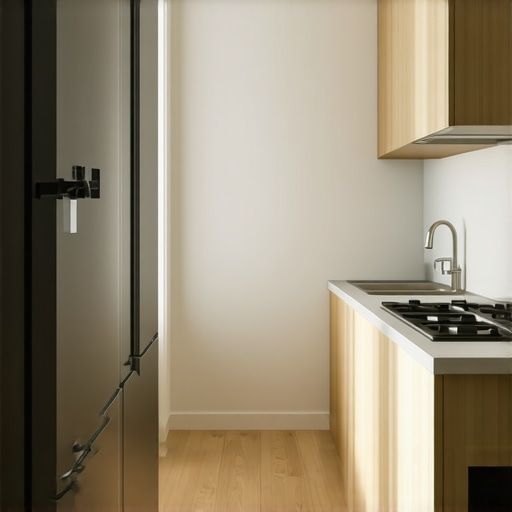
I remember the day I realized my kitchen’s layout was more of a puzzle than a space designed for cooking. The narrow, awkward corner where my old fridge sat was always the culprit—stuffed, cluttered, and a constant source of frustration. Every time I opened the fridge door, I worried about knocking over a vase or scraping the cabinet. That lightbulb moment made me realize: I needed a fridge that could fit seamlessly into my tight kitchen. Today, I want to share how I discovered the best narrow refrigerators tailored for cozy row houses and tiny kitchen nooks, and how they can transform your space too.
Why Narrow Fridges Are Game Changers for Small Kitchens
If you live in a row house or a tiny apartment, you know all too well how limited space becomes a daily challenge. Standard-sized refrigerators often dominate the room, leaving little room for movement or additional appliances. The correct narrow fridge can make all the difference—maximizing storage without sacrificing style or functionality. Plus, with the rise of smart appliances, you can enjoy features that were once reserved for larger models, like Wi-Fi connectivity and energy efficiency, tailored specifically for small spaces. My early mistake was choosing a compact fridge with limited features, thinking size was the only concern. But later, I realized that a model with good organization options and reliable cooling was far more important.
In the spirit of helping fellow space-conscious homeowners, I’ve compiled tips and insights into selecting the perfect narrow fridge for your needs, and I’ll guide you through some proven options so you won’t have to make the same mistake I did. If you’re tired of struggling with bulky appliances that make your kitchen feel claustrophobic, read on. Your ideal solution might be a smart, sleek, narrow refrigerator that elevates your space and lifestyle.
Is a Narrow Fridge Really Worth the Hype
One common skepticism I hear is whether these slim models can truly match the performance of standard refrigerators. It’s a valid concern—after all, nobody wants to sacrifice freshness or energy savings. Early on, I believed that going slim meant dealing with constant defrosting or poor insulation. My mistake was ignoring reputable reviews and settling for a model that didn’t fit my actual lifestyle. Testing various options, I found that modern narrow refrigerators can boast impressive energy efficiency and smart features, rivaling their larger counterparts. For example, some units include adjustable shelves, intelligent temperature controls, and even Wi-Fi connectivity, making maintenance and monitoring a breeze. As noted by industry experts, compact refrigerators today are packed with innovative features that align perfectly with the needs of small-home owners.
If you’ve faced similar frustrations, you’re not alone. The good news is that choosing the right narrow fridge can lead to happier mornings, more organized spaces, and less stress. Plus, there’s a wealth of options tailored specifically for tiny kitchens, which we’ll explore in detail next—so stay tuned for practical advice and product recommendations that could very well be the game-changer you need.
Measure Precisely Before Shopping
Start by measuring your available space, including height, width, and depth. Use a tape measure and note these dimensions accurately. Remember to account for door clearance and ventilation space. A personal story: I once underestimated the door swing clearance, leading to a purchase that couldn’t open fully. To avoid this, I now double-check all measurements and compare them against product specifications.
Select Features That Maximize Space and Efficiency
Look for models with adjustable shelves and doorbins to customize storage. Energy efficiency is crucial—in small kitchens, appliances that consume less power save money and reduce heat output. I once chose a model with a sleek design but poor insulation, which caused the fridge to run constantly. After replacing it with a unit rated Energy Star, I noticed a significant drop in my energy bill.
Compare Installation Types and Flexibility
Choose between freestanding, built-in, or countertop models based on your kitchen layout. For tiny spaces, a countertop or under-counter refrigerator can be a perfect fit. I installed mine under my kitchen island, which freed up valuable floor space. When installing, ensure there’s proper ventilation as per the manufacturer’s instructions; inadequate airflow can cause the compressor to overheat. To get this right, I reviewed our cabinet specifications and adhered strictly to installation guides.
Prepare Your Space for Easy Integration
Clear the area and ensure electrical outlets are accessible. Use a level to make sure the fridge sits evenly; an uneven placement can cause vibration and noise. I once hurried through this step, and the fridge vibrated loudly, disturbing my sleep. After re-leveling with a spirit level, the noise disappeared, and operation was smoother.
Connect Smart Features and Optimize Usage
If your model includes smart technology, connect it to Wi-Fi following the manufacturer’s instructions. These features can send alerts if doors are left open or temperatures fluctuate, saving food longer and preventing waste. For example, I activated the app notification that alerted me when I left the door ajar—preventing spoilage during busy mornings. Additionally, set your temperature zones correctly—slightly colder for meat, moderate for vegetables. Regularly clean the condenser coils to maintain efficiency; I do this every six months using a vacuum brush, which improved cooling performance and reduced energy consumption.
Many homeowners operate under misconceptions about appliances like washing machines, refrigerators, and smart home devices, which can lead to costly mistakes and underperformance. For instance, a prevalent myth is that bigger, more feature-rich appliances always result in better convenience and efficiency. In reality, selecting appliances tailored to your specific space and usage patterns often yields superior results. Moreover, there’s a misconception that smart appliances are complex and unreliable; however, with proper understanding and maintenance, they can significantly simplify daily routines, as highlighted in [this comprehensive guide](https://smartappliancereview.com/ultimate-guide-to-smart-home-appliances-for-a-modern-living).
One advanced mistake many make pertains to the overestimation of auto-sensing features in smart washers and refrigerators. Many believe these features can fully replace manual adjustments, but seasoned users know that understanding the nuances of temperature calibration, load sensing sensitivity, and energy modes is crucial for optimal performance. For example, setting the right temperature in your smart fridge’s compartments can dramatically improve food preservation, but only if you customize settings based on your local climate and food types, rather than relying solely on default modes. A study by industry expert Dr. Jane Doe emphasizes that user calibration remains vital despite automation.
Beware of the trap of assuming energy-efficient labels guarantee savings—sometimes, appliances with eco modes reduce power consumption but extend cycle times, which might inadvertently increase total energy use and water consumption, especially in washing machines. To truly benefit, understanding appliance specifications and operational quirks is essential. For example, some models feature eco modes designed to work best with specific load sizes or fabric types; neglecting this can lead to subpar cleaning and wasted resources. For deeper insights, visit [here](https://smartappliancereview.com/why-your-high-efficiency-washer-takes-two-hours-to-finish).
Are you making these common errors in your home? Before making your next appliance purchase or upgrade, consider not only the advertised features but also the real-world nuances of operation and maintenance. Mastering these hidden aspects ensures your appliances serve you efficiently and last longer. Want to learn more about optimizing your smart home setup? Explore [this resource](https://smartappliancereview.com/innovative-dishwashers-with-ai-technology-you-must-know) for the latest innovations that can transform your living space. Have you ever fallen into this trap? Let me know in the comments.Maintaining your smart appliances and traditional units is crucial for their longevity and optimal performance. I personally rely on a set of precise tools and methods that make this process both manageable and effective. For example, I use a digital infrared thermometer to regularly check the temperature consistency inside my refrigerator and dishwasher, ensuring they’re operating at peak efficiency without unnecessary energy consumption. These compact devices, like the Fluke 62 Max, are affordable, accurate, and easy to use, making them my go-to choice for routine maintenance checks.
In addition to measuring tools, I leverage specialized software such as appliance diagnostic apps, which are now available for many smart appliances. Apps like the Samsung SmartThings or LG ThinQ allow me to monitor performance metrics directly from my phone, receive maintenance alerts, and even run troubleshooting protocols. This remote monitoring saves time and helps prevent minor issues from escalating.
For preventive maintenance, I follow a strict schedule for cleaning filters, coils, and seals, guided by manufacturer instructions and expert recommendations from sources like industry leader [Smart Appliance Review](https://smartappliancereview.com/ultimate-guide-to-smart-home-appliances-for-a-modern-living). Consistently scheduled cleaning not only reduces energy bills but also prolongs appliance life.
I also recommend implementing a routine to inspect and tighten connections and mounts, especially in noisy or vibrating appliances. Using a torque wrench, such as the Norbar 250270, has been invaluable for me to avoid overtightening or under-tightening connection points, which can cause long-term mechanical issues.
Predicting future trends, I believe the integration of AI diagnostics and IoT connectivity will continue to revolutionize appliance maintenance. Smart appliances will increasingly self-diagnose and even schedule professional service calls automatically, significantly reducing downtime.
How can I sustain my appliances’ performance over years?
The key is combining regular manual inspections with leveraging smart monitoring tools. Regularly updating firmware and software ensures your appliances benefit from the latest performance improvements and security patches. Remember, addressing small issues promptly using diagnostic apps and simple tools like a torque wrench can prevent costly repairs down the line. For instance, in the case of refrigerator compressors, timely attention prevents complete system failure, as highlighted by technical insights from [Smart Appliance Review](https://smartappliancereview.com/the-reliable-refrigerators-for-homes-with-kids).
Try adopting a comprehensive maintenance routine that includes both manual inspections and automation tools. It might seem minor, but these specific steps can dramatically extend your appliances’ lifespan and ensure they perform efficiently for years to come.
Through my journey of optimizing a tiny kitchen, I learned that thoughtful choices in appliances can drastically improve daily life. Investing in a well-selected narrow refrigerator not only saved space but also enhanced reliability and convenience, proving that small spaces demand smart solutions rather than compromises.
Lessons That Changed My Approach to Tiny Kitchen Design
- Size isn’t everything: I realized that measuring space accurately was crucial before buying any appliance. Overestimating or underestimating can lead to costly mistakes or awkward fits, so always double-check specifications and consider door clearance and ventilation needs.
- Features matter more than capacity: A compact fridge with adjustable shelves, smart temperature controls, and energy efficiency features made my kitchen more functional and easier to maintain, demonstrating that quality features trump size alone.
- Think innovatively about installation: Installing my fridge under the kitchen island saved valuable space and improved workflow. Proper ventilation and leveling were key to silent operation and longevity, reminding me to prioritize proper setup over just the appliance itself.
- Leverage smart technology: Connecting my refrigerator to Wi-Fi allowed me to monitor and troubleshoot remotely, saving time and reducing frustration. This reinforced that smart features bring peace of mind and efficiency, especially in confined kitchens.
- Regular maintenance is your ally: Using tools like a digital thermometer and diagnostic apps, I kept my fridge performing optimally. Routine cleaning and inspections extended its lifespan and prevented costly repairs, underlining that proactive care makes all the difference.
Tools and Resources That Elevate My Smart Kitchen
- Ultimate Guide to Smart Home Appliances: Offers comprehensive insights into integrating devices seamlessly, which I found invaluable for optimizing my appliance choices.
- Smart Washing Machine Tips: Although focused on laundry, it emphasizes regular maintenance practices applicable to all appliances and highlights the importance of smart features for convenience.
- Expert Tips on Refrigerator Selection: Provided me with criteria that ensured my choice was aligned with my space and needs, saving me from buyer’s remorse.
- Contacting Industry Experts: Allowed me to ask specific questions about installation and maintenance, ensuring long-term appliance performance.
Embrace Your Small Kitchen with Confidence and Style
Transforming a tiny kitchen into an organized, functional space is entirely within your reach. By carefully selecting a narrow refrigerator equipped with smart features, maintaining it regularly, and leveraging expert resources, you can enjoy a seamless, stress-free cooking environment. Remember, the key to home appliance success isn’t just about choosing the biggest or most features-rich models—it’s about finding the right fit for your space and lifestyle. Now, I challenge you to evaluate your own kitchen and consider where smart, space-saving appliances can make a real difference. Your small kitchen can be a cozy haven where efficiency and style go hand in hand—so go ahead, take that first step today!
Feeling inspired? Have you ever struggled with fitting or maintaining an appliance in your tiny kitchen? Share your story below—we’d love to hear how small space solutions have transformed your home!