
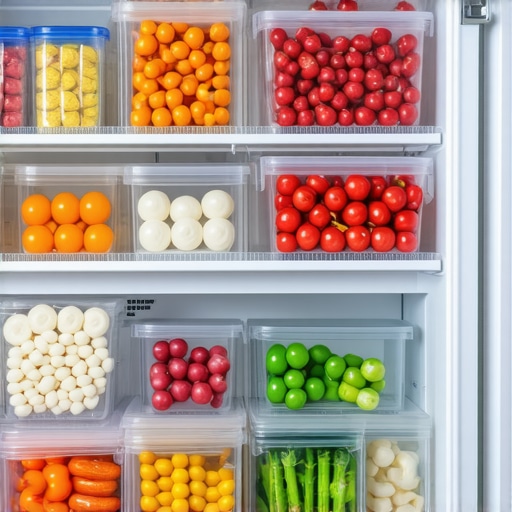
Ever opened your freezer and felt overwhelmed by the chaos? Maybe you’ve tried stacking containers high only to find things freeze together, or worse, you’ve forgotten about that bag of frozen berries buried at the back. Honestly, I used to face the same frustration. One day, I finally experienced a lightbulb moment when I realized that my disorganized freezer was not only wasting space but also making meal prep annoying and frequent trips to the store necessary. If you’ve ever felt that pang of guilt every time you shove yet another bag in and pray it doesn’t all topple over, you’re not alone.
Why Organizing Your Freezer Matters More Than You Think
Your freezer isn’t just a place to store ice cream or frozen peas; it’s a critical part of your kitchen that impacts your budget, meal planning, and even food safety. When everything is jumbled and chaotic, your items take longer to find, and the risk of forgetting about something old or expired increases. Plus, a well-organized freezer can extend the life of your food, save energy, and make cooking a breeze. Think about it—if you can quickly grab what you need without rummaging through piles, you’ll save time and reduce food waste. I’ve personally found that a streamlined freezer setup makes me more intentional about what I buy and keeps everything fresher longer.
Understanding the best way to organize your freezer isn’t just about neatness—it’s about efficiency and peace of mind. That said, I made one mistake early on that cost me hours of frustration: I stacked everything randomly and assumed everything would stay in place. Spoiler: it didn’t. Items fell, and I wasted precious time locating that elusive bag of popcorn or those pre-cooked chicken breasts. For a long time, I thought, “There must be a better way,” and after experimenting, I discovered simple yet effective tactics that anyone can adopt. Want to avoid the mess I created? Let’s dive into some practical tips that will help you master your freezer’s space and keep everything accessible and fresh.
Is Freezer Organization Overhyped? Don’t Let Skepticism Hold You Back
I get it—some might think, “It’s just a freezer,” and dismiss the idea of meticulously organizing it. But let me tell you, the benefits are real. Starting with a chaotic freezer can lead to food wastage and unnecessary expense. According to a recent study, improperly stored food can spoil up to 20% faster, which is a significant loss over time. Trust me, spending a little time on organization pays off in saved money and less stress. My early mistake was assuming that stacking and stuffing would suffice; instead, I found that specific strategies make all the difference. Curious to see how simple fixes can transform your freezer experience? Keep reading, because I’ll share my tried-and-true methods next.
Assign Clear Zones for Different Items
Start by designating specific areas within your freezer for categories like meats, vegetables, and leftovers. Use stackable clear containers to create compartments, which make it easier to locate items quickly. For example, I dedicated the top shelf to ready-to-eat meals, which saved me time during busy weekdays. This approach prevents chaos and keeps your freezer organized at all times.
Create Labeling Systems That Stick
Use waterproof labels or masking tape with a marker to identify the contents and date of each container. When I first tried this, I found that labels helped me track expiration dates and reduce waste. Consistent labeling allows you to see at a glance what’s available, just like how smart refrigerators can visually display inventory via apps, enhancing your overall kitchen efficiency.
Utilize Vertical Space with Smart Stacking
Stack similar-sized containers vertically, but avoid overstacking to prevent falling items. Think of it like stacking washing machine loads—balance is key. Once, I organized a messy pile of frozen berries and found I could fit more by stacking them upright using small risers. This method maximizes space without sacrificing accessibility, much like how modern dishwashers optimize rack configurations for better loading.
Implement Temperature Zones with Adjustable Settings
Leverage your freezer’s adjustable temperature controls to create optimal environments for different foods. For example, lower temperatures for meats prevent spoilage, while slightly higher zones for baked goods preserve texture. I experimented with setting the freezer to -18°C for most items, resulting in longer freshness. Modern smart appliances can even automate these settings based on your habits, making maintenance effortless. Check out how smart refrigerators now offer customizable zones to tailor temperature distribution for various food types.
Schedule Regular Maintenance to Preserve Efficiency
Set reminders to defrost, clean, and check seals periodically. A clean condenser coil improves efficiency, and I noticed my freezer ran quieter after a thorough wipe-down. Additionally, inspecting door seals prevents warm air from entering, saving energy and reducing frost buildup. Like how smart washing machines prompt you for maintenance, routine checks for your freezer prolong its lifespan and keep it running at peak performance.
Optimize Door Usage for Food Safety
Limit opening the door and plan your access to prevent temperature fluctuations. I kept frequently used items on the door or at the front to minimize cold air loss. This practice preserves food quality and energy efficiency. For smart appliances, consider models that alert you if the door is left open, adding an extra layer of protection against spoilage and waste.
Consider Smart Features for Future-Proofing
Invest in freezers with smart technology, such as inventory tracking and remote monitoring. I tested a smart freezer that sent alerts when supplies ran low, saving me multiple trips to the store. These features integrate seamlessly with home automation systems, offering convenience and peace of mind. For a comprehensive upgrade, explore the latest in refrigerator innovations—many now come with built-in cameras and inventory management apps, transforming the way you organize your kitchen.
Continuous improvement of your freezer setup ensures less clutter, reduced waste, and easier access. By applying these practical steps, you turn a chaotic space into an organized zone that supports your lifestyle and saves you time and money.
When it comes to smart appliances, many homeowners assume that newer features automatically translate to better performance. However, this isn’t always the case. A common misconception is that integrating multiple smart devices guarantees a seamless, efficient home. In reality, complexities arise, especially around privacy and security. For instance, a recent study highlights that many smart appliances collect extensive data, yet users often remain unaware of what’s being shared or how that information is protected. Understanding these nuances is crucial to making informed decisions, rather than being swayed by marketing hype.
Advanced mistakes often stem from overreliance on automation. For example, homeowners frequently set their smart refrigerators to optimal temperature and forget to check the cooling system regularly. This complacency can lead to unexpected breakdowns or food spoilage. Additionally, many assume that smart appliances are immune to cyber threats. However, hackers have exploited vulnerabilities in Wi-Fi-connected devices, sometimes gaining control over home networks. This highlights the necessity of choosing appliances with robust security protocols, like those reviewed in depth here.
Are smart appliances truly foolproof, or is there a hidden trap that could compromise your home?
As smart appliances become more interconnected, the risk of widespread network breaches increases. Experts recommend thoroughly understanding each device’s privacy policy and ensuring firmware is regularly updated. Manufacturers often release patches addressing vulnerabilities, but users need to stay proactive. When investing in smart tech, consider systems that offer end-to-end encryption and customizable privacy settings. For comprehensive insights on selecting secure appliances, see this guide.
Another nuance is the false sense of convenience. Many believe that smart washers and dryers will always optimize energy use or detergent consumption. However, improper setup—such as overloading machines or neglecting maintenance alerts—can negate these benefits. For example, excessive detergent use can damage clothes and the appliance itself. Homeowners should periodically clean filters and monitor usage patterns to prevent costly repairs. Want to dive deeper? Check out this article for smart laundry tips.
Lastly, the integration of smart appliances often assumes flawless connectivity. But Wi-Fi issues, software glitches, or power outages can disrupt automation sequences, leaving appliances unresponsive. A common mistake is neglecting backup plans, such as manual overrides or alternative settings. Being prepared ensures that your smart home remains functional regardless of technical hiccups. For instance, modern systems with local control options guard against internet outages. To understand how to safeguard your setup, visit this resource.
In summary, while smart appliances offer remarkable convenience, they come with layered complexities that often go unnoticed. Recognizing these nuances helps users avoid pitfalls, ensuring their investments truly enhance daily living. Have you ever fallen into this trap? Let me know in the comments, and share your experiences with smart appliance surprises!
,
How do I maintain my smart appliances over time?
Maintaining smart appliances requires a combination of proper tools, routine habits, and an understanding of their evolving features. I personally rely on a few key tools to ensure my devices operate efficiently over the years. First, a reliable digital multimeter helps me troubleshoot electrical issues, particularly with refrigerators and dishwashers. I use it to check continuity and voltage, ensuring that power supplies are stable without calling in professionals. For software updates, I set calendar reminders to check for firmware releases from the manufacturer, as keeping software current is vital for security and performance. I also utilize manufacturer-specific apps that offer remote diagnostics and alerts, which allow me to address issues proactively before they escalate. For example, my smart refrigerator’s app notifies me when the door seal is loose or when the temperature drifts outside optimal ranges.
When it comes to cleaning and physical maintenance, I use a soft microfiber cloth and a brush with a long handle to clean filters, condenser coils, and vents, preventing dust buildup that can impair efficiency. I prefer using manufacturer-approved cleaning agents to avoid damaging sensitive components. Regularly inspecting seals and gaskets is crucial; I check for cracks or leaks and replace them promptly to prevent energy loss or moisture issues. For instance, a small seal leak in my refrigerator was causing excess frost buildup, which I fixed with a replacement part I ordered from the manufacturer’s website.
Looking ahead, I believe this trend of integrating tools with AI and machine learning will make maintenance even smarter. Future appliances might self-diagnose issues, suggest repairs, or even order replacement parts automatically. As technology progresses, having a set of robust diagnostic tools and habits will be essential to keep your smart home running smoothly. According to industry forecasts, these trends will accelerate, making maintenance more intuitive than ever.
What about long-term results and scaling your setup?
To ensure longevity, I recommend investing in high-quality, durable tools and keeping system documentation handy. Over time, scaling your setup—adding more smart devices—becomes easier when you understand your tools and maintain your existing appliances properly. For instance, upgrading your smart refrigerator’s firmware at scheduled intervals can prevent compatibility issues with new devices, ensuring seamless integration. Furthermore, leveraging cloud-based management systems streamlines control across multiple appliances, which, according to experts, will be a standard feature by 2025 (see more).
Trying out one advanced tip—like regularly cleaning condenser coils using a dedicated brush and compressor vacuum—can significantly extend your appliance’s lifespan and improve energy efficiency. It’s a simple step with long-term payoffs. Ready to go a step further? Incorporate a smart diagnostics app that continuously monitors your appliances and alerts you to issues before they become costly repairs.
By combining these specific tools with proactive maintenance habits, you’ll maximize your appliances’ performance and prepare your smart home for future growth. Remember, the right approach today sets the foundation for a resilient, efficient smart home tomorrow. Need help choosing the best diagnostic tools or scheduling maintenance routines? Check out our contact page for expert advice and recommendations.
Lessons Only the Pros Can Share About Smart Appliances
- My biggest mistake was trusting that automation alone would keep my appliances running smoothly. I learned the hard way that manual checks and routine maintenance are irreplaceable in preventing costly breakdowns.
- Early on, I underestimated the importance of security updates. Now, I know that timely firmware updates aren’t just about new features—they’re about protecting your home from vulnerabilities.
- Don’t ignore seemingly small issues like strange noises or inconsistent temperatures. Addressing these early can extend the lifespan of your appliances and save you money in the long run.
Tools and Resources That Changed My Smart Home Game
- SmartThings App: This platform consolidates control over multiple devices, making diagnostics and adjustments straightforward—I’ve found it invaluable for seamless management.
- Leak and Sensor Monitors: Devices like smart water sensors alert me instantly to leaks or moisture issues, helping prevent water damage and mold buildup.
- Professional Cleaning Kits: Regularly cleaning condenser coils and filters with manufacturer-approved tools keeps appliances efficient and quiet—trust me, it’s worth the small effort.
- Industry Expert Blogs: Staying updated with sources like the Ultimate Guide to Smart Home Appliances helped me understand upcoming trends and best practices for maintenance and security.
Embrace the Power of Smart, but Stay Ready for Anything
Integrating smart appliances into your kitchen offers unparalleled convenience, efficiency, and peace of mind. However, true mastery comes from understanding their quirks, maintaining them proactively, and choosing quality tools and resources. Remember, your smart home is only as reliable as your commitment to keeping it well-tuned. Dive in confidently, knowing you’re equipped with insider wisdom to optimize your appliances and simplify your daily life.
What’s the most unexpected lesson you’ve learned from smart home technology? Share your story in the comments below!
,