
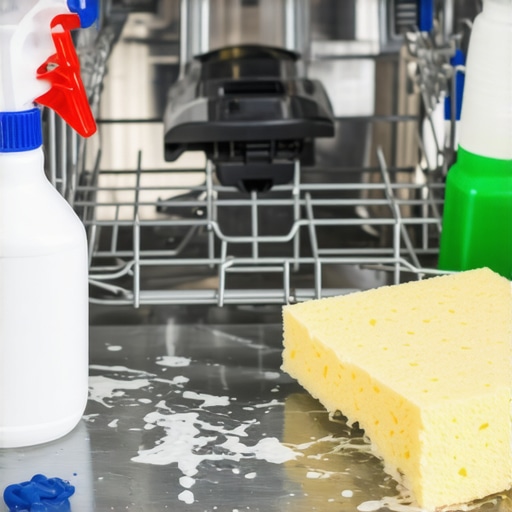
I remember the first time I opened my dishwasher after a few weeks of busy life — and was hit with a horrible musty smell. Turns out, lurking in the rubber seal was a buildup of gross grime that I hadn’t noticed or addressed. That lightbulb moment made me realize how overlooked one tiny part of our appliances can turn into a source of persistent problems.
Why Cleaning Your Dishwasher Seal Matters More Than You Think
Cleaning the rubber gasket on your dishwasher might seem like a minor task, but neglecting it can lead to more than just bad odors. Over time, grime, mold, and detergent residue accumulate around the seal, providing the perfect environment for bacteria and mold to flourish. Not only does this compromise the hygiene of your dishes, but it can also impact your family’s health, especially if anyone has allergies or respiratory issues.
Many homeowners overlook this step because it’s tucked away and seemingly insignificant, but I’ve learned that ignoring it can cause stubborn mold growth that resists regular cleaning. In fact, a study by the Environmental Working Group highlighted how moisture and residual build-up in household appliances foster unhealthy microbial environments — and your dishwasher is no exception.
So, what can we do about it? In this post, I’ll share my proven methods to remove gross grime from your dishwasher seal once and for all, saving you from unpleasant smells, potential health risks, and costly appliance repairs.
Will a Deep Clean Really Make a Difference?
Early on, I made a common mistake: I thought wiping the seal with a damp cloth was enough. Spoiler: it’s not. That simple mistake meant I kept battling mold that would reappear within days. Trust me, I learned the hard way that a thorough, targeted cleaning approach is essential to truly eliminate grime and keep your dishwasher fresh.
Remove and Inspect the Rubber Gasket
Start by opening your dishwasher door and carefully pulling back the rubber gasket around the door frame. Use your fingers or a plastic spatula to gently lift the edge. This is similar to peeling back a weather seal on a window to check for dirt. During my first attempt, I discovered mold lurking in the folds—that mess prompted me to do a thorough cleaning. Inspect the gasket for cracks, tears, or mold growth—those are signs you need to replace it, which is straightforward but critical for preventing leaks.
Prep Your Cleaning Supplies
Gather a soft cloth, an old toothbrush, white vinegar, baking soda, and a mild dish soap. Vinegar acts like a natural disinfectant and deodorizer, akin to how vinegar cleans mineral deposits from a kettle. The toothbrush allows you to reach into crevices, much like scrubbing grout tiles. Avoid harsh chemicals that can degrade the rubber over time. During my cleaning, I made a DIY brush from an old toothbrush to reach into the gasket’s nooks, which was messy but effective.
Clean with Vinegar and Baking Soda
Spray white vinegar directly onto the gasket, soaking it well. Let it sit for 10 minutes to break down grime and mold. Then, sprinkle baking soda along the rubber fold. The fizzing reaction does the heavy lifting, similar to how a drain cleaner works but gentler on the gasket. Use your toothbrush to scrub the entire gasket, focusing on the folds and textured areas. Rinse with a damp cloth. I found that this combination eliminated odors and loosened years of buildup, restoring the gasket’s flexibility.
Tackle Stubborn Mold and Residue
If mold persists, dampen a cloth with hydrogen peroxide or a mixture of water and mild dish soap. Wipe and scrub the stubborn spots vigorously. For deep cleaning, dip the toothbrush into the solution and work into textured areas. Think of it as unclogging the vents on a smart range—attention to detail makes all the difference. During my own cleaning, I spent extra time on the corners, which prevented future mold re-growth.
Seal It Back Properly
Once the gasket is spotless and dry, carefully press it back into place, ensuring it sits flush against the door frame. A properly sealed gasket is like a well-fitted door seal on a refrigerator—essential for efficiency. Check for any gaps or uneven areas. During my last cleaning, I noticed a slight misalignment that could cause leaks, so I adjusted it carefully. Regular maintenance saves money on repairs and keeps your dishwasher running smoothly.
Maintain Regular Hygiene Checks
Implement a routine: wipe the gasket monthly with vinegar solution and run an empty hot water cycle with dishwasher cleaner to prevent buildup. For an extra fresh smell, sprinkle baking soda inside the tub before a cycle. Just like with smart appliances, consistency ensures optimal performance. I now keep a cleaning schedule, which has helped me avoid foul odors and costly replacements, prolonging my dishwasher’s lifespan.
While many believe that purchasing high-tech appliances guarantees hassle-free performance, the truth is that a multitude of nuanced issues lurk beneath the surface. **One common misconception** is that appliances like dishwashers, washing machines, or refrigerators, once installed, require minimal maintenance, especially with smart features. However, this complacency often leads to overlooked problems that can compromise efficiency and lifespan. For example, many assume that cleaning the exterior or running a single cycle is enough, but I’ve found that neglecting internal components, such as filters, water lines, or sensors, can result in costly repairs and inefficiencies.
**A significant myth** is that all smart appliances are inherently foolproof and maintenance-free because they adjust settings automatically. In reality, these devices rely heavily on firmware updates, proper calibration, and sometimes, manual calibration to function optimally. Skipping firmware updates, thinking they’re unnecessary, can leave your appliance vulnerable to bugs or security flaws; a study by Gartner emphasizes that outdated firmware can increase failure rates and security risks in smart devices.
**Beware the trap** of over-relying on automation features. For instance, many users set their refrigerators or washing machines to auto modes and forget about routine checks. This can lead to issues like mold growth in humid environments, or sediment buildup in water lines, especially if filters are not replaced regularly. An overlooked detail like this can cause a decline in appliance performance, which is why I recommend scheduling regular inspections.
Are All Smart Features Worth the Extra Cost and Maintenance?
Many consumers believe that all smart features add significant convenience, but it’s worth assessing whether the added complexity increases the likelihood of issues—like connectivity problems or software glitches—that might necessitate professional intervention. For example, connecting your refrigerator to a home hub sounds futuristic, yet it introduces new failure points that, if misunderstood, could render your device temporarily useless. The key is understanding the **real benefits and potential pitfalls** of these features before investing. For instance, I advise checking reviews and expert advice on cybersecurity implications, as outlined in reviews like those on [Smart Appliance Review](https://smartappliancereview.com/).
**A common mistake** is ignoring the importance of proper installation—an often-overlooked nuance. Improper leveling, for example, can cause sensors inside washing machines to function incorrectly, leading to poor wash quality or leaks. Ensuring correct setup is more than just aesthetics; it impacts the appliance’s long-term health.
For those eager to stay ahead, exploring future trends in this field can be enlightening. For instance, the upcoming innovations in AI-powered dishwashers or refrigerators are designed to optimize energy use and lifespan, but only if users understand their nuances. Check out the [Future of Home Appliances](https://smartappliancereview.com/future-of-home-appliances-trends-to-watch-in-2025) for insights.
Have you ever fallen into this trap? Let me know in the comments. Remember, understanding these subtleties can drastically improve your appliance experience and save you money over time.Maintaining modern home appliances requires the right equipment and systematic approach. I personally rely on specialized cleaning tools like ultrasonic cleaners to dislodge stubborn mineral deposits in refrigerators and washing machines. These devices emit high-frequency sound waves that create tiny cavitation bubbles, effectively scrubbing hard-to-reach areas without damaging delicate components, as explained by appliance repair experts on [Smart Appliance Review](https://smartappliancereview.com/contact-us). Using such tools regularly prevents buildup that could impair performance or cause breakdowns.
Another essential approach involves employing diagnostic software compatible with most smart appliances. These programs provide real-time health checks, alerting me to potential issues before they escalate. For example, apps linked to my dishwasher notify me when filters need replacing or when sensors detect anomalies, saving time and costly repairs by addressing problems early. I recommend manufacturers’ proprietary apps or third-party solutions like SmartThings or Home Connect, which integrate appliances into a centralized home management system.
Long-term results hinge on adhering to a scheduled maintenance plan. I set monthly reminders to run deep-clean cycles, perform firmware updates, and inspect seals and water lines. For fridge seals, applying a silicone-based lubricant can restore flexibility, ensuring an airtight fit. Regularly updating appliance firmware not only enhances functionality but also patches security vulnerabilities, as Gartner emphasizes in their reports on IoT device management. These updates are crucial for preserving smart appliances’ security and performance, especially as cyber threats evolve.
Looking ahead, I predict that the integration of AI-driven predictive maintenance will revolutionize appliance care. Future devices will monitor their own condition, notify homeowners of upcoming service needs, and even order replacements automatically—reducing downtime and extending lifespan. Staying ahead means adopting current best practices now, like using ultrasonic cleaning tools and diagnostic apps.
**How do I maintain my appliances over time?** I recommend combining manual inspection routines with high-tech tools, such as ultrasonic cleaners and diagnostic software. For instance, investing in an ultrasonic cleaner for coil and seal maintenance can be game-changing. These tools not only improve appliance longevity but also optimize energy efficiency, saving money in the long run. Don’t hesitate to try out innovative solutions like this; they can make a substantial difference. If you’re interested, explore our [comprehensive guide to smart appliances](https://smartappliancereview.com/ultimate-guide-to-smart-home-appliances-for-a-modern-living) to make informed decisions on your setup efforts.
Lessons From My Dishwasher Debacle
One of the most eye-opening moments in my appliance journey was realizing that neglecting small components like the dishwasher gasket could lead to big problems. I used to think a quick wipe was enough, only to discover stubborn mold and odors that kept returning. The lightbulb moment came when I learned that detailed, periodic cleaning prevents microbial buildup and extends appliance life—an insight that transformed my routine.
Another lesson I learned the hard way was ignoring firmware updates on my smart appliances. These updates aren’t just for new features; they patch vulnerabilities and improve reliability. Skipping them, I found, could leave my devices vulnerable or glitchy, undermining my smart home goals. Regularly checking for updates has become a part of my maintenance ritual, ensuring my appliances stay secure and efficient.
My third revelation was the importance of proper installation and setup. A misaligned refrigerator door or uneven washing machine can cause performance issues down the line. Simple adjustments, like leveling a washer or sealing a fridge properly, can save money and frustration later. These nuances taught me that attentive setup is as crucial as ongoing cleaning, and that a proactive approach often prevents costly repairs.
Tools and Resources That Truly Make a Difference
To keep my appliances in top shape, I rely heavily on ultrasonic cleaners for coils and seals—they effectively remove buildup without damaging delicate parts. I’ve also found diagnostic apps invaluable; tools like the manufacturer’s proprietary software or trusted third-party platforms alert me to issues before they escalate. These resources empower me to handle minor repairs quickly, avoiding expensive service calls.
Additionally, I follow expert blogs and guides, particularly the Ultimate Guide to Smart Home Appliances. It offers up-to-date advice on maintaining a connected home, ensuring I stay ahead of emerging trends and potential vulnerabilities. Lastly, I consult reviews on innovations like AI-powered dishwashers, which help me choose tools that are both cutting-edge and reliable.
Your Next Step: Transform Routine Into Ritual
Maintaining your appliances isn’t just about fixing problems—it’s about creating a proactive routine that preserves efficiency, safety, and longevity. Consider scheduling monthly deep cleans, firmware checks, and inspections of seals and water lines. Small, consistent actions can prevent big headaches, saving you time and money while ensuring your home runs smoothly.
Remember, the secret lies in attention to detail and embracing new tools—like ultrasonic cleaners and diagnostic apps—that make maintenance easier and more effective. Investing time now keeps your appliances humming and your household stress-free. So, get started today—your future self will thank you.