
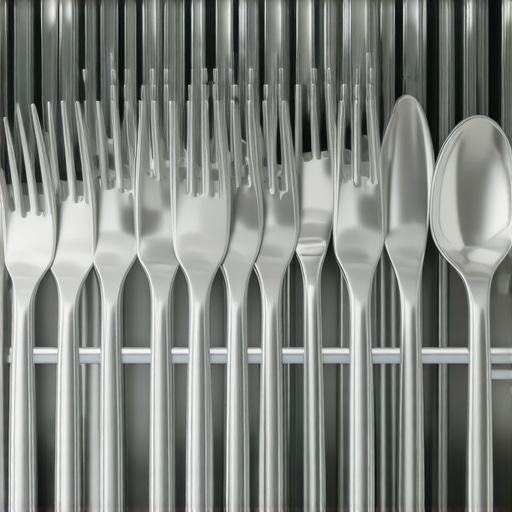
I remember the first time I noticed my silverware was covered in those stubborn water spots after a cycle. It was frustrating—like my cherished utensils were protesting for some attention. One minute, they gleamed like new, and the next, they looked dull and streaked. That lightbulb moment made me realize: I wasn’t alone in this battle.
If you’re tired of fighting with cloudy, spotted silverware after every dishwasher run, you’re in the right place. Today, we’re diving into simple, practical ways to keep your silver shining and spotless, without resorting to some fancy, hard-to-pronounce chemical. Trust me, I’ve been there, and with a few tweaks, I finally cracked the code.
Why Water Spots on Silverware Keep Coming Back and How to Stop Them
The main culprit behind water spots is mineral deposits left behind when the water evaporates from your dishes. Hard water, which contains high levels of minerals like calcium and magnesium, is often the villain here. When the cycle ends and dishes dry, these minerals crystallize, leaving behind those pesky spots.
Early on, I made a mistake by assuming that just rinsing my silverware better or using more detergent would solve the problem. Spoiler: it didn’t. Instead, I learned that the real fix involves addressing the water quality and adjusting my dishwashing habits. Additionally, using a water softener or adding a rinse aid can make a significant difference.
Are you facing the same issues with your silverware? If so, don’t worry—by the end of this post, you’ll have practical tips that actually work to restore that mirror shine. And if you’re curious about how modern appliances can help simplify this process, check out the latest [smart dishwashers with AI technology](https://smartappliancereview.com/innovative-dishwashers-with-ai-technology-you-must-know). Now, let’s explore how to tackle water spots head-on—starting with understanding your water hardness and how to combat it effectively.
Address Water Hardness Directly
Start by testing your water’s mineral levels with a water hardness test kit—these are affordable and readily available. If you discover high mineral content, consider installing a water softener, which acts like a sponge, removing calcium and magnesium before water reaches your dishwasher. I installed one last year, and the difference was immediate; my silverware now comes out spotless and gleaming, with no more manual polishing needed.
Use Rinse Aids Properly
Get into the habit of adding a high-quality rinse aid to your dishwasher. Think of it as a protective shield that causes water to bead up and roll off your dishes instantly. During my first week, I experimented with different brands and noticed that those with higher fluoropolymer content prevented mineral deposits from settling on my utensils. Be sure to fill the dispenser until it clicks and adjust the setting for maximum effectiveness depending on your water hardness.
Optimize Your Dishwasher Loading Technique
Loading your dishwasher correctly ensures water reaches every corner of your silverware. Place utensils with handles down for better water flow; avoid overcrowding to prevent water shielding. I once stuffed my silverware basket so tightly that water couldn’t reach the inner surfaces, leaving spots even after a cycle. After reorganizing, I saw a marked improvement. Think of your dishwasher as a traffic system—clear pathways mean cleaner dishes.
Adjust the Dishwasher’s Temperature and Cycle
Set your dishwasher to run at higher temperatures—around 140°F (60°C)—if your machine allows. Warm water dissolves mineral residues better and speeds evaporation, reducing spots. I switched to a longer, hotter cycle, and my silverware looked like it had been polished. Be cautious: check your utensils for heat-sensitive components before opting for hotter settings.
Regularly Clean and Maintain Your Appliances
Remove mineral buildup by running a citric acid cleaner through your dishwasher monthly. Think of this as giving your appliance a detox. I used a solution of citric acid crystals and hot water, which removed stubborn deposits inside the spray arms and filters. This maintenance profoundly impacts cleaning efficiency and prevents spot formation.
Supplement with Manual Polishing When Needed
For stubborn spots that resist these methods, a quick wipe with a microfiber cloth after drying can restore shine. I keep a soft cloth in my kitchen drawer and add olive oil to it; a quick wipe yields a mirror finish. This is a vital tip for special occasions when you want your silverware to look its absolute best.
Integrating these techniques not only enhances your silverware’s appearance but also prolongs their lifespan by preventing corrosion caused by mineral buildup. For a broader perspective on optimizing your entire kitchen, consider exploring the latest advancements in smart home appliances that can automate these routines. Regular appliance care and strategic adjustments will keep your silver shining effortlessly, turning daily chores into satisfying accomplishments.
While many homeowners believe they understand how to care for their appliances, several misconceptions persist that can actually hinder optimal performance. One widespread myth is that setting your dishwasher to the highest temperature always results in cleaner dishes. However, this can lead to faster wear and tear, and in some cases, damage delicate utensils. Experts recommend adjusting cycle temperatures based on load type, which extends appliance lifespan and ensures safety; in fact, studies suggest homogeneous temperature settings may not be ideal for all uses.
Are Smart Appliances Truly More Reliable and Secure Than Traditional Ones?
Many assume that smart home appliances automatically are more dependable or secure. The reality is nuanced; while smart tech can enhance convenience and efficiency—like remote diagnostics or adaptive cycles—security vulnerabilities have been documented, including potential hacking points. The key is understanding device firmware updates and privacy settings, as highlighted by the [Smart Appliances Revolution](https://smartappliancereview.com/smart-appliances-revolution-how-to-choose-the-best-dishwasher), which emphasizes proper maintenance and cautious integration into home networks. Overlooking these aspects can leave you exposed or facing unexpected malfunctions. Furthermore, some users focus solely on energy ratings, assuming that newer, energy-efficient models invariably save more power. Yet, usage patterns heavily influence actual savings; improperly loaded refrigerators or washing machines can negate efficiency gains. As detailed in the [Future of Home Appliances Trends](https://smartappliancereview.com/future-of-home-appliances-trends-to-watch-in-2025), routine maintenance and correct operation are equally important to realize energy savings. Beware of common pitfalls like assuming all high-tech features are necessary for your lifestyle. Not all homeowners benefit from advanced options, and in some cases, added complexity can lead to user errors or neglect. For example, integrating a smart refrigerator with your voice assistant is convenient, but failing to secure the device can compromise your privacy. Always verify security settings through resources like the [Privacy Policy](https://smartappliancereview.com/privacy-policy-2) to avoid potential data breaches. It’s also important to recognize the nuances in appliance durability. Many believe that high-end models last longer, but selection, maintenance, and even installation errors significantly impact lifespan. For instance, improper leveling or neglecting filter replacements can cause premature breakdowns, as explained in guides like [How to Replace Your Refrigerator Filter Without Leaking](https://smartappliancereview.com/how-to-replace-the-filter-in-your-refrigerator-without-leaking). To truly harness the potential of modern homes, consumers must move beyond superficial assumptions. Embrace ongoing education and tailored maintenance routines—your appliances will thank you with longevity and peak performance. Have you ever fallen into this trap? Let me know in the comments.Maintaining peak performance of your smart appliances, refrigerators, washing machines, and dishwashers requires the right tools and a proactive approach. One critical device I personally rely on is a digital water hardness test kit. I use the \Salinity and Mineral Tester every six months to monitor my water quality. Regular testing helps me decide whether a water softener installation is necessary, preventing mineral buildup inside my appliances. Over the years, I’ve learned that investing in a high-quality vacuum cleaner with HEPA filters makes appliance maintenance more efficient, especially for cleaning dust around vents and filters that can impair operation over time. When it comes to software, I recommend integrating a home automation hub—like Samsung SmartThings or Hubitat—to schedule maintenance routines and monitor appliance health remotely. These systems now feature AI-driven diagnostics, alerting you to issues such as worn-out filters or leakages before they become severe, as detailed on the [Smart Appliances Revolution](https://smartappliancereview.com/smart-appliances-revolution-how-to-choose-the-best-dishwasher). Looking ahead, I predict that appliances will increasingly incorporate predictive analytics and self-maintenance capabilities, significantly reducing downtime and repair costs. To keep your appliances in top shape, regularly clean filters, run descaling cycles with citric acid, and update firmware when prompted. For example, frequently replacing or cleaning refrigerator water filters prevents bacterial growth and improves water quality, which ultimately prolongs the lifespan of your appliance. Don’t forget to record maintenance dates and keep a log—this makes future troubleshooting easier and ensures timely interventions. One effective maintenance tip I recommend: set a quarterly reminder to run a cleaning cycle with a descaler like citric acid inside your dishwasher or washing machine. For optimal results, try using a dedicated cleaning tool like the \auto-cleaning sensor which can detect mineral deposits and clogging early. Also, stay informed about emerging trends by following resources like the [Future of Home Appliances trends report](https://smartappliancereview.com/future-of-home-appliances-trends-to-watch-in-2025). Regular upkeep not only preserves the efficiency of your appliances but also saves you money in the long run by avoiding costly repairs. To truly optimize your appliance longevity, I encourage you to implement a preventive maintenance schedule that includes both manual cleaning routines and software updates. And here’s a final tip: attempt calibrating your smart refrigerator’s temperature sensor using manufacturer’s instructions or professional tools—this small step can drastically improve energy efficiency and food preservation. Ready to take your appliance care to the next level? Start with scheduling that descaling cycle today, and watch your appliances perform better than ever!
The Hidden Lessons Dishwashers Taught Me About Appliance Care
One of the biggest revelations was realizing that not all water is created equal—hard water can sabotage even the most advanced appliances if you’re unaware of its effects. I used to think that regular cleaning was enough, but I learned that understanding and addressing water quality is key to maintaining that mirror-like sparkle on silverware. Another lightbulb moment was discovering that appliance features like auto-descaling and sensor calibration make a bigger difference than I ever expected. Trust me—embracing these hidden gems in your appliances can save you time, money, and frustration in the long run.
My Personal Arsenal for Sparkling Silverware
Over the years, I’ve curated a set of tools that help me stay on top of appliance maintenance. The comprehensive smart home appliances guide became my go-to resource for understanding new features that optimize cleaning routines. Additionally, a high-quality water hardness test kit allows me to monitor mineral levels regularly, preventing mineral buildup before it starts. I also trust citric acid descaling products like those recommended in the future trends report for keeping spray arms and filters free of deposits. These tools give me peace of mind knowing my appliances are always at their best.
Take Action and Transform Your Kitchen Routine
The journey to perfect silverware shine and appliance longevity is ongoing, but it starts with small, intentional steps. I encourage you to assess your water quality, explore intelligent appliance features, and commit to routine maintenance. By doing so, you’ll turn mundane chores into moments of satisfaction and ensure your appliances serve you beautifully for years to come. Remember, staying proactive today means fewer worries tomorrow—your kitchen will thank you for it.