
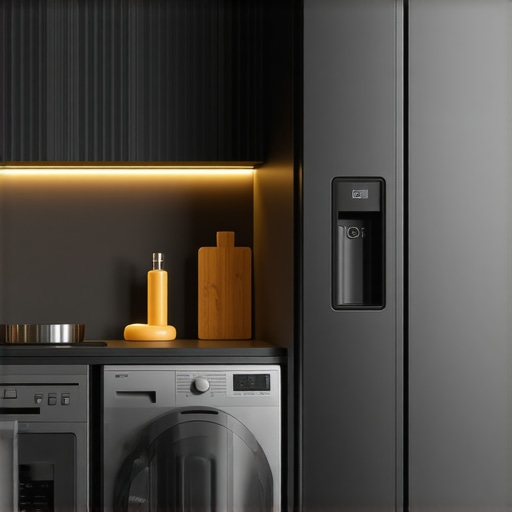
I remember the exact moment I realized my old refrigerator was more of a liability than a convenience. It froze my produce, sporadically stopped cooling, and let’s not forget the relentless noise that made me dread opening the kitchen door every morning. That lightbulb moment hit me hard—that I needed an upgrade, and not just any upgrade, but one that could seamlessly integrate into my busy life and reduce my energy bills.
Why Smart Appliances Are Game-Changers in 2024
As someone passionate about making home life easier, I’ve discovered that stepping into the world of top smart appliances can be a total life-changer. These devices are no longer just fancy gadgets; they are vital tools that help us save time, cut costs, and manage household chores more efficiently. The real magic lies in their ability to adapt, communicate, and optimize energy consumption—something that traditional appliances simply can’t match.
In 2024, the market is flooded with innovative refrigerators and washers boasting AI-driven features, energy efficiency, and smart connectivity. According to a recent report, energy-efficient smart appliances can reduce household energy bills by up to 30%. That’s not just a number—it’s a substantial saving that adds up over the years. Plus, the convenience of controlling and monitoring your appliances remotely means less wasted energy and more peace of mind.
If you’re like me, you’ve probably faced the frustration of appliances that are outdated, inefficient, or just plain unpredictable. The good news? Better options are available now and, trust me, they’re worth every penny. In the sections ahead, I’ll guide you through how to pick the best models for your home, what features to look out for, and how to make smart choices that truly pay off.
Is the Hype About Smart Appliances Too Good to Be True?
Admittedly, I had my doubts when I first considered upgrading. Early on, I made the mistake of assuming that all ‘smart’ meant complicated or expensive. But after doing my research and experiencing firsthand how these appliances can simplify daily routines, I’ve become a firm believer. It’s essential to pick the right models, and that’s where detailed reviews and guides come in handy. If you’re skeptical, I encourage you to look beyond the buzz and focus on proven efficiency and user satisfaction—like those highlighted in this resource on energy-efficient appliances for 2024.
So, have you ever faced the hassle of an appliance breaking down at the worst possible moment? Or wondered whether your current appliances are wasting energy and money? If so, stay tuned. The upcoming sections will help you navigate the exciting world of smart appliances and make informed decisions that enhance your home life.
Prioritize Your Household Needs
Start by listing chores or appliances that cause frustration or waste energy. For example, I noticed my old refrigerator’s inconsistent cooling and frequent defrost cycles. By identifying specific pain points, I could focus on appliances offering solutions tailored to my home. This step is like choosing the right tools for a DIY project—knowing what needs fixing helps you select the best gadgets. For detailed reviews of top models, check out this resource.
Research and Compare Models
Next, dive into product research. Use comparison sites and read user reviews to find models that fit your criteria for energy efficiency, smart connectivity, and reliability. For instance, I looked at the latest smart refrigerators and found that many offer inventory management and remote diagnostics, which can significantly reduce waste and repair costs. Think of it like shopping for a new car—test drives and reviews help you gauge performance and satisfaction. To find top-rated options, see comprehensive reviews.
Set a Realistic Budget and Timeline
Determine what you’re willing to spend and how soon you want to upgrade. Remember, investing in energy-efficient appliances can save money long-term, but initial costs vary widely. I set aside a few weekends for the project, giving myself time to shop, compare, and schedule installations. Think of it like planning a garden—proper preparation ensures a rewarding harvest. For budget-friendly options, visit this guide.
Choose the Right Products
Select models that match your needs and budget. Focus on features like AI learning, remote control, and energy ratings. I opted for a smart refrigerator with a touchscreen interface and a built-in camera to check contents remotely—saving me multiple grocery trips. To avoid buyer’s remorse, check certifications like ENERGY STAR and read detailed specs on trusted review sites. For curated selections, explore top models.
Plan for Seamless Installation
Coordinate with professionals or plan your DIY setup carefully. Ensure your electrical system can handle new smart features and that Wi-Fi coverage is robust enough. I scheduled installations during a weekend, which allowed me to supervise the process and troubleshoot connectivity issues. Think of it like assembling furniture—you’ll want clear instructions and time to avoid mistakes. For installation tips, see this resource.
Configure and Test Your Devices
Once installed, connect your appliances to your Wi-Fi network and update firmware. Personalize settings, such as scheduling wash cycles or setting temperature alerts. I tested my new washer’s energy-saving modes and synced it with my home automation system, which took a bit of fiddling but paid off by automating routines. Think of it as tuning an instrument—fine adjustments lead to harmonious operation. For detailed setup procedures, consult this guide.
Monitor and Optimize Usage
Regularly review appliance data via apps to identify energy consumption patterns and adjust settings accordingly. For example, I noticed my refrigerator kept running at high power during peak hours, so I shifted its schedule for off-peak times, reducing energy bills. This step is like tracking your fitness progress—you make small tweaks to improve overall performance. Stay updated with new features or firmware updates to maximize benefits by checking current reviews.
Many homeowners believe that simply purchasing the latest smart appliance guarantees optimal performance and energy savings, but this isn’t always the case. One widespread myth is that all smart appliances automatically optimize energy use without any user intervention. In reality, many require proper configuration and regular updates to reach their full efficiency, as emphasized in expert reviews. Another misconception is that higher price tags equate to better quality; however, some premium models may lack essential features or user-friendliness, leading to frustration rather than savings.
Are All Smart Appliances Truly Smarter Than Their Traditional Counterparts?
Contrary to popular belief, not every new model offers incremental benefits over older, reputable ones. For example, some smart refrigerators might have advanced connectivity but lack the durability or user interface simplicity critical for everyday use. Moreover, the glamorization of AI-driven features often leads users to overlook compatibility issues with existing home systems, which can result in extra costs or system failures. Research indicates that poorly integrated devices can cause energy wastage or technical problems, undermining their supposed advantages. Therefore, understanding the specific nuances and evaluating device compatibility before purchase is vital. Rushing into trendy models without identifying your actual needs or compatibility can lead to costly mistakes, as detailed in industry reviews. Always scrutinize appliance specifications and consider long-term maintenance, rather than just initial features. Interested in this topic? Browse further insights on expert-approved appliances that truly provide value for 2024. Remember, a well-informed choice can prevent your smart home from becoming a tech nightmare. Have you ever fallen into this trap? Let me know in the comments.
Tools I Recommend for Reliable Appliance Maintenance
Ensuring that your home appliances continue to operate efficiently over the years requires the right tools and a systematic approach. I personally rely on a combination of high-quality diagnostic devices and smart monitoring software to keep everything running smoothly. One essential gadget I use is the Fluke 115 Digital Multimeter. It’s precise, durable, and easy to use, allowing me to quickly check voltage, current, and resistance in appliances—crucial for troubleshooting electrical issues on smart refrigerators or washing machines without guessing. 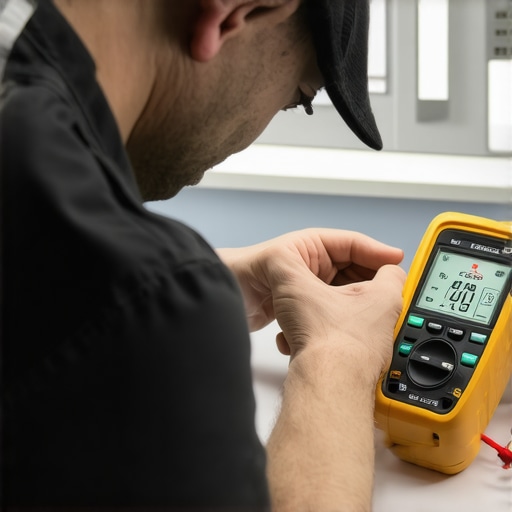
In addition, I highly recommend installing a Smart Power Meter. Devices like the Emporia Vue Energy Monitor give real-time data on energy consumption for each appliance. Tracking usage patterns helps me identify when a device is underperforming or consuming more energy than usual, enabling proactive maintenance or replacement.
Why Software Matters in Appliance Care
Beyond hardware tools, I rely on sophisticated monitoring apps integrated with my smart appliances. Platforms like the Samsung SmartThings app or manufacturers’ dedicated apps allow me to receive alerts about maintenance needs, firmware updates, or potential faults. These notifications help prevent small issues from becoming costly repairs, ensuring long-lasting performance.
How do I maintain appliances over time? I’ll share my approach—regular cleaning, firmware updates, and component checks.
Cleaning is often overlooked but is vital. For example, regularly clearing refrigerator coils and cleaning washing machine filters can drastically extend lifespan. Firmware updates are equally important; manufacturers frequently release patches that improve efficiency and fix bugs. For smart appliances like dishwashers and refrigerators, I schedule quarterly firmware reviews through their apps, which often automate the process and notify me when updates are available. Finally, inspecting internal components such as door seals, filters, and water valves ensures no minor wear escalates into equipment failure.
Looking ahead, I believe that as AI and IoT technologies become more integrated, appliances will self-diagnose issues and schedule maintenance autonomously. This automation will minimize downtime and prolong device life, much like how predictive maintenance is revolutionizing industrial equipment. To take advantage of this trend, start by implementing smart monitoring tools now—it’s a straightforward step towards future-proofing your home.
For homeowners eager to optimize their appliance longevity, try setting up a comprehensive monitoring routine using a combination of digital multimeters and energy meters. These tools provide actionable insights and make maintenance more manageable. Remember, investing a little time now can save you a lot of money and hassle later on. Want to dive deeper? Check out this detailed guide on energy-efficient appliances for more tips on long-term home appliance care.
What I Wish I Knew About Smart Appliances Before Jumping In
One of the hardest lessons I learned was that not all smart appliances are created equal. I bought a high-end refrigerator thinking it would be trouble-free, but I ignored the importance of compatibility with my existing smart home ecosystem. It led to frustration and additional costs. Now, I understand that doing thorough research on integration and user reviews saves me headaches and money in the long run.
Another insight was realizing that some features promising energy savings require active user engagement. A refrigerator with AI learning capabilities only saves energy if I set it up properly and maintain its firmware. It taught me that technology is only as good as how well we utilize it.
Finally, I discovered that investing time to learn the quirks of your appliances pays off. Reading manuals, exploring app features, and doing regular maintenance tasks ensure peak performance—saving energy and extending lifespan. These lessons have made me more confident in managing my smart home effectively.
Comments
8 responses to “Top Smart Appliances of 2024: Best Refrigerators & Washers”
Reading about your experience really resonated with me—my old refrigerator also gave me endless frustration with inconsistent cooling and high energy bills. Transitioning to a smart, energy-efficient model was a game-changer for me. I love how I can monitor its performance remotely and even get alerts if something’s off. It made me realize that choosing the right appliance not only saves money but also reduces daily stress since I don’t have to worry about unexpected breakdowns.
Your point about properly configuring and maintaining these devices really hits home. I’ve found that regular firmware updates and cleaning coils, as you mentioned, keep the appliances running smoothly and efficiently. Have you noticed a real difference in your energy bills since the upgrade? I’m curious if others have experienced similar savings or unexpected challenges during installation or setup that they could share. It seems that, with the right tools and a little effort, smart appliances truly do enhance our home management experience.
Your insights on the importance of proper setup and ongoing maintenance really stood out to me. I recently upgraded my old washer to a smart model, and I found that regular firmware updates and cleaning filters made a noticeable difference in energy efficiency. Plus, being able to remotely monitor usage has helped me identify times when the machine was overworking during peak electricity hours, leading me to adjust its schedule accordingly.
One thing I’ve learned is that the initial investment in good diagnostic tools and energy monitors pays off in the long run. They help catch small issues before they turn into costly repairs or energy waste. I’m curious, how do others handle firmware updates—do you prefer to do it manually or rely on automatic notifications? Also, do you think smart appliances will soon become completely autonomous in managing maintenance and energy use? Would love to hear different approaches and experiences from fellow readers.
I really appreciate the detailed insights shared here. Transitioning to smart appliances in 2024 truly feels like a step forward in household management, especially with the AI-driven features that automatically adapt to our routines. I’ve noticed that my smart washer has become much more energy-efficient after I set it to off-peak hours and schedule regular firmware updates. The remote diagnostics are a game-changer because they help me identify issues early, preventing costly repairs.
One challenge I faced was ensuring my Wi-Fi was strong enough to support all these connected devices. I ended up installing a mesh network to keep everything seamless and avoid connectivity hiccups. How do others handle potential technical glitches, especially in larger homes with multiple smart devices? Also, do you think future appliances will be able to predict maintenance needs entirely on their own? I’m curious about your experiences and thoughts on automating home management further.
I really enjoyed reading your detailed approach to upgrading to smart appliances and how you focus on identifying specific household pain points before making a purchase. From my own experience, I found that choosing appliances with good connectivity and remote diagnostics not only saved me money on repairs but also helped me optimize energy use more efficiently—I was surprised at how much energy I could save just by monitoring usage through apps and adjusting settings accordingly. Your point about proper setup and regular maintenance resonated with me because I’ve noticed that even the smartest appliances require a bit of TLC to truly deliver on their promises. One thing I’ve been curious about is whether anyone has had success with completely automating their appliance maintenance routines, or do you think manual oversight is still necessary for now? I’m keen to hear your experiences, especially with newer models that promise to be more autonomous. Overall, I believe that investing in the right tools and staying proactive about maintenance really makes a difference in prolonging appliance lifespan and keeping energy bills low.
Reading your story really hits home—my old refrigerator was also an energy hog and always breaking down at the worst times. Upgrading to a smart, energy-efficient model has totally transformed my kitchen experience. I love that I can monitor the temperature and energy consumption remotely; it’s such a relief to know I can catch issues early before they cause more problems. Plus, the savings on my energy bill have been noticeable since making the switch. I was curious, did you notice any other unexpected benefits after upgrading, like improved food freshness or easier maintenance? I also wonder how others are handling firmware updates—do you prefer automatic updates or manual ones to ensure everything runs smoothly? I think the key to getting the most out of these appliances is consistent monitoring and regular maintenance. It’s fascinating to see how technology is making our homes smarter and more efficient, isn’t it?
Your story about upgrading from an old, noisy refrigerator really highlights the real benefits of smart appliances. I also experienced similar issues—constant noise, inconsistent cooling, and high energy bills. Moving to a well-reviewed smart model has not only improved efficiency but has also added a layer of convenience that was hard to imagine before. I especially like the remote monitoring feature; it’s incredibly reassuring to be able to check the appliance’s status when I’m away from home. Regarding maintenance, I’ve found that setting automatic firmware updates and routinely cleaning filters have helped keep everything running optimally. I’m curious, how have others managed routine maintenance for these high-tech appliances? Do you rely more on automatic features, or do you still prefer manual checks? I believe that proactive maintenance is key to maximizing the lifespan of these devices—what has been your approach? It’s exciting to see how AI and IoT are transforming household management. Looking forward to hearing everyone’s experiences!
Reading your story really hits home—my old refrigerator was also an energy hog and always breaking down at the worst times. Upgrading to a smart, energy-efficient model has totally transformed my kitchen experience. I love that I can monitor the temperature and energy consumption remotely; it’s such a relief to know I can catch issues early before they cause more problems. Plus, the savings on my energy bill have been noticeable since making the switch. I was curious, did you notice any other unexpected benefits after upgrading, like improved food freshness or easier maintenance? I also wonder how others are handling firmware updates—do you prefer automatic updates or manual ones to ensure everything runs smoothly? I think the key to getting the most out of these appliances is consistent monitoring and regular maintenance, which really prolongs their lifespan. It’s fascinating to see how technology is making our homes smarter and more efficient, isn’t it? Would love to hear your thoughts or tips on managing these devices!
Reading your experience really made me think about how much smarter appliances can truly make our daily routines. I recently upgraded my refrigerator after years of dealing with inconsistent temperatures and super high energy bills. The ability to monitor and control it remotely has been a game-changer—so much so that I wonder how I managed without it! I’ve also noticed that some smart refrigerators now offer food inventory management with cameras, which helps reduce food waste and saves money. Have you tried any of these features, and if so, how have they impacted your household? I also agree that regular firmware updates and proper maintenance are vital. It’s impressive how these devices are becoming more autonomous, sometimes even alerting you when they need attention. Do you think in the future appliances will handle maintenance entirely on their own? I’d love to hear how others are managing their smart devices, especially in busy households where ease of use is essential. It’s such an exciting shift towards more efficient homes.