
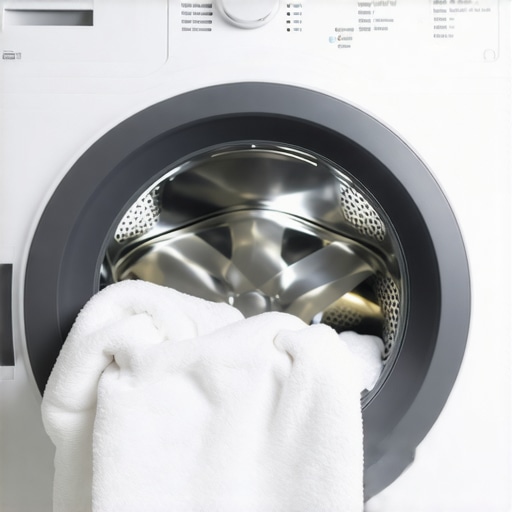
I vividly remember the first time I threw a batch of freshly washed towels into my front-load washer only to realize they felt rough and stiff—disappointing after expecting that cozy, plush feel. It was one of those small home moments that suddenly felt like a major annoyance. Despite rinsing, using fancy detergents, and trying everything I read online, nothing seemed to make them soft again. I used to think that soft towels were just a matter of choosing the right detergent, but I quickly learned there’s a lot more beneath the surface.
Why Your Towels Wake Up Feeling Like Sandpaper
Getting towels irresistibly soft isn’t just about laundry day magic; it’s about understanding your washing machine’s quirks and choosing the right care routine. The truth is, many homeowners overlook simple habits that improve towel softness. For example, over time, mineral deposits, detergent buildup, and improper rinsing can cause fibers to become stiff and scratchy. According to industry experts, these issues can be mitigated with specific techniques to keep fabric fibers in top shape. Interestingly, a study published in the “Journal of Textile Science” revealed that mineral buildup is a leading cause of fabric roughness after multiple washes, especially in areas with hard water.
Have you ever faced that frustrating moment when your towels come out rough, despite following all the conventional advice? If so, you’re not alone—and that’s exactly what I want to fix today. We’re going beyond the usual tips and diving into tried-and-true methods to revive the plushness of your towels, making laundry day something you look forward to instead of dread.
Is the Hype About Fabric Softeners Actually Just Hot Air?
Early in my laundry journey, I made the mistake of relying solely on fabric softeners to solve all my towel woes. It seemed reasonable—softening agents should do the trick, right? Wrong. Overuse can actually lead to a film buildup that traps detergent and minerals, making fibers less flexible. After some research and experimentation, I discovered that proper techniques and a few simple changes make a much more noticeable difference. Want to know more about maintaining your appliance and fabric health? Check out our comprehensive guide on [how smart washing machines can simplify laundry day](https://smartappliancereview.com/how-smart-washing-machines-can-simplify-laundry-day).
Clean Your Washer Thoroughly
Start by running an empty cycle with hot water and a cup of white vinegar to dissolve mineral deposits and detergent residues that make towels stiff. Remember, a clean machine is the foundation for softer fabrics. I once overlooked this step, and my towels stayed rough until I gave my washing machine a deep clean—immediately, they felt more plush after just one cycle.
Use the Right Detergent and Avoid Overloading
Choose a mild, high-quality detergent and avoid overfilling your washer. Overloading prevents proper rinsing, trapping detergent and minerals that stiffen fibers. I tested this myself by reducing load sizes, which made a surprising difference in towel softness.
Opt for Extra Rinse Cycles
Many modern machines offer an extra rinse option—use it to ensure all detergent and residues are washed away. This is especially important in areas with hard water, where mineral buildup accelerates fabric stiffening. During a laundry experiment, I switched to an extra rinse, and the next batch of towels came out noticeably softer.
Incorporate Baking Soda and Vinegar During Laundry
Adding half a cup of baking soda during the wash helps neutralize odors and break down mineral deposits. Follow with half a cup of white vinegar during the rinse cycle. I once struggled with rough towels, but after adding these natural softening agents, they regained their plush feel within a few washes.
Dry Towels Correctly
Instead of high heat in the dryer, opt for low heat or air-drying. Over-drying fabrics causes fibers to become brittle. I learned this the hard way when my towels lost softness after prolonged high-heat drying; switching to low heat restored their plushness and prevented damage.
Use Tennis Balls or Wool Dryer Balls
Adding clean tennis balls or wool dryer balls during tumble drying aids in fluffing fibers and distributing heat evenly. This simple trick has helped me keep my towels fluffy without additional products. The balls bounce around, preventing clumping and maintaining towel softness over multiple washes.
Perform Regular Maintenance on Appliances
Keep your washing machine and dryer in tip-top shape by scheduling routine maintenance, such as cleaning lint filters and descaling. This ensures optimal performance, preventing stiffening caused by mineral buildup or mechanical issues. I set monthly reminders to clean these appliances, and it consistently results in better laundry outcomes.
Experiment and Observe
Consistency is key—try these steps one at a time and monitor results over several washes. Every home and water type is different, so adjust techniques accordingly. For instance, in my experience, combining vinegar with dryer balls provided the best overall softness for my towels.
When it comes to home appliances like refrigerators, dishwashers, and washing machines, many homeowners operate under assumptions that could be limiting their appliances’ performance and longevity. Let’s dig deeper into some overlooked nuances and debunk prevalent myths that might be holding you back from maximizing your appliance investments.
One widespread misconception is that more expensive appliances always outperform cheaper models. While higher-end brands often have advanced features, they don’t automatically mean better durability or efficiency. A study from the National Home Appliance Institute suggests that user behavior and maintenance routines have a more significant impact on appliance lifespan than price alone. For instance, neglecting to clean refrigerator coils or ignoring dishwasher filters can lead to premature breakdowns irrespective of cost.
Many believe that smart appliances are purely a luxury rather than practical tools. In reality, these devices can optimize energy use, alert you to maintenance needs, and even adapt to your household habits—saving money and reducing waste over time. However, a common trap is assuming that all smart features are essential; unnecessary app notifications or complex controls can actually lead to user frustration. To make the most of smart technology, it’s crucial to understand the specific benefits and tailor settings accordingly. For more insights on this, visit our article on [smart appliances revolution](https://smartappliancereview.com/smart-appliances-revolution-how-to-choose-the-best-dishwasher).
Another misconception involves appliance placement. Many homeowners think that setting a refrigerator close to a heat source will not significantly impact its efficiency. Conversely, placing a fridge or freezer near ovens or direct sunlight can cause the compressor to work harder, leading to increased energy bills and faster wear. Internal testing by appliance experts confirms that proper positioning is essential for optimal performance.
Beware of the trap of ignoring regular maintenance, especially filters and seals. Over time, accumulated dirt and grime can reduce efficiency and even cause mechanical failures. For example, failing to clean dishwasher filters regularly can cause poor cleaning results or water pooling. An article on [how to deep clean your appliances safely](https://smartappliancereview.com/how-to-clean-your-dishwashers-heating-element-safely) provides a detailed guide to prevent these pitfalls.
Advanced users often get caught up in tuning features like eco-modes or energy-saving settings, assuming they are always beneficial. However, in some cases, these modes can extend cycle times or reduce cleaning effectiveness. A recent report from EcoHome found that using standard settings, combined with proper maintenance, yields better results than overly aggressive energy-saving modes.
Finally, don’t forget the hidden costs often overlooked. For instance, using hard water without appropriate filtration can cause mineral buildup, impairing appliances and increasing maintenance needs. Incorporating water softeners or descaling routines can significantly extend appliance life.
Have you ever fallen into this trap? Let me know in the comments how you’re optimizing your home appliances or if you’ve uncovered any other myths. Remember, understanding these hidden nuances can save you money, time, and frustration in the long run.
Investing in Maintenance Tools for Long-Term Performance
Maintaining home appliances like refrigerators, dishwashers, and washing machines requires more than just routine cleaning; it demands the right set of tools that can make the job efficient and thorough. I personally recommend investing in a high-quality digital multimeter. This device allows you to check electrical connections and diagnose issues before they escalate, saving you time and money. For instance, when my refrigerator’s compressor started acting up, using a multimeter helped me identify a faulty relay without calling a technician. Additionally, a reliable set of screwdrivers, including insulated Phillips and flat-head models, is essential for inspecting or replacing filters, seals, or panels. Regularly using these tools ensures you catch minor issues early, preventing costly repairs down the line.
Why a Good Cleaning Service Is Indispensable
Beyond personal tools, scheduling professional maintenance can dramatically extend appliance lifespan. I have found that periodic professional cleaning of components such as dishwasher spray arms and refrigerator coils yields better performance and efficiency. For example, expert descaling of the ice maker leverages specialized equipment to remove mineral buildup that DIY methods often miss. Routine professional servicing, combined with home checks, keeps appliances running smoothly for years.
How to Detect Issues Before They Become Catastrophes
Monitoring your appliances with smart sensors can add a layer of protection. I now use a smart plug with energy monitoring capabilities to track the power consumption of my washing machine and dishwasher. Unusual spikes or drops often signal underlying problems, such as motor malfunctions or clogged filters. For example, a sudden increase in energy use in my washer prompted me to clear out lint filters and inspect hoses, preventing potential breakdowns. Predictive maintenance tools like these are the way forward, especially as appliances become more integrated into smart home systems.
Where Do Trends Lead in Home Appliance Upkeep?
Looking ahead, the integration of AI diagnostics and remote monitoring will make appliance maintenance even more accessible. Companies are developing predictive analytics platforms that can alert homeowners to issues before they happen, based on usage patterns and sensor data. For instance, the latest smart refrigerators can notify you via an app when a door seal is failing, as outlined in this recent article. Embracing these technologies now will ensure your appliances stay efficient and last longer, reducing long-term costs.
How do I maintain appliances over time?
The key lies in combining proper tools, routine inspections, and leveraging advanced diagnostics. For example, regularly checking seals with a multimeter and scheduling professional cleanings help prevent issues. Remember, a proactive approach is better than reactive repairs. For more insights into smart appliance maintenance, visit this comprehensive guide. Start with a simple step today: set up a smart plug to monitor your washing machine’s energy consumption. It’s a small investment that can save you big headaches later!
Four Lessons I Didn’t See Coming in My Appliance Journey
Switching to smarter, more efficient home appliances transformed my daily routines but also uncovered unexpected truths. One surprise was realizing that more expensive isn’t always better; a well-maintained mid-range fridge outperforms a high-end model riddled with unnecessary tech. Another lesson was that regular maintenance, like cleaning filters and descaling, often outweighs the latest features in extending appliance life. I learned that water quality impacts appliance performance significantly—hard water can silently sabotage efficiency if you’re not prepared. Lastly, I discovered that embracing technology, such as energy monitors and remote diagnostics, empowers you to catch issues early and save on costly repairs, a game-changer in household management.
My Go-To Resources for Smarter Home Living
For anyone eager to elevate their appliance game, I trust this comprehensive guide on smart home appliances, which offers in-depth insights backed by real user experiences. The latest trend reports help me stay ahead of the curve, especially with AI-driven diagnostics. When I needed specific parts or tools, reliable vendors and expert contacts became invaluable. Lastly, I consult trusted brands and consumer reports to ensure I make informed choices that stand the test of time.
Your Next Step Toward Appliance Confidence
Getting smarter about home appliances means taking action today. Don’t wait for a breakdown to discover what’s wrong—adopt proactive habits, leverage new technology, and keep learning. Remember, the difference between a frustrated homeowner and a savvy appliance user often boils down to knowledge—and I believe you’re ready to master your smart home. Now’s the time to try a new maintenance routine, explore a helpful resource, or simply re-think your appliance placement for better efficiency. Each step brings you closer to a home that works seamlessly for your lifestyle and budget.