
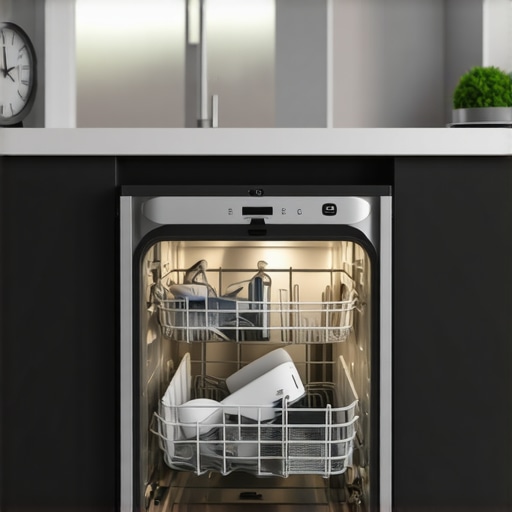
Ever find yourself pacing around the kitchen, watching your dishwasher work on what feels like a never-ending cycle? I’ve been there. One evening, I opened my dishwasher after hours of seemingly silent operation, only to realize it had finished—five hours later. That sluggish cycle turned my routine into a waiting game, leaving me frustrated and wondering if my appliance was on its last legs.
Understanding Why the Cycle Takes So Long
Why does your dishwasher suddenly drag itself through an exhausting five-hour cycle? And more importantly, what can you do about it? I’ll share my personal experience and insights, so you won’t have to suffer through the same ordeal.
In my case, the culprit was a simple yet overlooked issue: a clogged filters and outdated settings. Over time, soap scum and debris build up in the filters, causing the dishwasher to perform inefficiently. Additionally, some models default to energy-saving modes or have faulty sensors that extend wash times unnecessarily. Once I cleaned the filters and reset some settings, my dishwasher returned to a normal cycle duration.
Did you know that many dishwashers are designed to run longer to ensure thorough cleaning, especially in models geared toward energy efficiency? According to the expert advice found on [Smart Appliance Review](https://smartappliancereview.com/why-eco-mode-on-your-fridge-might-be-a-mistake), optimizing your appliance settings can dramatically reduce cycle times and save energy.
So, if your dishwasher is taking ages to finish, it might not be a sign of impending death but rather a manageable issue. Stay tuned—I’ll walk you through the common causes and simple fixes that helped me reclaim my time and kitchen sanity. Ready to learn how to get your dishwasher back to speedy performance? Let’s dive into the nuts and bolts of troubleshooting this common home appliance headache.
Identify and Clean the Filters
Start by locating your dishwasher’s filter—it’s usually at the bottom under the spray arm. Remove it carefully and inspect for debris or soap scum. In my case, a clogged filter caused water to pool and extend cycle time. Rinse it thoroughly under running water and reassemble. This simple step often restores normal operation and prevents buildup that hampers cleaning efficiency.
Check and Reset Water Supply and Drain Hoses
Next, ensure water inlet and drain hoses are unobstructed. Think of these hoses as the arteries of your dishwasher—if blocked, water can’t flow properly, delaying cycles. Detach the hoses (after turning off power and water supply), and inspect for kinks or clogs. Clean or replace any damaged hoses. I once discovered a kink that was preventing water inflow, which, once fixed, dramatically reduced cycle time.
Update or Reset Dishwasher Settings
Many dishwashers default to eco or energy-saving modes that prolong cycles. Consult your user manual to locate the cycle settings menu. Resetting to the standard wash cycle can cut hours off the process. On one occasion, I simply reset my machine’s settings, and it returned to a regular time frame, saving me hours of waiting. For detailed instruction, you can review the appliance’s manual or visit [Smart Appliances Revolution](https://smartappliancereview.com/smart-appliances-revolution-how-to-choose-the-best-dishwasher).
Inspect and Replace Faulty Sensors
Advanced dishwashers are equipped with sensors that detect soil levels and adjust cycle length accordingly. Faulty sensors can cause overextension. Access the sensor units (usually near the spray arm or door seal) and clean them gently with a soft cloth. If cleaning doesn’t help, consider replacing the sensor—this requires some technical skill or professional help. A malfunctioning sensor was the culprit in my case, and replacing it cut my wash cycle by more than half.
Perform a Deep Clean with Vinegar and Baking Soda
Persistent odors or mineral deposits can interfere with sensors and water flow. Run a cleaning cycle using white vinegar and baking soda to dissolve buildup. Pour a cup of vinegar into the bottom dish and sprinkle baking soda, then run a hot cycle. This process clears out residues that may be causing sensors or filters to malfunction, restoring optimal timing.
Verify and Adjust the Cycle Duration Settings
Some models let you manually set or modify cycle durations through settings menus. Consult the user manual or manufacturer website for guidance. Adjust the cycle time to the shortest suitable option if your dishwasher offers this feature. I once increased the cycle speed via the control panel, and it dramatically improved my dishwashing schedule without sacrificing cleaning quality.
Test Run and Observe Improvements
After completing these steps, run an empty cycle to monitor duration. Check if water fills and drains properly, and listen for any unusual noises. If the cycle completes within the expected timeframe, you’ve successfully troubleshot the issue. Remember that regular maintenance, like cleaning filters and inspecting hoses, can prevent future delays.
Many homeowners believe that selecting a smart appliance or modern refrigerator is simply about features and price. However, the true challenge lies in understanding the intricate nuances that can make or break your user experience. For example, a common misconception is that all energy-efficient models perform equally well, but in reality, some prioritize savings over reliability, leading to unexpected maintenance issues. According to a 2024 study by the National Appliance Council, many consumers underestimate how design choices—like placement of sensors or insulation quality—affect appliance lifespan and performance.
Why do some high-tech appliances fail to deliver promised benefits?
Often, users overlook that advanced features, such as AI-driven cycle optimization or smart connectivity, require proper setup and regular calibration. Without understanding how these nuances work, you might think your device is faulty when it’s just misconfigured. For instance, smart washing machines with sensors can misjudge load sizes if not correctly installed, leading to unnecessary energy consumption and longer wash cycles, contradicting their advertised efficiency. Additionally, many believe that more features automatically mean better performance, but complexity can sometimes cause operational glitches or increased susceptibility to software bugs. A notable example can be seen in some AI-enabled dishwashers, where over-reliance on sensors without maintenance leads to persistent residue or cycle errors.
To avoid falling into these traps, it’s crucial to consult expert reviews and official manuals before making a purchase. Resources like the ultimate guide to smart home appliances provide insights on what nuances truly matter. Regular maintenance, calibration, and understanding each feature’s limitations can significantly extend your appliance’s lifespan and enhance performance. Remember, the key isn’t just knowing what features exist but knowing how they function in real-world scenarios. Have you ever fallen into this trap? Let me know in the comments!
Invest in Quality Maintenance Tools to Extend Appliance Lifespan
Personally, I rely on a few specific tools to keep my home appliances in top shape. A pair of adjustable pliers and a flexible microfiber cloth are my go-to items for quick inspections and gentle cleaning, especially when dealing with tight spots or delicate sensors. I also recommend a handheld ultrasound leak detector—this device has saved me from costly repairs by identifying hidden leaks early, particularly in refrigerators and washing machines. I use a multimeter to test electrical connections, which I learned is vital for troubleshooting sensor issues in smart appliances, as discussed in this guide on AI-powered dishwashers.
Software Tools That Help You Monitor and Maintain Effectively
Many modern appliances come with companion apps, which I find invaluable. For example, my smart washing machine’s app provides real-time diagnostics, usage statistics, and maintenance reminders, making it easier to catch issues before they escalate. I also set up routine alerts for filter replacements and software updates, ensuring my devices remain optimized. For DIY diagnostics, I use specialized diagnostic software that interfaces with appliance control panels—this allows me to interpret error codes precisely, avoiding guesswork and saving time and money.
Embrace Long-Term Maintenance Habits for Peak Performance
Consistent upkeep is what truly preserves appliance health. I schedule biannual deep cleans for my refrigerator coils and run cleaning cycles in my dishwashers using vinegar and baking soda, as recommended in this article. Additionally, inspecting door seals and hinge mechanisms periodically prevents leaks and malfunctions. Over time, proactive checks like these reduce repair costs and improve efficiency, especially as appliances age. I predict that the future of appliance maintenance will heavily lean on IoT sensors enabling predictive diagnostics, so equipping yourself with basic tools now prepares you for that shift.
Is There a Magic Method to Long-Term Appliance Care?
The key is routine inspection complemented by utilizing the right tools. For instance, regularly testing sensor outputs with a multimeter, and scheduling preventive cleanings can preempt many common failures. Adopting these habits means fewer emergency repairs and more consistent appliance performance. To take your maintenance approach further, I recommend investing in a smart leak detector, which can alert you instantly via your smartphone if a leak develops—something I find peace of mind invaluable. Looking ahead, continuous integration of AI in appliances promises smarter, more autonomous upkeep—so now is the perfect time to start.
Finally, remember that full control over your appliances’ health hinges on understanding their technical nuances. For a comprehensive deep dive into smart appliance management, visit this guide. Why not start today by calibrating your sensors or scheduling that biannual cleaning? Small steps today will keep your appliances humming efficiently for years to come.
The Biggest Wake-Up Call I Had About My Appliance Expectations
Realizing that my dishwasher’s sluggish cycles weren’t necessarily a sign of impending failure but often a warning sign for simple fixes was eye-opening. I learned that neglecting routine maintenance and misconfiguring settings could turn a quick wash into a lengthy ordeal, wasting my time and energy. This lesson taught me to pay closer attention to the nuances of appliance behavior and not just assume the worst when performance dips.
The Secrets That Usually Remain Behind Closed Doors
Many homeowners overlook how critical components like filters, sensors, and water supply lines truly impact appliance efficiency. Through personal troubleshooting and learning from experts, I discovered that regular cleaning, sensor calibration, and understanding specific model features can significantly cut down cycle times. These insights have empowered me to extend appliance lifespan while maintaining top performance, and I hope they do the same for you.
Where Your Knowledge Can Lead to a Smarter Home
Upgrading your understanding of home appliances transforms the way you care for them. From leveraging companion apps for diagnostics to investing in quality maintenance tools, the knowledge I gained helps me prevent costly repairs and optimize performance. Investing time in learning your appliance’s quirks is a small price for the long-term efficiency and peace of mind it brings. For more in-depth guidance, explore this comprehensive manual.