
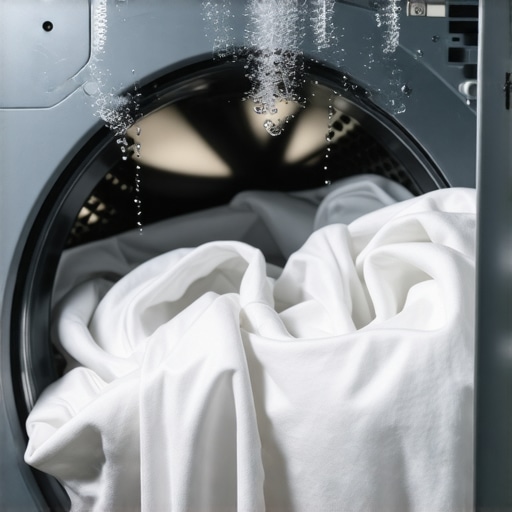
It was just another laundry day when I opened my washing machine to find my clothes damp, even though I had just finished a full spin cycle. That feeling of frustration? You’ve been there—soaked T-shirts, damp towels, and a lingering question in your mind: “Why isn’t my laundry dry?” I used to think it was a simple issue of overloading or bad detergent. Turns out, there’s a surprisingly common culprit behind this soggy mystery, and understanding it could save your weekend.
The Hidden Reason Behind Your Damp Clothes
Many folks, myself included early on, overlook a critical aspect of the washing process—how the machine drains water. An improperly draining washer leaves water trapped in fabric fibers, making clothes feel wet, no matter how long the spin cycle lasts. After some trial and error, I discovered that a clogged filter or a blocked drain hose is often the villain in this soggy saga.
According to appliance experts, a significant number of washing machine problems stem from simple maintenance issues like a dirty filter or buildup in the drainage system. These obstructions prevent water from leaving the drum efficiently, leading to damp clothing even after the cycle says it’s done. Curious? You can learn more about how smart washing machines can simplify laundry day with this comprehensive guide.
But before you panic, let me assure you—this isn’t a sign your washer is dying. It’s a fixable, often straightforward issue that, once addressed, will have your clothes drying in no time. Ready to uncover the common mistakes that might be causing this problem and how to fix them? Let’s dive in.
Is the Problem Really Just a Clogged Drain?
I’ll admit, my initial assumption was that my laundry was too heavy or that I needed a new detergent. I made that mistake early on—assuming the problem was with my clothes, not the machine. By the time I figured out the real issue, I had wasted hours and energy. The good news? Many of the causes behind damp clothes are simple to troubleshoot, and knowing where to look can save you from costly repairs or replacements. Want more tips? Check out how smart appliances like top smart appliances for a seamless home experience.
Clean the Drain Filter Regularly to Prevent Clogs
One of the simplest yet most overlooked steps is maintaining the drain filter. Over time, lint, hair, and small debris accumulate and clog the filter, hindering water drainage. I once neglected this, leading to clothes coming out damp after a cycle. To fix this, locate your filter—usually at the front bottom—and carefully remove, clean out debris, then replace it. Schedule a monthly clean to keep water flowing smoothly, much like clearing a clogged artery ensures proper blood flow.
Inspect and Clear the Drain Hose for Blockages
The drain hose acts like a pipe in a plumbing system; if blocked, water can’t exit properly. Disconnect the hose (unplug the machine first), and check for kinks or obstructions. Use a flexible brush or run water through it to dislodge any buildup. When I faced persistent damp clothes, this step was crucial. Remember, a clogged hose is like a kinked garden hose—water can’t reach the drain, leaving your laundry soggy. Regularly inspecting this can save you future headaches.
Ensure Proper Pump Functionality
The pump is the workhorse, actively pushing water out during the spin cycle. If faulty or clogged, it stalls. Listen for unusual noises or check if water remains in the drum after spinning. To troubleshoot, remove the pump filter (consult your manual), clean out debris or lint, and verify the impeller moves freely. If the pump itself is damaged, consider professional repair. Think of the pump as the heart of drainage; a healthy pump keeps your clothes dry, akin to a strong engine propelling a boat forward.
Check for Overloading and Spin Speed Settings
Overloading the machine—stuffing it beyond capacity—can prevent effective drainage. I once crammed my machine, thinking I was saving time, only to get wetter clothes. Always adhere to manufacturer load limits. Additionally, selecting a spin cycle with a higher RPM (revolutions per minute) improves water extraction. To optimize drying, opt for the maximum spin speed suitable for your fabrics. This step is like squeezing a sponge—more force equals less moisture remaining in your clothes.
Perform Regular Maintenance and Use Smart Features
Routine maintenance is vital. Many modern washing machines come equipped with smart sensors and diagnostic tools that alert you to drainage issues. Connecting your appliance to a smart home system can notify you of blockages or errors, much like having a personal technician on call. For instance, exploring how smart washing machines simplify laundry can help you understand and utilize these features effectively. Scheduling periodic maintenance ensures your machine remains efficient, preventing damp clothes and extending its lifespan.
 When it comes to home appliances, most consumers focus on the obvious—capacity, price, or brand reputation. However, as an industry expert, I’ve observed that many common beliefs about dishwashers, washing machines, refrigerators, and smart appliances are actually misconceptions. Let’s uncover some of these pitfalls and explore the nuances that could dramatically influence your appliances’ performance and longevity.
Myth: Higher Price Implies Better Performance
This is a classic misconception. People often believe that paying more guarantees superior function, but in reality, many mid-range appliances now incorporate advanced features thanks to innovations like AI-driven technology. The real value lies in understanding which features genuinely enhance your daily routine.
The Hidden Trap: Data Privacy in Smart Appliances
Many don’t realize that connecting appliances to your home network introduces privacy risks. A common mistake is accepting default settings without reviewing privacy policies. For instance, some smart refrigerators and washers collect usage data—information that can be exploited if not properly secured. Before integrating smart features, review privacy policies at this privacy policy and adjust settings accordingly to protect your data. This vigilance ensures that smart convenience doesn’t come at the cost of personal security.
Why Your Dishwasher’s Self-Cleaning Feature Might Fail
Many owners rely on self-cleaning modes, assuming they eliminate all grime—and yet, stains or odors persist. In my experience, neglecting regular maintenance—like cleaning the spray arms and filters—renders these features ineffective. Self-cleaning isn’t a substitute for manual care. For a comprehensive cleaning guide, explore this step-by-step process. Regular upkeep is essential for peak performance.
Advanced Question: How Do Smart Sensors Actually Improve Washing Efficiency?
This question interests seasoned tech enthusiasts. Modern washing machines equipped with smart sensors analyze load size, fabric type, and soil level to optimize water and energy use. However, calibration errors or sensor malfunctions can lead to inefficient cycles or prolonged wash times. To maximize benefits, ensure sensors are clean and calibrated; some models offer remote diagnostics via their app. Embracing these features can reduce waste and improve fabric care, aligning with trends discussed in future appliance innovations.
Remember, understanding these hidden nuances helps avoid costly mistakes and enhances your appliances’ lifespan. Have you ever fallen into this trap? Let me know in the comments, and share your experiences with appliance misconceptions or advanced tweaks you’ve discovered.Maintaining your home appliances effectively requires the right tools and a strategic approach. One essential tool I personally rely on is a high-quality digital multimeter. It enables me to quickly diagnose electrical issues in refrigerators and washing machines, saving time and avoiding unnecessary repairs. For example, checking the continuity of heating elements or thermostats with a multimeter can reveal problems before they escalate, ensuring your appliances run efficiently and prolong their lifespan.
Beyond basic tools, investing in a reliable appliance inspection camera has transformed my maintenance routine. These compact devices allow me to peek behind panels and inside tight spaces without disassembly, making it easier to spot mold, debris buildup, or wiring issues. Regular inspections with such cameras can prevent minor issues from turning into costly replacements, especially in complex smart appliances that house multiple electronic components.
When it comes to software, I recommend using diagnostic apps provided by appliance manufacturers or third-party solutions like Home Assistant. These platforms can connect to smart appliances via Wi-Fi, offering real-time monitoring and alerts for anomalies like water leaks, temperature deviations, or connectivity drops. For instance, integrating your smart washing machine with a monitoring app can notify you immediately if a sensor detects potential problems, allowing for prompt intervention.
Additionally, maintaining and updating firmware is crucial. Manufacturers often release updates that improve performance, fix bugs, or enhance security. Regularly checking for firmware updates through manufacturer apps or official websites keeps your appliances performing optimally and protected against vulnerabilities.
Looking ahead, the trend toward AI-driven diagnostics and maintenance automation promises to make appliance care even more accessible. Predictive analytics could soon remind users of maintenance needs before issues occur, reducing downtime and repair costs.
In my experience, implementing a routine using these precise tools—multimeters, inspection cameras, diagnosis apps, and firmware updates—has significantly extended the lifespan of my appliances. I encourage you to try integrating a troubleshooting multimeter into your maintenance routine; it’s a game-changer for early problem detection. Would you like to learn more about specific model recommendations or step-by-step guides for using these tools effectively? Feel free to reach out via our contact page.
The Hardest Lesson I Learned About Laundry and Smart Appliances
One of the most valuable insights I gained was that seemingly minor maintenance tasks—like cleaning out a filter or inspecting a drain hose—can prevent major headaches down the line. I once ignored these simple steps, leading to damp clothes and frustrated mornings. Now, I see routine upkeep as an investment in my home’s efficiency and my peace of mind.
Why Smarter Troubleshooting Has Saved My Weekend
Using diagnostic tools such as a multimeter or even a dedicated appliance inspection camera transformed my approach to appliance issues. Instead of costly repairs or replacements, I now identify problems early and address them with confidence. This proactive mindset turns appliance maintenance from a chore into a rewarding problem-solving adventure.
My Experience with Trustworthy Resources and Tools
Over time, I’ve come to rely on specific websites, like this guide on smart washing machines for expert advice. Additionally, investing in quality diagnostic equipment has empowered me to handle issues swiftly and accurately, saving both time and money. These resources form the backbone of my appliance care routine and continually enhance my home management skills.
Embracing Change: Taking Action for Better Appliance Longevity
My journey taught me that embracing smart features and regular maintenance can dramatically extend your appliances’ lifespan. Don’t wait until a problem arises—start now, utilize the tools and tips shared, and transform your home into a space where technology works seamlessly for you. Remember, every small effort counts toward a future of reliable, efficient home appliances.