
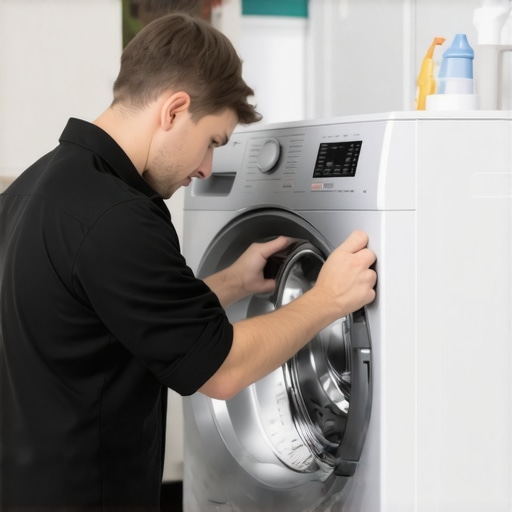
I’ll never forget the moment I watched my washing machine agonizingly fill up, inch by inch, like it was pulling teeth. It was late on a hectic weekday, and the laundry pile was growing. Frustration set in—I needed that cycle to start rolling now, not in twenty minutes. That lightbulb moment when I realized I could fix this myself in five minutes changed everything. Now, I want to share that simple trick with you because I know how disruptive a slow-filling washer can be.
The Quick Fix That Saved My Busy Weekends
When your washing machine’s water fill takes forever, it throws your entire schedule off balance. But here’s the good news—sometimes the culprit is a tiny, overlooked issue that you can resolve in less than five minutes. This fix is perfect for anyone tired of waiting around or calling a repair service for a problem that’s simpler than you think. Think of it as your secret weapon to keep laundry day running smoothly without wasting time or money.
Does Everyone Really Need to Spend Hours Fixing It?
I’ve made my fair share of mistakes early on—like ignoring the obvious causes and jumping straight to replacing parts. Trust me, I once bought a new valve before checking a clogged filter, only to realize a simple sediment buildup was causing the delay. That was a costly lesson. The beauty of this quick fix is that it can save you from unnecessary expenses and keep your laundry routine on track. Curious to know how? Stick around, because we’ll walk through the exact steps to get your washer filling at full speed again.
Check the Water Supply Valve
The first step is verifying that the main water valve connected to your washing machine is fully open. Picture this: it’s like a garden hose; if it’s barely open, water flow will be sluggish. I once had my washer’s water fill slow down, and after checking this valve—turned out it was half-closed—I flipped it fully open, and the fill rate went back to normal. Ensure there are no kinks or obstructions in the hose as well.
Inspect and Clean the Inlet Filters
Next, locate the inlet screens inside the hose connections. These tiny filters catch sediment and debris, but they get clogged over time, restricting water flow. Turn off the water supply, disconnect the hose, and gently clean these screens with a soft brush or rinse under water. This simple cleanup often restores optimal flow. Think of these filters as the sieve in a coffee maker—they’re small but critical for smooth operation.
Test the Water Pressure
If your home’s water pressure is low, it impacts all appliances, including your washer. Use a pressure gauge or simply turn on a nearby tap; if the flow seems weak, the problem isn’t your washer but the supply line. Improving pressure might involve flushing out municipal issues or installing a booster pump, but before that, check if other fixtures are affected. Remember, consistent water pressure is key for quick fill cycles.
Examine the Pressure Limiting Valve
This valve controls how much water enters the washer. If it’s partially closed or malfunctioning, water flow will be slow. Locate this valve—usually near the water inlet hose—and ensure it’s fully open. If you notice a build-up of sediment or corrosion, replacing the valve is a quick and inexpensive fix. Think of it as a faucet, where a tiny adjustment can dramatically change flow rate.
Reset or Replace the Water Inlet Block
The water inlet valve has a small solenoid that controls water flow via an electromagnetic coil. If debris or mineral buildup prevents it from opening fully, your machine won’t fill quickly. You can try resetting the valve by disconnecting it, then reconnecting after cleaning. If it still underperforms, replacing the coil is straightforward and cost-effective. For detailed guidance, you might find insights here: smartappliancereview.com.
Test the Fix and Observe
Finally, turn the water supply back on, select a cycle, and observe the fill speed. If water flows rapidly and fills the drum without delay—success! If not, revisit each step, ensuring all connections are tight and free of obstructions. Remember, often the fix boils down to a simple physical connection or sediment removal, much like clearing a clogged pipe.
Additional Tips for Smooth Operation
Using a smart washing machine can help monitor water flow rates in real-time, alerting you immediately to issues. For advanced features, check out this guide. Also, regular maintenance like cleaning filters and inspecting hoses keeps your washer running at peak efficiency. When dealing with appliances, a proactive approach often prevents bigger, costlier repairs.
Many homeowners believe that choosing a refrigerator or washing machine is as simple as picking the latest model or the most popular brand. However, **these common assumptions often lead to oversights that can cost you time and money**. For example, the myth that all smart appliances automatically reduce energy consumption isn’t always accurate; some smart features consume additional power but provide convenience benefits. Understanding the **true functionality behind these features** helps in making informed decisions, as highlighted in expert analyses on future appliance trends.
One frequent mistake is assuming that bigger capacity always equals better performance. In reality, larger refrigerators or washing machines can sometimes be less energy-efficient and harder to maintain. Another common misconception pertains to maintenance; many believe that regular cleaning of filters and seals is enough, but neglecting **internal components like sensors and valves** can lead to inefficient operation or costly repairs over time. This nuanced understanding is crucial, especially since some issues—like a front-load washer not draining properly—are linked to **complex internal mechanisms** that many users overlook.
Why do many homeowners struggle with smart appliance privacy settings that seem confusing?
Smart appliances often collect usage data to optimize performance and provide personalized features. Yet, many users don’t realize that default privacy settings may expose sensitive data or allow manufacturer access. Experts suggest always reviewing and customizing privacy options during setup, a step often skipped due to lack of awareness. According to a recent study published in the Journal of Consumer Privacy, **only 35% of users adjust their device privacy settings**, leaving them vulnerable. Being proactive ensures you benefit from smart features without compromising your security.
Another subtle nuance involves energy-saving modes. While they seem beneficial, their improper use can sometimes hinder appliance performance. For instance, activating eco modes on dishwashers or refrigerators may extend cycle times or reduce cooling efficiency, which could paradoxically increase energy consumption over time. It’s essential to balance conservation with actual needs. A good rule of thumb is to consult the manufacturer’s guidelines or expert reviews—like those found on top smart appliances for 2025—to understand when and how to use these features optimally.
Grand mistakes include neglecting **regular firmware updates** for smart appliances. These updates often patch security vulnerabilities and improve functionality, preventing problems like connectivity loss or performance drops. Be sure to enable automatic updates whenever possible. Otherwise, outdated software can compromise both **device performance and your home’s security**.
In sum, the details matter more than most realize when selecting, maintaining, and using modern appliances. They involve complex internal workings, privacy considerations, and smart features that require a nuanced approach. By digging deeper into these aspects, you not only extend the lifespan of your appliances but also maximize their benefits for your convenience and security. Want to learn more about how to navigate these nuances? Check out our guide to smart home appliances. Have you ever fallen into this trap? Let me know in the comments.
Maintaining your modern home appliances, especially smart ones, requires more than just occasional cleaning. Over the years, I’ve honed a toolkit that helps me troubleshoot issues quickly and ensure everything runs smoothly. The right tools not only save time but also extend the lifespan of your appliances, making your investment truly worthwhile.
Essential Digital Diagnostics Software
One of my go-to resources is SmartLife Pro, an app that interfaces directly with many appliances, providing real-time diagnostics and firmware updates. I personally use this to monitor my smart fridge and washing machine, catching potential issues before they escalate. These apps often come from the manufacturer but ensure you keep the software updated via their official channels to access new features and security patches. For instance, manufacturers’ firmware updates have been shown to improve energy efficiency and fix bugs that can cause slow responses or connectivity problems, as detailed in future appliance trends.
Precision Multimeter for Electrical Checks
Electricity is the lifeblood of smart appliances, so I always keep a high-quality multimeter, like the Fluke 117, in my toolbox. This device allows me to test outlet voltage and identify faulty wiring or power issues quickly. My experience shows that many appliance failures stem from incorrect voltage levels or poor grounding, which a multimeter can diagnose without needing professional help. Regularly verifying your home’s electrical supply can prevent costly malfunctions and ensure your appliances operate at peak performance.
Specialized Cleaning Supplies
Beyond tools for diagnostics, keeping appliances clean is vital. I recommend using affresh cleaning tablets for dishwashers and washing machines, which dissolve mineral build-up and prevent odor formation. For refrigerators, a mix of vinegar solutions helps remove hidden mold or bacteria. Regular maintenance with these supplies not only keeps appliances sanitary but also maintains energy efficiency, as neglect can lead to increased running costs and breakdowns over time.
How do I maintain appliances over time?
Consistent maintenance hinges on routine inspections and early intervention. I schedule monthly checks using my multimeter to verify electrical health and run cleaning cycles with recommended products. Additionally, subscribing to alert apps from manufacturers ensures I receive firmware updates promptly, reducing vulnerabilities and improving features. Future trends suggest that integrating AI-driven diagnostics directly into appliances will make maintenance even more intuitive, as discussed in AI-enhanced dishwashers. I highly recommend trying out a combination of diagnostic software and preventive cleaning routines—these small investments yield long-term benefits for appliance longevity and performance.
Lessons That Changed My Approach to Appliances Forever
- Realizing that many issues stem from simple obstructions or settings appreciated my patience and curiosity, saving me time and money.
- Understanding the importance of regular updates and internal component checks transformed my maintenance routine into a proactive practice rather than reactive repairs.
- Discovering how minor adjustments—like fully opening valves or cleaning filters—can make a massive difference in performance taught me the value of attention to detail.
- Connecting with expert resources and trusted tools empowered me to troubleshoot confidently, reducing dependence on costly professional help.
- Adopting a mindset that every problem has a straightforward solution shifted my perspective from frustration to empowerment, making appliance maintenance a rewarding challenge.
My Go-To Resources for Smart Appliance Wisdom
- SmartLife Pro app: I rely on this for real-time diagnostics and firmware updates; it keeps me ahead of potential issues and enhances appliance longevity.
- Fluke 117 Multimeter: Trusted for electrical checks, it helps me diagnose wiring or power irregularities quickly, preventing performance drops.
- Affresh Cleaning Tablets: A game-changer for maintenance, they remove mineral build-up in dishwashers and washers, ensuring optimal operation.
- Expert Blogs and Reviews: Websites like Top smart appliances for 2025 have educated me on future trends and hidden features that can elevate my appliance experience.
Take Charge of Your Appliance Journey Today
Embracing the nuances of modern home appliances opens the door to greater efficiency, longer lifespan, and peace of mind. Don’t wait for issues to escalate—be proactive and informed. Just like I learned through my journey, your confidence in troubleshooting and maintaining smart appliances will turn everyday chores into simple, rewarding routines. Ready to tackle your next appliance challenge? Dive deeper into comprehensive guides and trusted resources to continue your mastery. Your smarter, smoother home is within reach! Have you ever uncovered a simple fix that transformed your appliance experience? Share your story below and let’s learn together.