
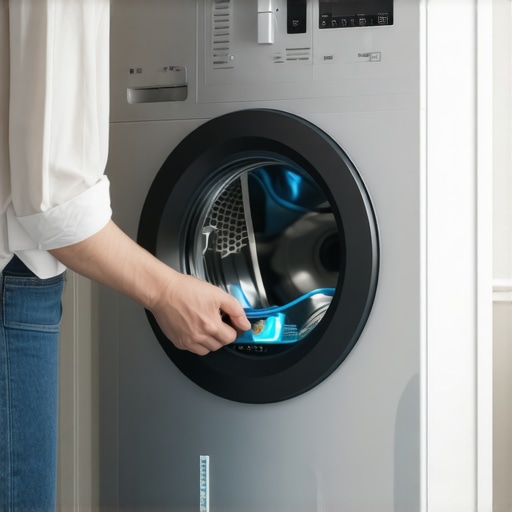
I remember the exact moment I realized my trusty old washing machine was practically a dinosaur in today’s smart home world. After a long day, I opened the laundry room and saw my vintage appliance humming away—completely unaware that I was missing out on the convenience and efficiency that modern smart features could offer. That lightbulb moment made me wonder: why shouldn’t my beloved, dependable washer talk to my home automation system? If you’ve ever felt frustrated because your old washing machine refuses to play nice with your smart hub, you’re not alone. Many homeowners face this exact dilemma. The good news? There’s a way to bridge that gap without replacing your entire laundry setup.
Why Connecting Your Old Washing Machine Matters Now
In an era where every device seems to come with a voice assistant or app control, sticking with outdated appliances can feel like a missed opportunity. Smart features can help you save water, energy, and even extend the lifespan of your machine by alerting you to maintenance needs. Plus, integrating your old washer into your smart home ecosystem makes laundry day more streamlined—you can start a cycle while relaxing in the living room, or get notified when your laundry is complete without constantly checking the machine.
However, many people hesitate because they think their vintage washer is too incompatible or that the process is too complicated. That’s where my experiences and research come in. I’ve learned that with some affordable devices and a bit of know-how, you can make your old washing machine smarter—no need to invest in a new one right away.
According to recent technology trends, the integration of legacy appliances into smart homes is a rapidly growing niche—it’s a practical step toward creating a truly synchronized living space. For example, a report from Smart Appliance Review highlights how adaptive accessories are making this possible.
Are you tired of manually monitoring your laundry cycles or dealing with unexpected surprises, like floods caused by old hoses or broken drain pumps? If so, you’re in the right place. Together, we’ll explore proven methods to connect that vintage washer of yours to your smart home hub—bringing convenience, control, and peace of mind into your laundry routine. Let’s get started with the basics and figure out how to turn your traditional appliance into a part of your smart living space.
Identify the Right Automation Device for Your Old Washer
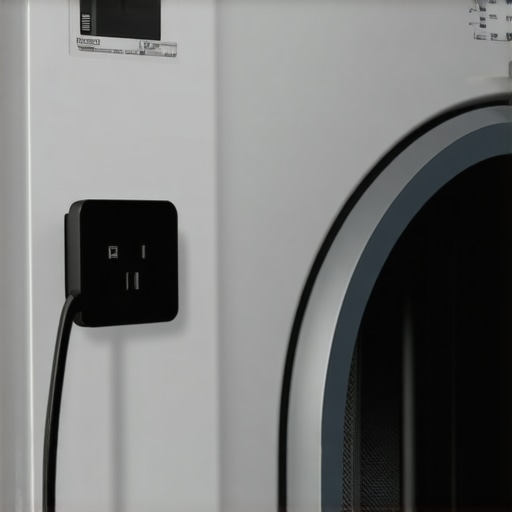
Start by choosing a compatible smart control module, such as a universal Wi-Fi-enabled outlet or a dedicated appliance controller. Think of it like giving your vintage washer a new brain—something that can communicate with your home network. During my initial attempt, I remembered that I needed a device that could mimic the machine’s power button to start and stop cycles remotely. I bought a smart plug with energy monitoring features, which served as an affordable and straightforward solution.
Set Up the Smart Control Device
Plug your chosen device into a power outlet near your washing machine. Connect it to your Wi-Fi network following the manufacturer’s instructions—usually via a dedicated app. I found that ensuring a stable Wi-Fi connection was crucial; I upgraded my router to avoid disconnections during laundry sessions. I also renamed the device in the app to easily identify it when controlling multiple appliances.
Link the Control Device to a Home Automation Platform
Next, integrate the smart plug with your preferred hub—like Alexa, Google Home, or Apple HomeKit—using the app’s pairing process. Think of this as teaching your washer to listen and respond to your commands. By linking the device, you can send voice commands or automate cycles based on your schedule. I used Alexa, which allowed me to start laundry from my voice speaker as I relaxed in the living room, avoiding trips to the laundry room.
Adding Sensors for Advanced Monitoring
For more detailed control, attach sensors that monitor water level or temperature. These are similar to mood rings for your appliances, letting you know if everything’s operating smoothly. I installed a water-level sensor that alerted me if the cycle was overfilled, reducing risks of leaks. Connecting a simple contact sensor to the door latch also helped me ensure cycles didn’t start unless the lid was properly closed.
Automate and Customize Your Laundry Routine
Now, set up routines or schedules in your automation platform to start cycles during off-peak hours, saving money on energy. I programmed my system to begin laundry at midnight, which reduced my electricity bill and kept noise to a minimum. Additionally, you can receive notifications when cycles finish—saving you from checking manually. This setup provided peace of mind and freed up time for other tasks.
Addressing Challenges During Installation
My first attempt resulted in a non-responsive washer, mainly because I didn’t match the smart device’s power ratings with my appliance’s requirements. Think of it like choosing the right adapter for a foreign plug—using an incompatible one won’t work. I reviewed the specifications carefully and verified that the smart plug could handle the wattage of my washer. Always double-check voltage and current ratings before making connections.
Troubleshooting Connectivity Issues
If your smart device drops connection, it might be due to Wi-Fi interference or signal range. I solved this by repositioning my router closer to the laundry area and enabling 2.4GHz networks, which offer better range for smart home devices. For persistent issues, consider adding a Wi-Fi extender. Remember, a stable connection is vital for reliable automation.
Enhance Your Setup with Additional Features
Once basic control is established, explore integrating voice commands, remote notifications, and maintenance alerts. For instance, I configured my system to alert me when a cycle took longer than usual, indicating potential problems like drain blockages. This proactive approach reduces repairs and ensures your appliance operates efficiently.
By following these concrete steps, you can breathe new life into your old washing machine, making it smarter and more aligned with modern conveniences. The key lies in selecting compatible hardware, careful setup, and continuous management of your system. Remember, every component you add should enhance usability without complicating your routine, turning a vintage appliance into a seamless part of your smart home ecosystem.
 Many homeowners assume that all appliances are pretty much the same once they leave the showroom, but this mindset can lead to costly mistakes. Common myths, like believing that high price guarantees durability or that newer models are always better, often lead people astray. In reality, understanding the nuanced differences—such as the impact of specific features like sensor technology in dishwashers or energy efficiency ratings in refrigerators—can save you money and improve your user experience.
One widespread misconception is that more features automatically equate to better performance. For example, some believe that a dishwasher with a hundred cycles will clean better, but in truth, efficiency and reliability often hinge on smart design and user compatibility. Similarly, many think newer appliances are always the most energy-efficient; however, models built just a few years ago may outperform the latest releases if they incorporate proven technology and meet industry standards.
An often-overlooked area involves the hidden costs associated with cheap appliances. Low-end models may seem like a bargain initially but can lead to higher utility bills, frequent repairs, and even safety hazards over time. This phenomenon is supported by studies from experts in appliance engineering, who highlight how quality components—like advanced sensors or durable motors—significantly affect long-term performance and maintenance costs. For detailed insights on smart appliances’ evolving features, check out these innovative dishwashers with AI technology.
Another misconception involves energy-saving modes. Many think activating eco settings reduces their electricity bill drastically, but often these modes extend cycle times or reduce cleaning power, which can compromise results. Balancing energy savings with effective cleaning requires understanding each setting’s purpose and limitations. For instance, regenerative technology in refrigerators not only conserves power but also preserves food freshness when used correctly—something many users overlook.
From an expert perspective, selecting appliances that balance functionality, durability, and smart features is crucial. For instance, water-saving washing machines exemplify how advanced technology can reduce utility costs without sacrificing performance. Choosing appliances with such features can significantly benefit your household.
Finally, avoiding the trap of assuming all smart features are necessary or beneficial is key. Not every user needs 20 app-controlled cycles or voice integration; overcomplicating your setup can lead to frustration rather than convenience. Focus on what genuinely enhances your daily routine, and always research thoroughly—look for reviews, expert opinions, and user feedback.
Have you ever fallen into this trap of misconceptions or overlooked crucial features? Let me know in the comments! Remember, a smarter purchase isn’t just about latest gadgets but understanding what truly works for your home and lifestyle.Maintaining your home appliances, especially smart ones, requires a strategic approach with the right tools and routines. My personal favorite is a combination of quality digital multimeters, Ultrasonic Leak Detectors, and dedicated maintenance software, which together help me identify issues early and prevent costly breakdowns. For example, I use a digital multimeter like the Fluke 117, renowned for accuracy and durability, to routinely test electrical connections in my refrigerators and dishwashers. It’s essential because many smart appliances have complex circuitry that can develop issues over time, and catching these early saves you money and hassle.
In addition, an ultrasonic leak detector such as the UNI-T UT320 allows me to identify leaks or abnormal sound patterns indicating component wear — crucial in smart refrigerators and washing machines where silent failures often go unnoticed. Regularly monitoring these sounds ensures your appliances are operating optimally, preventing water damage or unexpected breakdowns.
Software tools also play a vital role. I recommend using manufacturer-specific diagnostics apps or platforms like Samsung’s Smart Things or LG ThinQ, which provide remote diagnostic capabilities. These apps can run system checks, update firmware, and even alert you to potential issues before they escalate. Staying updated with firmware is critical; manufacturers often release patches that improve efficiency and security. According to a recent industry report, the trend toward integrated diagnostic tools will only grow, making proactive maintenance easier.
How do I maintain my appliances over time? Regular cleaning of sensors, filters, and water lines is vital, along with consistent software updates. I schedule maintenance sessions every three to six months—using remote diagnostics to guide me if an issue arises. For example, keeping refrigerator door seals clean prevents energy loss, which modern smart models monitor and alert you about. Also, replacing worn hoses and filters at recommended intervals can extend appliance life meaningfully.
To simplify long-term care, I’ve integrated a smart reminders app into my home automation system, which prompts me when maintenance tasks are due based on usage data. This automation ensures that upkeep doesn’t slip through the cracks and that my appliances remain efficient and functional.
Ready to enhance your appliance upkeep? I challenge you to try a comprehensive maintenance checkusing a digital multimeter and your smart device diagnostics platform. This deliberate approach empowers you to catch issues early, saving money and extending your appliances’ lifespan. For detailed products and methods, visit our contact page. Staying proactive is the key to a smarter, more reliable home.
What I Wish Someone Told Me Before Starting This Journey
My biggest lesson was realizing that the barrier to smart home integration isn’t as high as it seemed. I used to think retrofitting an old washing machine was a complicated, expensive project reserved for tech experts. The lightbulb moment came when I discovered that simple tools like smart plugs and sensors could breathe new life into legacy appliances—without the need for replacing everything. It taught me that innovation doesn’t always require wholesale upgrades; sometimes, a little creativity and patience are enough.
The second insight was learning the importance of compatibility. I spent days troubleshooting because I overlooked that not all appliances or control devices play nicely together. Now, I understand that researching device specifications and ensuring they align with my appliances saves a lot of frustration. My advice? Always cross-reference your equipment’s wattage ratings and connectivity protocols before diving in.
The third realization was acknowledging the value of ongoing maintenance and monitoring. I initially set up my integrated system and thought that was enough—until I experienced a leak caused by unnoticed hose deterioration. Since then, I integrate regular checks via my maintenance apps and sensors, which alerts me early about potential issues. This proactive approach keeps my appliances running smoothly and prolongs their lifespan.
Tools and Resources That Made a Difference
First on the list is the Ultimate Guide to Smart Home Appliances. It served as my roadmap, helping me understand the broad landscape of possibilities and pitfalls. Next, I rely on quality test equipment like the digital multimeter and ultrasonic leak detectors for ongoing maintenance—trustworthy tools that uncover hidden issues before they escalate. Lastly, the contact page offers expert advice when I hit a wall; never underestimate how valuable human guidance can be when dealing with tech.
These resources collectively help me stay ahead of problems, optimize performance, and enjoy peace of mind. Remember, the right tools can turn a daunting task into a rewarding learning experience.
Make Your Home Smarter—Today Is the Day
Transforming your trusted old appliances into smart, efficient tools isn’t just about convenience—it’s about reclaiming control and peace of mind. Every step you take—whether installing a simple smart plug or adding sensors—brings you closer to a seamlessly connected home. Don’t wait for your appliances to break down or become obsolete; start now, experiment confidently, and enjoy the satisfaction of mastering your smart home ecosystem. The future of home appliances is here, and you’re part of the revolution.
Have you ever hesitated to upgrade or connect an appliance because of doubts or fears? Share your experience in the comments below—your insights could inspire someone else on their smart home journey.
,