
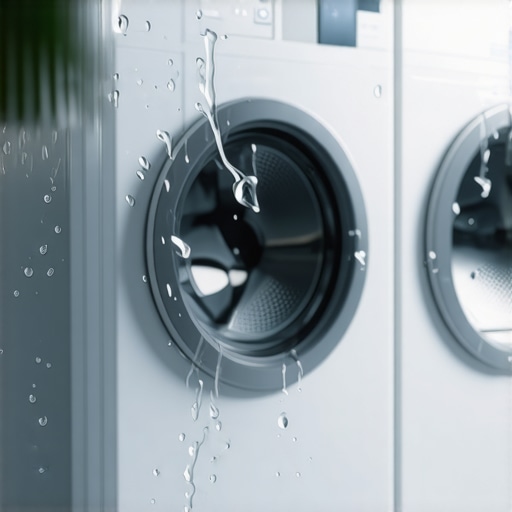
It was a typical Saturday morning when I finally hit my limit. The laundry basket overflowed with clothes, bath towels, and even a few stubborn sheets that refused to dry on the line. As I opened my old washing machine, a strange smell hit me—musty, damp, and oddly sour. That moment, I realized how much my tired old washer was costing me in water, electricity, and mood swings. Like many homeowners, I had ignored the warning signs—long cycles, mysterious leaks, rising utility bills—thinking I was just stuck with the status quo. But then I discovered an entire world of **energy-efficient washers** that could dramatically cut water and energy use without sacrificing cleanliness. Today, I promise to share how I transformed my laundry routine and how you can do the same.
Why Upgrading to an Energy-Saving Washing Machine Matters
If you’ve ever experienced restless nights worrying about rising utility bills or the environmental impact of your household appliances, you’re not alone. According to the U.S. Department of Energy, laundry accounts for nearly 20% of household water use—making it a prime target for conservation efforts. Modern **smart washing machines** not only slash water consumption but also optimize cycles based on load size and soil level, saving you money and helping the planet. Plus, with persistent droughts and increasing energy costs, making smarter choices about your appliances has never been more urgent. If you’re tired of feeling overwhelmed by your utility bills or skeptical about whether energy-efficient washers truly make a difference, you’re in the right place. I made the mistake early on of simply buying the cheapest model, only to find out it used MORE water and energy than my old one. Trust me; a little research and investment can pay off in both savings and peace of mind.
Is All the Hype About Energy-Efficient Washers Legitimate?
Here’s a common concern: Do these high-tech, water-saving machines really deliver? It’s easy to be skeptical. I was too, especially after my initial purchase led to longer wash cycles and less-than-stellar stains removal. But it’s essential to look beyond marketing slogans and focus on real-world performance. The key is understanding the features that matter—like load sensors, adaptive wash cycles, and low water usage technologies. Not all models are created equal, and choosing the wrong one can mean wasted money and frustration. To avoid repeating my costly mistake, I recommend checking out expert advice and reviews before making your decision—know which features genuinely matter and which are just hype. For a comprehensive understanding, you might want to explore the latest insights on **[water-saving washing machines](https://smartappliancereview.com/washing-machines-that-save-water-expert-advice-for-2025)** and see how industry leaders implement cutting-edge technology that balances efficiency with performance.
Assess Your Current Washer and Identify Pain Points
Start by inspecting your existing machine for signs of inefficiency—long cycles, leaks, or strange odors. Pull out your user manual or look up your model online to understand its features and water/energy consumption metrics. I once noticed my washer took over an hour just to clean lightly soiled clothes, which felt like a waste of both time and resources. Document these issues to prioritize what improvements matter most.
Research and Select the Right Energy-Saving Washer
Use industry reviews and expert advice to shortlist models with features like load sensors, eco cycles, and automatic detergent dispensers. For instance, I found a model that adjusts water based on laundry weight, just like a smart thermostat adapts to your home’s temperature. Visit this guide to understand which features truly deliver savings and performance.
Prepare Your Space for Installation
Clear a path and measure your available space to ensure the new washer fits. Check power outlets and water supply hoses for compatibility. Imagine fitting a compact washer in a small apartment—it’s like fitting a custom puzzle piece. If needed, upgrade your plumbing or add an outlet adapter. Careful planning now prevents costly adjustments later.
Install and Connect Your Smart Washer Properly
Follow the manufacturer’s instructions to install the machine securely. Connect it to your Wi-Fi network and download the companion app. I once struggled with Wi-Fi connectivity, reminiscent of fixing a stubborn puzzle piece—disconnected several times until I reset my router and reconnected. Use the app to configure personalized wash cycles and notifications, which helps track efficiency and maintenance needs. For detailed setup tips, see this resource.
Optimize Load and Cycle Choices for Maximum Efficiency
Adjust laundry loads to avoid overfilling or underfilling the drum—think of it like loading a suitcase properly for optimal space. Use eco modes for lightly soiled clothes and select lower water temperatures when possible. During my first attempt, I accidentally used high heat for everything, wasting energy and causing wear. Now, I use the smart cycles suggested by the app, which balance cleanliness with water and energy savings. Experiment with settings to understand what works best for your habits.
Maintain Your Machine to Keep Efficiency High
Regularly clean the detergent dispenser, seals, and filters—think of it as giving your washer a spa day. Use a vinegar-based cleaning cycle monthly to prevent odors and buildup. When I ignored this, I faced a moldy smell that was hard to eradicate. Keeping your washer pristine ensures it functions at peak efficiency, saving water and electricity over time. Consult your specific model’s cleaning instructions or visit this guide for maintenance tips.
Many homeowners operate under misconceptions that hinder their ability to optimize appliances like dishwashers, washing machines, and refrigerators. One widespread myth is that newer, high-tech appliances are always better, but in reality, some smart features can complicate maintenance and increase costs if not used correctly. For example, assuming that a Wi-Fi-enabled refrigerator automatically reduces energy consumption is a mistake—many models use more power due to constant connectivity and updates, as highlighted by experts in smart appliance technology. Understanding these nuances helps you make informed choices rather than falling for marketing hype.
Why do some smart appliances actually consume more energy than their traditional counterparts?
The answer lies in features like automatic updates, constant data syncing, and AI-driven components, which can inadvertently increase power draw. Researchers at the University of California found that some IoT appliances incur higher energy costs due to background activity. This debunks the myth that smart always equals saving. To avoid such traps, focus on core efficiency metrics and read detailed reviews—learn how to select truly energy-efficient units by visiting this comprehensive guide. Another common mistake is believing that upgrading your appliances will instantly solve all household inefficiencies. However, without proper usage and maintenance, even the most advanced equipment can underperform. Regular cleaning, correct cycle choices, and understanding each appliance’s true capabilities are vital. For example, overloading a dishwasher might seem harmless but actually causes poor cleaning and increased energy consumption, defeating the purpose of choosing a modern, water-saving model.
Are there overlooked details that can dramatically improve your appliance efficiency and lifespan?
Absolutely. Small habits like cleaning filters, inspecting seals, and properly loading machines have a significant impact. Neglecting these can lead to premature breakdowns and higher utility bills. Many users overlook this ongoing maintenance, thinking that new appliances are maintenance-free. In truth, knowing how to care for your appliances—not just how to operate them—can save you hundreds over their lifespan. Want practical tips? Check out this ultimate guide for insights on maintaining all your smart home devices effectively.
Tools That Ensure Your Appliances Stay in Top Shape
Investing in quality tools is crucial for maintaining efficiency and prolonging the lifespan of your household appliances. I personally swear by a ultrasonic cleaning device for lint filters and seals—it reaches into tiny crevices where dirt and mold hide, preventing odors and mechanical issues. A digital multimeter is indispensable for troubleshooting electrical problems in washing machines and refrigerators, saving you costly service calls. Additionally, I rely on a reliable water pressure gauge to ensure my supply lines are within optimal range, since fluctuating pressure can cause malfunctions or leaks. These tools quickly pay for themselves by catching issues early, avoiding major repairs down the line.
Streamlining Maintenance with Smart Technology
Modern smart appliances often come equipped with diagnostic features and maintenance alerts, but I’ve found that integrating dedicated software can elevate your upkeep routine. For example, I use the manufacturer’s app-linked diagnostic tools to check on cycle histories, motor health, and filter statuses for my washing machine. These apps sometimes notify me of things I wouldn’t have noticed, such as subtle vibration irregularities indicating a worn bearing. In the future, I predict AI-driven predictive maintenance will become standard, analyzing usage patterns and sensor data to suggest preventative repairs before failures occur. Staying ahead of potential issues keeps appliances performing efficiently—saving money and hassle.
How do I maintain appliances over time?
The key to longevity is a disciplined maintenance schedule. Regularly cleaning filters, inspecting seals, and running routine cleaning cycles prevent buildup that compromises efficiency. For refrigerators, replacing door seals annually ensures proper insulation, which reduces energy consumption. I also set reminders via a calendar app synced to my appliance management software, so no maintenance task is overlooked. Furthermore, keeping informed about the latest trends, like new AI capabilities, allows me to upgrade or integrate tools for better monitoring. Consulting trusted resources like industry experts can provide insights into future upgrades. Try installing a sensor-based water leak detector near your washing machine or dishwasher—it’s an advanced step that can save thousands in damage and repairs over the years.
Lessons I Didn’t Expect to Discover About My Household Gadgets
- I realized that blindly trusting new technology without understanding its quirks can lead to more frustration than savings—truly, reading manuals and reviews changed my game entirely.
- Embracing routine maintenance, like cleaning seals and filters regularly, was a simple step that dramatically extended the lifespan of my smart appliances, saving money and hassle.
- Understanding that not all smart features are beneficial—some can inadvertently increase energy consumption—helped me prioritize genuine efficiency over flashy promises.
My Go-To Picks for Saving Water and Energy in Style
- Smart Washers with Load Sensors: I trust models with adaptive cycles that tailor water usage to the load—it’s like having a personal laundry assistant. For insights, check out this guide.
- Energy-Efficient Refrigerators with Smart Zoning: They keep your produce fresher longer while using less power. I rely on this comprehensive resource for selecting the best models.
- Wi-Fi Enabled Dishwashers: My favorite for convenience—plus, they analyze wash cycles for peak efficiency. See this article for setup tips.
The Power of Small Habits and Smart Planning
I’ve learned that consistent maintenance—like running vinegar-clean cycles monthly—prevents odors and mechanical issues, meaning fewer breakdowns and lower bills. Setting reminders via apps keeps me accountable, transforming appliance upkeep from a chore into an effortless routine.
The Next Step in Your Smart Home Evolution
Investing in quality tools like ultrasonic cleaners and moisture detectors helped me catch issues early—saving money and stress. Combining these with ‘set it and forget it’ automation ensures my appliances serve me best. For tips on integrating AI-driven maintenance, explore this resource.
Let Your Inner Expert Shine and Make Every Laundry Day Count
Now, it’s your turn to redefine how you handle household chores. Embrace smart appliances, implement small but impactful rituals, and enjoy the satisfaction of a more efficient home. Remember, the right knowledge can turn everyday appliances into allies in your quest for a smarter, greener household.
Have you uncovered a trick that made your laundry routine easier or more efficient? Share your insights below—let’s learn from each other!