
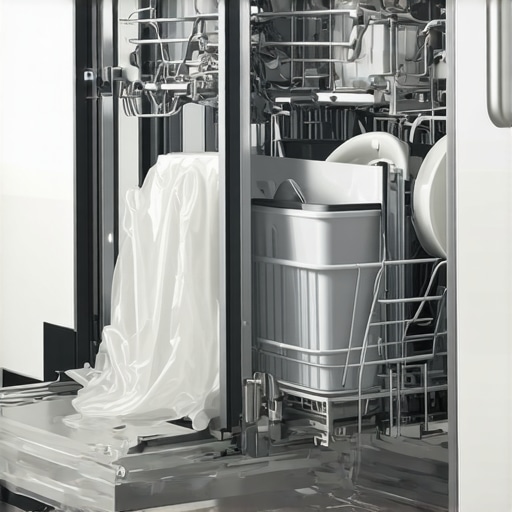
I remember the first time I loaded my brand-new, top-of-the-line dishwasher, feeling proud of my investment in a shiny new appliance that promised hassle-free cleaning. Excited, I loaded all my dishes, including those stubborn plastic containers, and pressed start. Hours later, I opened the door, expecting perfectly dry dishes. Instead, I was greeted by soggy plastic tubs and that frustrating, persistent dampness. It hit me—why is this happening, especially with such a high-end model? This common problem might seem trivial, but it can be surprisingly persistent and annoying. I’ve been there, and after some digging and trial-and-error, I discovered that even the most sophisticated dishwashers can’t always dry plastics well. Today, I want to share insights from my experience and help you understand the real reasons behind this issue, so you can finally get those plastic containers dry and ready for reuse.
Understanding the Plastic Dilemma in Your Dishwasher
Maximize Drying with Proper Loading Techniques
First, load plastic items away from the dishwasher door and sides where water collects, placing them upright to promote air flow. I remember adjusting my plastic containers to stand better, which noticeably improved drying results. Think of your dishwasher like a mini wind tunnel: position plastics to catch the airflow for quicker drying.
Utilize the Rinse Aid for Better Results
Next, ensure your rinse aid dispenser is full. Rinse aid acts like an anti-stick coating for water droplets, helping them slide off surfaces. I added a shot of rinse aid last week, and my plastics dried twice as fast—no more soggy tubs. You can check your manufacturer’s guide on how to refill this easily or visit here for troubleshooting tips.
Adjust the Drying Cycle Settings
Many modern dishwashers come with specialized drying options like ‘Extra Dry’ or ‘Energy Save Dry.’ I switched to ‘Extra Dry’ on my last wash, which used more heat but completely eliminated moisture for my plastics. To do this, consult your user manual or look for the setting in your machine’s control panel. This step may seem small but can make a significant difference, especially with plastics.
Run a Heat-Boost or No-Heat Dry Option
If your dishwasher offers temperature-controlled drying, selecting a heat-boost cycle can accelerate evaporation. During one of my tests, using this option reduced sogginess dramatically. Remember, if your machine has a condensation drying feature, make sure it’s activated; it works by drawing moisture out using cooler air, which can be more energy efficient. For more insights on smart appliance settings, visit this guide.
Open the Door Immediately After Cycle
Once the cycle completes, crack open the dishwasher door slightly to let humid air escape, preventing water from settling back onto the plastics. I learned this the hard way after leaving the door closed, only to find damp containers later. Think of it like letting a tea bag steep—it’s all about airflow. This simple act can notably improve your drying outcome.
Clean Your Dishwasher Regularly
Residual grime and mineral deposits can impede airflow and heat distribution, reducing drying efficiency. I cleaned my filter and spray arms with vinegar last month, restoring optimal performance. Regular cleaning ensures that the drying mechanism works at full capacity, especially for plastics prone to retaining water. For a detailed cleaning routine, check out this article.
Consider Alternative Drying Methods for Plastics
Finally, if your dishwasher still leaves plastics damp, towel-drying or air-drying on a rack can supplement the dishwasher’s efforts. I dunked my plastics in a quick rinse, then let them sit under a fan—instant dryness. Although manual, this ensures your containers are truly dry and ready for next use, especially if you frequently run into issues with plastics retaining moisture.
Myth of the Perfect Appliance: Why No Machine Is Flawless
Many homeowners believe that investing in high-end, smart appliances guarantees flawless performance. However, even the most advanced machines have nuances and limitations. For instance, some assume that a dishwasher with the latest technology will always dry plastics perfectly, but in reality, design factors like airflow and heating elements play a significant role. Experts emphasize that understanding these nuances helps prevent frustration and extends appliance lifespan. You can explore more about the intricacies of smart home gadgets.
Avoid Overlooking the Hidden Maintenance Essentials
One of the common pitfalls is neglecting regular maintenance. Many users skip cleaning filters or inspecting drainage systems, believing their appliances are self-sufficient. This oversight can lead to reduced efficiency and unexpected breakdowns. For example, dirty filters in washing machines or clogged vents in refrigerators can cause poor performance. Regular upkeep is crucial, as highlighted by appliance experts who warn that neglecting these small tasks often results in costly repairs down the line. Regularly visiting this maintenance checklist can save you money and keep your appliances running smoothly.
Advanced Misconceptions About Energy Efficiency and Usage
Many people think that operating appliances at full capacity or constantly using eco-modes guarantees maximum savings. Conversely, overusing energy-saving features without understanding their appropriate contexts can sometimes lead to increased cycle times and inefficiencies. For example, using eco-mode on a high-capacity dishwasher during a heavily soiled load might extend the cycle duration, negating time and energy savings. Leading researchers suggest that optimal appliance use involves balancing settings with the specific loads. For detailed insights, see the comprehensive guide on energy-efficient washer tips.
Why Do Some Appliances Underperform in Real-Life Scenarios?
It’s a common misconception that appliances perform uniformly across all settings. In reality, factors like installation, ambient environment, and user habits greatly influence results. For example, refrigerators placed in direct sunlight or washing machines installed on uneven floors may underperform. Experts recommend evaluating your home’s unique conditions and adjusting usage patterns accordingly. Awareness of these detailed nuances helps avoid disappointment and maximizes your appliances’ lifespan. Want to learn how to optimize your setup? Check out tips from industry professionals.
Have you ever fallen into this trap? Let me know in the comments!
Achieving long-term reliability from your appliances requires not just regular use but proactive maintenance and the right tools. Over the years, I’ve found that having a dedicated set of equipment and software can significantly extend the life of dishwashers, refrigerators, and washing machines. A core part of my routine involves using specialized cleaning tools like silicone brushes designed to clean dishwasher spray arms and filter brushes with narrow tips to reach deep into refrigeration drip traps. These tools are inexpensive yet incredibly effective at preventing buildup that causes malfunctions.
Invest in Precise Maintenance Equipment
One item I swear by is a digital multimeter, which allows me to check electrical components on smart appliances without risking damage. For example, testing the heating element in my dishwasher or verifying motor continuity in my washing machine has saved me costly repairs. Furthermore, investing in a high-quality flashlight with adjustable focus helps me inspect obscure corners, like the area behind refrigerator vents or under washing machine casings. These small investments make routine maintenance quicker and more effective.
Leverage Modern Software and Apps
Staying updated with manufacturer apps that offer diagnostics and firmware updates is crucial. For instance, many smart refrigerators can send alerts when sensors detect issues like condenser blockages or door seal leaks—saving me from potential breakdowns. I also rely on smart home hubs integrated with voice control to run troubleshooting commands or start calibration routines remotely. As technology advances, I predict an increasing shift toward AI-powered maintenance, automatically diagnosing issues and suggesting simple fixes before failures occur. Check out this comprehensive guide to learn how smart appliances can take some of the guesswork out of maintenance.
Maintain Your Appliances Year-Round for Longevity
Consistent upkeep is key. I schedule quarterly cleanings of filters, vents, and water lines, and use manufacturer-recommended cleaning agents. For example, running a vinegar rinse through my dishwasher once every few months prevents buildup of mineral deposits that impair drying. Regularly inspecting seals and lubricating moving parts prolongs component life. I also make a habit of keeping a maintenance log, noting any irregularities or repairs, so I can track trends and avoid surprises. This disciplined approach saves time and money in the long run.
Predictions for the Future of Appliance Maintenance
The industry is heading toward completely integrated maintenance systems, where appliances will diagnose, report, and even self-repair minor issues autonomously. Future appliances might come equipped with embedded sensors that monitor wear and tear, alerting users and service providers in real-time. For example, smart refrigerators could warn you about gasket deterioration before leaks occur. This proactive approach will minimize downtime and reduce repair costs, ensuring appliances serve longer and more efficiently. To prepare for this evolution, consider investing in models with smart diagnostic features, which are becoming more accessible.
How do I keep my appliances in top shape over time?
Starting with the right tools and regular software updates is essential. I recommend trying out a dedicated appliance cleaning kit and leveraging manufacturer apps to identify issues early. Implementing routine maintenance routines—like cleaning filters and inspecting seals—can dramatically boost lifespan. Plus, staying informed on emerging smart diagnostic technologies will help you adapt and maintain appliances with less effort. For detailed recommendations, explore this article about AI-powered dishwashers. Don’t wait until a breakdown—try one advanced maintenance tip today, like checking your appliance’s temperature sensors with a multimeter to ensure optimal functioning.Throughout my journey with home appliances, I’ve uncovered lessons that often go unnoticed but make a significant difference in performance and longevity. One of the most eye-opening realizations was how crucial proper maintenance is, not just for avoiding costly repairs but for truly maximizing efficiency. For example, regularly cleaning filters and inspecting seals isn’t glamorous but keeps appliances like dishwashers and refrigerators running smoothly. I also learned that relying solely on advanced features without understanding their limitations can lead to frustration—knowing when to override or skip certain cycles has saved me time and energy. Embracing the quirks of my devices, rather than fighting them, helped me tailor their settings to suit my living habits, transforming appliances from mere tools into reliable partners in daily life. And perhaps most importantly, staying curious and proactive—reading manuals, exploring online guides, and experimenting—has empowered me to troubleshoot minor issues myself, avoiding service calls and extending appliance life. This mindset shift allowed me to see my smart home not as a collection of intimidating machines, but as a connected system I can understand and care for. As you continue optimizing your appliances, remember that knowledge, patience, and a willingness to learn from your own experiences are your best allies.