

It was a hot summer day, and I opened my fridge only to find it humming louder than usual, with a slight rattle that made me worry about my appliance’s health. That lightbulb moment hit me hard—turns out, dirty coils can cause all sorts of weird noises, energy wastage, and even spoil your food faster.
Why Cleaning Your Refrigerator Coils Matters More Than You Think
I’ve learned through personal trial and error that those coils behind or underneath my fridge are the unsung heroes of food preservation. When they get covered in dust and grime, your fridge has to work overtime, leading to higher electricity bills and potential breakdowns. According to industry experts, maintaining clean coils can improve efficiency by up to 30%, saving you money in the long run,as highlighted by appliance professionals.
But here’s the thing—I used to think cleaning coils was a job for the pros, involving complicated tools and risking damage. Until I realized I was making a rookie mistake early on by using a damp cloth and expecting thorough cleaning. Trust me, I didn’t get far with that approach, and the coils remained grimy, costing me more energy and patience.
Now, I want to share with you a simple, effective way to clean your refrigerator coils yourself—without hiring a repair expert or shelling out big bucks. It’s easier than you think, and I promise, once you get into the habit, your fridge will thank you with quieter operation and lower bills.
Will Cleaning Your Coils Really Make a Difference?
Absolutely. Especially if you’ve noticed your appliance running excessively or your energy bills creeping up. Removing built-up dust and debris from coils keeps your fridge running smoothly, prolongs its lifespan, and reduces the risk of sudden breakdowns. With just a few tools and a bit of know-how, you can master this task in less than 15 minutes.
In the next sections, I’ll guide you step-by-step through the process and share some insider tips I’ve gathered along the way. Are you ready to take control of your appliance maintenance and keep things running cool? Let’s dive into the how-to that could save you hundreds on repairs and energy costs.
Position the Refrigerator and Gather Your Tools
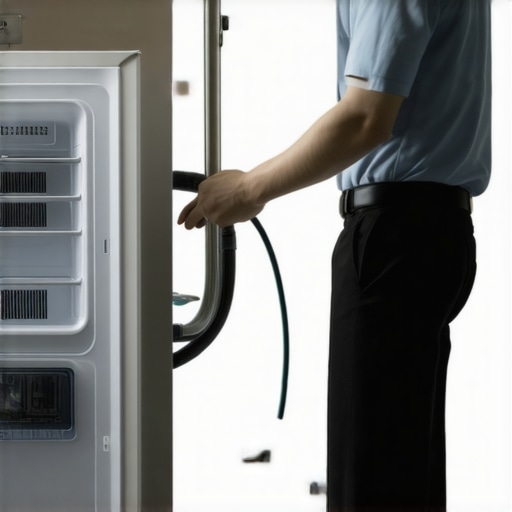
First, unplug your fridge to ensure safety. Move it away from the wall carefully, like pulling out a drawer—think of it as giving your appliance a little extra room to breathe. Gather a vacuum cleaner with a brush attachment, a coil cleaning brush or an old toothbrush, and a damp cloth. These tools are your best friends for this job, making cleaning quick and efficient.
Locate the Coils and Access Them Easily
Find the coils—usually at the back or underneath your refrigerator. For models with rear coils, tilt the fridge slightly forward to access the back panel. If your coils are under the fridge, slide it out gently to reach the area underneath. Remember, each appliance is unique, so consult your user’s manual if you’re unsure. As I did one time, I moved my fridge on a slippery rug; it was messy but worth it for thorough access.
Vacuum Dust and Debris Carefully
Start by vacuuming the coils and surrounding areas with the brush attachment. Picture this step as using a soft brush to remove cobwebs from a garden fence—gentle yet effective. Use slow, sweeping strokes to suck up dust, pet hair (if you have furry friends), and dirt. Be cautious around delicate components; avoid excessive pressure. This step prevents the buildup from acting like a suffocating blanket preventing your fridge’s heat exchange—think of it as unclogging a mask for better airflow.
Scrub Persistent Grime with a Coil Cleaner Brush
Next, use a coil cleaning brush or an old toothbrush to dislodge stubborn grime lodged deep within the fins. Imagine cleaning between the teeth—you need a precise tool for stubborn spots. Gently wiggle the brush between the coils to loosen dirt, then vacuum again to remove loosened debris. One time, I neglected this detail and the grime remained, causing my fridge to run louder and less efficiently—lesson learned the hard way.
Wipe Down and Finish Up
Finally, use a damp cloth to wipe the coils and surrounding surfaces, removing any residual dust and ensuring a clean finish. Avoid using harsh chemicals that can damage the coils. Once clean, slide the fridge back into place and restore power. You might notice your fridge humming more softly, like a content cat—audibly calmer after your effort.
Tips for Maintaining Clean Coils Regularly
Set a reminder to repeat this process every six months. Regular cleaning is like giving your appliance a health check—preventative care that extends its lifespan. Also, keep an eye on nearby vents and ensure objects don’t block airflow. Remember, a clean coil equals a happier, more efficient refrigerator—saving you energy and money over time.
 Many homeowners assume that following basic maintenance tips ensures their appliances remain in top shape, but in my experience, deeper nuances often get overlooked. For instance, a widespread myth is that running a dishwasher with every cycle filled maximizes efficiency; however, studies highlight that overloading can hinder cleaning performance and strain the machine, leading to early wear. Fatigue and improper use can also cause smart appliances to malfunction—many users forget that firmware updates are crucial for optimal operation, as noted by appliance experts.
Why Do Smart Washers Sometimes Fail to Connect to Wi-Fi Despite Strong Signal?
This question touches on the overlooked complexity of IoT device stability, where interference issues or outdated firmware play a role. A report from leading tech analysts emphasizes consistent updates and network management to avoid connectivity problems, which many consumers underestimate.
Furthermore, a common oversight is neglecting the environmental impact of energy-saving modes. While eco settings can reduce utility bills, they sometimes compromise performance, especially in refrigerators where maintaining consistent temperatures is vital for food safety. A recent industry study underscores the importance of balancing energy savings with proper function to prevent spoilage or appliance damage.
In essence, understanding the advanced mechanics and common pitfalls of home appliances enables smarter usage and better longevity. Don’t fall for oversimplified advice—deep dive into your appliance manuals, remain vigilant about updates, and question the popular myths. Have you ever fallen into this trap? Let me know in the comments or check out more expert tips on [Smart Appliances Revolution](https://smartappliancereview.com/smart-appliances-revolution-how-to-choose-the-best-dishwasher) for optimizing your smart home setup.
Investing in Reliability: Tools I Recommend for Appliance Maintenance
Maintaining home appliances like refrigerators, washing machines, and dishwashers isn’t just about quick fixes—it’s about precision, efficiency, and longevity. Over the years, I’ve pinpointed a few essential tools that have made my maintenance routines more effective and less frustrating. First and foremost, I swear by a high-quality digital multimeter; it helps me troubleshoot electrical issues accurately, ensuring I don’t replace parts unnecessarily. Additionally, a dedicated appliance inspection mirror with an LED light lets me access tight spots—especially behind or underneath complex units—saving me hours compared to blindly reaching in.
p>For cleaning and delicate parts, I rely on a set of specially designed brushes—think soft-bristled, narrow-headed brushes—they’re perfect for getting into crevices without damaging sensitive components. A flexible, silicone-based scraper also comes in handy for removing grime from rubber seals or stubborn buildup around filters, without risking scratches or tears. These tools are complemented by a good-quality vacuum with a brush attachment, which allows me to safely clear dust from coils or vent areas without disassembling entire units.
p>Beyond physical tools, I utilize smart diagnostic apps compatible with many modern appliances. These apps often provide software updates, troubleshooting guides, and even remote diagnostics, aligning with where appliances are headed—integrating IoT functionality for smarter, more proactive maintenance. For example, regularly updating the firmware of smart refrigerators or washing machines can prevent glitches and improve energy efficiency, which industry experts actively recommend.
Why Having the Right Equipment Matters for Your Appliance Longevity
Using the proper tools not only speeds up maintenance tasks but also prevents accidental damage that might lead to costly repairs. For instance, using a general-purpose screwdriver on delicate control panels risks cracking plastic components. Specifically, I prefer insulated screwdrivers for electrical parts, which offer safety and precision.
p>Looking ahead, I predict that the trend toward smart maintenance will deepen. Future appliances will likely come equipped with built-in self-diagnostic systems, actively alerting homeowners when components need attention—saving time and money. As this technology evolves, investing in compatible diagnostic tools and learning how to interpret device alerts will become indispensable for proactive appliance management.
p>So, here’s my challenge for you: try integrating one of these essential tools into your maintenance routine—like a digital multimeter or inspection mirror—and notice the difference in troubleshooting speed and confidence. This small step can significantly extend the life of your appliances and keep them running smoothly for years to come.
The Hardest Lesson I Learned About Appliance Care
One of my most eye-opening experiences was realizing that neglecting the coils on my refrigerator wasn’t just about noise—it directly impacted my energy bills and food freshness. I used to dismiss routine cleaning as unnecessary, but ignoring it led to costly repairs and spoiled groceries, teaching me that proactive maintenance saves headaches and money.
Myths That Blocked My Maintenance Success
I believed that only professionals could handle deep cleaning or repairs, which kept me from taking control. After attempting some DIY tips and reading industry insights, I discovered that many tasks are straightforward and empowering, provided I use the right tools and knowledge. Busting these myths unlocked better appliance longevity for me.
The Surprising Impact of Firmware Updates
Another lightbulb moment was understanding that smart appliances require regular firmware updates. Neglecting updates can cause connectivity and efficiency issues, which I used to overlook. Now, I see updates as part of routine maintenance, ensuring my devices operate smoothly and safely.
Why Connecting with Expert Advice Changes the Game
Seeking insights from trusted sources like industry experts transformed my approach from reactive to proactive. Their tips helped me identify issues early, avoiding costly repairs and extending my appliances’ lifespan—this proactive mindset is invaluable.
How Embracing Smart Support Makes Maintenance Easier
Using diagnostic apps and proper tools revolutionized how I handle appliance issues. Knowing what to check and when to call in help saved time and prevented unnecessary expenses. It’s clear that equipping yourself with the right knowledge and tools turns appliance maintenance into a manageable, even enjoyable, part of homeownership.