
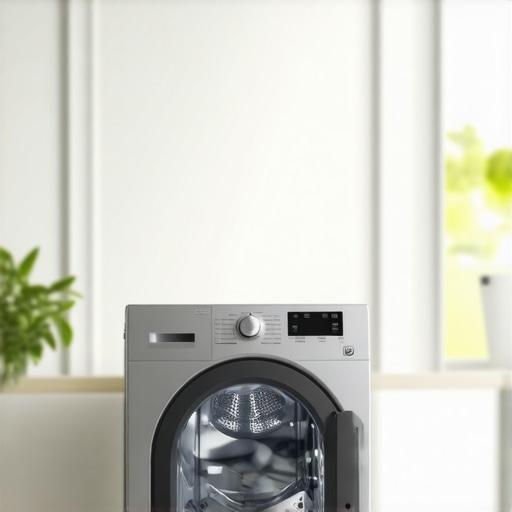
Ever opened your laundry room only to be greeted by that musty, damp basement smell that seems to cling to your washing machine? Trust me, I’ve been there. Nothing is more frustrating than realizing your front-loader is turning your clean clothes into carriers of mold and mildew, all because of a simple oversight. The lightbulb moment for me came when I finally understood that that smell isn’t just about dirt—it’s about trapped moisture and bacteria breeding inside the machine. Today, I’ll share the secrets I uncovered to finally banish that stubborn odor and keep my laundry fresh.
Why Your Front-Loader Smells Like a Wet Basement
The first thing I learned is that front-loading washing machines are fantastic for saving water and space. However, their design is a double-edged sword. The door gasket, detergent residue, and damp environment create the perfect habitat for mold, mildew, and bacteria. Early on, I made the mistake of simply running extra rinse cycles without addressing the root cause. As a result, the smell persisted. It’s crucial to understand that regular cleaning isn’t enough—combating the problem requires a comprehensive approach.
If your machine is smelling less like a fresh breeze and more like a damp cellar, you’re not alone. Many homeowners face this challenge, but the good news is that with a few practical steps, you can restore freshness and prevent future odors. For more insights on how smart appliances are transforming our homes, check out [the future of home appliances trends to watch in 2025](https://smartappliancereview.com/future-of-home-appliances-trends-to-watch-in-2025).
Now, let’s explore the specific mistakes I made early on that hindered my progress—and how you can avoid them to keep your washer smelling clean and bright.
Start with a Clean Slate
Turn off and unplug your washing machine, then inspect the door gasket for visible mold or residue. Use an old toothbrush dipped in a mixture of equal parts white vinegar and water to scrub around the rubber seal, focusing on folds where mold tends to hide. This is the most common harbor for odor-causing bacteria. I remember the first time I did this; the gunk quickly wiped away, revealing a clean, fresh-looking surface that instantly improved my washer’s smell.
Execute a Deep Cleaning with Vinegar and Baking Soda
Pour two cups of white vinegar directly into the detergent dispenser and run a hot water cycle without any clothes inside. Vinegar acts as a natural disinfectant, breaking down mold, soap scum, and mineral deposits. Immediately after, sprinkle half a cup of baking soda into the drum and run another hot cycle. The baking soda neutralizes odors and lifts residues. I applied this method after noticing a stubborn damp smell, and within a cycle or two, the air around my laundry area felt noticeably fresher. This technique replicates a full reset for your machine, similar to giving it a shower to wash away the grime.
Clean the Drain Pump and Filter
Locate and remove the filter, often at the bottom front of the machine. Rinse out any debris or lint that has accumulated. If your washer has a drain pump filter, gently unscrew and clean it with an old toothbrush and warm soapy water. Over time, leftover detergent and lint clog these parts, causing odors and poor drainage. I once neglected this step, leading to a lingering smell despite regular cleaning. Cleaning this out is akin to clearing a clogged artery—prevents build-up and keeps everything flowing smoothly.
Maintain Ventilation and Keep the Door Open
After each wash cycle, leave the door slightly ajar to allow air circulation and moisture to escape. This simple habit prevents mold and mildew buildup inside the gasket and drum. It’s like airing out wet clothes on a hanger—drying out damp spots before they turn foul. I started doing this after a particularly humid week, and I noticed a significant drop in odors over time. Think of it as giving your machine a breath of fresh air—vital for ongoing freshness.
Implement Monthly Preventive Measures
Once a month, run a maintenance cycle with a commercial washing machine cleaner or a cup of hydrogen peroxide. These solutions further disinfect and maintain the internal parts. Also, regularly check the detergent drawer for mold or residue and clean it similarly. I found this simple routine kept my washer smelling like new and extended its lifespan. Regular upkeep acts as a health check-up for your appliance, preventing issues before they arise.
Avoid Common Mistakes That Worsen Odors
Never leave wet laundry sitting inside the washer overnight, as this intensifies mold growth. Use high-efficiency detergents only in recommended amounts; excess detergent can leave residues that mold and cause smells. Additionally, consistently wiping down gaskets and casings ensures no hidden mold festers in unseen cracks. I learned the hard way that ignoring these habits prolongs odors, turning a small problem into a persistent nightmare. Think of your washer like a pet: it needs regular attention and care to stay healthy and odor-free.
While most homeowners focus on basic maintenance, many overlook subtle nuances that can dramatically impact appliance performance and longevity. For instance, a common misconception is that all refrigerators are equally energy-efficient. In reality, the smallest design details, such as door seal quality or airflow paths, can make a significant difference in power consumption, as highlighted by industry experts. Similarly, with dishwashers, many believe using the hottest wash cycle guarantees spotless dishes, but over time, this can accelerate wear without delivering added cleaning benefits if the machine isn’t properly loaded or maintained.
Is Your Smart Appliance Actually Protecting Your Privacy? Checking the Data Risks
Many users assume that smart appliances are secure by default. However, vulnerabilities in connectivity protocols can expose your home network to risks, especially if firmware updates are neglected. It’s crucial to stay informed about firmware patches and security settings, as emphasized in a recent cybersecurity study on IoT devices. Furthermore, understanding the advanced features of appliances—like refrigerated sensors that monitor food freshness—can help you maximize their benefits while guarding your data privacy. Don’t fall into the trap of neglecting these lesser-known details, as they can lead to costly mistakes or privacy breaches. Regularly reviewing appliance manuals and engaging with expert reviews can provide deeper insights—check out [the future of home appliances trends to watch in 2025](https://smartappliancereview.com/future-of-home-appliances-trends-to-watch-in-2025) for cutting-edge updates. One common oversight is assuming that all smart appliances are compatible with your existing systems, but compatibility issues can hinder functionality or lead to security gaps. Always verify device specifications and software requirements before integration. Additionally, many users underestimate the importance of updating device firmware promptly—an action that mitigates known vulnerabilities and enhances features. Proper maintenance routines involve more than cleaning; they include firmware updates, network security checks, and understanding nuanced features that can save money and improve performance in the long run. Incorporating these advanced practices elevates your home appliance management from routine to expert level. Have you ever fallen into this trap? Let me know in the comments!Maintaining your home appliances over time requires a combination of reliable tools, consistent routines, and a bit of technical know-how. I personally rely on a set of specialized equipment and software that make routine maintenance both easier and more effective. For example, I use a digital multimeter to verify electrical components, ensuring my appliances are receiving proper voltage without guesswork. A non-contact infrared thermometer offers quick temperature checks on fridge coils or oven elements, helping me catch issues before they become major problems. Additionally, I utilize manufacturer-specific diagnostic apps, which I regularly update, to run self-tests on my smart appliances. These apps often provide error codes and troubleshooting tips, significantly cutting down repair time.
Regular use of these tools lets me spot minor issues early, preventing costly breakdowns and extending the lifespan of my appliances. For instance, checking the temperature of my refrigerator’s cooling coil with an infrared thermometer ensures it operates within optimal parameters, reducing energy consumption and avoiding the common problem of overcooling or insufficient cooling. These small, consistent checks are like health scans; they keep everything running smoothly.
Looking ahead, as smart appliances become increasingly connected and self-aware, I predict we’ll see more integrated diagnostic systems that sync directly with cloud-based support platforms. This fusion of hardware and AI will enable proactive maintenance, automating routine checks and alerting owners before a problem impacts everyday use.
So, how do I keep my appliances in top shape day after day? I develop a maintenance schedule that incorporates these tools for monthly and quarterly checks. For example, I plan a comprehensive diagnostic run on my smart washing machine using its companion app once every two months, coupled with physical inspections like cleaning filters and coils. This dual approach ensures both digital and physical health.
Are you wondering how to maintain your refrigerators or dishwashers effectively? For deep insights, check out the latest trends in appliance tech on [the future of home appliances trends to watch in 2025](https://smartappliancereview.com/future-of-home-appliances-trends-to-watch-in-2025). Implementing routine diagnostics with the right tools has transformed my maintenance routine from reactive to proactive. I recommend you start by acquiring a quality non-contact infrared thermometer—it’s surprisingly affordable and can save you time and money in the long run. Regularly incorporating these checks will help ensure your appliances run efficiently and last longer, delivering consistent performance for years to come.
Lessons Only Experience Can Teach About Modern Home Appliances
- One of the biggest surprises was discovering that even the best-designed appliances need human oversight. Despite smart features, regular manual checks—like inspecting door seals or cleaning filters—are irreplaceable for longevity.
- I learned that neglecting the internal components, especially those less visible, can lead to hidden mold or dirt buildup, causing odors or inefficiencies many overlook until problems become severe.
- Over time, I realized that understanding the nuanced settings—like adjusting refrigerator humidity levels or dishwashing cycles—makes a tangible difference in appliance performance and energy saving.
- The hardest lesson was accepting that technology isn’t foolproof. Firmware updates for smart appliances are essential; ignoring them can compromise both security and functionality, leading to unnecessary headaches.
Tools and Resources That Changed My Approach
- Infrared Thermometers: These allow quick, non-invasive checks on fridge coils or oven elements, helping catch inefficiencies early. I trust this tool because it provides accurate, real-time data without a hassle.
- Manufacturer Diagnostic Apps: These apps often come with my smart appliances, offering insights, error codes, and troubleshooting tips directly from the source. They’re my go-to for quick diagnostics and peace of mind.
- Reliable Maintenance Guides and Blogs: Sites like [the future of home appliances trends to watch in 2025](https://smartappliancereview.com/future-of-home-appliances-trends-to-watch-in-2025) keep me informed about the latest tech and best practices, ensuring I stay ahead of potential issues.
- High-Quality Replacement Parts: Having access to genuine parts, whether door seals or filters, ensures repairs last longer and maintain integrity—saving money over time and preventing further damage.
Embrace the Journey Towards Smarter Living
“Getting your appliances to perform at their best isn’t just about routine—it’s about building a relationship with your home that’s rooted in knowledge, care, and proactive maintenance.” With each step, from simple inspections to full-scale deep cleans, you’re investing in systems that serve and simplify your life. Remember, the key is consistency and staying informed—your appliances will thank you with years of reliable service. Plus, as smart appliance technology continues to evolve, I believe we’ll see even more intuitive features that empower us to manage our homes effortlessly. Are you ready to take your appliance maintenance to the next level? Don’t forget to check out [the upcoming trends in home appliance technology](https://smartappliancereview.com/future-of-home-appliances-trends-to-watch-in-2025) for inspiration. What small change will you implement today to extend your appliance’s life? Share your thoughts below!