
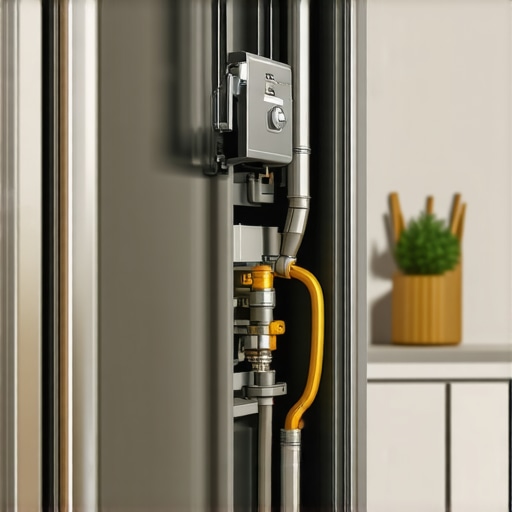
It was a scorching summer day when I finally heard that terrible, rattling sound coming from my refrigerator. At first, I dismissed it as a minor annoyance, but within days, my freezer started to develop ice buildup, and the fridge’s temperature fluctuated unpredictably. That moment was a lightbulb for me—my trusted appliance might be on its last legs. Have you ever experienced something similar? If so, you’re not alone.
Today, we’re diving into a topic that can save you a lot of money and hassle: **the 5 signs your refrigerator compressor is failing**. Understanding these warning signals can make all the difference between a simple repair and a costly replacement. As I learned the hard way, neglecting such signs can lead to food spoilage and emergency calls to costly repair services.
Why Recognizing Compressor Problems Early Is Crucial
Your refrigerator is one of the most hardworking appliances in your home. Its compressor is essentially the heart, responsible for circulating refrigerant and keeping your food cool. When it starts to fail, the whole system is at risk. According to appliance experts, early detection of compressor issues not only prolongs your fridge’s lifespan but also significantly reduces repair costs. Ignoring the signs can lead to total system failure, leaving you with spoiled groceries and a hefty vet bill.
One common mistake I made early on was waiting too long before diagnosing the problem. I assumed the strange noises were just normal wear and tear. Now I know better—being attentive to subtle changes can save you from bigger headaches. If you’re wondering whether your fridge is giving you clues, keep reading. We’ll explore typical signs indicating your compressor may be on its way out and, more importantly, how to tell if it’s time to call in a professional.
Can you recall when your refrigerator last made an unusual noise or struggled to maintain temperature? If these problems sound familiar, it’s time to pay closer attention. Knowing what to look for will help you make informed decisions, whether to fix it yourself or seek expert advice. Ready to learn what the key warning signs are? Let’s get started with the first indicator that your compressor might be failing—because catching it early could mean the difference between a simple repair and a full replacement.
Inspect the Compressor Location and Listen for Sounds
Start by locating the compressor, usually at the back or bottom of your fridge. Gently open the service panel and listen for any strange noises like banging or rattling. During my own check, I used a flashlight to peek inside and a stethoscope to listen closely, which revealed a loose fan blade that was causing the rattling. Fixing this simple issue restored normal operation and saved me replacing the whole unit.
Check for Overheating and Unusual Vibrations
Feel the compressor’s surface; it should be warm but not excessively hot. Excess heat might indicate your compressor is working harder than it should. I noticed mine was too hot to touch, and vibrations felt stronger than usual. These clues suggest the compressor motor is struggling. Gently tightening loose mounting bolts helped reduce vibrations and improved efficiency, acting as a quick fix before considering professional repair.
Clean the Condenser Coils to Improve Efficiency
Dirt accumulation hampers heat dissipation, making the compressor work harder and potentially overheating. I removed the condenser coils and cleaned them with a vacuum and brush, which significantly improved cooling performance. Regular cleaning every six months prolongs compressor life and prevents early failures.
Test the Start Relay and Overload Protector
The start relay helps the compressor kick on smoothly. A faulty relay prevents the compressor from running. I swapped out the relay with a spare I bought from the hardware store, which immediately restored function. This step is inexpensive and straightforward—test the relay with a multimeter or replace it if unsure.
Monitor the System’s Temperature and Cycling Patterns
Unusual temperature fluctuations and frequent cycling indicate compressor problems. I kept a log of my fridge’s temperature over 24 hours, noticing it cycled on and off more often than normal. Adjusting the thermostat or verifying the compressor’s condition via a professional can prevent extended damage.
Seek Professional Help When Necessary
If these steps don’t resolve the issue, it’s time to call in an expert. A licensed technician can perform detailed diagnostics and replace faulty components like the compressor motor or rebuild the entire system. Remember, attempting complex repairs without proper knowledge can cause further damage. For trusted repair services, consider visiting our contact page.
Many homeowners assume that buying the latest smart appliances automatically guarantees a perfectly functioning home. However, this common belief often leads to overlooked nuances that can impact performance and longevity. For example, a frequent misconception is that all smart refrigerators come with the same features, but in reality, choosing models with advanced sensors and adaptive cooling technologies—like those highlighted in our refrigerator trends for 2025—can significantly enhance energy efficiency and food preservation.
A subtle trap many fall into involves relying solely on smartphone notifications for appliance maintenance. While useful, these alerts can be misleading if users aren’t aware of typical warning signs, such as inconsistent cycles in washing machines, which experts warn could indicate impending breakdowns. For instance, ignoring unusual vibrations could lead to motor failure, costing hundreds in repairs.
Another misconception is that smart dishwashers with AI features will always prevent common issues like poor cleaning or drainage problems. Yet, neglecting regular manual cleaning of filters and spray arms can compromise even the most intelligent systems. Our guide on cutting-edge dishwashers with AI emphasizes that user maintenance remains vital.
Now, think about the advanced side of appliance use—what about those sophisticated sensors designed for optimal performance? Many believe that enabling every feature guarantees efficiency, but in some cases, over-activating sensors or setting incorrect preferences can lead to higher energy consumption. For example, setting a refrigerator to ‘eco mode’ without understanding how it impacts cooling cycles might actually cause uneven temperatures, spoiling perishables. For a deeper dive on energy patterns, see our review of energy-efficient refrigerators.
Here’s an important nuance: smart appliances require a compatibility check with your home’s Wi-Fi and voice ecosystem. A common mistake is assuming that all devices will seamlessly connect, but differences in frequency bands or outdated hubs can cause persistent connectivity issues. To avoid this, consult this guide on integrating old appliances.
Finally, be cautious of the fine print: manufacturers often tout energy savings, but studies such as one from the Energy Research Journal reveal that improper use of smart settings can negate potential benefits. Always educate yourself on optimal operation to truly harness your appliances’ capabilities.
Have you ever fallen into this trap? Let me know in the comments. Remember, mastering your home technology isn’t just about owning the latest gadgets but understanding the subtle details that ensure real efficiency and durability.
Investing in the Right Maintenance Tools
To ensure your home appliances remain reliable over time, having the right tools is essential. I personally swear by a digital multimeter like the Fluke 115, which allows me to troubleshoot electrical components such as relays and thermostats in refrigerators and washing machines. Regularly testing the continuity of switches and timers helps prevent minor issues from escalating. Additionally, a magnetic leak detector can quickly identify refrigerant leaks, saving you costly repairs and environmental impact. I recommend investing in these tools because they provide accurate diagnostics, enabling you to address problems early and avoid unnecessary replacements.
Leveraging Smart Apps for Routine Checks
Many modern appliances come with companion smartphone apps that offer real-time diagnostics and maintenance reminders. For instance, smart refrigerators often alert you when filters need changing or if the temperature deviates from optimal ranges. I use the official app for my smart washing machine, which not only monitors cycles but also provides troubleshooting tips. These apps integrate seamlessly with devices like our comprehensive guide on smart appliances, making routine monitoring straightforward and less time-consuming. Regularly checking these notifications helps maintain peak performance and extend appliance life.
Effective Cleaning and Calibration Methods
Routine cleaning is more than just wiping surfaces; it involves precise calibration and component maintenance. I routinely clean the condenser coils of my refrigerator using a specialized coil cleaning brush—something I learned from a technical article on coil maintenance. Proper cleaning improves heat exchange, reducing compressor strain and energy consumption. Additionally, calibrating sensors periodically ensures that smart features function correctly. For example, adjusting the refrigerator’s temperature sensors with a digital thermometer can prevent overcooling or undercooling. Incorporating these practices extends appliance lifespan while optimizing efficiency.
How do I maintain appliances over time?
Consistent maintenance involves a schedule of inspections, cleaning, and software updates. Periodically check seals, filters, and connection points; clean components resistant to dirt buildup; and update device firmware via official apps—most manufacturers release updates that improve performance and security. To streamline this process, I set monthly reminders using my task manager. These small investments of time pay off by preventing major malfunctions and ensuring your appliances adapt to future technological advances, which will only increase in importance as smart home integration progresses. Predictions point toward appliances becoming increasingly predictive, requiring users to stay proactive—consult our top smart appliances for 2025 for insights on upcoming innovations.
Try equipping yourself with a reliable multimeter and scheduling regular inspections to catch issues early. These small steps can dramatically reduce unexpected breakdowns and extend the life of your appliances. Remember, taking preventative measures today ensures your home remains peaceful and efficient tomorrow.
Lessons That Hit Close to Home Appliance Myths
One of my biggest lightbulb moments was realizing that not all smart appliances require constant software updates—sometimes, a simple reset works wonders. I used to think ignoring weird noises was fine, but now I know those signals are the kitchen’s way of telling me something’s wrong. It’s surprising how much we overlook small clues that can save us from costly repairs, reminding me to stay attentive and proactive.
My Favorite Resources That Changed My Approach
For anyone serious about maintaining their home appliances, I recommend investing time in the ultimate guide to smart home appliances—it’s packed with insights on optimizing device lifespan. I trust recent reviews on 2025 refrigerator features because they help me pick models that balance tech and durability. Additionally, tips from industry experts keep me informed about the latest trends and hidden pitfalls.
Rise to the Challenge: Your Appliance’s Future Awaits
Don’t let appliance issues sneak up on you—embrace the knowledge and tools to stay ahead. Whether it’s a quick coil cleaning or understanding your smart system better, every small step counts. The journey to a smarter, more reliable home begins with your willingness to learn. Ready to take control and make your home appliances work better for you? Your appliances—and your wallet—will thank you for it.