
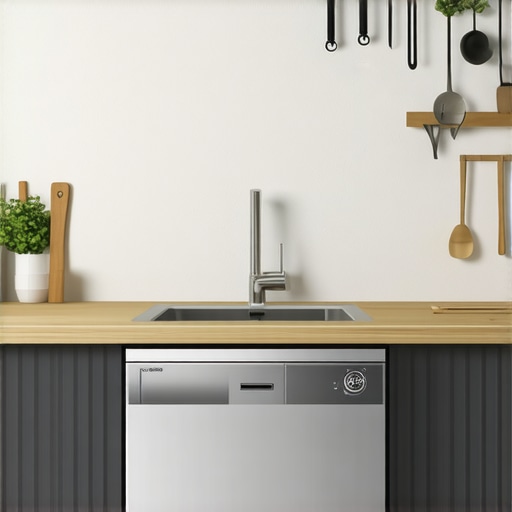
Ever had that frustrating moment in your kitchen where you’re about to start dinner, reach for a clean dish, and realize the dishwashing chaos has taken over every available surface? I vividly remember the day I faced this exact dilemma. My old kitchen was charming, but it left no room for a built-in dishwasher. Every inch was accounted for—except for that tiny corner that seemed perfect for one, if only I knew how to make it work.
Transforming Tiny Corners into Practical Spaces for Your Dishwasher
If you’re like me, you’ve probably stared longingly at those sleek dishwashers and wondered if they’re just too big for your compact kitchen. The truth is, with a little ingenuity and some practical solutions, you can have a modern dishwasher even without the luxury of cabinet space. Today, I promise to walk you through proven methods to tuck that appliance neatly into seemingly impossible spots, so you can reclaim your counter and sink space. This isn’t just about aesthetics; it’s about bringing convenience and efficiency right into your daily routine.
Is It Really Possible to Fit a Dishwasher in Such a Tight Spot?
I’ll admit, my early attempts were riddled with mistakes. I once bought a sleek, top-of-the-line dishwasher only to discover it wouldn’t fit through the doorway into my designated corner. The mistake? Focusing solely on the size of the appliance without considering the space constraints and how to adapt my surroundings accordingly. That oversight taught me a vital lesson—adaptability is key. If you’re worried about whether a solution like this is worth the effort, I can tell you from personal experience: it absolutely is, especially when you value a clutter-free kitchen and the convenience of a dishwasher on demand.
So, have you ever faced a similar space dilemma? If yes, stay with me—because the next sections will unveil the secrets to cleverly fitting your dishwasher into virtually any nook of your kitchen. Plus, I’ll share some insider tips on avoiding common pitfalls—like the dreaded mistake I made early on—that could compromise your project. Ready to go from cramped to streamlined? Let’s dive in and turn that tight corner into your kitchen’s shining highlight!
,
Measure Precisely Before Making a Move
In my own project, I started by re-measuring the corner where I wanted to install the dishwasher. I used a flexible tape measure, checked the width, height, and depth, and noted any uneven surfaces or obstructions like pipes or cabinets. This initial step is crucial; a common mistake is assuming standard sizes fit all spaces. For example, I once overlooked a protruding pipe that lowered the available height by half an inch, which nearly caused my new dishwasher to get stuck. Always double-check measurements against the appliance specs, which you can find on the manufacturer’s website or in the product manual.
Choose Compact or Custom-Size Dishwashers
When space is tight, look for models designed for small spaces—often labeled as ‘counter-depth,’ ‘compact,’ or ‘slimline’. I opted for a 24-inch wide model that fits well into narrower spots, similar to how compact washers save space without sacrificing performance. Alternatively, consider custom-built units or portable dishwashers that can be slid into place when needed. Remember, the key is matching the appliance’s dimensions to your measured space exactly—leaving room for door clearance and ventilation.
Facilitate Easy Installation with Surrounding Modifications
In my case, the existing cabinet was slightly wider than needed, so I removed the adjacent panel to create a snug fit. If your space is narrower, you might consider modifying the cabinetry or installing a custom front panel for a seamless look. Think of this like tailoring a suit: small adjustments can make a big difference. Use a jigsaw for precise cuts, and ensure to reinforce the area to prevent structural issues. Additionally, I installed adjustable feet on the dishwasher; this tweak helped level the appliance even if the floor isn’t perfectly even, which is common in older homes.
Optimize Electrical and Plumbing Connections
Ensure your existing plumbing and electrical outlets are compatible before proceeding. I had to install an extension or move an outlet when I realized mine was behind a fixed cabinet. For the water hookup, a flexible hose allowed me to connect easily without repositioning the fixture. Similarly, a dedicated circuit breaker prevents overloads; I recommend consulting a professional to ensure safety and code compliance. Think of these connections as the nervous system of your appliance—making the process smooth prevents future headaches.
Secure and Test Everything
After positioning and connecting the dishwasher, I secured it with brackets and checked for wobbling. Run a test cycle to verify water intake, drainage, and drying. During my first run, I noticed a small leak due to a loose hose clamp—an easy fix once identified. A thorough check ensures everything functions properly and prolongs the lifespan of your appliance. Remember, this isn’t just about making it fit but ensuring it performs day after day.
With these steps, turning an awkward corner into a functional space is achievable. By measuring meticulously, selecting the right model, adapting your surroundings, and securing connections, you produce a custom solution that seamlessly integrates into your kitchen. This transformative process empowers you to maximize every inch—making your culinary space both efficient and effortlessly stylish.
Many homeowners believe that choosing the latest model is all that matters when it comes to appliances like refrigerators, dishwashers, or washing machines. However, the real challenge lies in understanding the subtler aspects that can make or break your appliance’s performance and longevity. For instance, a common misconception is that bigger always means better. Yet, oversized refrigerators or washing machines for small households often lead to inefficient energy use and increased utility bills. According to a study by the Department of Energy, selecting appliances that match your household size can reduce energy consumption by up to 30%.
Why do we overlook the importance of proper installation and maintenance?
Many assume that an appliance’s performance depends solely on its features, neglecting how crucial correct setup and regular upkeep are. Improper installation—like incorrect leveling of a washing machine or poor ventilation around a refrigerator—can lead to premature breakdowns and higher repair costs. In fact, experts from appliance repair services emphasize that 70% of issues they encounter stem from installation errors or neglecting maintenance routines.
Another widespread myth is that smart appliances automatically optimize themselves without user input. While these devices possess advanced features, they often require proper configuration to realize their full potential. For example, a smart washing machine can conserve water and energy, but only if you select the appropriate cycle and settings. A recent survey found that nearly 60% of smart appliance owners don’t utilize these customizable features fully, missing out on significant savings and convenience.
What is the most common advanced mistake with smart home appliances?
The biggest trap users fall into is assuming that connectivity alone guarantees better performance. For example, connecting your smart fridge to your home network doesn’t automatically improve its cooling efficiency; if the device is set incorrectly or outdated firmware isn’t updated, its smart features won’t operate optimally. The International Association of Home Appliance Manufacturers highlights that firmware updates are critical—neglecting them can result in security vulnerabilities and diminished capabilities.
Furthermore, many homeowners underestimate how environmental factors affect appliance life. Ionized air, high humidity, and fluctuating temperatures can accelerate wear and tear, especially in older homes with less controlled climates. Regularly checking seals, vents, and filters, and ensuring proper ventilation, can significantly extend the lifespan of your appliances. Read more about common pitfalls in appliance maintenance to avoid costly repairs in the future.
In summary, mastering the nuances of appliance selection, installation, configuration, and maintenance is essential to optimize their lifespan and efficiency. Don’t fall into the trap of superficial choices or neglecting small details—because these often hide the biggest pitfalls. Have you ever fallen into this trap? Let me know in the comments, and stay tuned for more tips to upgrade your home intelligently.
Keeping It Working: Tools and Tips for Longevity
Maintaining your home appliances, especially smart refrigerators, dishwashers, and washing machines, requires specific tools and routines to ensure they operate efficiently over the years. One of my go-to tools is a digital multimeter, which I use to regularly check the electrical connections of my appliances. This helps me catch potential issues early, such as faulty wiring or malfunctioning sensors, before they lead to costly repairs. Additionally, a high-quality citrus-based cleaner is essential for cleaning appliance coils and vents, preventing dust buildup that can impair function.
For software maintenance, I rely on manufacturer-specific apps that allow me to monitor performance, run diagnostics, and even update firmware. Regularly updating firmware is crucial; these updates often include security patches and performance improvements, which can extend your appliance’s lifespan. For example, the latest firmware update for my smart fridge improved energy efficiency and added new features like inventory tracking. Staying on top of software updates ensures your devices perform optimally and remain secure from vulnerabilities.
Another indispensable tool is a set of cleaning brushes designed for appliance filters and drains. I use a small, flexible brush to clean out dishwasher filters and washing machine pump filters monthly. Not only does this prevent odors—see this guide on washing machine mildew—but it also avoids drainage issues that can cause water to back up or leak. Maintaining filters is often overlooked but is vital for preventing breakdowns and maintaining hygiene.
Future Trends in Appliance Care and Maintenance
Looking ahead, I predict more appliances will incorporate AI-driven diagnostics that alert homeowners directly via smart apps about issues before they escalate. These systems will learn usage patterns and proactively suggest maintenance, such as replacing filters or scheduling professional checkups, reducing downtime and repair costs significantly.
To prepare for this future, I recommend embracing tools like remote diagnostics and firmware management platforms offered by manufacturers. For instance, innovative dishwashers featuring AI already provide predictive maintenance alerts that help extend appliance lifespan. Incorporate these tools into your routine now by familiarizing yourself with their functionalities, so you’re ready when widespread adoption becomes the norm.
How Do I Keep My Appliances in Top Shape Over Time?
Implementing a regular maintenance schedule is critical. That includes cleaning filters monthly, checking door seals for cracks or mold, and running diagnostic tests on your appliances periodically. Don’t forget to keep spare parts like door seals and water inlet valves handy; in some cases, replacing a worn part early can prevent complete system failure. For detailed guidance, refer to expert advice on appliance parts and maintenance.
Take my challenge: try using a multimeter to verify your appliance’s electrical connections this month. It’s a simple yet effective step that could save you from unexpected breakdowns and high repair bills. Remember, proactive maintenance combined with the right tools not only extends your appliance’s lifespan but also enhances its efficiency, saving you money in the long run.
The Hardest Lesson I Learned About Smart Appliances
Early in my journey, I thought that merely upgrading to the latest smart washer or refrigerator would solve all my household woes. Turns out, misplacing attention on features rather than real needs led to frustration. The biggest lesson? No device is smarter than the user guiding it. Investing time in understanding the unique quirks of your appliances—like firmware updates or proper installation—can dramatically extend their lifespan and performance.
Peeling Back Myths That Block Better Home Living
I used to believe that bigger, more expensive appliances automatically meant better efficiency. Experience taught me otherwise: size isn’t always a performance metric. Selecting appliances calibrated for my household size—guided by expert recommendations—results in energy savings and fewer repair headaches. Real insight came from questioning assumptions, like the myth that all smart features work flawlessly without user input or maintenance.
The Hidden Details That Make a Difference
One overlooked aspect was environmental factors—humidity, temperature, and even household power stability—which subtly impacted my appliance performance. Simple steps like verifying electrical connections with a multimeter or cleaning critical components prevented problems down the line. These small, deliberate actions reinforced that proactive maintenance isn’t just routine—it’s the secret to reliable, long-lasting appliances.
My Essential Tools for Appliance Excellence
Over time, I found that having the right toolkit transformed my approach. A quality digital multimeter, appliance-specific cleaning brushes, and firmware management apps keep my appliances running smoothly. My trust in sources like the ultimate guide to smart home appliances has expanded my understanding and confidence, making routine upkeep less daunting and more empowering.
Take Action and Shape Your Appliance Future
Your home appliances are more than just machines—they’re vital partners in daily life. Embrace the habits and tools that promote their longevity and efficiency, and consider exploring innovative features like AI-driven diagnostics. The future of home appliances is bright for those willing to learn and adapt. Ready to elevate your appliance game? Dive into expert advice, stay curious about new tech, and share your experiences to inspire others. How will you modernize your kitchen setup today?