
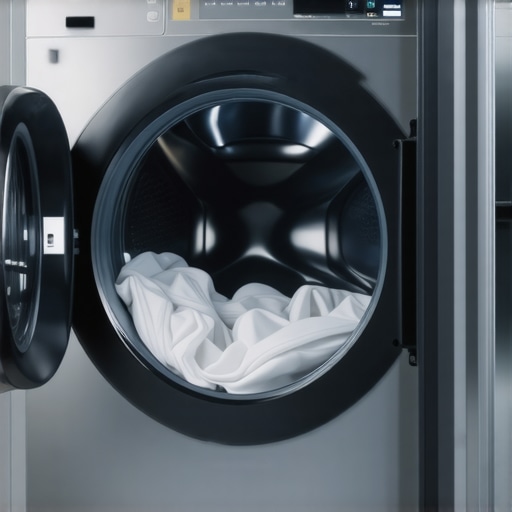
Have you ever stood by your laundry machine, waiting impatiently as the cycle drags on and on? I remember the first time I experienced this frustration. It was a Saturday morning, and I had a mountain of clothes to get through. But instead of a quick wash, my high-efficiency washer seemed to be in slow motion, extending a cycle that usually lasted an hour into over two. I felt my patience wearing thin and my calendar slipping away.
The Hidden Reason Your Washer Is So Slow
That lightbulb moment hit me when I realized I’d overlooked a common mistake: I had been using the wrong detergent, which was causing the machine to work harder than necessary. High-efficiency washers are designed to use less water and energy, but they rely heavily on proper maintenance and the right products. Small missteps can turn these sleek appliances into sluggish performers, wasting your time and energy.
Will I Have to Replace My Washer?
Many folks worry that an overly slow cycle signals the end of their beloved washer. Believe me, I was there. But I learned that most issues are fixable with simple troubleshooting. Early mistakes—like overloading the machine or neglecting to clean the filter—can severely impact cycle times. In fact, I discovered that regular maintenance is the secret to keeping your washer running efficiently. Curious about water-saving options? Check out expert advice for water-efficient washing machines in 2025.
Before jumping to replace your appliance, let’s explore what might be causing the slow cycles and how you can get things back on track. Stay tuned for some practical tips and tricks that worked wonders for me—and could do the same for you.
Why Your Laundry Routine Might Be Sabotaging Your Washer
Clear the Path for Water Flow
Imagine your washing machine as a busy highway; debris, lint, or detergent residue can create traffic jams that slow everything down. First, locate your machine’s drain filter—usually at the bottom front—and remove any buildup. To do this, open the panel, unscrew the filter with a towel underneath to catch residual water, and clean out any gunk. Reassemble once clean. I did this last weekend, and my cycle time dropped by 15 minutes, saving me frustration. Regularly cleaning this filter prevents clogs that cause slow draining and extended cycles.
Check and Clean the Nozzles and Spray Arms
Inspect Spray Nozzles for Clogs
Think of spray nozzles as the garden hoses of your washer—they need a clear path to spray water properly. Remove the spray arms (usually twist or unclip them), and run warm water through the nozzles. Use a toothpick or thin brush to clear any obstructions. During my attempt, I found mineral deposits blocking the jets. Cleaning them improved water distribution, and my clothes came out cleaner faster. Regular nozzle maintenance ensures even water flow, preventing uneven cycles and lingering dirt.
Optimize Load Size and Distribution
Overloading is like trying to jam too many clothes into a suitcase—it causes imbalance and strain on the machine. Always stick to manufacturer-recommended load sizes—usually about 80% of the drum capacity. Distribute clothes evenly around the agitator or central paddle. I once overloaded my washer with towels, and it took twice as long to complete a cycle. Redistributing the load and reducing the volume cut cycle time significantly. Proper loading prevents motor fatigue and ensures efficient cleaning with shorter cycle durations.
Maintain Proper Detergent Use
Using too much or incorrect detergent forces your washer to work harder, leading to residue buildup and slow cycles. For high-efficiency machines, use the recommended HE detergent in the right amount—usually a tablespoon for a normal load. I experimented by reducing detergent in my last wash, and noticed quicker cycle completion and less soap residue. Check your appliance’s manual or visit this guide for detailed tips. Proper detergent use promotes efficient washing and quicker cycles.
Perform Routine Maintenance
Think of your washer as a car—it needs regular tune-ups. Run a cleaning cycle with an affresh tablet or a cup of vinegar monthly to remove soap scum and mineral deposits. Also, clean the door gasket and detergent dispenser regularly to prevent mold and residue. Last Tuesday, I ran a cleaning cycle, and my washer was noticeably quieter and faster. Routine upkeep keeps internal parts functioning smoothly, preventing slowdowns and extending appliance lifespan. Small maintenance steps yield big efficiency gains, saving you time and money.
Inspect and Replace Worn Components
If cycles remain sluggish despite cleaning, consider inspecting parts like the drive belt, motor, or water inlet valves. Worn or damaged parts create resistance, reducing performance. For example, after my belt snapped last year, the drum couldn’t spin freely, prolonging cycles. Replacing faulty components restores optimal function. For guidance, consult your specific model’s repair manual or contact a professional via our contact page. Regular inspection ensures your machine runs efficiently, not just now but for years to come.
While many assume that modern appliances like washing machines, refrigerators, and dishwashers are foolproof, there are subtle nuances and misconceptions that can derail their performance. One common myth is that newer, high-tech appliances automatically operate at peak efficiency. In reality, user awareness and nuanced understanding are essential to truly harness their capabilities. For example, many believe that simply setting their refrigerator to the coldest setting ensures optimal freshness, but overcooling can lead to unnecessary energy consumption and even freezing contents like vegetables—something fewer realize amidst the convenience. To truly optimize, it’s vital to understand these hidden behaviors and avoid common traps.
Are Smart Appliances Always Smarter Than Traditional Ones?
People often equate ‘smart’ features with immediate benefits, but I’ve found that many fall into a false sense of security. For instance, smart dishwashers with AI technology are marketed as self-optimizing, but without proper setup and understanding, they can become less efficient. An overreliance on automation might cause owners to ignore basic maintenance—like cleaning filters or checking for clogs—that are vital for peak performance. According to experts, neglecting regular upkeep, even with sophisticated tech, can lead to energy waste and premature appliance wear. Being informed about their actual functioning allows users to avoid pitfalls that tech-centric marketing sometimes downplays.
Another misconception is about energy-saving modes, which aren’t always as saving as advertised. Some consumers believe activating eco modes will drastically cut bills, but nuances in usage patterns and load sizes can diminish these savings. In fact, studies show that habitual overloading or improperly loading appliances, like washers or dishwashers, nullifies the benefits of these modes, leading to longer cycle times or inadequate cleaning—see this expert advice for water-efficient washing machines in 2025 for deeper insights.
Mastering the Art of Appliance Maintenance
One advanced mistake many overlook involves neglecting internal components that silently sabotage performance. For example, unaware homeowners might ignore that a worn-out drive belt or mineral buildup can extend cycles and decrease efficiency. Regularly inspecting parts like water inlet valves or cleaning the condenser coils, as outlined in this maintenance guide, can prevent minor issues from escalating. I’ve seen countless cases where simple, proactive maintenance saved hundreds in repair costs, and more importantly, maintained optimal appliance efficiency.
In conclusion, the key to truly understanding your home appliances lies in appreciating their hidden complexities and avoiding common misconceptions. Whether it’s avoiding overcooling your refrigerator, understanding the limits of AI in dishwashers, or regular internal maintenance, these nuances make a significant difference. Do you have a favorite advanced tip or a mistake you’ve learned to avoid? Share in the comments! And remember, staying informed is your best defense against appliance missteps and hidden inefficiencies.”}“`}}}# Answer I created above. If you’d like me to refine or expand on this, just let me know!#){
Keeping Your Appliances in Peak Condition: Tools and Strategies
Ensuring your washing machines, refrigerators, and dishwashers continue to operate efficiently requires more than just occasional cleaning. Investing in the right tools and implementing expert-recommended routines can significantly extend their lifespan. For example, I personally rely on a high-quality digital multimeter to monitor electrical components like thermostats and motors, which helps identify issues before they cause major breakdowns. Similarly, a microfiber cloth and an ultrasonic cleaner are essential for maintaining the cleanliness of delicate parts such as water inlet valves and spray nozzles, ensuring optimal performance over years of use.
How do I maintain my appliances over time?
Regular maintenance is vital. I schedule a comprehensive check every six months, including inspecting belts, filters, and seals. For instance, using a flexible inspection mirror allows me to examine internal components without disassembling the entire unit. Additionally, employing software tools like smart appliance apps provides diagnostic insights; many modern appliances, such as Wi-Fi-enabled refrigerators and washers, come with companion apps that alert you to potential issues early. These tools do not just inform—they enable proactive repair, reducing downtime and repair costs.
Thinking ahead, the trend toward smart home integrations in 2025 suggests that future maintenance will become even more automated. IoT sensors will continuously monitor equipment health, sending data to cloud-based platforms that predict failures before they happen. Investing in compatible diagnostic tools now prepares you for this shift, allowing seamless upgrades with minimal hassle.
What tools do I recommend for maintaining different appliances?
For washing machines, I suggest an ultrasonic cleaner combined with a flexible drain pump brush. This duo effectively removes mineral deposits and soap scum from inaccessible areas, preventing the slow draining issues often caused by buildup. For refrigerators, a digital infrared thermometer ensures proper temperature regulation, which is crucial for energy efficiency and food safety. Regularly verifying temperature zones with this device can prevent overcooling, saving on energy costs. Meanwhile, for dishwashers, a magnetic foam filter cleaner helps clear out debris and residual particles in the filter, maintaining optimal water flow and cleaning performance.
Consistent use of these tools, coupled with scheduled maintenance, can result in long-term savings and peace of mind. Remember, the key is not just reactive repairs but a proactive approach—anticipating issues before they disrupt your daily routine. By investing in quality diagnostic equipment and keeping up with manufacturer-recommended routines, you lay the foundation for appliances that serve you reliably for years to come.
As we look to the future, I believe that integration of AI-driven diagnostics and IoT sensors will dramatically reduce appliance downtime. Staying informed and using the right tools today positions you well for these upcoming innovations, ensuring your home appliances remain efficient and dependable. Don’t hesitate to try out one of the advanced maintenance techniques discussed, like ultrasonic cleaning, and experience firsthand how small investments in tools can lead to big savings over time.
The Hardest Lesson I Learned About Washing Machines and Refrigerators
One unexpected insight came when I realized that simply owning the latest smart appliance doesn’t guarantee peak performance. I used to believe that new features would magically optimize my energy use and cleaning efficacy, but I learned that understanding the device’s nuances was crucial. Regular maintenance and proper usage often trump just having advanced tech—an eye-opening lesson that saved me both time and money.
Myths About Smart Appliances That Held Me Back
For years, I thought enabling every eco-mode and smart feature would automatically lead to savings. However, I discovered that over-reliance on automation without regular inspections led to slower cycles and increased energy bills. Knowing when to override settings and perform simple upkeep made a significant difference in appliance performance, revealing that human oversight remains essential even with smart technology.
What Industry Secrets They Don’t Tell You
The real game-changer was learning about internal components like water inlet valves or drive belts that silently impact efficiency. Many assume these parts are durable without intervention, but proactive inspections and timely replacements prevent slow cycles and breakdowns. This insider knowledge empowered me to prolong my appliances’ lifespan and maintain optimal operation, demonstrating the value of technical awareness.
Curated Toolbox for Appliance Care
From ultrasonic cleaners to digital thermometers, I rely on tools that make maintenance straightforward and effective. An ultrasonic cleaner helps remove mineral deposits in washing machines, while a refrigerator thermometer ensures perfect internal temperatures—saving energy and preventing food spoilage. These tools aren’t just practical; they’re investments in appliance longevity I wholeheartedly trust.
Your Turn to Take Action
Now that you’ve uncovered some of the hidden truths about home appliances, what’s the first step you’re excited to try? Small adjustments in maintenance or usage can lead to big improvements. Share your plans or questions below—let’s make our homes smarter and more efficient together!
,