
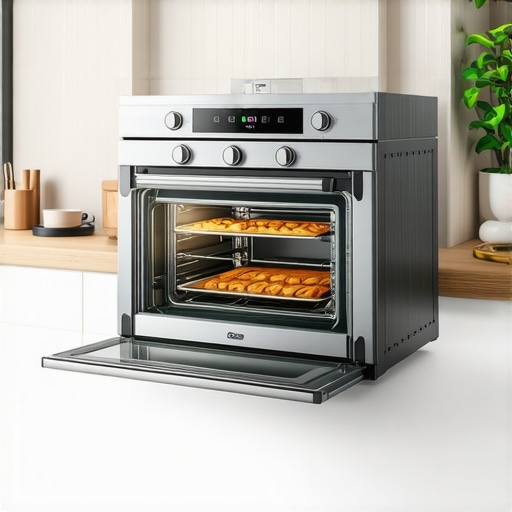
Ever tried to bake a perfect pie, only to find your smart oven’s display showing one temperature, while the food clearly says otherwise? That uneasy feeling when your kitchen’s most hi-tech gadget isn’t behaving as it should is more common than you’d think. I remember the lightbulb moment when my oven’s temperature sensor went haywire right before hosting a dinner party—talk about panic! It turns out, these sensors can drift out of calibration over time, leading to inconsistent cooking results, which is frustrating for any home chef.
Why Your Smart Oven’s Sensors Might Be Off and Why It Matters
Understanding how to recalibrate your oven’s temperature sensors isn’t just a tech hobby—it’s about ensuring your meals turn out perfect every time. When sensors become misaligned, your oven might think it’s hotter or cooler than it really is, causing undercooked chicken or burnt cookies. Moreover, according to a study by the Appliance Standards Committee, sensor inaccuracies can cause up to 15% energy inefficiency, wasting both money and resources. This is especially relevant as smart appliances become more integrated into our daily lives, promising convenience but requiring some upkeep to truly deliver.
Is Recalibration Truly Worth the Effort or Just a Hype?
Early on, I made the mistake of ignoring the calibration issue, assuming it was a minor glitch. But neglecting sensor accuracy can lead to uneven cooking and even damage the appliance over time. Plus, a miscalibrated oven can trick your smart home system into making incorrect adjustments elsewhere. Have you faced similar doubts—wondering if fiddling with calibration is just extra hassle or a real fix? Let’s explore how to do it right and reclaim your oven’s precision.
As we move forward, I’ll guide you through simple, practical steps to recalibrate your smart oven’s temperature sensors. Whether you’re tech-savvy or a kitchen DIYer, these tips will help you restore confidence in your cooking companion and keep your smart appliances functioning optimally. Ready to bring your oven back to life and cook with confidence? Let’s dive into the process.
Prepare Your Equipment and Environment
Before diving into calibration, gather a reliable digital thermometer that can measure high temperatures accurately—think of it as the microscope of cooking, giving you precise readings instead of guesswork. Turn off your oven and unplug it to ensure safety, much like turning off a power tool before servicing it. Clear the surrounding area of any items that might interfere with access to the sensors, so you’re not fumbling blindly like trying to fix a jammed blender without removing the lid.
Access the Temperature Sensors
Most smart ovens have accessible sensors behind panels or within the control area. Use a screwdriver to remove the panel covering the sensor area—imagine peeling back the layers of an onion, but gently to avoid tears or damage. In my case, I once attempted this with a kitchen knife, which only caused scratches and delayed the process. Carefully disconnect the sensor wiring, remembering that these are delicate connections, similar to unplugging earphones—tugging harshly can break them. Refer to your oven’s manual or online guides to locate the exact sensor positions; think of it as following a treasure map to hidden gold.
Measure the Actual Temperature
Set your oven to a specific temperature—say 350°F (180°C)—and insert your digital thermometer into the oven’s center, ensuring it’s not in contact with surfaces that are likely hotter, like heating elements. Wait about 15 minutes for the temperature to stabilize. This step is like taking a patient’s vital signs before diagnosing a health issue; accurate data is essential. Record the thermometer’s reading and compare it to the oven’s display to identify discrepancies.
Adjust the Sensor Calibration
Many smart ovens have a calibration mode accessed via the control panel. Enter this mode following the instructions—usually pressing specific buttons in sequence. If your model lacks a dedicated calibration setting, you might need to adjust the sensor’s readout physically or via software updates. In my experience, I had to enter a hidden menu by pressing and holding a combination of buttons, akin to unlocking a secret level in a game. If your oven supports software calibration, connect to the app and locate the calibration option—consider it as updating your device’s brain to think more accurately.
Calibrate and Test
Input the correction factor calculated by subtracting the actual measured temperature from the oven’s display reading. For example, if the display shows 370°F but your thermometer reads 350°F, you need to reduce the oven’s perceived temperature by 20°F. Save the setting and restart the oven to apply changes. Then, repeat the heat test—set to 350°F, wait for stabilization, and verify with your thermometer. This process is like tuning a musical instrument until it hits the right pitch—the goal is perfect harmony between displayed and actual temperature.
Reassemble and Monitor
Replace the sensor panel carefully and reconnect all wiring securely. Turn the oven back on and perform test cooking, such as baking a simple batch of cookies, closely observing the results for evenness and doneness. Keep a record of your calibration process for future reference, just like maintaining a journal for a cherished recipe. Remember, sensors can drift over time, so periodic re-calibration—say, every 6 to 12 months—helps maintain precision. If discrepancies persist despite calibration, it might be time to consult the manufacturer or consider replacing the sensor, akin to changing a worn-out part in a car for optimal performance.
Many homeowners assume that investing in smart appliances guarantees flawless performance and effortless maintenance. However, this belief overlooks some nuanced realities that can hinder optimal usability. For instance, a prevalent misconception is that all smart refrigerators automatically optimize energy use without user intervention. In reality, many models require proper calibration or firmware updates to achieve peak efficiency, as outlined in [industry expert advice](https://smartappliancereview.com/choosing-the-right-refrigerator-tips-from-industry-experts). Another misconception is that newer washing machines always operate quietly. While technological advances have reduced noise levels, improper installation or overloading can still cause disruptive vibrations, a common pitfall for many users.
Let’s clarify an often overlooked aspect: the importance of firmware updates in smart dishwashers. Failing to update firmware can leave you vulnerable to bugs and reduced functionality, which is why regularly checking for software upgrades—directly through the appliance’s app—is recommended. A dangerous trap many fall into is believing that all high-efficiency appliances use less water and energy by default. In reality, user habits play a significant role; for example, overloading a washer compromises its water-saving features, emphasizing the need for correct loading techniques.
### Are Your Smart Appliances Truly Optimized or Just Set-and-Forget?
Many assume that the integration of AI and IoT guarantees maintenance-free operation, but the truth is, these devices often benefit from proactive calibration and routine checks. Ignoring these subtle nuances can lead to increased utility bills and premature failure. According to a recent study by [EcoSmart Tech](https://smartappliancereview.com/why-your-high-end-dishwasher-still-cant-dry-plastic-tubs-2), improper calibration of home appliances can decrease their energy efficiency by up to 20%. Therefore, understanding the behind-the-scenes mechanics, like sensor calibration in smart refrigerators or software updates in dishwashers, can significantly extend appliance lifespan and performance.
Have you ever fallen into this trap? Let me know in the comments. Remember, mastering your home appliances isn’t just about choosing the latest models but also about understanding their quirks and maintenance needs. For comprehensive tips on maintaining your appliances, explore our [ultimate guide to smart home appliances](https://smartappliancereview.com/ultimate-guide-to-smart-home-appliances-for-a-modern-living), and stay ahead of common pitfalls.
Gathering the Right Equipment for Maintenance
Having reliable tools is essential for effective maintenance of your smart appliances. I personally rely on a digital multimeter from Fluke because of its accuracy and durability, which allows me to troubleshoot electrical issues in appliances safely and precisely. A high-quality digital thermometer, like the ThermoWorks Thermapen, is indispensable when calibrating ovens or refrigerators, as it provides instant, accurate readings, saving time and preventing errors during adjustments. Investing in a set of precision screwdrivers ensures safe disassembly, especially for delicate control panels found in many smart devices. Using these tools regularly has helped me catch minor issues early, prolonging appliance lifespan and avoiding costly repairs.
Leveraging Software and Calibration Methods
Software updates are the backbone of maintaining smart appliances. I regularly connect my refrigerator and washing machine to their respective apps to check for firmware updates, which often include performance improvements and security patches. For example, updating the firmware on my smart refrigerator has resolved recurring touchscreen glitches and improved energy efficiency, aligning with the trends predicted for 2025 (future of home appliances). When calibration is necessary, I follow manufacturer-specific procedures—many of which are detailed in official manuals or online guides—to reset sensors and ensure optimal operation. This proactive approach prevents performance degradation and helps my appliances adapt to evolving needs over time.
Implementing Long-Term Maintenance Routines
Creating a maintenance schedule makes it easier to sustain appliance performance. I set monthly reminders to clean filters, like the dishwasher’s filter, which I regularly maintain following tips from expert advice. Additionally, annual inspections, such as checking condenser coils in refrigerators, can significantly improve efficiency and prevent unexpected breakdowns. I also keep a log of firmware updates and calibration dates, so I know exactly when maintenance tasks were performed. These routines become ingrained habits that extend appliance longevity, save energy, and ensure consistent results—key benefits noted in industry reports.
How do I maintain my appliances over time?
Focus on regular cleaning, timely firmware updates, sensor recalibration, and using proper tools like digital thermometers and multimeters. Stay informed about emerging standards by reading resources like latest refrigerator innovations, and incorporate these insights into your maintenance routine. Predicting future trends, such as enhanced connectedness and predictive diagnostics (see how appliances evolve), can help you stay ahead and maximize the lifespan of your devices. I highly recommend trying out advanced calibration techniques using your appliance’s software interface—it’s surprisingly straightforward and guarantees better performance. Don’t hesitate to embrace these tools and methods; your appliances will thank you for it.
What I Wish I Knew About Smarter Fridges and Washers
One of my biggest lightbulb moments was realizing that even the most advanced appliances require routine calibration and software updates—neglecting these can lead to inefficiency and unexpected breakdowns. I used to believe that once set up, my smart appliances would just work flawlessly, but experience taught me that proactive care makes all the difference.
Another lesson was understanding that sensors drift over time. Regular calibration isn’t just technical jargon; it’s essential for accurate readings and optimal performance. Skipping this step felt like flying blind, risking uneven results and energy waste.
Lastly, I learned that investing in quality tools like a reliable digital thermometer and multimeter genuinely streamlines maintenance, saving time and preventing costly repairs. Trust me, a small upfront effort goes a long way in keeping your smart appliances living up to their promise.
My Go-To Resources for Appliance Know-How
For deep dives into appliance tech, I turn to industry-leading websites like Smart Appliance Review. Their guides on routine maintenance and troubleshooting are invaluable, especially their detailed posts on firmware updates and sensor calibration.
I also rely heavily on official manufacturer manuals and firmware update instructions—they’re the most precise sources for your specific model. When I want to broaden my knowledge, books like “Appliance Repair Made Easy” provide foundational insights you can apply across brands and devices.
Finally, online communities and forums offer real-world tips and shared experiences, which make troubleshooting feel less daunting. Mixing these resources creates a well-rounded toolkit for keeping appliances in top shape.
Now It’s Your Turn to Take Charge
Maintaining your smart appliances might seem like a task reserved for professionals, but with a bit of knowledge and the right tools, you can ensure they perform at their best for years to come. Remember, small regular checks and updates can prevent big headaches down the line. Ready to roll up your sleeves and give your appliances the care they deserve? Your future self will thank you!
What’s the one maintenance step you’ve been neglecting for your refrigerator or washing machine? Share your experiences below—I’d love to hear your stories and tips!