
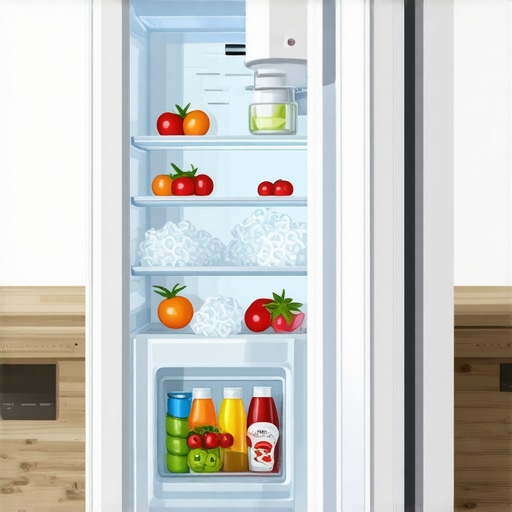
There was a morning I vividly remember—opening my brand-new refrigerator, expecting that satisfying burst of cold air, only to be greeted by a warm, stagnant interior. I felt a sinking frustration as I heard the faint hum of the freezer working perfectly while my fridge sat stubbornly warm. That moment was a lightbulb for me: even new appliances can have issues, and troubleshooting isn’t always obvious.
Getting to the Heart of the Warming Fridge Problem
When your refrigerator’s fridge compartment isn’t cooling properly but the freezer remains frozen, it feels like a puzzle. It’s easy to assume the appliance is broken or that you need a costly repair; I did, and I learned the hard way. The truth is, many of these problems stem from simple issues like airflow blockages, faulty fans, or incorrect temperature settings.
Is Checking the Thermostat Worth the Effort?
Early in my troubleshooting, I made the mistake of ignoring the thermostat setting, thinking it was a factory default. Turns out, it was set too high—allowing the fridge to operate in a temperature range that couldn’t keep the internal temperature cool enough. Setting the correct temperature (usually around 37-40°F for the fridge and 0°F for the freezer) is crucial. If you haven’t checked your thermostat recently, that should be your first step. Interestingly, according to industry experts, improper temperature settings are among the most common causes of cooling issues in new appliances (source).
Have you experienced this frustrating mismatch with your refrigerator, or is it still working fine? No matter your situation, understanding these basics can save you time and money. Now, let’s dive into the specific causes and how to resolve them—so you can enjoy your new appliance without worry.
Check and Adjust the Temperature Settings
Start by locating your fridge’s thermostat and confirm it’s set to around 37-40°F. I once assumed my fridge was pre-set, but after resetting it to the correct temperature, I noticed the internal temperature stabilized within hours. Use a digital thermometer for accuracy; if you notice it’s set correctly but still warm, move to the next step.
Inspect Airflow and Clear Blockages
Uneven cooling often results from blocked vents or accumulated debris. Remove food items blocking vents and vacuum dust from the back coils, much like cleaning a computer’s fans to prevent overheating. Doing so boosts airflow and helps maintain consistent temperatures. Be gentle—using a soft brush attachment prevents damage to delicate coils.
Clear Dust from the Condenser Coils
Dirty coils act like a clogged radiator, reducing heat exchange. I once used a coil cleaning brush to remove thick dust, which improved cooling performance noticeably. Perform this monthly for optimal efficiency. If your coils are hard to access, consult your fridge manual or consider professional help.
Verify the Operation of Fans and Evaporator Components
Listen for the evaporator and condenser fans; if they don’t spin freely or make unusual noises, they might need replacement. For instance, a fan failure caused my fridge to run warm, even with correct settings. Turn off the fridge and try spinning the fan blades gently; if they resist or wobble, contact a technician or check if a fuse has blown.
Test the Compressor and Start Relay
The compressor pressurizes refrigerant, fueling cooling cycles. If it’s silent or hot to touch, it may be malfunctioning. A faulty start relay can also prevent the compressor from activating. You can test relays with a multimeter or replace them based on your model’s specifications. If you’re uncertain, schedule a professional inspection to prevent further damage.
Look for Fan and Thermistor Malfunctions
Sometimes, smart thermistors send incorrect temperature data, causing the compressor to stay off. Use a multimeter to test resistance at different temperatures; erratic readings suggest replacement. Alternatively, resetting your smart fridge through its control panel might recalibrate sensors, similar to rebooting a computer. Refer to your model’s manual or [contact support](https://smartappliancereview.com/contact-us) if needed.
Inspect Door Seals for Gaps
Gasket leaks allow warm air in, making your fridge work harder. Examine the seals and close the door on a dollar bill; if it slips out easily, replace the gasket. This process is akin to sealing gaps in a tent to maintain temperature. Proper sealing reduces workload on the compressor and stabilizes internal temperature.
Utilize Smart Diagnostics if Available
Many modern units come with diagnostic features. Access these through the control panel to identify error codes. For example, I used my fridge’s app to run a diagnostic test, which pointed to a faulty temperature sensor. Follow the manufacturer’s instructions or consult [smart appliance experts](https://smartappliancereview.com/ultimate-guide-to-smart-home-appliances-for-a-modern-living) for guidance on interpreting results.
Seek Professional Help When Necessary
If after these steps your fridge still remains warm, it’s time to call a certified technician. Attempting complex repairs without proper knowledge can worsen the problem or cause further damage. Remember, some issues, like compressor failure or refrigerant leaks, require specialized tools and expertise—think of it as fixing a skyscraper’s foundation rather than patching a fence.
By systematically checking each component—temperature settings, airflow, fans, coils, sensors—you can identify and resolve most common reasons a refrigerator may fail to cool properly. This hands-on troubleshooting mindset not only saves money but also extends the lifespan of your appliance. For more insight into selecting the best smart appliances, visit [industry experts’ tips](https://smartappliancereview.com/choosing-the-right-refrigerator-tips-from-industry-experts) to optimize your home.
Many enthusiasts assume that choosing the latest appliances guarantees optimal performance, but in my experience, there’s a lot of nuance that even seasoned homeowners overlook. For instance, a prevalent myth is that smart appliances always simplify life, yet without understanding their advanced features and quirks, you might end up creating more chaos than convenience.
Why Believing Bigger Means Better Can Backfire
It’s common to think larger refrigerators or washing machines are inherently better because they hold more and seem more efficient. However, bigger isn’t always better if your space isn’t optimized or if the unit isn’t energy-efficient. Overlooking the importance of energy ratings and compatibility with your home’s power system can lead to unexpected bills and maintenance issues. According to a study published in the Journal of Consumer Research, misjudging appliance size and capacity is one of the leading causes of home appliance dissatisfaction (source).
Another common misconception is that all smart appliances are equally intelligent. Many owners assume that simply connecting to Wi-Fi makes these devices smarter. But the real advantage lies in properly configuring and leveraging their advanced features, such as adaptive cleaning cycles in dishwashers or energy-saving modes in refrigerators. Failing to explore these features often results in underperformance. Just as with smart washing machines, understanding how to integrate advanced sensors and AI can significantly enhance efficiency and durability (more info).
Common Pitfalls in Appliance Maintenance and Use
An area many miss is routine maintenance. For example, neglecting to clean filters or dust the condenser coils in refrigerators can drastically reduce their lifespan and efficiency. This oversight is a trap that leads to increased energy consumption and premature repairs. Remember, appliances like these are complex systems that thrive on consistent upkeep to perform at their best. Regular maintenance can prevent issues before they escalate, saving time and money in the long run. For more practical tips on maintenance, visit this guide.
Advanced users often overlook the significance of proper load balancing in washing machines. Overloading can cause undue wear and reduce cleaning effectiveness. Conversely, underloading leads to water and energy waste. Achieving the right load size maximizes appliance lifespan and performance. Similarly, understanding the correct detergent type, especially for high-efficiency washers, can make a notable difference (read more here).
Unearthing the True Advantages of Smart Appliance Integration
Beyond basic connectivity, integrating appliances into a centralized smart home ecosystem offers real benefits. Properly setting up routines so that your refrigerator, oven, and washing machine communicate can optimize energy consumption and convenience. For example, scheduling your washing machine to run during off-peak hours not only saves money but also reduces strain on your local grid. However, many overlook the importance of data privacy and security. Ensuring your smart devices are protected against cyber threats is crucial, as highlighted by cybersecurity experts in recent reports (privacy considerations).
In conclusion, achieving maximum efficiency and durability from your home appliances entails more than just purchase decisions. It demands a deep understanding of their advanced features, regular maintenance, and wise integration into your lifestyle. By digging beneath the surface and challenging common assumptions, you can unlock the true potential of your smart home setup. Have you ever fallen into this trap? Let me know in the comments.
How do I maintain my appliances over time?
Maintaining home appliances requires a combination of the right tools, regular habits, and a proactive mindset. One of my go-to tools is a high-quality digital multimeter, which I use to check electrical components like thermostats and sensors in refrigerators and washing machines. For example, I routinely test the resistance of thermistors in my smart fridge, ensuring they operate within the manufacturer’s specifications. This simple step can prevent inaccurate temperature readings that lead to inefficient cooling or freezing problems.
Another essential tool is a coil cleaning brush, designed specifically to clean condenser coils in refrigerators and air conditioners. I personally use a long, narrow brush with soft bristles to remove dust and dirt without damaging delicate fins or coils — this significantly improves energy efficiency and prolongs appliance lifespan.
Furthermore, a smartphone app linked to smart appliances can be invaluable. Many models allow remote diagnostics and firmware updates via dedicated apps. For instance, I rely on my fridge’s companion app to run health checks and receive alerts about potential issues, reducing the need for unplanned repairs. Regularly updating appliance firmware (which I do via the app) ensures you benefit from latest features and security patches, as highlighted in the official advice.
Looking ahead, I predict that integration of AI diagnostics and predictive maintenance will become standard, allowing appliances to notify homeowners proactively about potential failures before they occur. This shift will greatly reduce downtime and repair costs, making appliance upkeep more seamless.
To leverage this, I recommend setting reminders to perform routine inspections like coil cleaning every 6 months and firmware updates monthly. Additionally, investing in a specialized multimeter and a coil cleaning brush has paid dividends in my maintenance routine. Try incorporating these tools into your own routine for longer-lasting, more reliable home appliances. For more on smart appliance maintenance, visit the comprehensive guide.
The Hidden Lessons Your Appliance Troubles Taught Me
- Sometimes, the simplest fix is overlooked: I spent hours contemplating complex repairs before realizing that a temperature reset or coil cleaning was all my fridge needed. Don’t underestimate the power of a basic check; often, the answer isn’t buried deep but right at the surface.
- Embracing ongoing maintenance transforms longevity: Regularly cleaning coils, verifying sensors, and updating firmware might seem tedious, but these routines act like vitamins for your appliances. They truly extend lifespan and maintain peak efficiency, saving money in the long run.
- Smart features require intentional engagement: Connecting your appliance online is just the start. Exploring functionalities like diagnostics and energy-saving modes unlocks their true potential—it’s akin to learning a new skill that can revolutionize your daily routine.
- Knowledge is your best repair companion: Understanding internal components, from fans to thermistors, empowers you to troubleshoot confidently or communicate effectively with technicians. Think of it as having a mini-mechanic at your side, ready to assist anytime.
- Myth-busting saves frustration: The misconception that size equals efficiency can lead to poor choices. Real-world experience taught me to prioritize features, energy ratings, and compatibility—guiding smarter investments and avoiding déjà vu repairs.
Tools and Resources That Changed My Game
- The Ultimate Guide to Smart Home Appliances: This comprehensive manual helped me understand integration and optimization, turning my appliances into truly connected members of my household.
- Water-Saving Washing Machines: Expert advice here influenced my choice of eco-friendly, efficient washers—saving money and the environment simultaneously.
- Privacy and Security Tips: Ensuring smart device safety became a priority after reading this, giving me peace of mind as I explore connected tech.
- Expert Support and Community Forums: When I hit a snag, consulting knowledgeable personnel and fellow enthusiasts made troubleshooting less daunting and more educational.
Your Appliance Journey Starts Today
Taking control of your home appliances transforms them from mysterious boxes to trusted allies. Detailing your knowledge and proactive maintenance not only saves money but also heightens your confidence. Remember, every challenge is a chance to learn—a step closer to mastering your smart home ecosystem. Are you ready to troubleshoot smarter and maintain your appliances like a pro? Share your stories or questions below—let’s grow together in this journey to smarter living!
,