
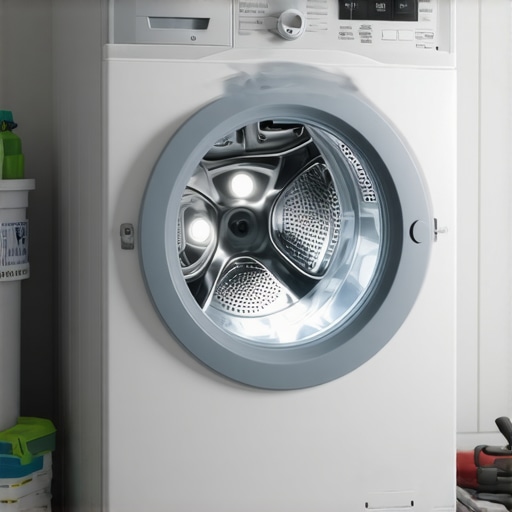
I remember the sinking feeling when I was in a rush to finish laundry, only to watch my washing machine come to an abrupt halt mid-cycle. The drum kept spinning, but suddenly, everything went still. Frustration bubbled up—I knew I wasn’t the only one facing this headache. If you’ve experienced this kind of pause, you’re not alone. Many homeowners grapple with washing machines that stutter or completely stop, turning what should be a straightforward chore into a test of patience.
Today, I’m here to share what I’ve learned through my own missteps and troubleshooting adventures. We’ll dig into why your washer might be quitting unexpectedly, and more importantly, how to get it back on track. No more guessing games or costly repairs when the solution is often simpler than you think.
Why Your Washing Machine Might Quit Mid-Cushion and How to Fix It
When my machine stopped without warning, I initially thought it was an expensive motor or a faulty control board. Turns out, the problem was something much easier—like a clogged drain filter or a misbehaving lid sensor. Understanding these common culprits can save you time and money.
Did you know that over 70% of washing machine issues are caused by simple obstructions or minor electrical glitches? According to appliance experts, many problems are fixable with a little DIY elbow grease. For instance, I once ignored the importance of cleaning the drain filter, and that oversight led to frequent stoppages. Once I cleaned it out, everything ran smoothly again.
If you’re tired of your washer stalling when you least expect it, don’t worry. We’re going to explore practical steps to diagnose and fix the problem. Whether it’s a blocked pump, a faulty door latch, or an electrical hiccup, there’s a good chance you can resolve it yourself.
Looking for ways to make laundry easier with smarter appliances? Check out how [smart washing machines can simplify laundry day](https://smartappliancereview.com/how-smart-washing-machines-can-simplify-laundry-day). Or, discover the latest in [top smart appliances for a seamless home experience in 2025](https://smartappliancereview.com/top-smart-appliances-for-a-seamless-home-experience-in-2025). As we dive into solutions, I’ll also share some cautionary tales about common mistakes—so you’re equipped to avoid the same pitfalls.
Let’s get started on bringing your washing machine back to life, so laundry doesn’t have to be a dreaded chore anymore. Do you often find your washer stopping in the middle of cycles? Share your experience—I’d love to hear your story, and together, we’ll find your fix.
Check the Drain Pump for Blockages
Start by unplugging your washing machine to prevent electrical hazards. Locate the drain pump filter, which is often at the front bottom of the unit. Use a towel or shallow container to catch any water that might spill when you open it. Carefully twist or unscrew the filter cover and remove debris, lint, or small objects that may obstruct the pump. I once stuck a sock in the filter, causing the machine to stop mid-cycle. After clearing it out, my washer ran smoothly again.
Test the Drain Pump Motor
Disconnect the hoses from the pump and check for clogs or damage. Use a multimeter to test the motor’s electrical continuity. If it shows no continuity or is making humming noises without turning, the pump may need replacement. Replacing a pump is akin to swapping out a clogged valve in a garden hose—you regain flow with minimal hassle.
Inspect and Clean the Lid or Door Lock Sensor
Most washers cease operation if the lid or door isn’t properly closed. Examine the switch or sensor area—look for dirt, grime, or physical damage. Use a clean cloth to wipe the sensor and ensure it aligns correctly with the latch. I once had a slightly misaligned door that prevented the cycle from starting; adjusting the latch fixed the issue.
Test the Sensor Functionality
Use a multimeter to verify if the sensor’s switch activates when the door is closed. If defective, replacing the sensor restores proper cycle operation. Think of the sensor as a gatekeeper—if it doesn’t open, the machine won’t proceed.
Examine the Electrical Components
Unplug the machine and open the control panel, following manufacturer instructions. Check for loose wires, blown fuses, or tripped circuit breakers. Use a multimeter to test continuity across circuit components. I once found a loose wire connection causing intermittent stops; securing it restored consistent function.
Reset the Control Board
Unplug the washer for at least five minutes to allow the control board to reset. Sometimes, a simple reset clears glitches similar to rebooting a computer. After plugging it back in, run a test cycle to confirm resolution.
Evaluate the Power Supply
Ensure your outlet provides stable power. Use a multimeter or plug another device into the same socket to check for consistent voltage. Fluctuations or surges can shut down your washer unexpectedly. If inconsistent, consider using a surge protector or consulting an electrician.
Verify Voltage Compatibility
Ensure your washer’s voltage requirements match your home’s electrical system. Mismatched voltage can cause malfunction or damage. For high-efficiency washers, following manufacturer guidelines is crucial for safe operation.
Implement Smart Solutions
Integrate your washing machine with smart home systems for easier troubleshooting. Modern appliances can alert you to issues before they become major problems, similar to how smart security cameras notify you of intruders. Discover how [smart washing machines can simplify laundry day](https://smartappliancereview.com/how-smart-washing-machines-can-simplify-laundry-day). Such technologies can preemptively diagnose errors, saving time and frustration.
Many homeowners believe that high-tech appliances like smart dishwashers, refrigerators, and washing machines are designed to work flawlessly out of the box, but this is a common misconception. In reality, the complexity of modern appliances means there are nuances and pitfalls even seasoned DIYers often overlook. For example, a frequent mistake is assuming that all smart features automatically optimize performance; however, many smart appliances require proper setup or firmware updates to truly function efficiently. Skipping these updates can lead to misdiagnosed issues or subpar energy savings, as highlighted by recent industry studies.
People also tend to overlook the importance of maintenance specific to these advanced devices. A case in point is the misconception that filter cleaning and calibration are optional for smart refrigerators and dishwashers. In truth, neglecting routine care can cause sensor errors or connectivity issues, diminishing appliance lifespan and efficiency. When it comes to washing machines, many assume that setting the cycle length longer will necessarily clean better, but in fact, cycle design and load sensors play a bigger role than just duration.
One trap worth avoiding is the belief that newer is always better without considering compatibility or user needs. For example, integrating a new smart dishwasher into an older home wiring system without checking voltage compatibility can lead to connectivity failures or even damage. That’s why consulting expert advice on appliance integration, like these [tips on choosing the best dishwasher](https://smartappliancereview.com/how-to-choose-the-best-dishwasher), can save headaches.
Have you ever fallen into this trap? Let me know in the comments. I’d love to hear your experiences and share strategies to navigate these hidden nuances for a smarter, more reliable home.Maintaining your home appliances like dishwashers, refrigerators, and washing machines is essential for long-term performance and avoiding costly repairs. One of the most effective ways to ensure longevity is by investing in quality tools and adopting regular maintenance routines. Personally, I rely heavily on a digital multimeter and a trusted appliance troubleshoot app, which have become indispensable in my toolkit. The multimeter allows me to quickly test electrical components such as fuses, switches, and sensors, ensuring they work correctly without needing to call a professional. Meanwhile, a dedicated app helps diagnose error codes and provides step-by-step repair guidance, saving me time and money.
In addition to handheld tools, software solutions are increasingly essential. For example, connecting appliances that support smart technology to their corresponding apps gives real-time insights into their health. With features like predictive maintenance alerts, I can address issues before they escalate. For instance, my smart refrigerator notifies me when the condenser coils need cleaning, which is crucial for maintaining energy efficiency. Regularly updating appliance firmware also plays a role in keeping devices functioning optimally. Manufacturers often release updates that fix bugs, improve performance, or add new features. Setting a recurring reminder to check for updates ensures my appliances stay current.
Deep cleaning is another cornerstone of appliance longevity. For washing machines, descaling and cleaning gaskets and filters prevent mold buildup and foul odors, which can impair operation. I make it a habit to run monthly cleaning cycles with recommended cleaning agents. For dishwashers, clearing out the hidden drain filter and inspecting spray arms prevents clogs that cause incomplete washes or leaks. These simple steps often make a significant difference in appliance performance over years.
Looking ahead, the trend in appliance maintenance is heading towards more integrated, AI-driven diagnostics. Future smart appliances will likely communicate directly with technical support or even schedule maintenance remotely, reducing downtime. To prepare for this evolution, I recommend adopting a routine of proactive checks with the best available tools.
**How do I keep my appliances functioning efficiently over the long term?** One approach I swear by is investing in a reliable digital multimeter combined with an appliance diagnostics app. This combo allows me to test electrical issues on-site and interpret error codes without guesswork. If you’re ready to take your appliance maintenance to the next level, try periodically running firmware updates and thorough cleanings, which can prevent many common problems and extend equipment lifespan.
For example, regularly cleaning refrigerator coils using a brush and vacuum can reduce energy consumption and avoid overheating—crucial for maintaining efficiency as outlined in expert advice on [washing machines that save water](https://smartappliancereview.com/washing-machines-that-save-water-expert-advice-for-2025). Incorporate these habits into your routine, and you’ll notice fewer unexpected breakdowns and more reliable appliance performance over the years.
The Hardest Lesson I Learned About Washing Machines
One of the most eye-opening experiences was realizing that not every sudden stop is a major repair. Many times, a simple clogged filter or a misaligned sensor was the culprit. This taught me to approach troubleshooting with patience and thoroughness instead of jumping straight to replacing parts.
3 Myths About Washing Machines That Held Me Back
I used to believe that newer models wouldn’t break down or that cycle duration directly impacted cleaning quality. Disproving these myths helped me understand maintenance’s true role and the importance of regular checks, regardless of appliance age or cycle settings.
What Experts Won’t Tell You About Laundry Cycles
I discovered that optimizing cycle selections based on load size and soil level can prolong appliance life and improve cleaning. Relying solely on defaults or ‘longest cycle’ options isn’t always the best approach—personalized adjustments make a real difference.
Curated Tools That Made My Life Easier
Investing in a reliable digital multimeter and a troubleshooting app became game-changers. These tools provided quick insights into electrical issues and error codes, saving me money and preventing unnecessary service calls. I trust them because they give me confidence and control over appliance maintenance.
Embracing the Future of Smart Living
Seeing how smart washing machines can alert me to issues before they escalate inspired me to integrate more IoT-enabled devices. Staying updated with industry trends through sources like our featured articles can help you keep your home running smoothly and efficiently.
Your Move Toward Smarter Laundry Care
Applying these insights and tools has transformed my approach from reactive to proactive. I encourage you to start small: maintain your filters, check sensors, and consider smart integrations. The journey to a more reliable, efficient laundry routine begins with a single step—are you ready to take it?
What troubleshooting step has worked best for you recently? Share your experience below, and let’s learn from each other!