
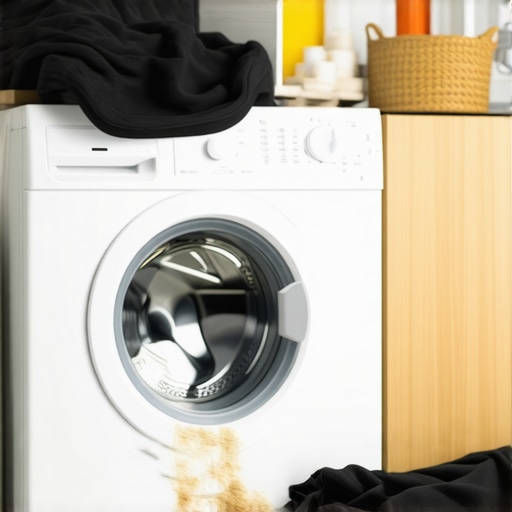
I remember the exact moment I realized my carefully curated black wardrobe was turning into a speckled mess. I was folding my favorite black jeans, only to find tiny white specks clinging stubbornly to the fabric. Frustration crept in as I wrestled with the mystery—why did my washing machine seem to be sabotaging my wardrobe? That lightbulb moment led me down a path of discovery, and let me tell you, you’re not alone in this struggle.
How a Small Laundry Habit Caused Big Black Clothes Problems
If you’ve ever experienced the shock of pulling out a load of laundry only to find your dark clothes covered in lint, you’re probably asking yourself, “What am I doing wrong?” Believe me, I’ve been there. The truth is, the issue often boils down to one thing: the way we handle our laundry and the choices we make when it comes to washing machines and detergent. The good news? There are straightforward ways to prevent this bother, and I’ll help you navigate every step.
Is Your Laundry Routine Really Worth the Hype?
One mistake I made early on was ignoring the importance of sorting clothes properly. I thought tossing everything together saved time, but that just increased lint transfer onto my dark clothes. Studies show that sorting your laundry by fabric type and color can dramatically reduce lint adherence (source: Smart Appliance Review). Recognizing this tiny detail transformed my approach and saved me from countless laundry disasters. Are you ready to discover the small changes that can make a big difference? Let’s dive into the practical steps that will keep your black clothes looking pristine and lint-free.
Sort Your Clothes Like a Pro
Begin with the simplest yet most overlooked step: sorting. Instead of tossing all dark clothes together, separate them into fabrics—denim, cotton, synthetic—each with different lint tendencies. For example, I once dumped a mixed load including my favorite black jeans, black t-shirts, and fleece sweaters into one wash. The result? A lint party covering everything. When I started sorting based on fabric and lint attraction, my black jeans stayed pristine. Implement this by creating separate laundry baskets for different fabrics and colors, and always wash dark items with similar textures. This minimizes lint transfer and maintains the sleek appearance of your black wardrobe.
While many people trust the basic features and user guides of appliances like dishwashers, washing machines, and refrigerators, there are nuanced pitfalls and misconceptions that can compromise performance and longevity. One common myth is that running your dishwasher or washing machine at all costs keeps them cleaner—however, overloading them or using excessive detergent can actually lead to buildup, mold, or mechanical issues. Experts from Smart Appliance Review highlight that optimal load sizes and correct detergent use are crucial for efficiency and durability. Similarly, many believe that all smart appliances will automatically fix themselves or stay updated without intervention, but in reality, firmware updates and regular maintenance are essential to prevent bugs or security vulnerabilities. This leads us to a significant oversight: neglecting firmware updates can leave your smart home devices vulnerable or cause operational glitches, as detailed in an expert guide. What’s more, misconceptions about appliance energy efficiency often result in higher utility bills. For example, many think that newer models always consume less power, but without careful review of individual features and energy ratings, one might end up with a less efficient unit. This is especially true with refrigerators, where improper door sealing or defrosting routines can increase energy consumption as shown in industry insights.
Another nuance is the assumption that smart appliances require no user input or troubleshooting. In reality, understanding specific settings, like cycle customization or sensor calibration, can greatly enhance performance. For instance, a misaligned water inlet valve in your refrigerator might cause leaks or ice buildup, but regular checks can prevent costly repairs. Always remember that in our increasingly automated homes, human oversight remains vital. Are you confident that your appliances are functioning at peak efficiency or hiding hidden issues? Dive into detailed maintenance routines and debunk common myths to protect your investments.
By challenging these misconceptions, we can make smarter decisions, prolong appliance lifespan, and enjoy the full benefits of modern technology. Do you think you’ve fallen for any of these illusions? Let me know in the comments!
Keep Your Appliances Running Smoothly with the Right Tools
Investing in reliable, purpose-built tools can drastically extend the lifespan of your kitchen and laundry appliances. I personally recommend acquiring a digital multimeter for diagnosing electrical issues in your refrigerator or washing machine. This device allows you to quickly identify faulty wiring or components without unnecessary guesswork. For example, when my refrigerator started making weird noises, I used my multimeter to check the compressor’s power supply, saving me from costly repairs or replacements. Additionally, a high-quality ultrasonic cleaner proves invaluable for maintaining dishwasher filters and sprayer arms, ensuring optimal performance over time. Regular cleaning with these tools prevents buildup and reduces the chances of breakdowns, making your appliances more efficient and durable.
Schedule Routine Maintenance to Prevent Unexpected Failures
Developing a maintenance routine tailored to each appliance ensures they operate at peak efficiency. For dishwashers, inspecting and cleaning the filter monthly can prevent clogs and odors. I do this by removing the filter and soaking it in a mixture of vinegar and baking soda, then scrubbing gently with a soft brush. Similarly, for refrigerators, checking door seals and cleaning condenser coils every six months can drastically cut energy costs and extend appliance life. A reliable information source like Smart Appliance Review offers detailed maintenance schedules and troubleshooting tips that help me stay ahead of problems before they escalate.
Future of Appliance Maintenance: Smarter Monitoring
Looking ahead, I predict that integrated IoT sensors will play a pivotal role in appliance upkeep. Smart appliances will soon notify owners of impending issues, like refrigerant leaks or motor failures, via smartphone alerts. This proactive approach minimizes downtime and repair costs. For instance, my smart washing machine already sends me a notification when the detergent dispenser needs cleaning or when a filter is clogged, thanks to its built-in sensors. Embracing these innovations now allows us to stay ahead of maintenance needs and enjoy long-term savings.
How Do I Maintain My Appliances Over Time?
Consistent care involves more than just cleaning; it requires understanding each device’s specific needs. For example, regularly updating firmware on smart appliances ensures they operate with the latest features and security patches, reducing vulnerability and enhancing performance. I follow manufacturer updates via their dedicated apps, which often include tutorials and troubleshooting guides. Remember, investing a little time in preventive maintenance now saves significant expenses down the line and keeps your appliances running smoothly for years to come.
If you’re serious about maximizing your appliances’ lifespan, I highly recommend periodically calibrating smart sensors and motors using manufacturer tools or recommended diagnostic software. For instance, a firmware update or sensor recalibration can resolve issues that seem minor but lead to major failures if ignored. Try setting a monthly reminder to perform these checks, and you’ll notice your appliances performing more reliably and efficiently. Want to know more? Check out this guide for step-by-step maintenance tips that can empower you to troubleshoot common issues effectively.
The Hardest Lesson I Learned About Dishwashers and Smart Appliances
One of the most profound lessons I discovered was that more technology doesn’t automatically mean easier maintenance or better performance. I used to trust that my smart refrigerator or washing machine would just take care of themselves, but I quickly learned the importance of regular firmware updates and understanding their quirks. Overlooking these details can lead to unnecessary breakdowns or security vulnerabilities, as highlighted in industry insights. Embracing a proactive routine, rather than a reactive one, is the secret to truly benefiting from modern household tech.
The Unexpected Impact of Sorting and Routine Checks
Sorting isn’t just about aesthetics; it’s a game-changer for appliance longevity and efficiency. By separating fabrics and colors, I reduced lint and mineral buildup, especially in modern appliances with sensitive sensors. This small habit, combined with scheduled maintenance like cleaning condenser coils and inspecting seals, has saved me countless repairs and utility bills. Trust me, investing time in these routine checks transforms your appliance experience, making them work smarter for you.
Join Me in Smarter Home Living
The journey to maintaining high-tech appliances might seem daunting at first, but each small effort pays off in performance, savings, and peace of mind. Remember, understanding your devices deeply—even the little-known features—can unlock their full potential. As we move towards smarter homes, being informed and proactive will keep your appliances running seamlessly for years to come. Are you ready to take control and redefine your appliance care? Share your experiences or questions below, and let’s learn together!