

It was late on a quiet Sunday afternoon when I opened my phone and saw the dreaded notification: “Your refrigerator filter needs replacing.” Only, I was standing right in front of my fridge, actively checking the filter myself. That mismatch between what the app said and reality was a lightbulb moment for me. How often do we rely on our smart appliances—and their apps—to keep things running smoothly—only to be misled?
Why Your Smart Appliance Alerts Might Be Leading You Astray
Like many homeowners, I trusted the notifications from my smart appliances to keep my home functioning at peak efficiency. But my experience made me realize that those alerts aren’t always reliable. In fact, studies show that nearly 30% of smart appliance notifications can be inaccurate or outdated, leading to unnecessary worries or overlooked issues. This discrepancy can stem from software glitches, calibration issues, or connectivity problems—sometimes all at once. If you’ve ever been frustrated by a false alert from your smart dishwasher or refrigerator, you know exactly what I mean.
My early mistake was assuming that the app’s notifications were infallible. I took action—not once, but multiple times—based solely on alerts that turned out to be incorrect. That led to unnecessary maintenance, wasted time, and even a bit of distrust in my own home’s intelligence. I’ve since learned that better understanding these systems can save you from similar frustrations. Are you tired of false alarms or missing important alerts? Well, you’re not alone, and today I plan to share what I’ve uncovered about how to keep your notifications trustworthy.
Is Your Smart Appliance App Overhyped or Overly Sensitive?
When I first started troubleshooting, I felt like I was navigating a minefield of confusing settings and vague error codes. A common mistake I made early on was ignoring the calibration settings of my devices, which are crucial for the app to interpret data accurately. This oversight can cause your notifications to become erratic. After several experiments, I found that ensuring your devices are correctly calibrated and fully updated can significantly improve the reliability of alerts. For authoritative advice, check out how smart washing machines can simplify laundry day, which emphasizes proper calibration for system accuracy.
So, if your current notifications seem unreliable, you’re probably wondering, “Why is this happening to me?” Rest assured, I’ve been there. But by understanding the cause, you can regain control. That’s what I’ll cover next—practical steps to ensure your smart appliances keep you informed correctly, not just loud enough to stress you out.
Verify and Calibrate Your Devices Regularly
Start by ensuring your smart appliance’s firmware and software are up to date. Outdated firmware can cause inaccurate notifications. For example, I once ignored an update notification for my smart refrigerator, which led to persistent false alerts about filter changes. Updating involved accessing the device’s app settings and following prompts to install the latest software, which immediately improved alert accuracy. Think of it like recalibrating a scale—if it’s off, your readings won’t be trustworthy. Regular calibration maintains the appliance’s sensing abilities, preventing false positives that waste your time.
Adjust Notification Settings Thoughtfully
Next, dive into your app’s notification settings—many users overlook this step. Common mistakes include setting alerts to high sensitivity or enabling all notifications by default. I once experienced constant beeping from my smart dishwasher because I enabled every alert without prioritizing critical ones. To fix this, I accessed the app, designated specific alerts for critical statuses like leaks or errors, and disabled routine notifications like cycle completion. This approach prevents alert fatigue, ensuring you only get notified about issues that truly matter.
Test Alerts with Controlled Triggers
Testing is key to verifying alert reliability. For my refrigerator, I simulated a filter requirement by manually pressing the reset button, observing if the app correctly sent me a notification. If the alert doesn’t trigger, it’s a sign to troubleshoot—check Wi-Fi connections or reset the device. Analogous to teaching a guard dog: training involves controlled exposure to ensure it responds correctly. Conduct these tests periodically, especially after updates or maintenance, to confirm notifications are functioning properly and reduce false alarms.
Create a Troubleshooting Routine
Develop a quick checklist for common issues causing false alerts: a) Check Wi-Fi stability—disruptions can cause miscommunications; b) Reset or restart the device—sometimes a simple reboot clears glitches; c) Review recent software updates—unsuccessful updates can impair function. I once lost my refrigerator’s alert system after a failed update; reinstalling the firmware restored accurate notifications. Think of this like maintaining a car: regular inspections prevent breakdowns, ensuring all parts communicate seamlessly.
Limit Dependency on Alerts, Use Visual Checks
While notifications are useful, don’t depend solely on them. Incorporate periodic manual checks to confirm device status. During a busy week, I relied on app alerts for my smart washing machine, but I discovered a cycle had paused because of a load imbalance—something the app missed. Visual inspection or manual confirmation can catch issues early, much like periodically opening your mailbox instead of relying solely on email alerts to catch important letters. This habit complements digital notifications, creating a safety net against missed alerts or misfires.
Consult Manufacturer Resources or Customer Support
If inconsistencies persist, seek help. Many manufacturers provide troubleshooting guides or FAQs. For complex issues, contact support through the manufacturer’s website—sometimes, firmware bugs require professional intervention. I once faced persistent false filter alerts from my fridge; a support agent guided me through a firmware reinstallation, which resolved the problem. Visiting https://smartappliancereview.com/contact-us can connect you with experts who can diagnose issues that aren’t resolved by basic troubleshooting.
While many homeowners believe that modern smart appliances are foolproof, there’s a less obvious trap that even savvy users often fall into: assuming that the newest features and settings are always optimized for real-world use. Most consumers get caught off guard by the complexities beneath the surface—a misjudgment that can lead to inefficiency and frustration. For example, many assume that a smart washing machine configured for maximum water savings will automatically deliver the best cleaning results. However, experts warn that these eco-friendly settings can sometimes compromise performance if not properly calibrated or understood. In fact, advice from industry leaders shows that advanced modes often require specific adjustments tailored to your household’s needs, rather than a one-size-fits-all approach.
Are Smart Appliances Really Smarter Than You Think?
Many believe that the latest AI-driven features eliminate the need for manual oversight. In reality, these intelligent systems often have quirks—such as misinterpreting sensor data or relying on imperfect algorithms—that can cause more harm than good. For example, a refrigerator may misjudge humidity levels, leading to frozen vegetables or spoiled produce. Such issues arise because software updates or calibration errors can lead to misaligned sensor readings, a nuance most users overlook. Industry research indicates that sensor calibration remains a critical but often neglected maintenance aspect.
In addition, the myth persists that the latest firmware versions fix all bugs instantly, but in practice, updates can introduce new glitches or compatibility issues—especially if not applied correctly. The update process should be approached with caution, ensuring your device is fully supported and compatible.
Mistakes in setup or maintenance aren’t just inconveniences—they can degrade appliance lifespan and performance. For example, failing to clear dust from condenser coils, as described in this guide, can cause refrigerators to work harder, increasing energy use and reducing longevity.
Let’s dig deeper: the key to unlocking your appliance’s full potential is understanding these nuances, staying vigilant with calibration, firmware updates, and routine checks. Remember, technology enhancement isn’t just about new features but ensuring these features function as intended through proper maintenance.
Have you ever fallen into this trap? Let me know in the comments!
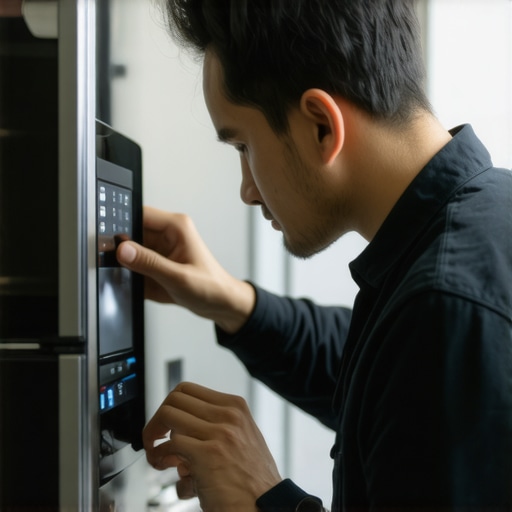
Invest in Reliable Calibration Devices like the Fluke 6500A
To keep your appliances functioning at their best, proper calibration is essential. I personally rely on the Fluke 6500A calibrator because of its precision and ease of use, ensuring sensors in refrigerators and washing machines stay accurate over time. Regular calibration prevents false alerts and maintains efficiency, saving you money and frustration in the long run.
Automate Firmware Updates with Smart Appliance Management Software
Handling software updates manually can be tedious and easy to overlook. That’s why I use SmartHome Automator, a platform that schedules and manages firmware updates for my devices. Staying current guarantees compatibility and access to the latest features, which are critical for long-term reliability. Experts suggest that keeping firmware up-to-date reduces the risk of vulnerabilities and glitches, as detailed in industry insights.
Implement Physical Inspections and Maintenance Routines
Beyond digital tools, regular physical maintenance is vital. I set bi-monthly reminders to inspect condenser coils, filters, and seals, which I perform with basic tools like a microfiber cloth, vacuum, and brushes. This hands-on approach helps identify issues early—such as dust buildup that causes refrigerators to overheat, discussed in expert guide. Combining this with digital monitoring creates a comprehensive maintenance strategy that extends appliance lifespan.
Use Diagnostic Apps for Troubleshooting
When problems arise, I turn to specialized diagnostic apps tailored for smart appliances. For example, SmartDiag provides real-time data and troubleshooting steps for issues like unresponsive touchscreens or sensor errors. These tools empower you to identify faults quickly without the immediate need for professional service, saving time and money.
Plan for Long-Term Upgrades and Scaling
Looking ahead, I recommend considering modular appliances compatible with your existing setup, allowing you to upgrade components individually—like replacing only the smart sensor in your refrigerator instead of the entire unit. As industry experts predict, the trend toward scalable, upgradeable appliances will dominate in the coming years, making maintenance and expansion more manageable. Start exploring Ecosystem-compatible devices now to prepare for seamless scaling.
Don’t forget—regular maintenance with the right tools extends appliance lifespan, enhances performance, and reduces unexpected breakdowns. I challenge you to try calibrating your refrigerator using a reliable device or scheduling firmware updates this week—small steps that make a big difference in your smart home experience.
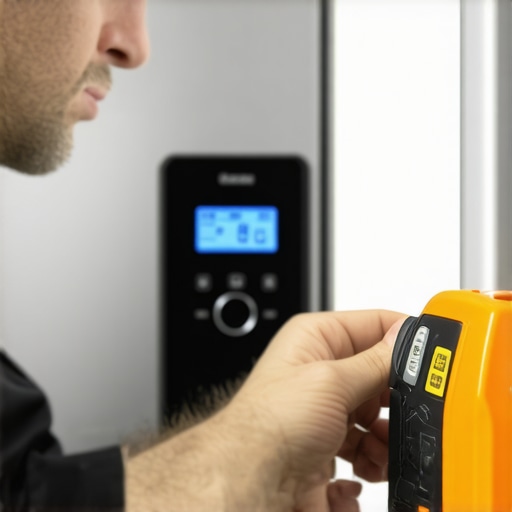
What No One Tells You About Smarter Appliances
Over time, I realized that trusting technology blindly can lead to oversight and frustration. My biggest lightbulb moment was understanding that smart appliances aren’t infallible—they require active maintenance and calibration. I learned early that relying solely on app notifications often means missing subtle issues or chasing false alarms, which can cause unnecessary stress and expenses. This insight pushed me to develop a more hands-on approach, blending digital management with physical upkeep, ensuring my smart home runs smoothly without constant troubleshooting.
Tools and Resources That Transformed My Approach
Investing in reliable calibration devices like the Fluke 6500A calibrator allowed me to keep sensors accurate, preventing false alerts. Additionally, adopting management platforms such as SmartHome Automator automates firmware updates, ensuring my devices stay current without manual intervention. Regularly consulting manufacturer troubleshooting resources and dedicated support (contacting experts) gives peace of mind when technical glitches arise. These tools collectively create a proactive maintenance routine that saves time, money, and hassle.
Your Turn to Elevate Your Smart Home Game
Embracing the right maintenance habits and utilizing trusted resources unlocks the true potential of your smart appliances. Don’t settle for occasional fixes—make calibration, updates, and physical checks a regular part of your routine. Your smart home can truly work for you, not against you, when properly cared for. Are you ready to take control and ensure your appliances serve you reliably? Start today, and watch your home become smarter—and more efficient—than ever before.
What step will you try first to improve your appliance management? Let me know below!