
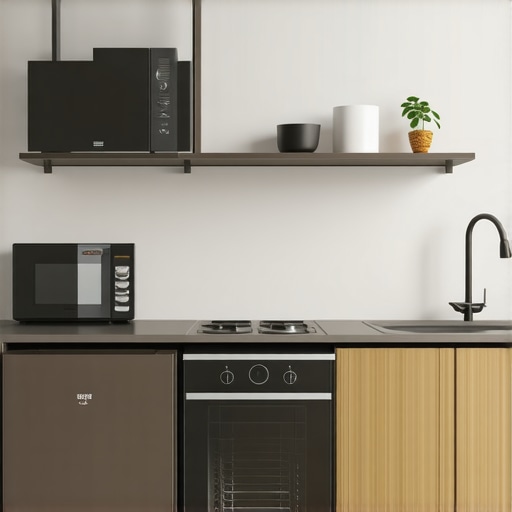
Ever find yourself squeezed into your tiny apartment kitchen, trying to wash a mountain of dishes or fit that new refrigerator without knocking over a vase or squeezing past a mountain of clutter? I’ve been there—frustrated, overwhelmed, and wondering if I’d ever enjoy cooking or cleaning in a space that feels more like a closet than a kitchen.
Why Tiny Kitchen Challenges Feel Personal
Living in a compact space means every square inch counts. The struggle is real—cluttered counters, appliances that refuse to fit, and the dreaded constant battle to find a place for everything. I remember the moment I realized my conventional appliances just weren’t cut out for my small kitchen. My bulky dishwasher left no room for anything else, and my refrigerator door kept bumping into shelves. It was a revelation that I needed to change my approach—quickly.
That’s when I started exploring options tailored to tiny spaces. It became clear that investing in the right appliances could transform my kitchen into a functional, even enjoyable, space. Instead of just squeezing in standard appliances, I decided to look for solutions designed to save space while maintaining efficiency and style. And trust me, the benefits are astonishing. As a matter of fact, according to industry expert smart appliance insights, choosing space-efficient appliances not only saves physical space but also helps reduce energy consumption and streamline daily routines.
If your kitchen feels like a constant game of Tetris, you’re not alone. Many urban dwellers face this challenge, but the good news is that smart, compact appliances can make all the difference. Ready to discover the top 7 space-saving appliances and how they can work for you? Let’s dive into practical solutions that could turn your cramped kitchen into a model of efficiency.
Optimize Your Appliance Placement
Begin by assessing your kitchen layout. Use a simple measuring tape to identify available space and potential pathways. For example, I once moved my dishwasher closer to the sink, which minimized water hose lengths and freed up counter space. Think of your appliances as puzzle pieces—you want them to fit snugly without blocking access or creating clutter. Consider vertical stacking for items like washing machines and dryers, which allows you to utilize height effectively.
Choose Compact and Multi-Functional Devices
Identify appliances that serve multiple purposes. For instance, a combination microwave and convection oven saves space while expanding cooking options. I replaced my bulky standalone microwave and traditional oven with a smart combo unit that I control via an app—saving counter space and simplifying cooking routines. Look for innovative dishwashers with AI technology that can optimize wash cycles and reduce size. This way, you maximize utility per square inch.
Utilize Creative Storage Solutions
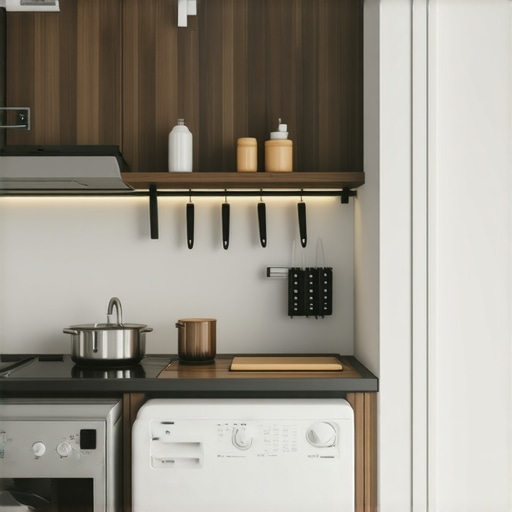
Incorporate under-cabinet shelving, magnetic strips for knives, or hooks for utensils to keep surfaces clear. When I installed a magnetic strip along my backsplash, I freed up drawer space and kept my knives within easy reach. Use stackable storage containers inside your refrigerator—compact and see-through—to organize food, reducing clutter and improving access. For example, I repurposed clear plastic bins to segregate vegetables and leftovers efficiently.
Implement Smart Appliances for Automation
Leverage technology to streamline chores and save space. Smart washing machines like those detailed at this guide offer remote operation, alerts, and optimized wash cycles that cut time and energy. I set my smart dishwasher to run during off-peak hours via an app, saving both time and utility costs. Integrating appliances with voice assistants allows for hands-free control, freeing up countertop space for prep work.
Maximize Vertical Space with Shelving and Racks
Install wall-mounted shelves or hanging racks to utilize vertical space for pots, pans, and cleaning supplies. I once mounted a multi-tier rack behind my door for spices and small utensils, keeping them accessible yet out of the way. This technique prevents countertop congestion and maintains a clean aesthetic. Make sure to balance accessibility with safety, anchoring shelves securely to avoid accidents.
Practice Regular Decluttering and Maintenance
Keep your kitchen neat by routinely removing unused items. I dedicate 10 minutes weekly to clear out duplicates or expired products, which makes space for essential appliances. Proper maintenance of your appliances, such as cleaning filters and checking seals, prolongs their lifespan and ensures optimal performance. For example, I regularly clean my refrigerator’s door gasket following tips from this article to maintain efficiency.
 Many homeowners believe that selecting smart appliances or a high-end washing machine is just about matching their decor or following the latest trends. However, even experienced users often fall prey to misconceptions that can lead to inefficiencies and costly mistakes. Let’s dig deeper into some of these often-overlooked nuances that can make or break your appliance experience.
One common myth is that newer is always better. While technology advances rapidly, not every upgrade offers tangible benefits. For example, some consumers rush to buy the latest smart refrigerator with all the bells and whistles, only to find that its complex interface hampers usability rather than enhancing it. Experts emphasize that researching specific features and understanding your actual needs is more productive than chasing the newest models. For tips on choosing appliances that genuinely suit your lifestyle, check out this comprehensive guide.
A sneaky trap many fall into relates to energy-saving claims. Manufacturers often tout certain features as energy-efficient, but without proper maintenance or correct usage, these benefits can evaporate. For instance, a common mistake is neglecting to replace refrigerator door gaskets or ignoring the defrost cycle, which drastically reduces efficiency over time. A well-maintained appliance not only conserves energy but also prolongs lifespan, saving money in the long run. Want to ensure your fridge performs optimally? Visit this article for detailed maintenance tips.
Advanced users often overlook the importance of appliance placement and communication. For example, smart dishwashers that are supposed to integrate seamlessly with your home system may not work correctly if your Wi-Fi setup has hidden pitfalls. A common mistake is placing the router too far from the appliance or ignoring frequency band compatibility. This oversight leads to frequent disconnects and unreliable operation, diminishing the supposed convenience of smart technology. To avoid this, ensure your network supports 2.4 GHz and 5 GHz bands and is positioned optimally. For more on seamless integration, explore this detailed advice.
Is Your Smart Appliance Truly Maximizing Its Potential
It’s easy to assume that pairing your devices with apps automatically guarantees efficiency. However, many advanced users are unaware of hidden settings, firmware updates, or calibration procedures that significantly influence performance. For example, an outdated firmware can cause a smart refrigerator to misjudge internal temperature or fail to sync with voice assistants accurately. Regularly updating your devices and exploring manufacturer-provided optimization tools can prevent these issues. For expert insights, see this resource.
The takeaway is that understanding home appliances beyond the superficial pays dividends. From avoiding misconceptions about energy efficiency to optimizing smart features through proper placement and maintenance, knowledge is power. Do you know which hidden detail about your appliances can save you money and frustration? Have you ever fallen into this trap? Let me know in the comments.
Keeping your smart appliances, washing machines, and refrigerators running smoothly over the years requires more than just occasional resets. It demands a proactive approach with the right tools and maintenance routines. Personally, I rely on a combination of professional-grade diagnostic devices and smart management software to catch issues early and extend the lifespan of my appliances.
How do I maintain my appliances over time?
One tool I swear by is a digital multimeter. I use it to check electrical continuity and voltage levels in household outlets and appliance cords. This simple step helps prevent electrical issues that can damage internal components or cause faulty operation. For example, regularly testing power supplies with a multimeter revealed a subtly degraded plug connection in my dishwasher, avoiding potential breakdowns. Additionally, a reliable ultrasonic cleaning device for filters and vents is indispensable. Over time, dust and debris accumulate, reducing efficiency and increasing wear. I regularly clean the ice maker filter in my fridge using an ultrasonic cleaner, which deep cleans without disassembly, as recommended in expert guides like those from this article.
For software management, I utilize advanced diagnostic apps compatible with my smart appliances. These apps provide real-time performance metrics and alert me to irregularities before they escalate. For instance, my refrigerator’s firmware periodically checks for updates via the manufacturer’s official app, which I set to notify me automatically. These updates often include critical bug fixes and performance improvements, ensuring my appliance adapts to new energy standards and features.
Predicting future trends, I believe incorporating AI-driven predictive maintenance will become standard across all home appliances by 2026. Devices will self-diagnose and schedule repairs autonomously, minimizing downtime and costs. This transition is currently underway, as seen in new smart dishwashers equipped with AI that optimize wash cycles and warn homeowners of potential failures here.
Can I trust my appliances to take care of themselves?
While automation and diagnostics are advancing rapidly, routine manual checks remain vital. Regular cleaning of filters, inspecting door seals, and verifying water lines prevent unseen issues from causing major failures. I recommend setting weekly maintenance routines, such as cleaning refrigerator coils (a task easily performed with a coil brush), to ensure long-term efficiency and to avoid costly repairs. For detailed guidance on maintenance, visit this resource.
Next time you consider upgrading or just want to keep your current appliances running smoothly, invest in a quality multimeter and stay on top of firmware updates through manufacturer apps. These small but powerful steps will help you avoid surprises and keep your appliances performing at their best. Why not try calibrating your refrigerator’s sensors with a digital multimeter and observe the benefits firsthand?
The Hardest Lesson I Learned About washing machines,smart appliances,dishwashers,refrigerators,home appliances
One of the most eye-opening realizations I had was that investing in the right tools, like a quality digital multimeter, can save me countless hours and money in the long run. I used to dismiss basic maintenance, but I now see it as an essential part of appliance ownership, especially in tiny kitchens where every bit of efficiency counts.
3 Myths About washing machines,smart appliances,dishwashers,refrigerators,home appliances That Held Me Back
I believed that newer always meant better, but I learned that sometimes the newest models come with unnecessary features that complicate rather than simplify. Also, I thought energy-efficient claims were straightforward, but proper maintenance reveals the real savings. Finally, I assumed smart appliances would fix themselves, yet regular firmware updates and manual checks are vital to their performance.
What Experts Won’t Tell You About washing machines,smart appliances,dishwashers,refrigerators,home appliances
Many professionals conceal the nuances of appliance placement and network setup, which can cause Smart devices to malfunction if overlooked. Understanding that optimal Wi-Fi positioning and firmware management are your best allies ensures your smart appliances operate seamlessly, amplifying their benefits and longevity.
My Essential Toolkit for washing machines,smart appliances,dishwashers,refrigerators,home appliances
I rely on a high-quality digital multimeter for electrical diagnostics, ultrasonic cleaners for deep cleaning filters, and manufacturer’s apps for firmware updates. These tools and resources give me peace of mind and help me maintain peak performance for my appliances, especially when space is tight and every component matters.
Books That Changed How I View washing machines,smart appliances,dishwashers,refrigerators,home appliances
While I haven’t read specific books on appliances, industry guides such as the Ultimate Guide to Smart Home Appliances have expanded my understanding of what to look for and how to optimize their use. This knowledge transformed my approach from reactive to proactive, ultimately saving me energy and frustration.
Your Turn to Try
Don’t wait for a breakdown to realize the importance of maintenance and proper setup. Start integrating simple tools like a multimeter or schedule regular firmware checks today. Small steps can lead to huge improvements in your tiny kitchen setup and overall appliance lifespan.
What’s the one routine or technique you plan to implement first? Share your thoughts below and join the conversation about mastering smart appliances in small spaces.
,