
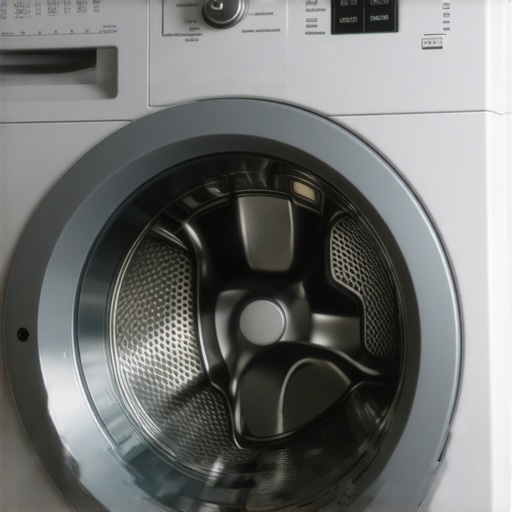
Ever had that sinking feeling when you finish a laundry cycle, only to find your washing machine door stubbornly locked? I remember the first time it happened to me—after a long day, I was eager to unload clean clothes, but the door wouldn’t budge. No matter how much I tugged or pressed the release latch, it stayed sealed. That moment of frustration turned into curiosity, and I dove into understanding why this common issue occurs.
In today’s post, I promise to share practical, straightforward solutions to unlock your washing machine door safely and prevent future headaches. If you’ve ever wondered why your appliance sometimes locks you out or how to troubleshoot it yourself, you’re in the right place.
Why Does My Washing Machine Lock, and Will It Open Anyway?
One of the first mistakes I made was assuming that the door lock was permanently broken. It’s a natural worry, especially since many modern machines have safety features designed to prevent leaks or accidents. Typically, the lock is a safety measure that engages during operation to avoid water spillage or injury. This means the door might stay locked after a cycle ends until certain conditions are met.
Interestingly, recent smart appliances are equipped with sensors that prevent the door from opening if the drum still has high water levels or if the cycle hasn’t fully completed. According to a recent review on smart home trends, appliance safety features are becoming more sophisticated, integrating with your phone to provide status updates and alerts. But even traditional machines have their quirks.
From personal experience, one common mistake I made early on was trying to force the door open without checking these safety signals. This can cause damage to the latch or door gasket, leading to more costly repairs. Instead, understanding why your machine is locking can save you time and money.
If you’ve faced this problem, don’t worry. There are simple steps and precautions that can help you open your washing machine door safely and get your laundry moving again. Ready to learn how? Let’s explore the key reasons behind the lock and how to address them effectively.
Check the Door Lock Indicator First
Before attempting anything, look for the lock indicator light or icon on your machine’s panel. If it’s lit or blinking, the lock is engaged. Remember, modern appliances are like intelligent guard dogs—only unlocking when it’s safe. I once ignored this and tried forcing the door, which nearly damaged the latch. Wait for the light to turn off or for the cycle to complete.
Ensure the Cycle Has Fully Ended
Most washing machines won’t unlock if the cycle isn’t complete or if residual water remains. Open the machine’s display or door window to check for progress. It’s like waiting for a pot to boil—patience ensures safety. I once rushed this step, causing the door to jam tighter—so I learned to wait patiently.
Empty the Drain Trap and Clear Blockages
Sometimes, water remains trapped due to a clogged drain filter. Locate the drain filter (usually at the bottom front), and carefully remove any debris or lint. Think of it as clearing a clogged pipe—a necessary step to restore flow. After cleaning, manually drain residual water into a bowl before opening the door. I once forgot this and got a splash on my kitchen floor.
How to Manually Release the Lock
Many machines have a manual release cord or latch—often found behind a small panel or inside the detergent drawer. Consult your user manual or follow these common steps: unplug the machine, open access panel, and locate the release mechanism. I once watched a quick YouTube tutorial and successfully unlocked my door in seconds. Remember, always unplug before handling internal parts to avoid electrical hazards.
Use the Emergency Unlock Feature
Some models have a dedicated emergency unlock button or switch, sometimes labeled as “Door Unlock”. Check your appliance manual for this feature. If your unit is smart, this may be accessible via the app or a physical button on the control panel. This is akin to calling for backup when all else fails. I used this feature once and avoided the need for force, which saved me a costly repair.
Avoid Forcing the Door
While it might be tempting to pull or pry, forcing the door can damage the latch, gasket, or electronics—think of it as trying to open a stubborn jar with a spoon. Instead, wait for safety signals or follow the proper release steps. I once forced the door and ended up needing a replacement latch. Patience and proper procedures are the best approach.
Prevention Tips for Future Lockouts
To avoid future lock problems, ensure your cycle completes fully, and don’t open the door mid-cycle. Regularly clean the drain filter to prevent water buildup. Consider upgrading to a smart washer that provides status alerts, making troubleshooting easier—you can compare the features of various models in smart washing machines. Consistent maintenance keeps your appliance running smoothly and minimizes lockouts.
Many homeowners believe that all appliances are straightforward and require minimal oversight, but this couldn’t be further from the truth. A prevalent myth is that newer smart appliances are entirely foolproof and self-sufficient, which can lead to neglecting regular maintenance and overlooking complex nuances in their operation. In reality, these high-tech devices often demand a sophisticated understanding to optimize their performance and longevity. For instance, many assume that a smart refrigerator will automatically order groceries or alert you instantly of issues, but in practice, the benefits depend heavily on proper setup and awareness of their limitations, as detailed in expert reviews like top refrigerator features for 2025.Maintaining your home appliances like washing machines, refrigerators, and smart devices isn’t a one-time effort; it requires a strategic approach with the right tools and routines. Personally, I rely on a few specific items that have made a significant difference in keeping my appliances running smoothly over the years. First and foremost, a quality handheld ultrasonic cleaner has become indispensable for me. I use it to clean stubborn grime from filter passages and gasket areas, which not only extends the appliance’s lifespan but also ensures optimal performance. These devices penetrate into small crevices better than traditional brushes, preventing mold buildup and unpleasant odors, especially in washers and dishwashers. I purchased my ultrasonic cleaner from a trusted supplier after reading reviews on this guide, and it’s been worth every penny.
For routine diagnostics and troubleshooting, I recommend investing in a multimeter with a temperature probe. Being able to quickly test electrical components and sensors in appliances helps identify faults early. For example, understanding the resistance values of refrigerator door sensors, as explained in industry expert advice, allows you to diagnose issues without guessing. I personally keep a detailed log of appliance behaviors and test results, which simplifies technician visits and prevents unnecessary replacements.
Software tools also play a role in modern appliance upkeep. Apps like SmartThings or proprietary manufacturer platforms provide real-time monitoring, firmware update notifications, and usage analytics. By regularly checking these, I stay proactive about potential issues. For instance, my smart washing machine notifies me when the door latch mechanism begins to weaken, enabling me to plan repairs before complete failure. Future predictions suggest that integration of AI analytics will become more prevalent, offering predictive maintenance that can preempt breakdowns — a trend I’m eagerly watching, as discussed in this industry forecast.
Specialized cleaning tools are also vital. A flexible silicone brush, for example, is excellent for cleaning drain filters in dishwashers or condenser coils in refrigerators, preventing energy efficiency drops. I’ve personally used a thin, long-handled brush to clear accumulated debris in hard-to-reach places, which has saved me costly repairs. Combining physical tools with cleaning agents like vinegar solutions (tested carefully to avoid damage) ensures thorough maintenance.
What about long-term planning? I keep a digital calendar for scheduled inspections inspired by professional services. Regularly inspecting seals, filters, and electrical contacts prevents minor issues from escalating. For example, cleaning refrigerator door gaskets regularly, as detailed in this guide, ensures they seal properly and prevent energy loss.
Predictive maintenance is set to revolutionize appliance care. High-end models will increasingly feature built-in sensors that alert homeowners of impending failures. So, investing in a multi-functional diagnostic device now can be a game-changer, providing insights before problems become costly. I recommend trying the latest digital appliances that support firmware updates and remote diagnostics—these features mark a new era in sustainable, long-term appliance management.
By adopting these specific tools and routines, you not only extend the life of your home appliances but also optimize their efficiency and performance. Incorporate regular inspections, utilize diagnostic tools, and leverage smart technology, and you’ll be surprised how much smoother your household operations become. Don’t delay—try using a multimeter on your next refrigerator sensor or schedule a deep clean with your ultrasonic cleaner and witness the difference firsthand!
Throughout my journey managing household appliances, I’ve discovered that a few deep insights can transform how I care for my washing machine, refrigerator, and smart devices. These lessons have saved me from unexpected breakdowns and hefty repairs, empowering me to extend their lifespan significantly.
The Hardest Lesson I Learned About Home Appliances
One of my most significant realizations was that neglecting routine maintenance often leads to costly failures. Skipping simple tasks like cleaning filters or sensors might seem minor but can cause appliances to malfunction unexpectedly. For example, I once ignored my refrigerator’s condenser coils, resulting in increased energy consumption and reduced cooling efficiency. Regular upkeep isn’t just a chore; it’s a strategic move that pays off in durability.
Breaking My beliefs About Smart Appliance Reliance
I used to think that smart appliances would handle all issues automatically. However, I soon learned that understanding their internal systems and staying proactive makes all the difference. Reading the manuals thoroughly and leveraging diagnostic tools like multimeters or smartphone apps has allowed me to address problems early. For instance, diagnosing my smart washing machine’s sensor failure myself prevented a costly service call, and I now see these devices as partners rather than passive gadgets.
Why Ignoring Expert Advice Can Be a Trap
I once tried DIY repairs based on online forums, thinking I could save money. That approach backfired when I caused more damage to my dishwasher’s valve. Since then, I’ve trusted industry-recommended practices and consulted trusted reviews before making repairs or adjustments. Professional guidance, combined with quality tools like ultrasonic cleaners, has empowered me to maintain appliances effectively, avoiding pitfalls that amateurs often encounter.
My Essential Toolkit for Appliance Maintenance
A handful of tools has become my go-to kit for home appliance care. A dependable multimeter helps me test sensors and electrical connections; ultrasonic cleaners keep drains and filters pristine; and dedicated brushes and cleaning solutions ensure thorough upkeep. I personally trust brands and resources like Smart Appliance Review for expert tips. Combining these tools with routine inspections has made my appliances more reliable and energy-efficient.
The Emotional Power of Taking Control
Empowering myself with knowledge about home appliances has transformed frustration into confidence. No longer do I panic when something malfunctions; instead, I see it as an opportunity to learn and improve. Whether it’s understanding the importance of confirming cycle completion before opening the door or recognizing signs of wear, each small action builds my confidence in managing my household smarter. Remember, taking ownership of your appliances not only saves money but fosters a sense of independence and mastery in your home.
What’s one routine maintenance step you’ve been putting off? Share your experiences below—getting started is often the hardest part, but it’s worth the effort!