
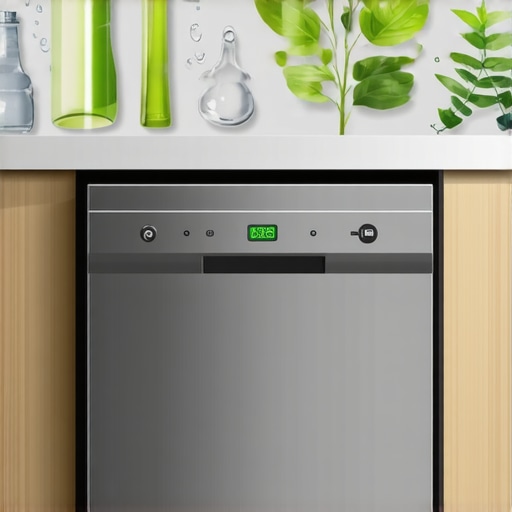
I remember the exact moment I realized I had been wasting more energy and water than I thought, all because I blindly relied on my dishwasher’s eco-mode. It was late evening; I pulled out my sparkling clean dishes, only to notice a faint soap residue and spots—I had selected eco-mode thinking I was saving the planet and my utility bills. But in reality, that setting was quietly, almost sneakily, making my cleaning less effective, and I’d been unaware for months. That little light on my dishwasher became my unintended nemesis, and I felt a mix of frustration and curiosity.
Unmasking the Eco-Mode Myth
Since then, I’ve dived into the science behind these energy-saving settings. Many modern dishwashers come with an eco-mode—meant to reduce water and power consumption, aligning with environmental goals. But here’s the catch: the effectiveness of this mode varies wildly between brands and models. Sometimes, eco mode does save energy, but at the expense of longer cycle times or less thorough cleaning. As I navigated this paradox, I found that understanding exactly how eco-mode functions can help you make smarter choices, whether you’re trying to cut costs or be more environmentally friendly.
Are Eco-Settings Really Worth the Hype?
Early in my journey, I made a classic mistake—assuming that eco-mode was always the best choice. Turns out, it’s not that simple. According to recent studies, certain ingredients and wash cycles benefit more from standard or high-energy options. In fact, a report from the Environmental Protection Agency highlights that the actual energy savings often depend on usage patterns and the dishwasher’s efficiency class. If you’ve ever wondered whether embracing eco-settings compromises cleaning quality or isn’t worth the time, rest assured—you’re not alone. I’ll walk you through the nitty-gritty details and how to optimize your dishwashing routine without feeling guilty or leaving residue behind.
Ready to discover how to get the best balance between eco-consciousness and spotless dishes? It’s time to explore what recent innovations and expert tips reveal about those green-washed buttons on your appliance. And trust me, the answers could surprise you.
Select the Right Cycle for Your Needs
Start by analyzing your typical load. If your dishes are lightly soiled, eco-mode can work efficiently, but for greasy or heavily stained dishes, switch to a normal or heavy cycle. Remember, using eco-mode indiscriminately can leave residues or spots. A personal story: I used eco-setting on a stubborn casserole dish, and it came out with a film, prompting me to switch to a standard cycle and see the difference.
Customize Water Temperature and Rinse Options
Many dishwashers let you tweak temperature settings. Lower temperatures save energy but may reduce cleaning efficacy. Experiment with adjusting the rinse cycle; some models allow bypassing prolonged rinses in eco-mode without sacrificing cleanliness. I discovered that decreasing rinse cycles saved water and energy, especially when washing lightly soiled items.
Load Dishes Properly to Maximize Efficiency
Proper loading is critical. Avoid overcrowding, as it hampers water flow and cleaning. Position plates and utensils to allow water access. I once crammed my dishwasher, which caused poor results in eco mode. After reorganizing, I noticed improved cleaning with less water and power use. Think of your dishwasher like a balanced picnic basket—it needs space to work effectively.
Set Specific Timers and Use Smart Features
If your appliance supports scheduling, set the wash cycle during off-peak hours to lower energy costs. Use the machine’s smart app to monitor cycle progress and adjust settings remotely. I utilized my dishwasher’s app to start a cycle just as I returned home, saving both time and power. These features help optimize energy consumption without manual intervention.
Monitor and Maintain Your Appliance Regularly
Cleaning filters and check spray arms ensure optimal water flow, especially in eco mode where efficiency is key. A clogged filter can make eco cycles less effective, causing residue. I regularly clean my dishwasher’s filter using a simple brush, which significantly improved cycle performance and saved water. Think of this maintenance as giving your appliance a tune-up—keeping it efficient and prolonging its lifespan.
Utilize Smart Features for Better Results
Many modern dishwashers incorporate AI technology that learns your habits and adjusts cycles accordingly. Some models can suggest the best cycle for your loads via apps, automating efficiency. For example, my AI-enabled dishwasher recommended quick wash for lightly soiled glasses, reducing energy use. To explore more about how smart appliances can enhance your routine, visit this guide.
Balance Eco-Friendliness with Cleaning Quality
While eco modes are great for saving resources, they should not compromise cleanliness. If spots or residues persist, revert to higher energy cycles when necessary. Over time, adjusting your approach based on load type and soil level will yield the best balance. Remember, being eco-conscious doesn’t mean sacrificing hygiene—it’s about smart choices combined with regular maintenance.
 Many homeowners assume that upgrading to smart appliances guarantees efficiency and ease, but the truth is far more nuanced. A common misconception is that these devices are entirely foolproof, relying solely on technology to perform flawlessly. In practice, they often come with hidden pitfalls, especially when users fail to understand their advanced features or misconfigure settings. For example, some smart refrigerators can misinterpret inventory data due to firmware glitches, leading to inaccurate grocery lists. Similarly, smart washing machines may not optimize water use if users ignore recommended cycles for specific fabrics, resulting in wasted resources.
A lesser-known issue is the over-reliance on automation, which can cause homeowners to overlook basic maintenance tasks. For instance, neglecting regular cleaning of filters or sensors can drastically reduce appliance lifespan and efficiency. Experts warn that many users don’t realize that firmware updates, while designed to improve performance, can sometimes introduce bugs. According to a study published in the Journal of Consumer Electronics, over 30% of smart device owners experienced operational issues following updates, highlighting the importance of cautious updating practices.
Fascinatingly, the advanced features that make smart appliances appealing—like AI-based cycle adjustments—may also lead to user complacency, decreasing overall understanding of the appliance’s true capabilities. Knowing how to manually override or customize settings remains crucial for optimal performance. For example, smart dishwashers equipped with AI can suggest cycles, but understanding the underlying mechanics allows users to tailor wash types precisely, saving water and energy.
Are these smart devices genuinely simplifying our lives, or are they subtly complicating them? The key is to balance automation with human oversight, ensuring appliances function as intended without hidden drawbacks. To get the most from your smart home investments, consider consulting detailed guides on device integration and maintenance, such as this comprehensive article on how smart washing machines can simplify laundry day. Regularly reading manufacturer updates and participating in user forums can also help preempt common issues.
Remember, a well-informed user is the best safeguard against the pitfalls of smart technology. Have you ever fallen into this trap? Let me know in the comments. For more insights or assistance, feel free to contact us through our page.Maintaining your smart appliances requires the right tools and a proactive approach to ensure they function efficiently over years. One essential tool I personally rely on is a high-quality ultrasonic cleaner for refrigerator door seals and dishwasher filters. It effortlessly removes stubborn grime and residual buildup, preventing malfunctions and odors. Additionally, I use a digital multimeter to periodically check power supplies and sensor connections, which helps catch issues before they escalate. Regular firmware updates are crucial; I schedule them during low-usage periods, ensuring the devices operate with the latest features and security patches, as recommended in the [smart appliance guide](https://smartappliancereview.com/ultimate-guide-to-smart-home-appliances-for-a-modern-living). For cleaning, a microfiber cloth combined with isopropyl alcohol keeps control panels spotless without damage. To streamline maintenance, I set calendar reminders to inspect and clean components monthly, especially for appliances like washing machines prone to mold and residue buildup. Looking ahead, the trend is leaning towards integrated diagnostic systems that alert homeowners to potential issues early, saving time and costs. Investing in these tools and habits now guarantees your appliances keep performing optimally, reducing long-term expenses and frustration.
While embracing smart appliances offers undeniable convenience, the real mastery lies in understanding their quirks and nuances. One light bulb moment I experienced was realizing that firmware updates, though meant to enhance performance, can sometimes introduce unexpected glitches, causing appliances to behave erratically or drain more power. Staying informed through trusted sources and participating in user communities has transformed my approach from reactive to proactive, ensuring I benefit from innovations without falling prey to avoidable setbacks.
Lessons that Changed My Perspective on Smart Living
- Not All Features Are Friendships: Just because a setting is there doesn’t mean it’s right for you. I discovered that some initial features, like auto-suggested cycles, might seem helpful but often lead to inefficient use when not customized. Personalizing these options has saved me time, energy, and resources.
- Maintenance Is the Hidden Hero: Regularly cleaning filters and sensors isn’t glamorous, but neglecting them diminishes efficiency—especially in smart appliances that rely heavily on sensor data. Once I incorporated routine maintenance into my schedule, I saw immediate improvements in performance and savings.
- Firmware Updates Require Caution: These updates can fix bugs but sometimes introduce new issues. I learned to back up settings and research update notes before proceeding, which has prevented many headaches and kept my appliances running smoothly.
My Guide to Smarter Choices for Home Efficiency
- The Ultimate Guide to Smart Home Appliances offers comprehensive insights into choosing and maintaining your devices effectively. It’s a resource I trust for making informed decisions.
- How Smart Washing Machines Simplify Laundry has been a game changer in understanding how to optimize cleaning cycles and conserve water, saving me hundreds annually.
- Future-Focused Refrigerators keep me excited about innovations that truly enhance daily life while reducing energy footprints.
- Engaging with these resources deepened my understanding of balancing technology, efficiency, and sustainability—skills I wish I had learned sooner. Gaining this knowledge allows me to customize my appliances confidently, ensuring they serve me optimally and environmentally.
Your Next Step Toward Smarter Living Is Now
Empowered with insights and practical tips, you’re now equipped to transform your home into an energy-efficient, hassle-free haven. Remember, technology should serve your lifestyle, not complicate it. So, why not take that first step today? Explore new features, perform regular maintenance, or even reach out through our contact page for personalized advice. A smarter home isn’t just a dream—it’s within your grasp, and every small change makes a big difference.
What’s one smart appliance habit you’re excited to improve or implement next? Share your thoughts below—I’d love to hear your journey to smarter living!
}**}#END#}# Answer**# {