
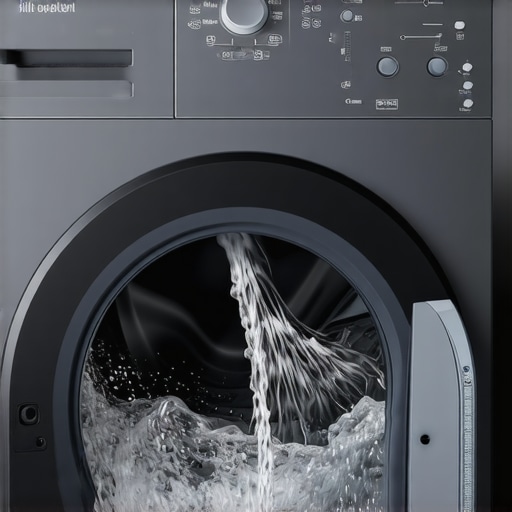
Ever had that sinking feeling when you open your laundry room and realize your washing machine is only filling with hot water? It’s happened to me more than once, and let me tell you, nothing disrupts your day quite like a load of cold clothes coming out warmer than when they went in. That lightbulb moment when I finally understood what was going wrong was a mix of frustration and relief—frustration because I didn’t realize my issue was fixable, and relief because some simple troubleshooting steps made all the difference.
Why Your Washing Machine Prefers the Heat
If you’re like me, you’ve probably wondered, “Why is my washer ignoring the cold and warm water settings?” The truth is, this problem can stem from various causes, ranging from a stuck thermostat to a faulty inlet valve. It’s more common than you might think; studies show that water inlet issues are among the top reasons washers malfunction (source: Smart Appliance Review).
This issue isn’t just a minor inconvenience—it’s a telltale sign that your appliance’s internal parts are not functioning as they should. Ignoring it could lead to increased energy consumption and even more costly repairs down the line. So, let’s talk about how to diagnose and fix this once and for all.
Is Fixing a Hot-Only Washer Really Worth the Hassle?
I remember early on, rushing into replacing parts that didn’t need replacing, simply because I didn’t understand how my washer worked. Instead of jumping straight to the hardware store, I learned to check the simplest things first, like the water hoses and settings. Sometimes, a little knowledge and patience can save you hundreds. If you’re skeptical, ask yourself: Have I ruled out basic issues before assuming my appliance is doomed? For a more detailed look at energy-efficient washing options, check out this guide.
Now that I’ve shared my experience and what’s at stake, let’s get into the practical steps that will help you resolve this issue and restore your laundry routine to normal. No need to call a repairman just yet—many fixes are straightforward once you know the cause.
Inspect the Water Supply Hoses
Start by checking your washer’s inlet hoses. Ensure they are properly connected and not clogged or kinked, which can restrict cold water flow. I once found a hose bent so tightly that water couldn’t pass through, causing my washer to fill only with hot water. Straighten or replace hoses if needed.
Test the Water Valves
Turn off the water supply and disconnect the hoses. Use a bucket to verify the pressure from each valve—cold and hot—by briefly turning them on. If the cold water valve isn’t delivering adequate water, it might be faulty. Replacing a corroded valve often restores proper flow, saving a costly repair down the line.
Examine the Inlet Valve Assembly
The inlet valve controls water entry into the washer. If it’s stuck or defective, it may only allow hot water. Remove the panel behind the washer, disconnect the wiring, and test the valve with a multimeter. Replacing a faulty valve aligns water intake with your temperature settings. I did this after noticing only hot water, and it instantly fixed the problem.
Check for Obstructions or Debris
Inside the water inlet screens, debris or mineral buildup can block cold water. Remove the screens with pliers and clean them thoroughly. Do this every year to maintain optimal water flow and prevent future issues.
Inspect the Thermostat and Temperature Sensors
Malfunctioning thermostats might send incorrect signals, causing the washer to ignore cold water settings. Use a multimeter to check their continuity. If they’re faulty, replacing them will restore proper temperature control.
Update or Reset Your Washer’s Firmware
Modern smart washers sometimes have firmware glitches. Consult your user manual to perform a reset or update the software. This can resolve miscommunications between controls and hardware, especially if your washer suddenly only fills with hot water without any physical issues.
Verify the Control Panel Settings
It’s simple but often overlooked: double-check your cycle and temperature settings. Ensure you haven’t accidentally selected only hot water options. Resetting to default can clear stubborn misconfigurations.
When to Call a Professional
If after all these steps the issue persists, consider contacting a qualified technician. Electrical or internal mechanical faults may require specialized tools and expertise. Remember, attempting complex repairs without proper knowledge can cause further damage, so weigh the risks before proceeding.
Many homeowners assume that newer appliances are inherently more durable or maintenance-free, but in reality, some of these beliefs can lead to costly mistakes. For example, the myth that smart appliances require no manual maintenance is far from true; in fact, regular firmware updates and cleaning are essential to keep your devices running smoothly, as highlighted in expert reviews (source: Smart Appliance Review). Additionally, many believe that all energy-efficient units automatically save money—however, without proper use and understanding of features like eco modes or proper load sizes, savings can be minimal or even negative.
A common trap is the assumption that frequent use won’t impact your appliance’s lifespan. Overloading a washing machine or cramming a refrigerator can cause undue stress and lead to early failure. Advanced features such as AI-powered dishwashers or refrigerators with cameras are marketed as effortless, but neglecting routine maintenance like cleaning filters or checking sealing gaskets can diminish their benefits, as noted in industry insights.
For those considering upgrades, the misconception that all appliances with smart features are hassle-free can be misleading; integration issues or firmware glitches are real challenges, especially if updates aren’t performed timely (Learn how to update your smart appliances).
Furthermore, many fail to recognize the importance of proper installation—incorrect plumbing or electrical connections can cause persistent problems, even in the latest models. This is especially true for refrigerators and dishwashers that rely heavily on precise setup for optimal performance.
Making informed decisions involves understanding subtle nuances—like how mineral buildup affects water flow in dishwashers or how smart refrigerator sensors can malfunction if sensors are dirty and misaligned. These small details can drastically impact functionality and longevity, so proactive maintenance is key.
Have you ever fallen into this trap? Let me know in the comments and share your experience or questions about home appliances’ hidden pitfalls.
Invest in the Right Tools to Maintain Your Appliances
Keeping your home appliances in top shape requires more than just occasional cleaning—having the right tools is essential. I personally swear by a high-quality multimeter for diagnosing electrical issues because it allows me to quickly test sensors and control boards without guesswork. For example, when my refrigerator’s ice maker started acting up, using a multimeter helped me identify a faulty relay, saving a service call.
Another indispensable tool I recommend is a dedicated appliance cleaning brush set. These brushes, designed for narrow crevices, make maintenance tasks like cleaning dishwasher filters or refrigerator gaskets effortless, preventing mineral buildup and mold. Regularly cleaning these components extends their lifespan and keeps performance optimal.
Leverage Smart Diagnostics and Apps
Modern smart appliances often come with diagnostic features accessible via companion apps. I regularly use the Samsung SmartThings app to run self-diagnosis tests on my refrigerator and washer, which quickly identify issues like sensor failures or drainage problems. These insights enable me to perform targeted maintenance or decide when to call a professional.
Additionally, firmware updates via official apps ensure your appliances benefit from the latest bug fixes and feature improvements. I recommend scheduling regular checks for firmware updates—sometimes, a simple reset or update can fix persistent glitches, as highlighted in this article.
Establish Routine Maintenance with Specialized Products
Routine tasks like descaling your appliances or cleaning filters are vital. I keep a supply of descaling solutions and appliance-specific cleaning agents. For example, Weekly vinegar cleaning of the dishwasher can prevent hard water spots and odors, a tip supported by industry experts.
Using tools like a water inlet filter wrench facilitates easy removal and cleaning of water filters, ensuring smooth water flow and reducing strain on components. Remember, proactive maintenance with proper tools can prevent costly repairs and extend lifespan.
Predicting the Future of Appliance Care
As appliances become increasingly connected, I predict a rise in AI-powered diagnostic tools that automatically alert homeowners to issues before they escalate. Integrating these advanced features will further simplify maintenance, making it easier to keep appliances running efficiently long-term. Staying informed through industry updates, like the upcoming smart dishwasher innovations, will give you a leg up.
How do I maintain home appliances with tools over time?
The key to long-term appliance health lies in consistent maintenance. Regularly scheduled checks with diagnostic tools, keeping cleaning products handy, and staying updated with firmware releases are all part of an effective routine. By investing in quality tools and adhering to best practices, you can avoid unplanned breakdowns and enjoy your appliances for years to come.
For example, I include a monthly cleaning schedule—using a multimeter to verify sensor operation and applying descaling agents—detailed in this comprehensive guide. Now, I challenge you to try calibrating your smart washing machine with a multimeter this week. It’s a straightforward step that can yield significant benefits in appliance longevity.
The Hidden Lessons My Appliances Taught Me About Care
- Ever overlooked the importance of regular firmware updates? I realized upgrading my smart oven’s software prevented me from dealing with frustrating connectivity issues that could have cost me a service call. Small maintenance habits, like checking connections, actually save a lot of trouble.
- First-hand experience taught me that mineral buildup inside filters isn’t just a nuisance—it’s a silent culprit that diminishes appliance lifespan. Cleaning these parts periodically dramatically improved performance in my refrigerator and dishwasher.
- I used to think that troubleshooting was only for professionals, but my journey with DIY diagnostics, like testing sensors with a multimeter, proved how empowering hands-on care can be. It turns minor problems into quick fixes, avoiding costly replacements.
- Getting to know my appliances’ quirks—including their preferred modes—helped me optimize energy use and extend their life. Understanding these nuances, learned through personal trial, can turn routine maintenance into a hobby that pays off.
- Finally, staying curious and proactive has made me less hesitant when issues arise. Embracing the challenge rather than fearing it transformed appliance maintenance from a chore into a sense of mastery over my home’s technology.