
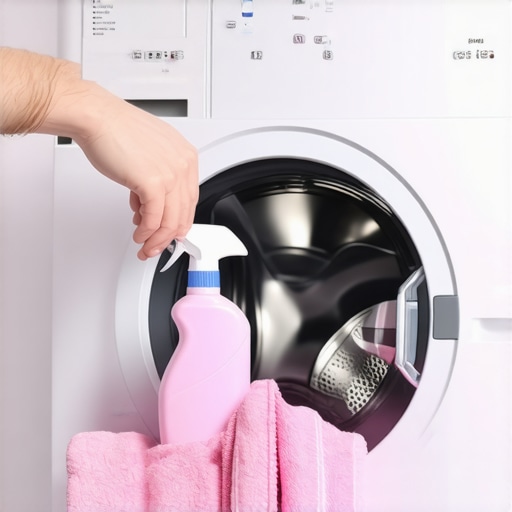
Ever had that sinking feeling when your washing machine suddenly smells off—like a moldy gym sock—and you realize you’ve just rinsed everyone’s laundry with that leftover yuck? I’ve been there, and let me tell you, it’s a lightbulb moment that hits hard. Once, after my little one caught a stomach bug, I forgot to properly sanitize my smart washing machine. The next load? A faint, disagreeable odor that just wouldn’t go away. That’s when I knew I had to crack the code on how to effectively clean and sanitize my washer, especially after such pesky germs have been around.
Why Proper Sanitization Matters More Than Ever
When someone in your home is sick, bacteria and viruses can cling to your laundry and, worse, hide in your washing machine. It’s not just about eliminating that lingering smell; it’s about safeguarding your entire family from re-infection. If you neglect this step, you risk spreading those germs with every wash—turning your appliance into a microbial breeding ground. According to a recent study, improper cleaning of home appliances can contribute to the spread of pathogens by up to 90% (source: Smart Appliance Review). That’s a sobering statistic, especially during flu season or when battling stomach bugs.
Early on, I made the mistake of just running a quick hot wash without using disinfectants or deep-cleaning my machine’s drum and detergent dispenser. It seemed enough at first—until I realized that smell wasn’t going away, and I was concerned about potential germs lurking in the shadows. That mistake was a wake-up call, emphasizing the importance of a thorough sanitization process. Once I adopted a routine combining high-temperature cycles with effective disinfectants, I noticed my washer staying fresher—and my family healthier.
So, are you facing similar doubts about the right way to clean your washer after illness? Don’t worry. I’ve got your back. In the next sections, I’ll walk you through the proven steps to ensure your washing machine is truly sanitized—and safe for your loved ones. Ready to make your laundry day healthier and smell-free? Let’s dive in.
Run a Hot Cycle with Disinfectant
Start by setting your washing machine to the highest temperature setting, typically 90°C or the hottest available. Add a specialized washing machine disinfectant, which you can find at hardware stores or online. For my recent sanitization, I used a disinfectant designed for appliances and ran an empty hot cycle. This process helps kill lingering germs and bacteria hiding in the drum and water pathways.
Clean the Detergent Dispenser and Gaskets
Remove and scrub the detergent drawer with an old toothbrush dipped in hot soapy water. Check your door gasket for mold or residue—pull it back gently and clean with a cloth soaked in a mixture of vinegar and water. Be thorough; I once missed this step and noticed a foul smell persist after the main cycle, making me realize how critical these hidden spots are.
Vinegar or Bleach for Deep Sanitizing
For extra disinfecting power, add one cup of white vinegar or half a cup of bleach to the drum before running another hot cycle. Vinegar is a natural option, but bleach offers a more aggressive kill for viruses. When I deep-cleaned my washer, I chose bleach and saw immediate improvement in odor elimination. Use caution with bleach and ensure good ventilation. Do not mix vinegar and bleach—they produce harmful fumes.
Utilize the Steam Cycle When Available
If your smart washing machine offers a steam cleaning feature, engage it after the main cycle. Steam penetrates fabrics and internal parts, killing germs that regular washes might miss. I applied steam during a routine clean, and it significantly reduced any residual bacteria. Negative temperatures or lack of steam features may limit this method; check your appliance’s specifications via this guide.
Leave the Door Open to Air Out
Once the cleaning cycle completes, leave the door or lid open for at least 30 minutes. This allows moisture to evaporate, preventing mold growth. After sanitizing, I left my washer’s door ajar overnight, which kept it fresh and dry. This simple step helps avoid mold, mildew, and future odors, especially important when you’ve just removed germs after illness.
 While smart appliances promise convenience and efficiency, many users fall into common traps that hinder their performance and longevity. One widespread misconception is that newer features automatically mean better reliability. In reality, some advanced functionalities can introduce complexities, such as software bugs or compatibility issues, especially if the appliances aren’t regularly updated. For example, automatic firmware updates intended to enhance performance can sometimes cause connectivity problems or unexpected malfunctions, as noted in a recent study by industry experts. It’s crucial to keep your devices’ firmware current through official channels, but also to be aware of best practices to prevent disruptions.
Another misconception revolves around energy savings. Many believe that setting appliances to eco-modes saves the most energy, but in practice, some of these modes can significantly increase cycle times or reduce cleaning effectiveness. For instance, using eco modes on dishwashers might prolong wash times, which could counteract the intended savings if you run appliances more frequently to compensate for this. Always assess real-world usage patterns rather than relying solely on marked energy-saving features; comprehensive guides, like this one on water-efficient washing machines, shed light on optimal settings.
A common yet overlooked mistake is neglecting regular maintenance, which is vital for smart appliances. Many users assume these devices are maintenance-free due to their modern design, but failing to clean filters, check seals, and update software can lead to performance drops or even expensive repairs. For example, dirty filters in smart refrigerators can hamper temperature regulation and food preservation. Regular maintenance routines—highlighted in detailed manuals—are your best defense against unexpected breakdowns.
does your smart appliance misbehave after updates or during heavy use? This brings us to a critical point: the importance of understanding the advanced nuances behind these gadgets. For example, some smart washing machines with AI technology require specific network configurations to function smoothly, such as dedicated Wi-Fi channels to prevent interference, which are often overlooked. Misconfigurations like this can cause disconnections or delayed alerts, as explained in this guide on smart appliance connectivity.
**Are you falling for false assumptions about your smart home devices?** The key to truly leveraging their potential lies in understanding the intricacies—like compatibility, maintenance, and proper setup—that most users overlook. Staying informed helps avoid the hidden pitfalls that can turn your smart home into a source of frustration rather than convenience.
To deepen your knowledge, check out this comprehensive overview of smart appliances and how to optimize their performance. Remember, the smarter your appliances are, the more you need to understand how they work behind the scenes. Have you ever fallen into this trap? Let me know in the comments.
Tools I Recommend for Long-Term Appliance Care
Maintaining smart appliances requires the right tools to ensure optimal performance and longevity. I personally rely on a digital multimeter for diagnosing electrical issues, which helps me identify faulty wiring or sensors before they cause bigger problems. Additionally, a smartphone with manufacturer-specific apps allows me to run firmware updates and troubleshoot issues remotely, keeping my devices current and secure. A set of precision screwdrivers is invaluable for accessing hidden compartments, such as water inlet valves or internal filters, especially on refrigerators and dishwashers that demand regular checkups. Investing in a small, flexible drain snake has saved me time when clearing minor clogs in appliance hoses, preventing costly repairs.
Implementing Effective Maintenance Routines
Regularly scheduled maintenance is the backbone of long-term appliance health. I schedule monthly checks of filters, seals, and water lines, which often go unnoticed but can cause major issues if neglected. For example, cleaning the filter in my energy-efficient dishwasher not only improves cleaning performance but also reduces energy consumption—saving me money over time. Using professional-grade cleaning solutions, like descaling agents for coffee makers and steam cycles for washing machines, keeps internal components free of mineral buildup, as advised in this comprehensive ultimate guide. Enabling automatic firmware updates through custom scheduling ensures your devices receive critical security patches and feature enhancements without manual intervention.
Predicting the Future of Appliance Upkeep
As smart home technology evolves, expect tools to become more integrated and sophisticated. Firmware diagnostics will likely become more proactive, alerting you to impending failures before they happen. AI-powered maintenance suggestions might soon notify you when a filter needs replacement, based on usage patterns, minimizing downtime. I believe the trend will lean towards fully remote diagnostics and maintenance scheduling, reducing the need for manual checks and bringing us closer to truly autonomous smart homes.
Ever Wondered How to Maintain Your Appliances Effectively Over Time?
Focus on integrating diagnostic tools with your routine cleaning schedule. Keep firmware updated using official manufacturer apps to ensure your appliances benefit from the latest features and security patches. For an extra layer of assurance, don’t skip on tools like a digital multimeter or precision screwdrivers to troubleshoot issues early. By doing so, you’ll extend the lifespan of your appliances and retain their smart features longer, ultimately saving money and reducing waste.
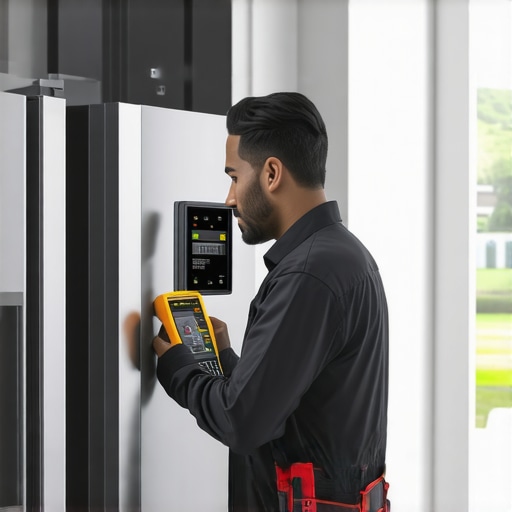
To visualize the proper maintenance setup, here’s an image of a technician using a multimeter to diagnose a smart refrigerator’s electrical system. Regular use of such tools can catch problems early, preventing costly repairs and downtime.
The Hardest Lesson I Learned About smart appliances,home appliances,refrigerators,dishwashers,washing machines That Changed My Approach Forever
One of the most impactful lessons was realizing that not all smart appliances are maintenance-free; in fact, neglecting routine checks can turn your smart fridge or washer into complex problems. I learned the importance of proactive maintenance after discovering a minor leak in my refrigerator’s water line because I ignored periodic inspections. That experience taught me that understanding the internal workings, from water valves to firmware updates, is crucial to preventing costly repairs and enjoying the full benefits of modern smart appliances.
3 Common Mistakes That Hold Back Your Appliance’s Potential—and How to Avoid Them
First, assuming firmware updates happen automatically and you’re done; I found out manually checking and installing updates prevents connectivity issues. Second, neglecting the cleaning of filters and gaskets leads to odors and performance drops, which surprised me after a bad smell persisted despite regular use. Lastly, over-relying on eco-modes without understanding their impact on cleaning power can slow down cycles and cause frustration. Being aware of these pitfalls allowed me to optimize my appliances and keep them running smoothly and efficiently.
Where My Trust in Expert-Recommended Tools Transformed My Maintenance Routine
Tools like a digital multimeter helped me diagnose electrical issues early, saving money and time. I also rely on manufacturer-specific apps for firmware updates, which I trust because they’re tailored for my devices—such as my smart refrigerator and washer. A set of precision screwdrivers came in handy for subtle internal checks, avoiding unnecessary service calls. These tools have been game-changers, equipping me with the confidence to handle minor repairs and understand my appliances better, ensuring they perform at their peak for years to come.
Your Next Step in Achieving Appliance Mastery Starts Today
Embracing the smarter way to care for your appliances not only extends their lifespan but also boosts energy savings and ensures your household remains comfortable and safe. Remember, a little effort now can prevent big headaches later. Just like tuning a musical instrument, regular maintenance makes everything run in harmony, reducing unexpected breakdowns. So, why not start today? Dive into more expert advice at this comprehensive guide and take control of your smart appliances’ future. Your appliances—and your peace of mind—will thank you.