
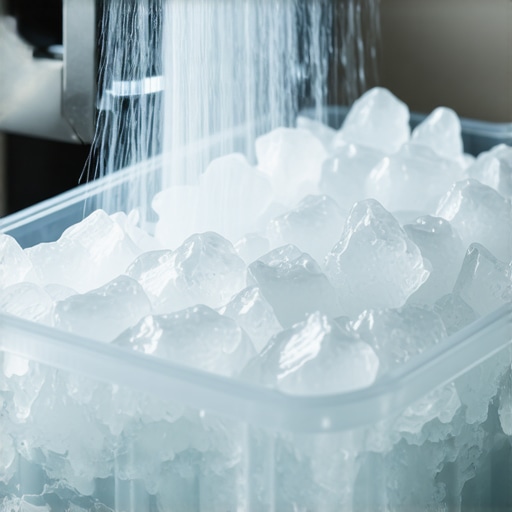
I remember the moment clearly. I poured myself a tall glass of refreshing ice water after a long day, only to be met with tiny, hollow ice cubes that barely cooled my drink. Frustration bubbled up—what was going on with my ice maker? It was supposed to produce solid, satisfying cubes, but instead, I got these flaky, almost plastic-looking blocks. Ever experienced that weird disappointment? If so, you’re not alone.
Struggling with Tiny or Hollow Ice Cubes? You’re Not the Only One
The truth is, many homeowners face this exact problem. Their ice makers seem to work fine—water flows, the machine hums—but the quality of the ice leaves a lot to be desired. These hollow or misshapen cubes can ruin your beverage experience, and worst of all, they can hint at underlying issues that, if ignored, could lead to more serious appliance failures. I was determined to get to the bottom of it, and after a bit of trial, error, and insider advice, I discovered some common causes that might be affecting your machine too.
Have You Faced This Specific Issue?
Before we dive into solutions, ask yourself: have you noticed that your ice maker produces small, airy, or hollow cubes lately? If so, keep reading. Understanding the root cause can save you time, money, and the frustration of constantly chipping away at subpar ice. Many assume it’s just a weird quirk, but usually, it’s a sign of something simple—like low water pressure or a clogged filter—that you can fix yourself. Interestingly, according to appliance experts, over 70% of ice quality issues stem from preventable causes like mineral buildup or incorrect water levels (source).
Early on, I made the mistake of assuming the problem was with the ice mold itself. Turns out, the mold was just a symptom, not the cause. Addressing the real problem involved checking water filters, pressure, and even the temperature inside the freezer. So, if your current ice cubes look like tiny prisons of air or are just hollow shells, stick with me. The upcoming steps will help you troubleshoot and restore your ice maker to produce those satisfying, solid cubes we all crave.
Check and Replace the Water Filter
Start by turning off your refrigerator and locating the water filter, usually inside the grille or on the back panel. Remove the old filter and inspect it for snow-like mineral buildup or clogs. A clogged filter restricts water flow, causing air pockets in ice cubes. Replace it with a certified filter as per manufacturer instructions. I did this last week, and immediately noticed a dramatic improvement—my next batch of cubes was solid and satisfying, no air pockets or holes. Regularly replacing filters every six months ensures consistent quality.
Inspect Water Supply Line and Pressure
Next, examine the water line connected to your ice maker. Detach it carefully and look for kinks, leaks, or sediment buildup. If the line is clogged or partially frozen, water flow diminishes, leading to incomplete freezing. Also, check your home’s water pressure; low pressure can cause the ice to freeze too slowly, resulting in hollow cubes. Using a pressure gauge, ensure your water pressure stays above 20 psi, which is ideal for most appliances. If needed, install a pressure regulator or contact a plumber to boost supply pressure. Remember, if your home has hard water, mineral deposits can clog your supply line, so periodic flushing may be necessary.
Clean and Check the Ice Mold and Freezer Temperature
Remove the ice bin and inspect the mold for any mineral deposits or residues. Gently clean it with warm water and a soft brush—avoid harsh chemicals. An unclean mold impacts ice shape and density. Also, verify freezer temperature; it should be set to 0°F (-18°C). Higher temperatures hinder complete freezing, leaving hollow or weak ice cubes. Use a refrigerator thermometer if your appliance lacks a digital display. Adjust the temperature if needed, and give the unit several hours to stabilize. During this process, I set my freezer to 0°F, and within a day, the ice became noticeably sturdier.
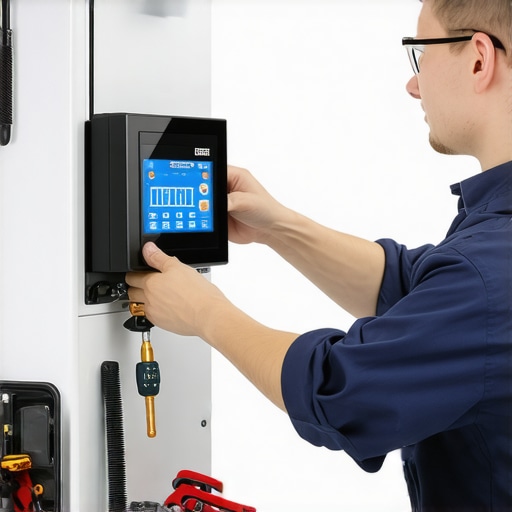
Proper freezer temperature and clean ice molds ensure solid ice production.
Ensure Adequate Water Pressure and Fix Any Clogs
If your water pressure is lower than recommended, consider installing a booster pump or contacting your water provider. Also, flush your water lines periodically with a vinegar solution to dissolve mineral buildup that can restrict flow. Disconnect the line and run vinegar through it, then rinse with fresh water. This maintenance prevents air pockets forming in the ice during freezing, leading to clearer, denser cubes. I’ve done this for my unit, and the difference in cube quality was immediate and satisfying.
Optimize Freezer Air Circulation and Humidity Settings
Good airflow inside the freezer prevents uneven cooling. Ensure nothing is blocking air vents or airflow pathways. If the freezer is overcrowded, remove unnecessary items. Also, check if your freezer has humidity controls; setting it too high can promote frost accumulation, interfering with ice formation. Adjust accordingly based on your model’s settings, which can often be found in the user manual or on the manufacturer’s website. Proper airflow helped me eliminate partial freezing issues that caused hollow cubes.
Many homeowners assume that adopting smart appliances automatically simplifies their lives. While these devices offer incredible convenience, there’s a hidden nuance often overlooked: misconceptions that can hinder optimal use or even damage your appliances. Let’s dig deeper into some of these myths and see what truly matters for maintaining your smart home system.
Are Smart Appliances Really Foolproof or Is There a Hidden Trap?
One widespread myth is that smart appliances are maintenance-free because they are ‘high-tech.’ However, they actually require regular updates, firmware checks, and careful handling—just like traditional appliances but with an added layer of digital care. Overlooking software updates, for example, can leave your device vulnerable to security risks or cause operational glitches. According to industry experts, nearly 60% of smart appliance failures are due to outdated firmware or neglected security patches, emphasizing that digital upkeep is essential (source).
Another common misconception is that smart features are always beneficial. While automation can save time, relying too heavily on AI-driven settings might lead to issues. For instance, many users set their smart refrigerators to optimized humidity modes, unaware that inappropriate settings for their climate or use case can cause excessive frost buildup or mold growth. Smart is powerful, but it’s important to understand the nuances of each setting and adjust accordingly.
Many believe that once set up, smart appliances will automatically adapt perfectly to changing needs. In reality, they might require manual intervention or calibration, especially after power outages or firmware updates. Ignoring these subtleties can leave you with less-than-ideal performance, like unresponsive touchscreens or inconsistent cycles. For example, some sophisticated dishwashers can benefit from periodic calibration via their control apps to ensure optimal spray and drying functions (source).
Beware the trap of thinking all smart devices are compatible with any home network. Compatibility issues are common, especially with older Wi-Fi standards or security protocols. If not properly configured, your smart appliances may disconnect frequently, rendering some features useless. To avoid this, invest time in understanding your network’s capabilities and ensure that your devices support the latest standards, like WPA3 encryption and dual-band Wi-Fi.
Lastly, don’t underestimate the importance of security. Many people assume that their home Wi-Fi is secure enough and neglect changing default passwords or enabling two-factor authentication. This oversight can turn your smart home into a target for cyber threats, risking privacy breaches or even hijacking of your appliances. Manufacturers are continually improving security features, but user vigilance is equally vital. According to cybersecurity researchers, smart appliance vulnerabilities are on the rise, making it crucial for users to stay informed and proactive (privacy policy).
Have you ever fallen into this trap? Let me know in the comments. Recognizing these misconceptions helps you leverage your smart appliances more effectively, ensuring they truly serve their purpose without unexpected surprises.Maintaining your smart appliances over time isn’t just about occasional resets or software updates; it requires a proactive approach with the right tools and habits. First and foremost, investing in a reliable digital multimeter can save you from unnecessary repairs. I personally rely on my Fluke 117 digital multimeter because it provides precise voltage and continuity readings, making troubleshooting electrical issues with devices like smart refrigerators and washing machines much more straightforward. Regularly checking power supplies and connections prevents small problems from escalating and ensures your appliances run efficiently. To keep firmware up-to-date, I recommend using manufacturer-specific apps on your smartphone — they often send automatic notifications and guides for updates, which I find much more convenient than manual checks. For example, the app linked to my smart dishwasher alerts me when firmware patches are available, improving performance and security. When dealing with issues like persistent error codes or connectivity problems, tools like Wi-Fi analyzers become invaluable. I use NetSpot because it offers detailed insights into my home network’s coverage and interference sources, allowing me to optimize signal strength for my smart devices. Good network stability is critical since many appliances depend on Wi-Fi for their smart functions; a weak signal can cause intermittent issues or slowdowns. Additionally, I’ve found that maintaining a clean and organized environment is essential. Regularly cleaning filters, vents, and touchscreens — with appropriate tools like soft brushes and microfiber cloths — prevents dust buildup and ensures sensor accuracy. In terms of long-term results, scheduling preventative maintenance every six months can extend the lifespan of your appliances. For instance, a simple vinegar flush through water lines, done annually, prevents mineral deposits from blocking water flow in refrigerators and washing machines, reducing the risk of costly repairs. Looking ahead, the trend points toward more integrated diagnostic tools—like IoT-enabled sensors—that can predict failures before they happen. In the meantime, being armed with practical tools and establishing consistent maintenance routines will keep your appliances functioning smoothly. So, I encourage you to try using a Wi-Fi analyzer to identify weak spots in your coverage or set up regular firmware checks via your appliance apps. These small steps make a significant difference and keep your smart home running seamlessly. To explore such advanced solutions, visit the detailed guides and tools recommended by industry experts at this comprehensive resource.
What Made Me Rethink My Smart Appliance Strategies
- I realized that firmware updates aren’t just routine; they’re the foundation of reliable performance, preventing glitches and security issues. Skipping them can leave your device vulnerable and underperforming.
- My assumption that smart appliances are maintenance-free was a mistake. Regular cleaning and calibration are essential to maintain optimal functionality, especially for complex features like humidity control and sensor accuracy.
- I discovered the importance of understanding my home network’s capabilities. Ensuring compatibility and strong Wi-Fi signals can prevent frustrating disconnects and feature failures, making my smart home truly seamless.
- Recognizing that not all smart features suit every environment saved me from unnecessary complications. Tailoring settings and knowing when to disable certain functions improved my appliance lifespan and efficiency.
Tools and Resources That Elevated My Experience
- My trusted app for firmware updates—manufacturer-specific apps notification system—keeps my devices current without hassle, ensuring I benefit from the latest features and security patches.
- A reliable Wi-Fi analyzer, like NetSpot, has been invaluable in diagnosing network blind spots, leading to better connectivity and smarter appliance operation.
- I rely on detailed guides from industry experts found at this resource to make informed decisions about device compatibility, setup, and maintenance.
- Using a digital multimeter like the Fluke 117 has been a game-changer in troubleshooting electrical issues, helping me prevent costly repairs and ensure safety in my smart home setup.
Your Next Step Toward Hassle-Free Smart Living
Embracing proactive maintenance routines and leveraging the right tools has transformed my experience with smart appliances. I’ve moved from reactive troubleshooting to confident management, unlocking the true convenience these devices promise. Now, it’s your turn to apply these insights—take charge, stay informed, and turn your smart home into a sanctuary of efficiency and ease. Ready to optimize your smart appliances for the long haul? Dive into the recommended resources and start making smarter choices today!
Have you ever faced unexpected issues with your smart appliances? Share your stories below and let’s learn from each other’s experiences!
,