
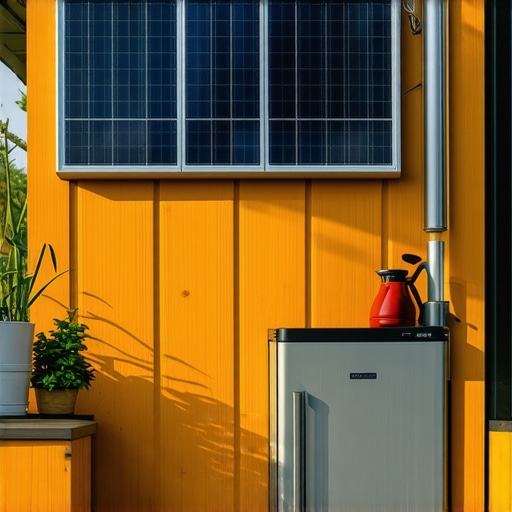
Sometimes, I just want to wash a load of laundry or keep my groceries fresh without hearing my energy meter spinning wildly. One evening, I looked out the window at my solar-powered setup, realizing that my old dishwasher was silently sipping electricity—more than I thought possible—and my fridge was running constantly, attempting to keep up in the waning sunlight. That lightbulb moment made me wonder: Are my appliances truly energy-efficient, or am I just fooling myself?
Why Choosing the Right Energy-Saving Appliances Matters When Off-Grid
Living off-grid means relying on renewable energy sources like solar or wind—sources that demand careful management and smart choices. If your appliances aren’t designed for efficiency, your energy stash will be drained faster than you can replenish it. I’ve learned the hard way that not every eco-friendly labeling guarantees performance in a low-power setup. Selecting appliances that are genuinely energy-efficient isn’t just about saving the environment; it’s about ensuring your home remains functional, comfortable, and sustainable.
Beyond personal convenience, investing in the right appliances has tangible benefits. For example, recent studies show that using water-saving washing machines can reduce water use by up to 50%, which directly correlates to less energy needed for heating water. Moreover, choosing appliances with smart energy modes can optimize power consumption during peak sunlight hours, making your solar setup stretch further.
If this challenge sounds familiar—struggling with appliances that underperform or drain your energy reserves—you’re not alone. My early attempts included buying popular brands without scrutinizing their energy ratings, which resulted in higher bills and frustrating inefficiencies. That mistake taught me the importance of knowing exactly what to look for, and I want to share those insights with you.
Now, let’s dive into how to identify energy-efficient appliances that can handle the off-grid lifestyle without compromises. We’ll explore features to look for, common pitfalls, and how to ensure your appliances work harmoniously with your renewable energy system. Ready to transform your off-grid home into a model of efficiency? Let’s get started.
Assess Your Energy Needs Before Shopping
Start by evaluating how much energy your household consumes daily. Keep a detailed log of your appliance usage over a week, noting peak and off-peak times. Use this data to determine the total wattage and daily energy demand, which will guide your appliance selection process.
Compare Energy Ratings Accurately
Look beyond labels and dive into actual energy consumption figures. Many appliances display EPA or ENERGY STAR ratings, but check the specific kWh usage per cycle or year. For example, a washing machine with a 1.0 kWh per load consumption can significantly reduce your energy draw when used smartly.
Prioritize Smart and Adaptive Features
Choose appliances equipped with adaptive energy-saving modes that optimize power use based on your real-time needs. Smart washing machines, like those discussed here, can adjust cycle times and intensity, saving water and electricity. Similarly, refrigerators with variable speed compressors adapt cooling based on load, reducing energy waste.
Integrate with Your Solar System
Pick appliances that can be scheduled or remotely controlled, allowing you to run them during peak sunlight hours. For instance, smart dishwashers with delay-start functions can operate when your solar panels produce maximum power, as detailed in this article. This ensures appliances chase the sun, making the most of your renewable energy.
Use Monitoring Tools for Continuous Improvement
Implement energy monitors like smart plugs (see top picks here) to track the real-time consumption of each device. Regularly reviewing these stats helps identify inefficient usage patterns or appliances that consume more power than expected, guiding future upgrades.
Maintain and Optimize Your Appliances for Peak Performance
Proper maintenance enhances efficiency. Clean filters in dishwashers and refrigerators regularly (here), ensure seals are tight, and update firmware to benefit from energy-saving improvements. These proactive steps keep your appliances running at optimal efficiency, prolonging lifespan and reducing power drain.
Many homeowners assume that all smart appliances are inherently energy-saving and reliable, but in practice, this is far from the truth. One common misconception is that the latest high-tech features automatically translate into better efficiency. For example, a smart refrigerator might come with advanced sensors and Wi-Fi connectivity, but if you don’t optimize its settings or understand its operation nuances, it could still waste energy. The key is to understand how to leverage these features fully—something many overlook.
Do All Smart Appliances Adapt to Off-Grid Living?
While manufacturers tout smart appliances as adaptive and efficient, their true performance depends on specific compatibility and settings. Many high-end washing machines and dishwashers can integrate with solar systems via scheduling features, but only if you configure them correctly and choose models designed with off-grid use in mind. Relying solely on
Equip Yourself with the Right Maintenance Tools for Longevity
Ensuring your appliances stay in top shape requires precision and the right gear. I personally rely on a high-quality digital multimeter, such as the Fluke 117, to troubleshoot electrical issues in refrigerators and washing machines. It’s essential to verify voltage and continuity accurately, preventing unnecessary replacements. For cleaning filters and inaccessible areas, I recommend a flexible microfiber brush, which helps remove debris without damaging delicate components. These tools have saved me both time and money by catching problems early and maintaining optimal performance.
Adopt a Routine Check and Maintenance Schedule
Consistent inspections are vital. I set monthly reminders to examine door seals, clean filters, and verify drainage lines. For example, cleaning the dishwasher’s filter with proper tools ensures water flows correctly and cleans effectively, as detailed here. Additionally, inspecting the refrigerator’s condenser coils, which I do biannually using a microfiber brush, can significantly improve energy efficiency and prevent overheating. This proactive approach reduces unexpected breakdowns and extends appliance life.
Utilize Software and Apps to Monitor Appliance Health
Modern appliances often come with built-in diagnostics or companion apps. I use the Whirlpool app to run self-diagnosis on my smart refrigerator, checking for sensor errors or compressor issues without professional intervention. Regularly reviewing app alerts and energy consumption data helps identify inefficiencies before they escalate. For comprehensive monitoring, smart plugs equipped with energy analytics, like those from TP-Link, provide real-time power usage insights, allowing me to spot anomalies quickly and take corrective actions.
How do I maintain my appliances over time?
Establish a maintenance routine that combines manual inspections with modern tools. Consistently cleaning filters, checking door seals, and verifying electrical connections with a multimeter keeps appliances efficient and reduces repair costs. Following manufacturer guidelines, such as those recommended in expert articles here, ensures you’re adhering to best practices. Additionally, scheduling professional check-ups annually helps catch potential issues early, especially for complex components like compressor motors or electronic control boards. Make it a habit to stay vigilant, and your appliances will reward you with long-term service and energy savings.
Future Trends in Appliance Maintenance and Monitoring
Looking ahead, AI-driven predictive maintenance systems are poised to revolutionize how we care for home appliances. These intelligent systems analyze usage patterns and sensor data to forecast failures before they happen, enabling preemptive repairs. As technology advances, expect more appliances to wirelessly communicate with maintenance services or homeowners directly, providing actionable insights and reducing downtime. Staying updated with these innovations, as discussed in here, will be crucial for managing your smart home effectively.
Protect Your Investment with Proper Upkeep
Ultimately, the key to keeping appliances functional and efficient lies in consistent care. I recommend trying the advanced tip of installing smart energy monitors on your critical devices, which offers granular data on performance and helps identify inefficiencies early. Incorporating these tools into your routine not only prolongs appliance lifespan but also optimizes your energy use, essential for off-grid living. Take charge today—equip yourself with a digital multimeter and set up a maintenance schedule. Your appliances—and your wallet—will thank you for it.
What Nobody Tells You About Smart Appliance Myths
One of the biggest revelations in my off-grid journey was realizing that not all smart appliances are inherently energy savers. I once assumed that a high-tech fridge or washer would automatically reduce my energy footprint—turns out, only when configured correctly. The real kicker was discovering that some devices, despite their labels, can actually drain more power if settings and modes aren’t optimized for off-grid use. This lightbulb moment taught me to look beyond the marketing and dive into the actual energy specifications to make informed decisions.
Tools That Turn Challenges into Wins
Shortly after, I started relying on tools like smart plugs with energy monitoring capabilities and multifunctional multimeters. These gadgets provided real data, illuminating inefficiencies I never suspected. For example, using a quality digital multimeter to verify voltage and current flow in my appliances helped me troubleshoot issues early, preventing costly replacements. I trust these tools because they empower me to maintain my appliances proactively, saving energy and extending their lifespan in the process.
Listening to Your Home—It’s Not Just Noise
Over time, I learned to ‘listen’ to my appliances—small, telltale signs like unusual noises or inconsistent performance often hint at underlying issues. Regularly checking seals, cleaning filters, and inspecting electrical connections became routine practices that kept my appliances running efficiently. For instance, cleaning the condenser coils of my refrigerator biannually not only improved cooling but also reduced energy consumption. These simple habits turned maintenance from a chore into an ongoing conversation with my home’s most vital systems.
Embracing Future Trends Today
The technology shaping appliance maintenance is moving fast. AI-driven predictive systems are beginning to predict failures before they happen, which fascinates me. Imagine an appliance that tells you it’s about to need repair—without waiting for a breakdown. Staying ahead of these innovations by following industry updates, like those found here, ensures you’re prepared to incorporate smarter, more efficient systems into your off-grid lifestyle. The future of home appliances is brighter and more connected than ever.
Empower Your Journey—Get Started Now
Living off-grid with smart appliances isn’t just about choosing the right gear; it’s about cultivating an awareness of your home’s unique energy rhythm. Equip yourself with the tools and knowledge to optimize every watt, and you’ll find your lifestyle becoming more sustainable and comfortable. Remember, the key is continuous learning and proactive maintenance—your off-grid success depends on it. Dive into the options, experiment with configurations, and don’t be afraid to ask for help or advice from online communities eager to share their experiences.