
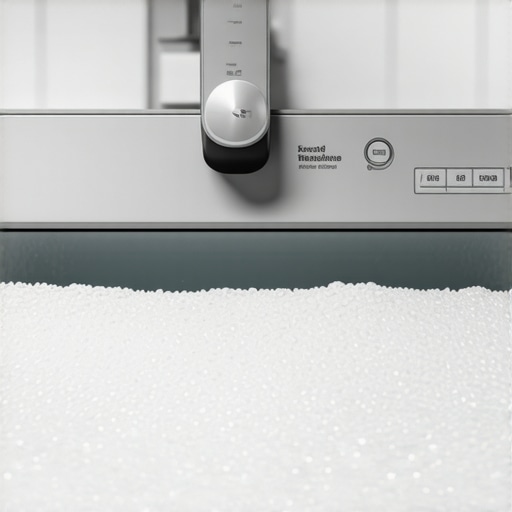
I stood there with my forehead pressed against the cold glass lid of my brand new, expensive machine, feeling a mix of confusion and pure, unadulterated rage. I had just tossed in a week’s worth of gym clothes, expecting to see a churning whirlpool of soapy suds. Instead, I saw a sad, shallow puddle at the bottom. The clothes weren’t even fully submerged! I was convinced the water inlet valve was already shot, or worse, that I’d been scammed by a green marketing ploy. My old machine from the 90s would have filled to the brim, but this thing? It acted like water was liquid gold. I actually tried to trick it by pouring buckets of water in manually, a mistake that ended up causing an imbalanced load error and a very soggy floor. Trust me, I’ve been where you are, staring at those half-dry leggings and wondering how on earth they’re supposed to get clean.
Where Did All the Water Go?
The truth is, your machine isn’t broken; it’s just much smarter, and more stubborn, than the ones we grew up with. When you switch to a modern unit, the first thing you notice is the lack of a deep soak. We’ve been conditioned to believe that more water equals cleaner clothes, but high-efficiency (HE) technology has flipped the script. These machines use a load-sensing process to determine exactly how much water is needed based on the weight and type of the fabric. It’s a jarring transition, especially if you’re used to seeing a full tub. If you’ve noticed white streaks on your dark clothes, it is often a sign that you are using too much detergent for the small amount of water the machine actually needs, not that there isn’t enough water to do the job. Today, I’m going to show you exactly why this happens and how you can stop fighting your washer and start getting the best results from it. Have you ever felt the urge to grab a garden hose just to fill the tub yourself? You are definitely not alone.
Is This Low Water Level Actually Getting My Clothes Clean?
It feels like a scam, doesn’t it? But there is actual science behind the madness. High-efficiency washers rely on the friction of clothes rubbing against each other in a concentrated detergent solution rather than just floating around in a giant vat of diluted soap. According to the Association of Home Appliance Manufacturers, these machines can use as little as 13 to 20 gallons per load compared to the 40 gallons traditional machines guzzle down. This isn’t just about saving the planet; it’s about how the motor and the drum are designed to move. If you’re coming from a traditional background, washing machines that save water can feel like they’re underperforming, but once you understand the tumble and rub method, the results speak for themselves. In the next section, we will dive into how to properly load these machines to ensure every fiber gets the attention it deserves without triggering a top-load washer spin failure.
How to Make Low Water Levels Work for You
To get these machines to actually clean, you have to stop thinking of the tub as a swimming pool and start thinking of it as a rock tumbler. The goal is mechanical action. If you cram the machine full, the clothes just sit there in a damp lump. They can’t rub against each other, so the dirt stays trapped in the fibers. I learned this the hard way when I tried to wash a massive load of denim all at once; half of them came out with dry patches and the other half looked like they’d just been dusted with flour because the detergent couldn’t even reach the fabric. Now, I always leave a hand’s width of space at the top of the drum. This gives the fabric room to fall and snap, which is what actually knocks the dirt loose.
Stop Choking the Drum
If you have a top-loader with an impeller—that flat disc at the bottom—don’t just dump clothes on top of it. Lay them around the edges in a loose ring, like a donut. This allows the sensors to accurately weigh the load. If you block the center, the machine might misread the weight and give you even less water than you need. Knowing how to diagnose a faulty lid switch on your top loader is important for long-term maintenance, but often the immediate failure is just a result of an imbalanced, overstuffed drum that the machine can’t safely spin. 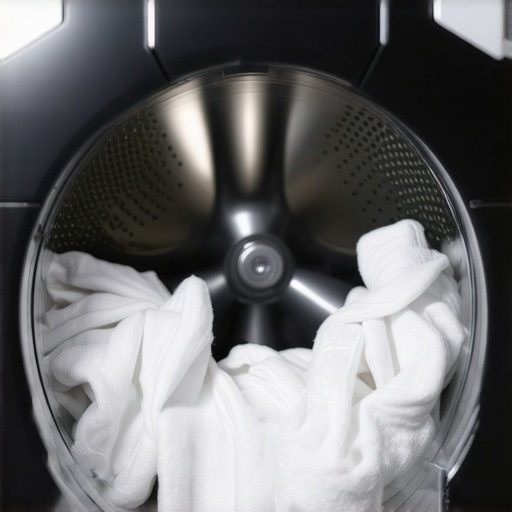
Choose the Cycle That Actually Uses Water
Most modern machines have a Deep Fill or Extra Rinse option. Use them sparingly, but use them. If you’re washing heavily soiled towels or mud-caked kids’ clothes, the Normal cycle won’t cut it. That cycle is strictly designed to pass government energy ratings. Switch to Heavy Duty or Towels. These cycles are programmed to use more water and more aggressive agitation. You can even how to use steam cycles on your smart washer to loosen tough stains before the main wash begins, which maximizes the effectiveness of the small amount of water used.
Don’t Let Detergent Clog the System
Since there’s less water, you need significantly less soap. If you see bubbles through the window, you’ve used too much. Excess suds create a cushion that prevents the clothes from rubbing together, effectively stopping the cleaning process. It also leads to the secret to odor-free laundry in a high-efficiency machine: keeping the internal sensors and gaskets free from slimy detergent buildup. Think of it like this: you wouldn’t put a gallon of soap in a bucket to wash a single car. Two tablespoons of HE detergent is usually plenty for a full load, even if the bottle tells you otherwise.Building on that detergent dilemma, I’ve noticed another trap people fall into: the dishwasher pre-rinse. You’ve probably heard that you need to scrub your plates clean before the machine even touches them. In my experience, this actually sabotages the cleaning process. Modern innovative dishwashers with AI technology use turbidity sensors to detect how dirty the water is. If you put in clean plates, the sensor thinks the load is already finished and cuts the cycle short, leaving you with lukewarm water that doesn’t sanitize. This is often why your dishwasher pod isn’t dissolving completely—the machine simply didn’t run hot or long enough because it was tricked into thinking the job was done. Stop fighting the sensors and let the machine do what it was engineered to do.
The Great Eco-Mode Delusion
Most users avoid the Eco setting because it takes three hours, assuming it must be wasting more power. But the truth about eco mode on modern dishwashers is that it’s like driving a car at a steady 55 mph versus drag racing from stoplight to stoplight. It takes longer to heat the water slowly, but it uses significantly less peak energy. According to the U.S. Department of Energy, these longer, low-temp cycles are the primary way manufacturers meet strict efficiency standards while still providing a deep clean. If you’re constantly using the ‘Express’ or ‘Quick Wash’ settings, you’re likely paying a premium on your utility bill for that 30-minute convenience. 
Why do modern cycles feel like they take forever?
It’s the most common complaint I hear. You used to do a load in 30 minutes; now it’s 90. But why your high-efficiency washer takes so long is down to the lack of water we discussed earlier. Without a deep pool of water to dissolve stains instantly, the machine needs more ‘contact time’ between the fabric and the concentrated detergent. It’s a fundamental trade-off: less water and electricity in exchange for more mechanical action over a longer period. This same logic applies to your fridge, where the secret to making your refrigerator run more quietly often involves letting its variable-speed compressor run for longer durations at a lower, more efficient power level. Have you ever fallen into the trap of restarting a cycle because you thought it was ‘stuck’ on the sensing phase? Let me know in the comments below.It is so tempting to reach for that reset button when a cycle feels like it is dragging, but patience is a virtue when it comes to high-tech gear. Beyond just waiting for the sensors to do their thing, the real secret to long-term success is a regular maintenance routine—and I am not talking about a quick wipe-down of the exterior. Most people do not realize that cleaning the hidden filter in your energy efficient dishwasher is a non-negotiable monthly chore. If you skip this, the pump has to work twice as hard to push water through a screen clogged with grease, food particles, and calcium deposits. I personally use a small, stiff-bristled nylon brush and a bowl of hot soapy water to clear the mesh. It takes five minutes but adds years to the motor’s life and ensures your dishes actually come out sparkling.
How do I maintain my high-end appliances over time?
The key is not just cleaning; it is about being proactive with the components you cannot see. For your laundry room, you should be cleaning a front load washer filter every few months to prevent drainage issues. I once found a stray bobby pin in mine that was mere millimeters away from piercing the drain pump. It is also vital to avoid common mistakes that are shortening the life of your smart refrigerator, like letting dust build up on the condenser coils. According to technical service documentation from Bosch Home Appliances, a dirty condenser can increase energy consumption by up to 25% and eventually cause the compressor to overheat and fail. I use a vacuum attachment specifically designed for tight spaces to pull out the pet hair and dust bunnies from underneath the fridge every spring. 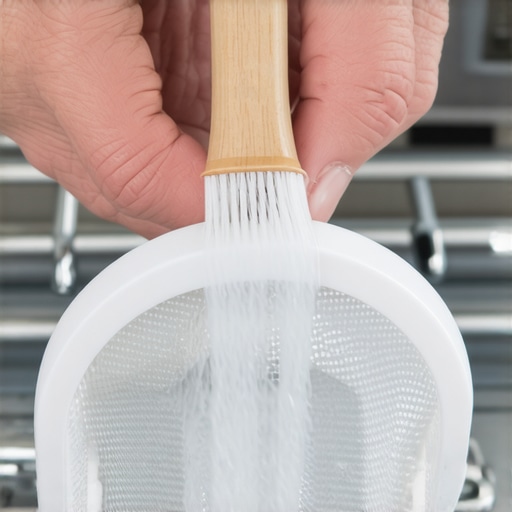
Stay Ahead of the Digital Curve
We also have to think about the ‘brain’ of the machine. Most of us treat our fridge like a box of cold air, but it is essentially a computer that happens to keep your milk fresh. You need to know how to update the firmware on your smart kitchen appliances to ensure they are running the latest efficiency algorithms. These updates often include patches for sensor calibration that can solve mystery problems. For instance, if your ice cubes look weird, it might not even be a mechanical issue; sometimes it is just the real reason your ice maker is producing tiny hollow cubes—a software timing bug that hasn’t been patched. I recommend setting a calendar reminder for ‘Appliance Update Day’ once a quarter. Looking ahead, I predict we are moving toward a ‘self-healing’ era where AI will detect a failing bearing before you even hear a squeak. Until then, you are the chief engineer. Learning how to sync your laundry room with your smart home hub allows you to get push notifications when a filter is clogged or a cycle is finished, preventing that dreaded damp towel smell. My best advice? Go pull that dishwasher filter tonight—you might be surprised at what you find.
Lessons from My Many Laundry Room Meltdowns
After years of wrestling with sensors and staring at low water levels, I’ve realized that the biggest hurdle wasn’t the machine—it was my own expectations. First, I had to accept that more soap does not mean cleaner clothes. In fact, it is the fastest way to kill your motor and cause drainage issues. Second, the ‘Sensing’ phase isn’t a glitch; it’s the machine doing the heavy lifting for you to optimize every drop. Finally, I learned that ignoring a weird sound today leads to a massive service call tomorrow. If you’re worried about the long-term lifespan of your laundry gear, checking out the most reliable washing machine brands for durability can give you much-needed peace of mind before your next big purchase. #IMAGE_PLACEHOLDER_E#
A Handful of Resources to Master Your Modern Machines
I don’t just rely on trial and error anymore. I keep a close eye on the future of home appliances trends to watch in 2025 to see where sensor technology is headed. I also recommend bookmarking the official support pages for brands like Bosch or Whirlpool; their technical diagrams are gold mines for anyone trying to avoid a repair bill. For those who are still in the shopping phase for the kitchen, getting choosing the right refrigerator tips from industry experts can save you hundreds in energy costs and repair headaches. If you want to go all-in on a truly connected lifestyle, look into the top smart appliances for a seamless home experience in 2025 to ensure your whole household speaks the same language.
Stop Fighting the Sensors and Reclaim Your Saturday
It is incredibly easy to feel frustrated when a machine doesn’t behave like the heavy-duty units we used twenty years ago. But once you embrace the actual science of low-water cleaning and mechanical friction, the results really are superior. You’ll save on utility bills, your favorite fabrics will last longer, and you’ll spend less time pre-scrubbing stains. These machines are designed to make our lives easier, even if the learning curve feels a bit steep at first. Start small: clear that hidden filter, cut your detergent in half, and let the software do its thing. Have you ever felt like your high-efficiency machine was actually working against you? Let me know your biggest appliance frustration in the comments below!