

It was 11:00 PM on a Tuesday, and my laundry room sounded like a construction site. My king-sized down comforter had turned into a heavy, sodden brick, and my poor washer was doing its best impression of a jackhammer. I’d just wanted a fresh bed for the weekend, but instead, I was staring at an error code and a puddle on the floor. We’ve all been there, right? You cram that massive winter weight blanket in, hit ‘Normal,’ and pray for the best. Spoiler alert: ‘Normal’ is the worst thing you can do for your heavy linens. Early on, I made the classic mistake of thinking more soap meant a cleaner blanket. All I ended up with was a soapy, heavy mess that refused to rinse. Today, I’m going to show you how to avoid my failures and master the settings for your heaviest winter gear.
Stop Fighting Your Machine Every Winter
Washing heavy bedding isn’t just about getting it clean; it’s about protecting the expensive appliance you rely on every day. When you throw a heavy duvet into the drum, the physics of the machine change. If you’ve ever wondered how to stop your washing machine from banging against the wall, you likely encountered an unbalanced load caused by poorly chosen settings. I spent years thinking my machine was broken, only to realize I was just using the wrong ‘language’ to talk to it. Modern appliances are smart, but they need the right input to handle a 20-pound microfiber beast. This is why how smart washing machines can simplify laundry day depends entirely on you choosing the ‘Heavy Duty’ or ‘Bedding’ cycle rather than the default.
Can a standard home washer really handle a heavy duvet?
I used to be a total skeptic. I assumed that anything bigger than a twin-sized sheet belonged at the laundromat. However, most modern machines can handle it if you know the tricks. A surprising fact from textile experts at the Good Housekeeping Institute reveals that heavy bedding can absorb up to three times its weight in water, which puts incredible strain on your washer’s suspension. If you don’t use the extra rinse or the high-speed spin correctly, you’ll end up wondering why your clothes are still sopping wet after the spin cycle. You might also notice why your high efficiency washer doesn’t fill all the way to the top when you load bulky items—it’s actually trying to protect itself from overbalancing. Have you ever felt like your washer was personally offended by your favorite winter comforter? Tell me about your loudest laundry disaster in the comments before we dive into the specific dial turns that will change your life.
Balance the drum or prepare for the jackhammer effect
Think of your washing machine drum as a playground merry-go-round. If every kid piles onto one side, the whole thing tilts and grinds to a halt. When you’re tossing in a king-sized comforter, you can’t just shove it in as a giant ball. I once made the mistake of “stuffing and running,” only to find my machine had literally “walked” three inches away from the wall during the spin. Now, I always load my heavy items in a “donut” shape, keeping the center of the drum clear even in a front-loader. This ensures that when the spin cycle hits 1,000 RPM, the weight is distributed evenly against the walls of the drum. If you’re using washing machines that save water expert advice for 2025 suggests that proper placement is more critical than ever because there is less water to cushion the impact of a shifting load.
Why the Bedding cycle is your best friend
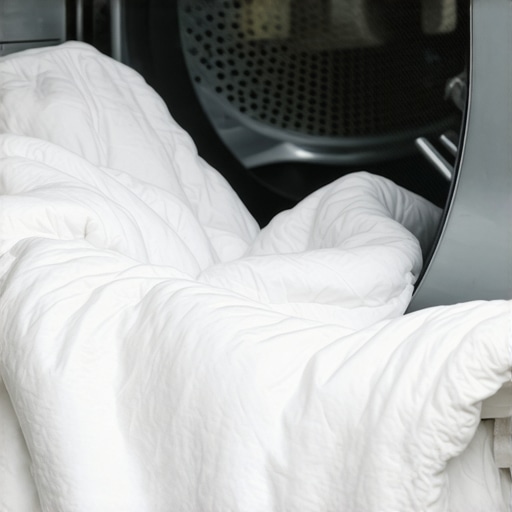
Most of us default to ‘Normal’ because it’s the fastest, but for a heavy duvet, ‘Normal’ is a death sentence for your suspension rods. The ‘Bedding’ or ‘Bulky’ cycle is programmed with a specific rhythm—it uses more water to fully saturate the dense fibers and employs a slower, more deliberate agitation. This prevents the fabric from knotting up into a tight, heavy mass that the machine can’t tumble. If you’ve ever wondered why your high efficiency washer doesn’t fill all the way to the top, it’s because the sensors are trying to find the perfect balance between weight and water. On the Bedding cycle, the machine purposely overrides some of those extreme water-saving measures to ensure the item actually gets wet all the way through.
Ditch the detergent overkill
I’ll never forget the “Suds-pocalypse” of 2019. I thought my winter blanket was extra dirty, so I tripled the detergent. Ten minutes in, foam was oozing out of the drawer like a scene from a horror movie. Here is the hard truth: heavy fabrics are magnets for soap. If you use too much, it gets trapped in the inner batting and never rinses out. This leads to that stiff, crunchy feeling and is exactly why your high efficiency washer is leaving white streaks on dark clothes. Stick to two tablespoons of HE detergent, max. For a truly deep clean without the residue, the secret to odor-free laundry in a high efficiency machine is often found in using less product and adding an extra rinse cycle to clear out the stubborn grime.
Maximize the spin to save your dryer
The real battle isn’t the wash—it’s the extraction. If your blanket comes out dripping, your dryer will take five hours to finish the job, which kills the longevity of the fabric. I always set my machine to a “High” or “Max” spin, but only after ensuring the load is balanced. If the machine senses a wobble, it will downshift the speed, which is why your clothes are still sopping wet after the spin cycle. If you have the option, learning how to use steam cycles on your smart washer can be a game-changer here. A quick steam burst at the end of the cycle helps relax the fibers, making it easier for the centrifugal force to pull water out of the core of the blanket.
Let’s dig deeper into the physics of your laundry room because there is a massive myth I need to bust right now: the ‘More Water’ fallacy. Most people believe that to get a heavy duvet clean, they need to override the sensors and fill that drum to the brim. In reality, the Association of Home Appliance Manufacturers (AHAM) has frequently pointed out that modern High-Efficiency (HE) machines rely on the ‘falling’ action of the fabric hitting the water and other clothes to create mechanical agitation. If you add too much water, the blanket just floats. It doesn’t tumble; it just bobs around, meaning those deep-seated sweat stains and oils never actually get scrubbed out. This is a common reason why your high efficiency washer takes so long to complete a load—it’s struggling to find friction in a soup of excess water.
Why does the drum still bang even when the load looks balanced?
I get this question constantly from people who have followed every balancing tip in the book. If you’ve arranged your comforter in a perfect donut and it still sounds like a plane taking off, you might be dealing with floor resonance or weakened suspension. According to repair technicians, a common mistake is placing a heavy-duty machine on a second-floor laundry room without a reinforced subfloor. The vibrations from a 20-pound wet blanket spinning at high speeds can match the natural frequency of your flooring, magnifying the noise. Before you assume you need to know how to tell if your washer bearings are about to fail, try placing a vibration-dampening mat under the feet. However, if the banging is accompanied by a rhythmic grinding, you might actually be looking at a hardware issue.  The ‘Oops’ factor often happens after the wash. Heavy blankets, especially older ones or those with down filling, shed an incredible amount of lint and microfibers when saturated. This debris often bypasses the main drum and settles in the pump filter. If you finish a heavy bedding cycle and don’t immediately check the trap, you’re setting yourself up for a drainage failure. I learned this the hard way when my machine stopped mid-cycle two days later. Knowing how to clean a front load washer filter without flooding the room is an essential post-bedding-day skill. This is why washing machines that save water expert advice for 2025 emphasizes maintenance just as much as usage. Have you ever fallen into this trap of neglecting the maintenance after a big load? Let me know in the comments.
Stop the slime from claiming your laundry room
After you’ve successfully tackled that heavy duvet, the work isn’t actually finished. I’ve found that the sheer volume of water and lint from heavy loads creates a perfect breeding ground for bacteria if you aren’t careful. If you don’t take five minutes to wipe down the rubber seal, you’ll quickly realize the reason your high efficiency washer smells like old gym socks is that hidden moisture is trapped behind the gasket. I personally keep a dedicated microfiber cloth hanging right next to the machine just for this purpose. Every time a heavy cycle ends, I do a quick swipe of the ‘pocket’ in the door boot. It’s a tiny habit that prevents a massive headache later on.
Tools that keep your machine from walking away
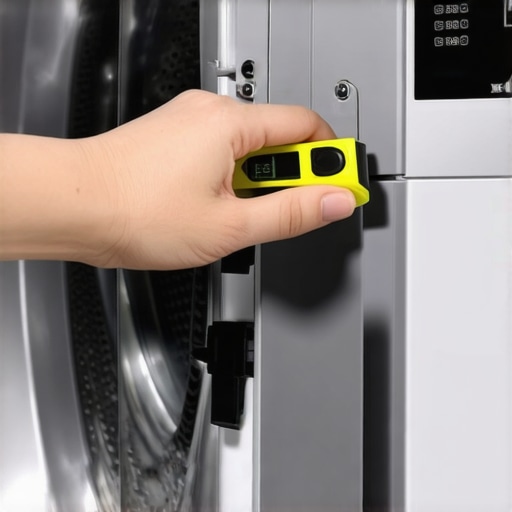
I’m a big believer in having a small ‘appliance kit’ in my utility drawer. My two most-used tools aren’t high-tech sensors, but a simple 12-inch level and a set of heavy-duty vibration pads. If your machine isn’t perfectly level, a heavy load will exacerbate every tiny imperfection in the floor, which is often how to stop your washing machine from banging against the wall starts with a simple turn of the leveling feet. I also swear by a long-handled soft brush for the detergent drawer. Heavily soiled bedding often requires specialized cycles that can leave residue in the dispenser, and if you let it build up, you’ll find yourself needing to learn how to fix a leaking detergent drawer in your washer due to clogs.
How do I maintain my smart washer for the long haul?
Long-term results come down to consistency rather than one-off deep cleans. According to the official technical service manuals from Miele (specifically Reference 60234), failing to clear the pump housing of heavy debris after bulky cycles can cause the impeller to seize, which leads to a motor failure that most warranties won’t cover if it’s deemed ‘user neglect.’ This is why knowing how to clean a front load washer filter without flooding the room is the single most important skill you can have. I recommend checking that filter every month if you wash bedding or towels weekly. If you ignore it, you’ll eventually start hearing those dreaded grinding noises that make you wonder how to tell if your washer bearings are about to fail.
Looking ahead, I suspect we are moving toward a world where our machines do this maintenance for us. The future of home appliances trends to watch in 2025 suggest that AI will soon be able to detect the exact amount of lint buildup in your drainage system and alert your phone before a clog even forms. Until then, we have to stay diligent. I challenge you to go check your washer’s filter right now—you might be surprised (and slightly grossed out) by what’s been hiding in there since the last time you washed your winter gear. Once you’ve cleared it, how to sync your laundry room with your smart home hub can help you set a recurring reminder so you never forget again.
The Lessons I Had to Learn the Hard Way About King-Sized Loads
- Noise is the first warning sign. If you hear a rhythmic ‘thump’ that sounds like a heavy heartbeat, stop the cycle immediately. Taking thirty seconds to redistribute the fabric can save you from a massive repair bill for snapped suspension rods.
- The ‘Dry Weight’ trap. A king-sized duvet might feel manageable when dry, but it acts like a massive sponge. I’ve learned to always assume it will weigh triple once saturated, which is why I never skip the ‘Bulky’ setting anymore.
- The extra rinse is mandatory. If your bedding feels slightly stiff or ‘crunchy’ after drying, it’s not the fabric aging—it’s leftover detergent. Modern HE machines use so little water that an extra rinse cycle is essential to clear out the soap trapped in the inner batting.
#IMAGE_PLACEHOLDER_E#
The Maintenance Kit I Keep Next to My Washer
I don’t leave the health of my appliances to luck anymore. My laundry room ‘first aid kit’ includes high-quality vibration pads to prevent the machine from shifting, and I frequently consult the ultimate guide to smart home appliances for a modern living to stay updated on how to treat various sensors. I also moved away from harsh chemicals; learning how to clean a front load washer gasket without using bleach has significantly extended the life of my machine’s rubber door seal. Finally, I keep my manufacturer’s digital manual bookmarked to ensure I’m using the exact weight limits specified for my specific model.
Master Your Machine and Reclaim Your Weekends
Washing your heaviest linens shouldn’t feel like a high-stakes gamble with your floorboards. By respecting the physics of the drum, using specialized cycles, and staying ahead of the lint trap, you ensure that your washing machines perform at their peak for years to come. As we look toward the future of home appliances trends to watch in 2025, we can expect even more automated help, but for now, your manual diligence is the best protection for your home. Have you ever had a ‘walking washer’ incident that nearly took out a wall in your laundry room? Tell me your disaster story in the comments below!