
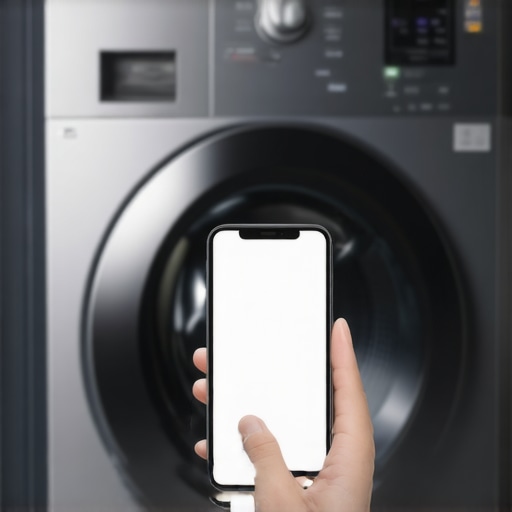
I’ll never forget the day I almost turned my laundry room into a bubble bath from three miles away. I was sitting at a red light, feeling like a high-tech wizard because I’d just tapped a button on my phone to kick off a heavy-duty cycle. Then it hit me: had I actually checked the pockets of my son’s cargo shorts? Or worse, did I leave the detergent drawer slightly ajar? That tiny moment of ‘smart’ convenience suddenly felt like a massive liability.
Don’t Let Your Laundry App Become a Liability
We all want to believe that our appliances are getting smarter than us, but the truth is, they still need a human brain to keep things from going sideways. Whether you’re trying to see how smart washing machines can simplify laundry day or you’re diving into the ultimate guide to smart home appliances for a modern living, remote start is the crown jewel of convenience. But here’s the kicker: I once made the rookie mistake of starting a cycle remotely without realizing a rogue sneaker was wedged in the door seal. I ended up with a small puddle and a very loud, thumping machine. It taught me that remote start isn’t a ‘set it and forget it’ tool; it’s a ‘prepare it and then start it’ tool. Using the technology correctly means understanding that your best energy saving tips for your front load washing machine won’t matter if the machine is leaking all over your hardwood floors. I learned the hard way that a quick peek inside the drum is worth more than any app notification.
Is Remote Start Really Worth the Potential Risk?
You might be wondering if it’s even worth the hassle of the setup. I get it. The skepticism is real, and honestly, sometimes the tech feels like it’s solving a problem we didn’t have. However, when used correctly, it’s a game-changer for avoiding that ‘old gym sock’ smell that happens when wet clothes sit for hours in a sealed drum. You can time the cycle to end exactly when you walk through the door, ready for the dryer. According to the National Fire Protection Association, nearly 15,900 home fires are caused by washers and dryers each year, often due to a lack of maintenance or supervision. That sounds scary, but the key is prep. By following a few safety protocols, like ensuring your washer doesn’t need a whole cup of detergent to get clothes clean, you can use this tech with total peace of mind. Have you ever accidentally started your washer and then realized you forgot to add the actual soap, or maybe left something valuable in a pocket? It happens to the best of us! Tell me your most stressful laundry moment in the comments.
The Pre-Start Checklist That Saves Your Sanity
Before you ever think about hitting that ‘Start’ icon from your office or the grocery store, you need a physical protocol at the machine itself. You have to be the eyes and ears for your smart home, ensuring the environment is safe before the sensors take over. It’s about building a habit where the ‘Smart’ part only happens after the ‘Safe’ part is confirmed.
Stop Treating Your Washer Like a Magic Box
Most people think the ‘Smart’ in smart appliances means the machine can think for itself. It can’t. Think of your washer like a high-performance jet; the pilot still has to do a walk-around before takeoff. The very first step in mastering remote start is physically pressing the ‘Remote Enable’ button. For safety reasons, most manufacturers won’t let you trigger a cycle from your phone unless you’ve manually told the machine it’s okay to be controlled. I once spent twenty minutes troubleshooting my app at the grocery store, only to realize I’d forgotten to tap that one physical button before leaving the house. It’s a safety handshake—it confirms the door is shut and you’ve acknowledged the machine is ready.
The Five-Second Pocket Check Is Non-Negotiable
We’ve all been there—the frantic realization that a passport or a thumb drive is currently swimming in soapy water. But with remote start, the stakes are higher because you aren’t there to hear the tell-tale ‘clink’ of a rogue coin hitting the glass. I’ll never forget the ‘Great Crayon Incident’ of 2022. I started a warm-water cycle from my office, blissfully unaware that a stray red Crayola was tucked into a pair of cargo pants. By the time I got home, my favorite white towels looked like a crime scene. Now, I treat the drum like a sterile environment. Before you walk away, ensure the gasket is clear of debris. These washing machines that save water rely on a perfect seal; even a tiny piece of lint or a stray sock trapped in the door can cause a slow leak that your sensors might not catch until your flooring is ruined. 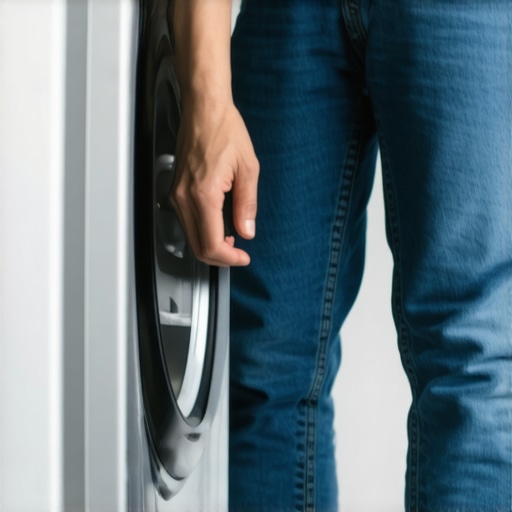
Don’t Overload the Detergent Drawer
It is incredibly tempting to dump a huge amount of soap in there, thinking it will make up for the fact that you aren’t home to supervise. This is a recipe for a ‘suds-lock’ error. Remember, why your washer doesn’t need a whole cup of detergent to get clothes clean—modern sensors are designed for high-efficiency (HE) concentrations. If you overdo it, the machine will spend the entire afternoon trying to rinse out the foam, negating any best energy saving tips for your front load washing machine you were trying to implement. You’ll end up with a ‘Cycle Interrupted’ notification on your phone and a heap of slimy clothes.
Keep Your Connectivity From Crumbling Mid-Cycle
Your smart features are only as good as your Wi-Fi signal. If your laundry room is in a basement or a garage, you might find that why your smart home hub keeps dropping the washer connection is your biggest hurdle. I recommend checking your signal strength at the machine itself. If it’s weak, a simple Wi-Fi extender can be the difference between a successful remote start and a ‘Device Offline’ headache. For those building a top smart appliances for a seamless home experience in 2025, prioritize a robust mesh network. Finally, don’t forget the physical maintenance that keeps the tech working; knowing how to clean a front load washer filter without flooding the room ensures that when you do hit start from three miles away, the machine can actually drain and finish the job.Let’s dig deeper into why your high-tech kitchen might still be failing you. One of the biggest contrarian truths I’ve discovered is that ‘Eco Mode’ is not the universal win everyone claims it to be. Many users believe selecting this setting is always better for the planet and their wallet, but the truth about eco mode on modern dishwashers is that it can actually lead to fat and grease buildup. Because these cycles use lower water temperatures to save energy, they often fail to fully melt the detergents and oils from your dinner plates. Over time, this creates a ‘gunk’ that can clog your sensors.
The Eco Mode Myth That Might Be Ruining Your Cutlery
If you only ever run eco-cycles, you’re essentially asking for a service call in two years. According to reports from the Association of Home Appliance Manufacturers (AHAM), modern appliances are engineered for specific load types, and ignoring the ‘Heavy’ or ‘Sanitize’ cycles occasionally can actually shorten the lifespan of your machine. I always recommend running a high-heat cycle at least once a week to clear out the internal plumbing. This is especially true if you are looking at future of home appliances trends to watch in 2025, where machines are becoming even more specialized.
Why Does Your High-Efficiency Cycle Take Three Hours?
It feels counterintuitive, doesn’t it? You’d think a ‘high-efficiency’ machine would be faster. However, why your high-efficiency washer takes so long to complete a load is actually a matter of physics. To use less water, the machine has to tumble the clothes for a longer duration to achieve the same mechanical cleaning action. If you try to ‘hack’ this by pausing and restarting cycles, you’re just confusing the onboard computer and wasting more energy.
Stop Blaming the Sensors for Your Frozen Lettuce
Another common frustration involves the high-end fridge. I’ve seen so many people complain that their new unit is ‘broken’ because it freezes the kale on the top shelf. Before you call a technician, check your loading pattern. In the world of refrigerators in 2025 top features that transform your kitchen, airflow is king. If you block the air vents with a large gallon of milk, the cold air gets trapped in one spot, leading to that ‘arctic’ patch. Knowing why your fridge is freezing everything on the top shelf is usually about understanding vent placement, not a faulty thermostat. 
The Hidden Trap of Skipping Firmware Updates
We often treat our appliances like ‘dumb’ boxes, but a smart fridge is essentially a giant tablet that keeps your milk cold. A major ‘oops’ factor I see is owners ignoring software notifications. I’ve seen cases where why your smart fridge isnt updating its software becomes a literal hardware problem, as outdated firmware can sometimes cause the compressor to run inefficiently or the touchscreen to lag. Always ensure your appliances have a stable connection. Have you ever fallen into the ‘set it and forget it’ trap only to find a frozen block of milk or a dishwasher full of grease? Let me know in the comments.I’ve realized that owning high-end gear isn’t just about the initial purchase; it’s about the “forever” phase. Most of us are guilty of 5 mistakes that are shortening the life of your smart refrigerator without even realizing it. For me, the turning point was when I stopped calling a repairman for every little beep and started keeping a dedicated toolkit in the laundry room. I’m not talking about a heavy-duty workshop, just the essentials: a long-handled coil brush, a basic multimeter, and a handheld shop vac. These three things have saved me thousands in service fees over the years because they allow me to address issues before they trigger a system-wide shutdown.
How do I maintain my smart appliance ecosystem over time?
Consistency beats intensity every single time. Instead of a massive, overwhelming spring cleaning, I do a “Filter Friday” once a month. This is when I handle tasks like how to clean the hidden filter in your energy efficient dishwasher—a spot most people don’t even know exists until their plates start coming out gritty. It only takes five minutes, but it prevents the drain pump from straining and eventually burning out. I also use this time to check the seal on the fridge door; if you can slide a dollar bill through the closed gasket with no resistance, you’re losing cold air and forcing your compressor to work overtime.
Clean Your Condenser Coils for a Cheaper Electric Bill
If your fridge is humming louder than usual, it’s probably gasping for air. Dust is the silent killer of efficiency in modern kitchens. According to technical documentation from the Association of Home Appliance Manufacturers (AHAM), even a thin layer of dust on condenser coils can reduce cooling efficiency by as much as 20%. I use my shop vac with a narrow crevice tool to suck out the pet hair and lint from under the unit every six months. While I’m down there, I usually take a moment to look for the secret drain filter at the bottom of your fridge you never knew existed. Keeping these pathways clear is the difference between a fridge that lasts eight years and one that lasts twenty. 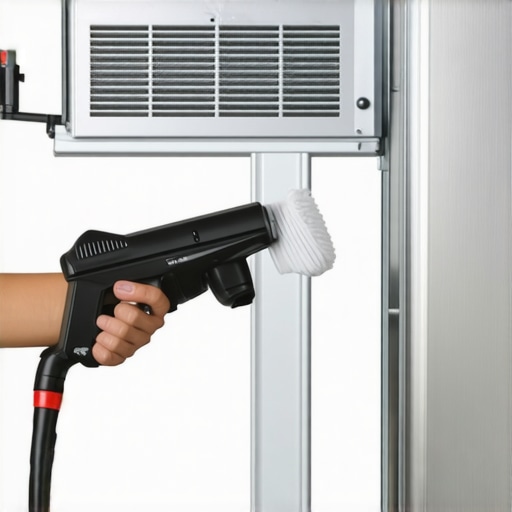
Why a Shop Vac Is My Favorite Kitchen Tool
It sounds crazy to bring power tools into the kitchen, but a vacuum is the only way to truly clear out the debris that clogs your sensors. When I’m not cleaning coils, I’m using it to clear the tracks of my dishwasher or the detergent drawer of my washer to prevent mold. If you’ve ever wondered how to calibrate your refrigerator thermometer without calling a pro, it starts with ensuring the internal sensors aren’t covered in frost or food particles. As we look toward the future of home appliances trends to watch in 2025, I expect we will see “Predictive Maintenance 2.0” where the machine doesn’t just tell you there’s an error, but uses AI to analyze vibration patterns to warn you months before a belt snaps. For now, we are the AI. You need to be the one listening for that weird clicking sound or noticing why your dishwasher pod isnt dissolving completely. If you want to see an immediate difference in your appliance performance, go to your kitchen right now and check the spray arms on your dishwasher. Take a toothpick and clear out any mineral deposits in the tiny holes to restore full water pressure.
Three Hard-Earned Truths from My Years of Living with Smart Tech
After a decade of integrating smart appliances into my daily routine, I’ve realized that the ‘smart’ label is often a bit of a misnomer. Here are the core insights that saved my sanity: First, the software can only be as good as the hardware maintenance. If you don’t know how to clean the hidden filter in your energy efficient dishwasher, no amount of AI-driven sensors will save your plates from being gritty. Second, your Wi-Fi signal is the lifeblood of your convenience; if the connection drops, your high-tech washer is just a very expensive metal box. Finally, never ignore a notification. I used to think of app alerts as digital nagging, but why your smart fridge isnt updating its software is usually the first sign of a security patch or an efficiency fix you desperately need.
The Essential Resources I Rely On Daily
When I’m not elbows-deep in a lint trap, I’m constantly refining my approach by following these specific resources. I always keep a tab open for the ultimate guide to smart home appliances for a modern living because it offers a bird’s-eye view of how different brands communicate. For looking ahead, the breakdown on top smart appliances for a seamless home experience in 2025 is my go-to for predicting which features are actually worth the investment versus which are just marketing fluff. I also recommend checking the technical manuals provided by the Association of Home Appliance Manufacturers (AHAM) for the real data on energy consumption that doesn’t always make it into the glossy brochures.
Take Control of Your High-Tech Household
At the end of the day, smart appliances are meant to serve you, not the other way around. By taking ten minutes a week to check your seals, update your firmware, and clear out your filters, you’re not just maintaining a machine—you’re buying yourself time and peace of mind. Don’t be intimidated by the tech; embrace it with a critical eye and a ready toolkit. You’ve got the power to make your home run like a well-oiled (and well-rinsed) machine. Have you ever wondered why your dishwasher pod isnt dissolving completely or faced a similar high-tech headache? Let me know your biggest appliance mystery in the comments below!