
I’ll never forget the day I thought a small rodent had met its end behind my laundry room drywall. It was a Tuesday. I spent three hours sniffing the baseboards, convinced something was rotting. Then, I opened the door of my high-end front-loader. Click. Thud. The smell hit me like a damp, mossy brick. It was a swamp in there. If you’ve ever pulled a “fresh” load of laundry out only to realize your towels smell like a wet dog that rolled in a pond, you know exactly what I’m talking about. We spend a lot of money on these machines, often hunting for the best energy efficient washing machines for small households, but nobody warns you about the “swamp factor.” Today, I’m going to show you how to kill that smell and keep it from coming back, using the hard-learned lessons from my own laundry room disasters.
Keep the Door Open or Pay the Price
When I first got my front-loader, I treated it like a piece of fine furniture. I wiped it down and clicked the door shut every time I finished a load. I thought I was being tidy. Big mistake. In reality, I was building a luxury hotel for mold and mildew. Front-load washers are designed to be airtight to prevent leaks, but that seal is a double-edged sword. When you close that door on a damp drum, you are trapping moisture in a dark, warm environment. That is the perfect recipe for a bio-film explosion. I learned the hard way that the gasket—that big rubber ring—is the primary culprit. It has folds and crevices that collect hair, lint, and stagnant water. According to research by the American Cleaning Institute, over 60% of consumers use more detergent than recommended, which leads to soap scum buildup that feeds mold. Most of us don’t realize that why your washer doesn’t need a whole cup of detergent to get clothes clean is actually the key to preventing that funky buildup. If you are noticing dark marks on your linens, you might even need to look into why your washing machine is leaving black spots on clothes, as it’s usually just more of that same mold colony. [IMAGE_PLACEHOLDER]
Is Deep Cleaning Actually Worth the Hype?
You might be skeptical. You’ve probably tried those expensive “washer cleaner” tablets and found the smell came back three days later. I used to think those were a scam, too. But here is the thing: a tablet can’t scrub the gunk out of the hidden nooks. You have to be proactive. Have you ever been genuinely embarrassed to have guests see your laundry room because of the scent? I have. It’s frustrating when you try to follow the best energy saving tips for your front-load washing machine only to end up with a machine that smells like a marshland. We’re going to fix that today with a few simple steps that don’t involve toxic chemicals. The key is understanding that your washer isn’t just a tub of water; it’s a complex system that needs to breathe. Even if you’re using washing machines that save water, that smaller amount of water means the concentration of grime is actually higher. We need to focus on the filter and the seal. I’m going to walk you through the only way to get that weird smell out of your front-loader without losing your mind.Let’s get our hands dirty. The first thing you need to do is tackle that rubber gasket. I once spent an entire Saturday pulling what looked like a petrified sock out of the lower fold of my washer’s seal. It had turned into a grey, slimy mess that smelled like a basement flood. You need a mixture of white vinegar and water. Use a microfiber cloth to get deep into the folds. If you’ve ever had to learn how to clean a moldy dishwasher door gasket the right way, you’ll find the process is strikingly similar: it’s all about removing the biofilm from the crevices where water sits stagnant.
Drain the Sludge from Your Washer’s Secret Filter
Most people don’t even realize their front-loader has a ‘kidney.’ This is the drain pump filter, usually hidden behind a small plastic door at the bottom front of the machine. I remember the first time I opened mine—it was like a scene from a horror movie. A cup of stagnant, black water spilled out onto my tile because I didn’t have a tray ready. Inside, I found hair ties, coins, and enough lint to knit a sweater. If you don’t clear this out, your machine can’t drain properly, which is one reason why your energy efficient washer takes so long to finish. The stagnant water just sits there, fermenting between cycles. You should be doing this once a month. You can find more details on how to clean the lint filter you didn’t know your washer had to ensure you aren’t missing the finer debris that causes that ‘swamp’ smell. 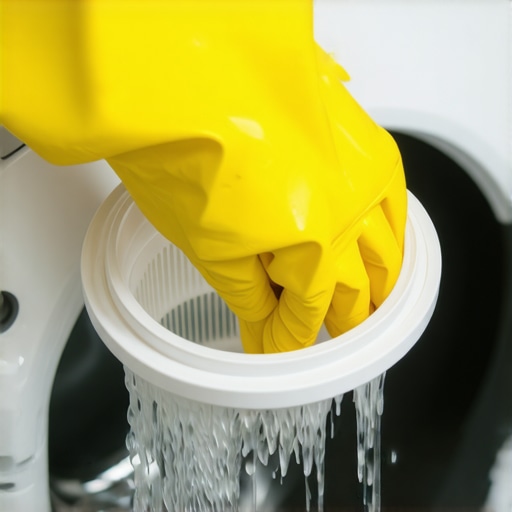
Stop the Suds: Why Less Detergent Means Less Odor
We have this collective obsession with the idea that ‘more soap equals more clean.’ In reality, excess suds in a high-efficiency machine act like a glue for dirt and skin cells. This residue coats the outer drum—the part you can’t see—and creates a buffet for bacteria. I switched to using the best eco-friendly settings for your modern washing machine, which focus on efficiency rather than brute force. If you are regularly tackling heavy loads, you should also learn the trick to washing bulky comforters without killing your machine, because overloading can lead to poor rinsing and even more residue left behind in the tub.
Rethink Your Drying Habits Post-Cycle
High spin speeds are great for drying, but they can also plaster wet lint against the drum walls. After a heavy cycle, I’ve noticed that if I don’t run a monthly ‘clean’ cycle, that lint starts to smell within hours. It’s the same logic as how to get your dishwasher to finally dry your plastic tubs—air circulation and removing residual moisture are your best friends. If your machine stays humid and you never wipe down the interior, the bacteria will win every time. You have to treat the machine like a kitchen tool that needs a rinse and dry after use, not a self-cleaning miracle.It’s not just the washing machine that suffers from our over-eager cleaning habits. I’ve found that we often apply the same ‘more is better’ logic to every corner of the kitchen, only to be met with disappointing results. Let’s dig deeper into the kitchen’s biggest offender: the dishwasher. Most people think that scrubbing every morsel of food off a plate before it hits the rack is a sign of a good homeowner. In reality, you are likely sabotaging your machine’s performance. Modern dishwashers are equipped with soil sensors—technically called turbidity sensors—that measure how dirty the water is during the first rinse. If you’ve already scrubbed the plates clean, the sensor tells the machine to run a shorter, weaker cycle. This is why you might find dried-on food later; the machine didn’t think it needed to work hard. I’ve seen this mistake lead to a lot of frustration, especially when people are trying to figure out the best way to stack your dishwasher for maximum clean. According to experts at Consumer Reports, the enzymes in modern dishwasher pods are actually designed to latch onto food particles. Without food to break down, those chemicals can sometimes end up etching your glassware or damaging seals. 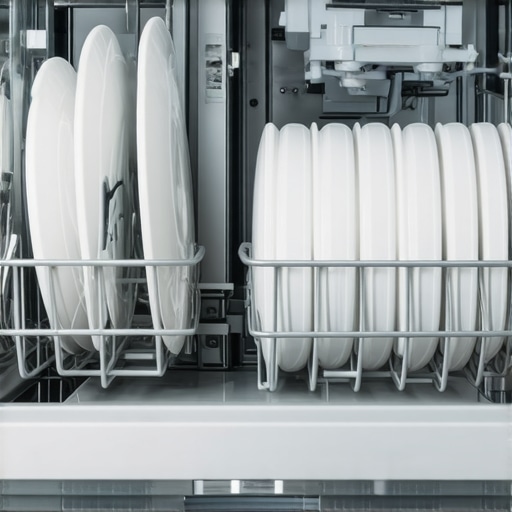
Why does your dishwasher still leave a cloudy film on glasses?
It’s rarely about the machine being broken. Often, it’s a chemical mismatch between your water hardness and your detergent choice. If you have soft water but use a heavy-duty pod, you’re essentially over-cleaning the glass until it permanently pits. This is the nuance that separates a basic user from someone who truly understands their kitchen ecosystem. We often get distracted by flashy features like those in innovative dishwashers with AI technology you must know, but even the smartest AI can’t fix a user error regarding water chemistry. If you’ve noticed a haze that won’t wash off, you’re likely dealing with why your dishwasher is leaving a cloudy film on glasses. Another trap involves the temperature settings on your refrigerator. I’ve met many people who think turning their fridge to the absolute lowest setting will keep food fresher. Instead, they end up with frozen lettuce and a compressor that’s working itself to death. This actually leads to why your high efficiency fridge runs more often than your old one. To truly save money, you should stick to the best energy efficient fridge settings for your utility bill rather than pushing the hardware to its limits. If you’re wondering is a smart fridge really worth the extra money, the answer often lies in whether you’ll actually use the precision cooling sensors that prevent these exact amateur mistakes. The real secret to appliance longevity isn’t just cleaning filters; it’s respecting the engineering. Whether you are browsing future of home appliances trends to watch in 2025 or sticking with older units, avoid the hidden costs of cheap budget appliances by treating your gear with technical respect. Stop over-rinsing, stop over-cooling, and let the sensors do the job. Have you ever fallen into this trap? Let me know in the comments.I used to think that ‘maintenance’ was something only professional repairmen did once every five years. That changed the night my refrigerator started humming like a jet engine and the ice cream turned into soup. I realized then that while we focus on the fancy screens and the water-saving features, we often ignore the mechanical heart of the machine. I own a $20 flexible coil brush that has probably saved me $500 in repair bills over the last three years. If you have pets, you need to learn how to keep your refrigerator coils clean in a pet-friendly home or your compressor will literally suffocate. The Association of Home Appliance Manufacturers (AHAM) reports that even a thin layer of dust on these coils can force your fridge to work 30% harder than necessary. I also keep a simple bubble level in my laundry room. Most vibration issues aren’t mechanical failures; they are gravity problems. Learning how to level a washing machine so it stops banging on tile floors is the single most effective way to prevent the internal tub bearings from shattering.
Stop Ignoring the Dust Under Your Fridge
Moving your heavy appliances might feel like a workout you didn’t sign up for, but the mechanical payoff is massive. When I finally pulled my fridge out last spring, the amount of cat hair and dust bunnies looked like a small, sentient creature was living back there. This buildup traps heat, and heat is the silent killer of electronics. This is especially true for those looking for the secret to making your refrigerator last twice as long. You can’t just set it and forget it. I also recommend a quick paper-dollar test on your seals; I’ve used it to find leaks that were costing me twenty dollars a month on my electric bill. If you want to be thorough, check out how to test if your fridge door seal is actually airtight to ensure you aren’t cooling your whole kitchen. #IMAGE_PLACE_HOLDER_D#
How do I stop my appliances from dying early?
The answer usually lies in the sensors and the calibration. We are moving into an era where our machines are smarter than us, but they still need a human touch for the setup. I spent an hour last weekend figuring out how to calibrate your smart fridge temperature sensors because my ‘smart’ display was off by four degrees. If you don’t calibrate, the AI-driven logic of the machine starts making bad decisions based on wrong data. This is why I always suggest taking the time to learn how to sync your smart kitchen appliances to one app so you can monitor their health in one place rather than jumping between five different manufacturer programs. Beyond the fridge, don’t forget the wet zones. You should absolutely know how to deep clean the gasket on your dishwasher to prevent leaks, as a single grain of rice can compromise the pressure seal and rot your subfloor.
The AI Revolution is Coming for Your Laundry Room
Looking ahead, the trend is shifting toward predictive maintenance. In the very near future, your washer won’t just wait to break; it will alert your phone that the pump is showing signs of resistance before it actually fails. When we look at the future of home appliances trends to watch in 2025, it’s clear that sensors are becoming the main character. But until every machine has these, you need to know how to handle the glitches yourself. If your tech-heavy washer freezes up, knowing how to reset the error codes on your modern smart washer can save you a $150 service call just for someone to press a ‘reset’ button. My final piece of advice for today? Go grab a flashlight, pull your refrigerator away from the wall, and check those coils. If they look like a sweater, it’s time to get to work.
The Hard Truth About My Biggest Appliance Failures
After years of trial and error, I’ve realized that the ‘Clean Washer’ cycle isn’t a suggestion—it’s a survival mechanism for your machine. I used to ignore the blinking light, but now I know it’s the difference between fresh laundry and that swampy smell. Another lesson? Stop pre-rinsing your dishes. I learned that the ultimate guide to smart home appliances for a modern living isn’t just about the gadgets; it’s about trusting the technology. Modern sensors actually need a little grime to calibrate correctly. Finally, remember that the most expensive appliance is the one you ignore. I’ve seen the hidden costs of cheap budget appliances manifest as early breakdowns, but even premium units fail if you don’t clean the filters regularly.
A Maintenance Toolkit Every Homeowner Actually Needs
You don’t need a professional-grade garage to keep things running smoothly. I swear by a long, flexible coil brush for the refrigerator. It’s the secret to making your refrigerator last twice as long because it keeps the compressor from overheating under a blanket of dust. I also keep a simple bubble level handy in the laundry room. If you know how to fix a washing machine that keeps banging during spin, you know that 90% of the battle is just getting the machine perfectly flat on the floor. Finally, white vinegar and microfiber cloths are the ultimate duo for keeping gaskets mold-free without using harsh chemicals.
Reclaiming Control of Your Modern Kitchen
Owning home appliances should make your life easier, not more stressful. By taking ten minutes a month to check a filter or wipe a gasket, you’re not just saving money on utility bills and repair calls; you’re ensuring your home stays a sanctuary rather than a source of weird smells and loud humming. Don’t be afraid to get your hands a little dirty today so your machines can stay clean for years to come. Have you ever found something truly weird or unexpected in your washing machine filter? Let me know in the comments below!