
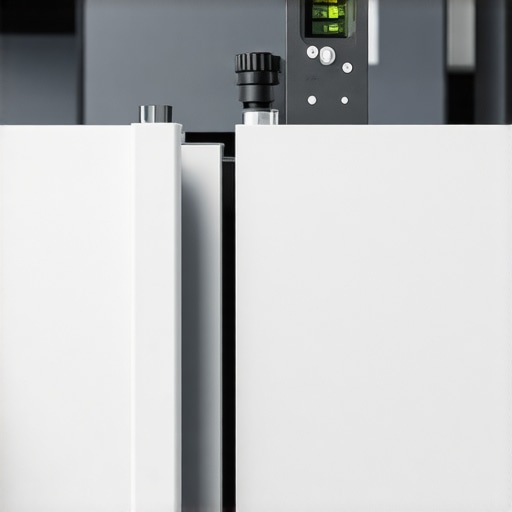
I remember the sweat dripping down my face as I finally shoved my old reliable fridge into its new nook in the kitchen after a grueling cross-town move. I thought the hard part was over. Then, I let go of the handle, and the door just… swung back open. It was like the ghost of my old house followed me. I closed it again, firmer this time, and it stayed for a second before drifting ajar just enough to let the cold air out. I felt defeated. After successfully moving a heavy refrigerator without scratching the floor, I was losing the battle to a simple hinge and gravity. If you are standing in your kitchen right now, glaring at a door that refuses to stay shut, I know exactly how frustrating that is. Today, we are going to fix that seal, level those feet, and make sure your milk doesn’t turn into a science project by morning. Have you ever woken up to a puddle on the floor because your fridge decided to take the night off? It is a rite of passage I would not wish on anyone.
Check Your Level Before You Blame the Gasket
One of the biggest mistakes I made early on was assuming the door seal was broken. I spent an hour scrubbing the rubber with soapy water, thinking dirt was the culprit. It was not. The real issue is almost always the tilt of the machine itself. When you move into a new space, floors are rarely as flat as they look. If your fridge is leaning even slightly forward, gravity is going to pull that door open every single time. You actually want a slight backward tilt so gravity helps the door swing shut and stay there. You can easily adjust the feet on your refrigerator to create this gentle slope. According to the U.S. Department of Energy, an improperly sealed or unlevel refrigerator can lead to a significant spike in energy consumption, as the compressor works overtime to fight the warm air leaking in. Getting the balance right isn’t just about convenience; it is about your utility bill.
Is my fridge actually broken or just being stubborn?
It is easy to spiral into thinking you need a repairman or a whole new unit, especially if you have one of those high-tech refrigerators from 2025 with all the bells and whistles. You might worry that the move damaged the internal sensors or the frame. However, the reality is usually much more mechanical. Before you panic, you need to test if your fridge door seal is actually airtight using the old dollar bill trick. If the seal is fine, the problem is likely just the physical alignment that got knocked out of whack during the transition. I once tried to duct tape my door shut overnight in a moment of desperation, which only led to a sticky mess I had to clean up later. Don’t be like me. Instead, focus on the leveling legs and the door hinges first. If you have a newer model, you might even want to set up your smart refrigerator to alert you when the door is ajar so you can catch the issue before the freezer thaws. Let’s look at how to get those hinges back in line so you can finally stop worrying about your groceries.
Get the Pitch Right with a Slight Lean
The secret to a door that closes itself isn’t magic; it is physics. Most people think a refrigerator should be perfectly level in every direction, but that is a rookie mistake. To ensure the door stays shut, you actually want the front to be slightly higher than the back. I remember my first apartment where I spent three days thinking my fridge was haunted because the door would slowly drift open while I was sleeping. I finally took a bubble level to the top and realized the unit was leaning toward the living room. By simply extending the front leveling legs about half an inch, I created a gentle backward slope that used gravity to keep the seal tight. This is one of the hidden settings on your fridge that can save you money on utilities because it prevents that subtle, invisible air leak.
Wrench Your Way to a Tighter Seal
To do this, you usually need to remove the base grille at the bottom. Once you how to clean the hidden debris under your refrigerator grille, you will see the leveling bolts. Use a wrench or a screwdriver—depending on your model—to turn the bolts clockwise to raise the front. I once did this so aggressively that the fridge started to rock; you only need about a quarter-inch of ’tilt’ to see a difference. If you have a friend nearby, have them tilt the fridge back slightly while you turn the legs; it saves your knuckles from getting scraped on the floor. 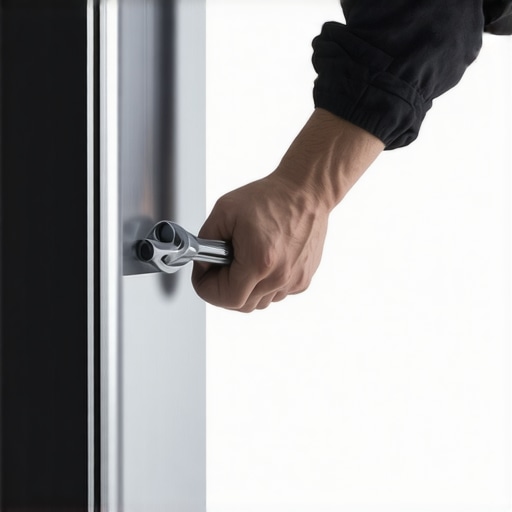
Align the Hinges to Stop the Drift
If leveling doesn’t solve it, your hinges might have been knocked out of alignment during the move. When we haul these heavy machines, the frame can flex just enough to throw the pivot points out of whack. I once saw a gorgeous unit from a list of the best refrigerators for people who love to entertain that looked perfect but hissed constantly. The top hinge was just a few millimeters off. To fix this, loosen the screws on the top hinge bracket—don’t remove them, just loosen them—and have someone hold the door perfectly straight while you tighten them back down. It is a simple mechanical fix that prevents you from having to deal with issues like how to fix a broken glass shelf in your modern refrigerator due to the door slamming or catching on the interior.
Is Your Gasket Grime the Real Villain?
Sometimes the door stays open because the magnetic gasket is simply too dirty to grab the metal frame. I once spent an entire afternoon scrubbing a fridge I bought second-hand, only to realize the seal was coated in a thin layer of spilled soda that had dried into a hard, non-magnetic shell. While you are at it, the best way to clean your stainless steel fridge without streaks involves gentle movements, and the same applies to your gasket. Use warm soapy water and a soft cloth to wipe down the entire perimeter of the rubber seal. This simple maintenance is the secret to making your refrigerator last twice as long because it keeps the compressor from running 24/7. After cleaning, if the rubber feels stiff, rub a tiny amount of petroleum jelly along the hinge side of the gasket. This keeps the rubber supple and prevents it from folding over on itself when the door closes.
Beyond just fixing a door, there is a psychological hump many of us have to get over when we upgrade to modern units. You might notice that your high-efficiency fridge runs more often than your old one. To most of us, ‘running’ sounds like ‘spending money,’ but that is actually a myth. In the old days, compressors were either 100% on or 100% off. Today’s variable-speed compressors are like a car on cruise control; they stay on at a low hum to maintain temperature rather than flooring the gas pedal every twenty minutes. This constant operation is actually more efficient because it prevents the massive energy spikes associated with starting up a dormant motor.
Why does my high-tech washer take three hours to finish a ‘quick’ load?
It feels like a step backward, right? My grandmother’s washer could beat a grass stain out of denim in 20 minutes flat. But here is the nuance: speed is the enemy of efficiency. A study by the Association of Home Appliance Manufacturers (AHAM) highlights that modern high-efficiency (HE) machines use significantly less water but require longer soak and contact times to let the enzymes in your detergent work. If you find that your energy-efficient washer takes so long to finish, it’s not because it’s broken—it’s because it’s being gentle on your clothes and your water bill. Attempting to force a faster cycle by over-packing the drum will only lead to poor results and mechanical strain.
The biggest ‘trap’ I see people fall into—and I’ve been guilty of this too—is the belief that more bubbles mean cleaner clothes. This is the ultimate ‘oops’ factor in modern laundry. If you are still using a full cap of soap, you are likely the reason your washer doesn’t need a whole cup of detergent to get clothes clean. Over-sudsing actually cushions the clothes, preventing the physical friction needed to remove dirt, and can lead to a swampy smell in the drum. I once had to hard reset my smart refrigerator control panel just because a power surge during a long, soapy wash cycle threw the whole kitchen’s connected ecosystem out of sync. It is a reminder that these machines are now computers first and mechanical tools second.
Don’t Panic Over Standing Water in the Dishwasher
Another common misconception involves the dishwasher filter. Most homeowners see a small pool of water at the bottom and immediately reach for the phone to call a plumber. In reality, a small amount of clean water is often intentionally left there to keep the pump seals from drying out and cracking. However, there is a fine line; if that water is murky or smelly, you need to investigate why your dishwasher still has standing water in the filter area. Usually, it is a simple matter of a clogged drain hose or a forgotten bit of plastic wrap from a leftover container. When you transition to smart home appliances for a modern living, the learning curve isn’t just about the apps; it’s about unlearning the habits of the 90s. For instance, the truth about high-efficiency detergent in old washers is that it won’t hurt them, but using old-school, high-sudsing soap in a new HE machine is a recipe for a service call. Have you ever fallen into this ‘more is better’ trap with your soap or settings? Let me know in the comments.
Stop Neglecting Your Condenser Coils
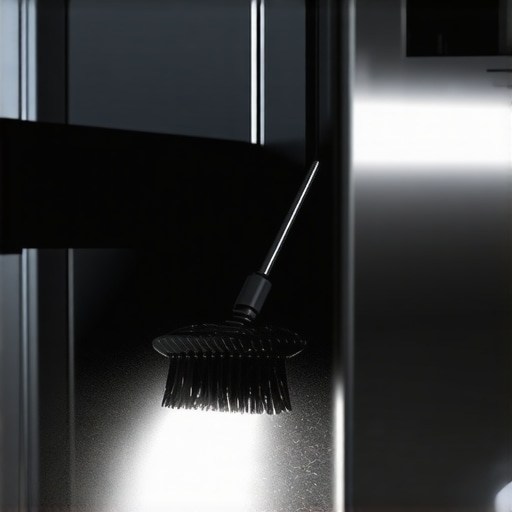
If you have pets like I do—a golden retriever who sheds enough to felt a hat every week—your refrigerator is basically a giant vacuum cleaner. Those condenser coils at the bottom or back of your unit are the unsung heroes of cooling. When they get caked in fur and dust, the compressor has to work twice as hard. I make it a habit to clean the hidden debris under your refrigerator grille every six months using a long, flexible coil brush I found at a local hardware store. It is much more effective than a standard vacuum attachment because it can snake into the tight crevices where the heat actually escapes. This isn’t just about cleanliness; it is the secret to making your refrigerator last twice as long. According to the Association of Home Appliance Manufacturers (AHAM), keeping coils clean can improve energy efficiency by up to 30%, which is a massive win for your wallet.
How do I keep my appliances running like new for years?
Consistency beats intensity every single time. Instead of waiting for a breakdown, I use a digital probe thermometer to calibrate your smart fridge temperature sensors once a season. It might seem overkill, but sensors can drift over time. If your display says 37 degrees but the milk is actually at 41, you are inviting spoilage. I also recommend a specific ‘maintenance kit’ that stays in my laundry room: a small bottle of white vinegar for descaling, a high-quality multi-bit screwdriver, and a tube of food-grade silicone grease for gaskets. For those with high-efficiency washers, you must clean the lint filter you didn’t know your washer had. Most people think only dryers have filters, but modern front-loaders often have a pump filter that catches coins, hair, and sludge. If you ignore it, the pump will eventually burn out.
The Future is Predictive and Personal
Looking ahead, the future of home appliances is moving away from reactive repairs and toward AI-driven diagnostics. We are already seeing washing machines that save water by using internal sensors to detect the exact soil level of the load. I predict that by late 2025, your fridge won’t just tell you the door is open; it will alert you that the compressor motor is drawing 5% more current than usual, suggesting a part is about to fail. This shift towards smart home appliances for a modern living means we will spend less time guessing and more time acting on data. For now, I strongly encourage you to grab a flashlight tonight and look under your fridge. If it looks like a sweater is growing on your coils, it’s time to get to work. Try the ‘vacuum-and-brush’ combo this weekend—your electricity bill will thank you by next month.
The Maintenance Lessons I Had to Learn the Hard Way
Looking back at my years of DIY fixes, the biggest lightbulb moment was realizing that appliances aren’t just boxes of metal; they are systems that respond to their environment. I used to think a door not closing was a sign of a ‘dead’ fridge, but often it is just a cry for a simple adjustment. One thing I learned is that patience is your best tool. When you are choosing the right refrigerator, you aren’t just buying features; you are buying a maintenance schedule. I also realized that the factory settings are rarely perfect for your specific kitchen floor. Don’t be afraid to tweak the legs or the hinges right out of the box. Finally, I’ve come to appreciate that top smart appliances for a seamless home experience require a bit of digital literacy alongside mechanical elbow grease.
The Essential Toolkit Every Modern Homeowner Needs
If you want to move beyond basic troubleshooting, I highly recommend keeping a few specific items on hand. First, a high-quality bubble level is non-negotiable for ensuring your unit has that perfect backward tilt. Second, for those of us with furry friends, a long-reach condenser brush is the only way to effectively keep your refrigerator coils clean in a pet-friendly home. I also swear by a digital probe thermometer; it is the only way to truly verify if your internal sensors are telling the truth. These simple tools have saved me thousands in unnecessary service calls over the years and keep my kitchen running smoothly.
Take Control of Your Kitchen’s Efficiency
It can feel overwhelming when your home appliances start acting up, especially with all the new technology hitting the market. However, most of the issues we face daily—from leaky gaskets to stubborn doors—can be solved with twenty minutes of focused effort. As we look toward the future of home appliances, our roles as homeowners are shifting from ‘fixers’ to ‘optimizers.’ You have the power to make your fridge last longer and run quieter just by paying attention to the small details we discussed today. Don’t let a drifting door or a dusty coil intimidate you. You’ve got this! Have you ever struggled with a fridge door that just won’t stay shut despite your best efforts? Let me know below!