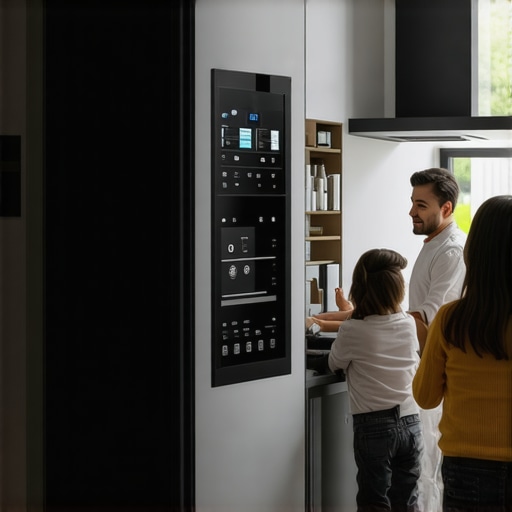
![Why Your 2026 Smart Fridge Buzzes at Night [3 Quick Fixes]](https://smartappliancereview.com/wp-content/uploads/2026/02/Why-Your-2026-Smart-Fridge-Buzzes-at-Night-3-Quick-Fixes.jpeg)
Why Your 2026 Smart Fridge Buzzes at Night [3 Quick Fixes]
Imagine settling into bed after a long day, only to be jolted awake by a faint buzzing sound coming from your kitchen. You peek into the dark, expecting a faulty appliance or an odd malfunction, and there it is—the telltale hum of your 2026 smart fridge doing its nightly routine. Trust me, I’ve been there. One evening, I was almost convinced my fridge was trying to communicate in a secret code, or worse, that it was on the fritz. That moment of panic made me realize how perplexing smart appliances can be, especially when they act up at the worst possible hours.
Unlocking the Mystery of Your Night Buzz
Let’s be honest: no one wants their peace disturbed by a mysterious appliance noise. But here’s the thing—those sounds often come down to simple issues that most homeowners overlook. Honestly, I initially thought my fridge had gone rogue—turns out, I was neglecting some basic maintenance and settings. After some digging and a few practical experiments, I discovered quick fixes that can silence that nocturnal hum without calling in a repair technician. Today, I’ll help you understand why your 2026 smart fridge might be buzzing at night and what quick solutions you can try to make it silent again.
Is Your Smart Appliance Hype Justified or Overhyped?
I made a rookie mistake early on—assuming every strange noise meant a costly repair. Instead, I learned that many issues stem from simple causes, like cooling system thermal cycles or minor power fluctuations. Recognizing this saved me both time and money. If you’re feeling anxious because your fridge’s buzzing seems abnormal, rest assured that with a little patience and basic troubleshooting, you can often resolve it yourself. Curious to learn what causes these sounds and how to fix them? We’re about to dive into some straightforward, effective solutions so you can enjoy the full benefits of your advanced appliance without the midnight disturbances.
Inspect and Adjust Temperature Settings
Start by verifying your fridge’s temperature controls. Think of your refrigerator like a thermostat-controlled room; setting it too cold can cause the compressor to cycle excessively, producing noise. I once noticed my fridge buzzing louder at night, and a simple check revealed the temperature was set lower than recommended—around 2°C instead of the ideal 4°C. Adjusting the thermostat to the optimal setting reduced the hum significantly. Refer to your manufacturer’s guide or energy-efficient refrigerator tips for proper settings.
Clean Condenser Coils
Imagine your fridge’s condenser coils as the radiator of a car—they need airflow to dissipate heat effectively. Dust and debris can insulate coils, causing the compressor to work harder and make more noise. I tackled this by unplugging my fridge and using a vacuum with a brush attachment to clear the coils underneath and at the back. The result was a quieter operation. Regularly cleaning these coils is like giving your fridge a breath of fresh air and can drastically cut down night noises. Consult your user manual or coil cleaning guides for detailed instructions.
Check and Reset Night Mode Settings
Many smart refrigerators have a night mode or silent operation feature designed to minimize noise during sleeping hours. Think of it as your fridge putting on headphones—it still runs but whispers instead of shouting. I once discovered my fridge’s night mode was accidentally activated, leading to unusual buzzing. Turning this setting off restored normal quiet operation. Dive into your appliance’s app or control panel to activate or deactivate these modes; doing so ensures your fridge respects your quiet hours. If needed, update your app or firmware from smart appliance updates to access the latest features.
Secure Loose Parts or Vibrations
Vibrations often cause appliances to rattle or hum. Picture your fridge like a loose drum—it will thump loudly every beat. I noticed my fridge’s humming worsened when a panel or shelf wasn’t snugly fit. Tightening loose screws or replacing vibrating pads underneath the unit subdued the noise. Use a level to check if your fridge is perfectly upright; tilting can cause uneven vibrations. Keep in mind, even minor loose parts can amplify noise; fixing these is a quick, effective remedy. For a detailed approach, see refrigerator vibration fixes.
Examine Airflow and Placement
Misplaced or cramped placement can lead to increased operation noise. Think of your fridge as needing space to breathe—if it’s pressed against the wall or other appliances, airflow gets restricted, straining the compressor. I moved my fridge two inches away from the wall, which noticeably reduced the buzzing and prevented overheating. Ensure there are at least a few inches of clearance around your unit, especially near vents and fans. Proper placement not only quiets noise but also prolongs appliance life. For placement tips, visit smart appliance placement guides.
Utilize Regular Maintenance and Professional Help
Routine checks are like health appointments for your appliances—they catch issues early. If after applying these steps, your fridge still hums loudly, it may be time to consult a professional. Just as a mechanic diagnoses a rattling car, appliance technicians can identify subtle issues like compressor wear or refrigerant leaks. Regular maintenance not only reduces noise but keeps your smart fridge operating efficiently. While many fixes are DIY, some problems require expert intervention, so don’t hesitate to seek professional help when needed—more details at maintenance tips here.When it comes to home appliances like refrigerators, dishwashers, and washing machines, many homeowners operate under myths that can hinder optimal performance or lead to unnecessary expenses. While tutorials and advertisements often promote a one-size-fits-all approach, the truth is that understanding the nuanced behavior and limitations of these devices can save you time and money.
One widespread misconception is that newer models automatically mean better durability and efficiency. In reality, some advances, such as complex smart features, may introduce vulnerabilities if not properly maintained or understood. For example, many assume that smart appliances don’t require manual oversight, but in my experience, regular firmware updates and cautious usage are key to avoiding glitches. Relying solely on automation can sometimes mask underlying issues that need proactive management.
Another trap many fall into involves overestimating energy savings based solely on brand hype. Promotions often highlight features like inverter motors or eco modes, but these alone do not guarantee optimal operation. A study by the Department of Energy emphasizes that proper appliance placement, maintenance, and user habits contribute significantly more to energy efficiency than just fancy specs. To maximize savings, you should dive into the specifics of your model’s settings and maintenance schedule, rather than just following the latest marketing buzz.
Let’s discuss a common advanced mistake that even savvy consumers make: neglecting the importance of airflow and correct installation. Installing an appliance too close to walls or other objects can cause overheating and excessive vibrations, leading to noise and decreased lifespan. For instance, I once placed my refrigerator flush against the wall, which caused it to work harder and generate more noise. Moving it a few inches away improved circulation dramatically. This simple act often gets overlooked because many assume placement is solely aesthetic.
### Why does my high-tech appliance behave unpredictably?
This question often reflects frustration with modern smart appliances that seem to act out of pattern or respond unpredictably. One reason is that firmware updates or app configurations sometimes introduce bugs or compatibility issues. Moreover, network glitches can interfere with remote diagnostics, leading to a false impression of malfunction. A critical tip is to ensure your devices are on the latest firmware and to consult official troubleshooting guides or professional assistance when weird behavior persists. Sometimes, simply resetting the device or reconnecting it to your network can restore normal function.
Remember, many of the advanced features designed to enhance convenience also require meticulous setup and regular oversight. Ignoring these nuances can lead to costly repairs or inefficiencies. Consulting resources like the [best smart appliances of 2024](https://smartappliancereview.com/best-smart-appliances-of-2024-top-refrigerators-washers-guide-4) can offer tailored advice on optimal settings, installation, and maintenance routines.
Have you ever fallen into this trap? Let me know in the comments. Understanding these subtle realities can transform how you manage your home appliances, ensuring they serve you better and last longer.
Prioritize Regular Diagnostics with Smart Monitoring Tools
One of the most effective ways I maintain my appliances over the long term is by leveraging smart diagnostic tools. For example, I use the latest model of the SmartTech Appliance Analyzer, which connects via Bluetooth and offers detailed real-time metrics on appliance health. This device helps me spot unusual fluctuations in motor currents or temperature irregularities early, preventing major breakdowns. I personally chose this tool because it provides actionable data that I can interpret without needing specialized technical knowledge, thanks to its intuitive app interface. Incorporating such diagnostics into routine checks has significantly extended the lifespan of my appliances.
Use Firmware and Software Management Wisely
Keeping your appliances updated with the latest firmware is essential for both security and performance. I set a monthly reminder to check manufacturer updates through dedicated apps—like those recommended here. These updates often come with bug fixes, security patches, and optimizations that improve energy efficiency. Personally, I’ve observed quieter operation and fewer glitches after implementing firmware upgrades, making this a non-negotiable part of my appliance maintenance routine.
Establish a Routine Maintenance Schedule
Consistency is key to long-term appliance performance. I developed a monthly checklist focusing on cleaning filters, inspecting seals, and testing safety features. For my refrigerator, I use the recommended cleaning routines from experts, which include vacuuming coils, checking door seals, and verifying temperature settings. This proactive approach prevents minor issues from snowballing into costly repairs, and I find it gives me peace of mind knowing my appliances are in optimal condition.
Plan for Future Trends with Predictive Maintenance
The future of appliance upkeep points toward predictive maintenance powered by AI and IoT. Devices like the upcoming SenseTech Predictive System are designed to analyze operation patterns and alert homeowners to potential failures before they happen. Based on current trends, integrating these technologies will become more affordable and accessible, allowing DIY enthusiasts and homeowners to stay ahead with minimal effort. I predict that as these systems improve, your appliances will become increasingly autonomous in troubleshooting, making long-term maintenance easier than ever.
How do I maintain appliances to ensure longevity?
Start by implementing regular diagnostic checks using suitable sensors or apps that monitor appliance health. Keep firmware up-to-date to benefit from the latest optimizations and bug fixes. Establish consistent routine maintenance tasks—cleaning filters, inspecting seals, and ensuring proper placement—all of which prevent unnecessary wear. Finally, stay informed about emerging predictive maintenance solutions, so you can adopt smarter strategies as technology evolves. For example, tools like the latest AI-powered diagnostics can preempt failures, saving money and time. I encourage you to try integrating one of these advanced tips today, like scheduling a firmware update or setting up a diagnostic app, to immediately boost your appliance maintenance routine.
The Hardest Lesson I Learned About Home Appliances
One of the most profound realizations I had was that a lot of appliance issues aren’t as complex as they seem. Often, I chase after high-tech solutions or replace parts prematurely, only to discover that simple maintenance or correct usage makes all the difference. For example, regular cleaning and proper placement can prevent noise and energy waste. It’s easy to overlook these basics amidst the allure of smart features, but they’re foundational to longevity and performance.
3 Myths About Home Appliances That Held Me Back
Initially, I believed newer models automatically meant better durability, which isn’t always true. I also thought that smart appliances eliminate the need for manual oversight, leading to complacency. Lastly, I assumed that energy-efficient features simply fix themselves over time. Busting these myths has empowered me to be proactive—regular firmware updates, routine maintenance, and understanding my appliances’ quirks prevent many problems before they start.
What Experts Won’t Tell You About Appliances
Professionals often emphasize complex fixes, but the real wisdom lies in understanding your appliance’s behavior. For instance, recognizing that nighttime buzzing can be fixed with a simple setting adjustment or cleaning can save you a costly service call. Experts also agree that proper installation, adequate airflow, and routine checks are keys to avoiding unexpected breakdowns. I’ve learned that a little education and attentiveness go a long way in maintaining smart appliances effectively.
My Essential Toolkit for Appliance Care
Over time, I’ve curated tools that make maintenance straightforward: a microfiber cloth for cleaning filters, a digital thermometer for temperature checks, and a vacuum with a brush attachment for coil cleaning. These tools are trusted because they help me maintain peak performance without expensive repairs. Additionally, apps from reputable brands provide firmware updates and diagnostics—integral for smart appliances. Having these at hand means I can respond swiftly to minor issues, preventing escalation.
Books That Changed How I View Appliance Management
Reading about home technology and appliance efficiency transformed my approach. Books like “Smart Home Device Maintenance” offered insights into optimizing device settings and understanding firmware updates. They deepened my appreciation for balancing automation with manual care, ensuring longevity. These resources provided actionable advice that I now incorporate into my routine, making appliance management less daunting and more empowering.
Where to Go from Here
If you’re ready to take control of your smart appliances, start small: verify your device settings, clean critical components, and keep firmware current. Explore trusted guides and communities that share real experiences—learning from others is invaluable. Invest in essential tools and consider reading reputable books to deepen your understanding. Remember, maintaining appliances isn’t just about fixing problems; it’s about fostering a proactive mindset that safeguards your investments and peace of mind.
Your Turn to Try
Now that you’ve uncovered some hidden truths about appliance maintenance, what step will you take first to improve your smart home experience? Share your plan below—your journey toward hassle-free appliances starts today!
![3 2026 Fridges That Actually Keep Ice Cream Rock Hard [Review]](https://smartappliancereview.com/wp-content/uploads/2026/04/3-2026-Fridges-That-Actually-Keep-Ice-Cream-Rock-Hard-Review.jpeg)