
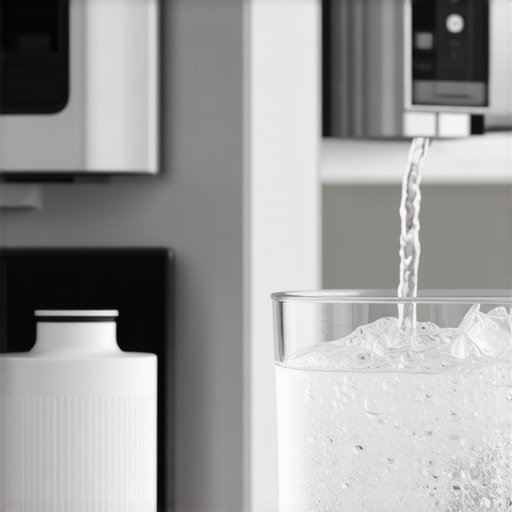
There I was, standing in my kitchen at 11 PM, parched after a long day of DIY home repairs. I’d just swapped out the old, gunked-up filter in my fridge, feeling like a responsible adult who finally stays on top of home maintenance. I pressed my glass against the lever, took a deep, thirsty gulp, and nearly spat it across the linoleum. It didn’t taste like refreshing mountain spring water; it tasted like I was chewing on a LEGO brick. If you have ever felt that sinking feeling of “did I just break my expensive appliance?”, believe me, I have been in those exact slippers. It is incredibly frustrating to spend money on a replacement part only to have the quality of your life—or at least your hydration—take a massive nosedive. Today, I am going to share exactly why this happens and how you can fix it without calling a plumber.
Stop Drinking That LEGO Water
When I first encountered this plastic flavor, I made a classic rookie mistake: I panicked and immediately yanked the filter out, assuming it was a defective piece of junk. I actually threw away a perfectly good $50 component because I didn’t know how the manufacturing process worked. The truth is, that funky chemical taste often comes from carbon fines and air trapped inside the new housing. Even when you follow choosing the right refrigerator tips from industry experts, the break-in period for these components is real and occasionally quite gross. We are going to solve this today by properly purging the system and understanding the science behind the seal.
Is this new filter actually making my water toxic?
It is the question everyone asks when they take that first weird sip. The short answer is no, but the skepticism is healthy! Most modern filters use a carbon block that is sterilized and sealed at the factory. According to the Water Quality Association (WQA), the “plastic” taste is often just the result of the water reacting with the dry carbon or the new plastic casing before the system is fully saturated. It isn’t necessarily dangerous, but it is certainly unpleasant. If you’ve also noticed why your refrigerator ice maker is producing tiny or cloudy cubes lately, the two issues might even be related to air pockets in your water line. Have you ever changed your filter only to have the water taste significantly worse than the old one? You aren’t alone, and you aren’t crazy.
The Real Reason Your Brand New Filter Tastes Like a Factory Floor
The biggest culprit is usually “off-gassing” or lingering residue from the manufacturing process. When these filters are sitting in a warehouse, the plastic and the carbon can develop a stale environment. Once you run water through it, those initial gallons are basically cleaning out the insides of the filter for you. I once forgot to flush the line and ended up with a week’s worth of bad-tasting coffee before I realized I’d only run about two cups of water through the dispenser. You really need to be aggressive with that first flush. If you are tired of seeing that red light, you might also want to learn how to bypass the annoying filter reset light on your fridge once you’ve finally gotten the water tasting right. Getting past the initial 3 to 5 gallons of “break-in” water is the secret to reclaiming your kitchen’s purity.
Flush the System Like You Mean It
The first time I replaced my filter, I thought I was being eco-conscious by only running two glasses of water through the line. That was a big mistake. The next morning, I brewed a pot of expensive Kona coffee, and it tasted like I had filtered it through a recycled shower curtain. My wife took one sip and asked if the fridge was leaking industrial coolant. I had to swallow my pride, dump the coffee, and spend the next ten minutes standing at the sink with a massive gallon pitcher. You have to be ruthless with the initial purge. Think of it like a new garden hose that has been sitting in the sun; that first blast of water is always going to taste like rubber and heat. Your fridge filter is no different and requires a heavy flow to clear the manufacturing residue.
Dump at Least Five Gallons First
Manufacturers usually suggest two to three gallons, but if you want that crisp, neutral taste, aim for five. This is not just about the flavor; it is about clearing out the carbon fines. Carbon fines are those tiny black specks of charcoal that can break loose during shipping and assembly. While you are purging the line, it is also a great opportunity to check if you need to how to keep your refrigerator coils clean in a pet-friendly home, as dust buildup can actually affect how hard your compressor works to cool that fresh water. If you stop the flushing process too early, those fines settle back into the bottom of the filter housing and continue to leach that factory taste into every glass you pour for weeks.
Stop the Air Bubbles from Ruining the Pour
If your water is coming out in fits and starts, or if it looks milky or cloudy, you have got air trapped in the lines. This trapped air is a major culprit for the plastic-like flavor because it allows the water to sit in pockets of the new plastic tubing longer than it should. It is very similar to why your new washing machine smells like chemicals when it first arrives; those new seals and hoses need to be fully saturated and flushed to stop the off-gassing process. Keep the dispenser trigger pressed down for at least 60 seconds at a time to force those air pockets out of the internal reservoir. If the sputtering continues, you might want to look into why your refrigerator is making a clicking noise every ten minutes, as a struggling inlet valve can also introduce air and affect the overall water quality.
Don’t Forget to Clear the Ice Bin Too
Most people forget that the water line splits off to the ice maker. If you only flush the water dispenser, your ice cubes will still taste like a chemistry set for a month. I spent an entire afternoon once wondering why my iced tea tasted weird, only to realize I was using factory-flavored ice cubes with perfectly filtered water. You need to dump the first two or three full bins of ice to ensure the entire system is clean. If your cubes are coming out looking weird during this process, check out this guide on why your refrigerator ice maker is producing tiny or cloudy cubes to see if you have a pressure issue. While you are at it, making sure you have the best energy efficient fridge settings for your utility bill will ensure your ice maker cycles quickly enough to get through the purge in a single day.
The Efficiency Trap That Actually Costs You Money
Everyone tells you to use the Eco-mode on every appliance to save a few pennies on your utility bill, but here is the contrarian truth: running your dishwasher or washing machine exclusively on low-temp, water-saving cycles is a recipe for a mechanical breakdown. In my years of tinkering with these machines, I have seen more ‘efficient’ units die early because they never get hot enough to melt away grease and detergent residue. This leads to a nasty buildup of biofilm. According to studies by the Association of Home Appliance Manufacturers (AHAM), modern machines often require a periodic ‘Heavy Duty’ or ‘Sanitize’ cycle to maintain internal hygiene. If you are noticing why your dishwasher is leaving a gritty white film on your plates, it is likely because your water temperature isn’t high enough to activate the enzymes in your detergent.
The Multi-Pod Mistake and Why Less is More
The ‘Oops’ factor that most homeowners fall for is the ‘more is better’ detergent trap. We have been conditioned by commercials to fill that cup to the brim. In reality, high-efficiency machines are designed to work with a fraction of that amount. Using too much soap doesn’t just waste money; it creates an over-sudsing environment that can leak into sensitive electronics. This is especially true if you are still trying to figure out the truth about high-efficiency detergent in old washers. Excessive suds act as a cushion, actually preventing the friction needed to get your clothes clean. I have seen countless service calls for ‘leaks’ that were actually just soap foam escaping through the air vents.
Does your smart fridge really need a firmware update to stay cold?
It sounds ridiculous, but in the era of refrigerators in 2025 top features that transform your kitchen, software is as important as hardware. A sophisticated reader recently asked if these updates actually matter. The answer is a resounding yes. Manufacturers frequently release patches that recalibrate how the compressor handles fluctuating ambient temperatures. If your screen goes dark or the temp starts swinging, you should know how to hard reset your smart refrigerator control panel before you assume the cooling system is dead. Often, a simple software handshake fixes what looks like a mechanical failure.
Find the Hidden Sensors You Are Currently Ignoring
While you are busy cleaning the lint trap in your dryer, you are likely ignoring the hidden sensor in your dishwasher that needs a manual scrub. Many modern dishwashers use a turbidity sensor—a tiny ‘eye’ that checks how dirty the water is. If this gets coated in a thin layer of calcium or grease, it ‘blinds’ the machine, making it think the water is clean when it’s actually filthy. This is the primary reason why your ‘Auto’ cycle might be failing you. Similarly, if your clothes are coming out soggy, you might need to investigate how to diagnose a washing machine that wont spin at full speed, as the weight sensors can often get knocked out of alignment by a single unbalanced load of heavy towels. Have you ever fallen into this trap of over-relying on the ‘Auto’ settings only to be disappointed? Let me know in the comments!
If you are ready to stop being a victim of your own appliances, you need to upgrade your toolkit. I’m not talking about a heavy-duty wrench set, but a few specific items that have saved me thousands over the years. For instance, I swear by my long-reach flexible crevice tool. It is the only way to really get into the guts of the machine without pulling a muscle or scratching your floors. While you are back there, you should really learn the secret to making your refrigerator last twice as long. Most of it comes down to simple airflow. If your compressor is choking on pet hair or kitchen grease, no amount of high-tech software is going to save it from a premature death in the middle of a July heatwave.
Stop Avoiding the Grossest Part of Your Washing Machine
I learned this the hard way after my laundry room started smelling like a stagnant pond. I’d been so focused on the cycles that I ignored the drain pump filter. Most front-load owners don’t realize there is a tiny door at the bottom of the unit that hides a plastic trap. This trap catches hair, coins, and—heaven help us—socks. If you don’t know how to clean the debris filter on your front-load washer effectively, you are basically asking for a flood. A technician once showed me a Whirlpool Technical Service Guide which noted that nearly 30% of drainage complaints could be resolved simply by clearing this 1-inch plastic basket every three months. It’s a ten-minute job that prevents a five-hundred-dollar repair bill.
How do I maintain my smart appliances for the long haul?
Maintenance in 2025 isn’t just about the physical components; it is about the digital health of your kitchen. You need to treat your fridge like your smartphone. This means regularly checking the manufacturer’s app for sensor calibration alerts. If your milk is freezing, you should know how to calibrate your smart fridge temperature sensors before you call a pro. Furthermore, physical maintenance still rules the roost. I recommend a monthly ‘deep scrub’ of the seals. If you see a weird film, how to clean a moldy dishwasher door gasket the right way is a skill that applies to almost every appliance with a rubber seal. Keep them supple with a bit of warm soapy water, and never use harsh bleach which can crack the material over time.
The Self-Healing Future of the Modern Kitchen
We are rapidly moving toward a world where your machine tells you when it’s sick before you even smell the smoke. With innovative dishwashers with AI technology you must know, internal cameras and turbidity sensors are beginning to detect mineral buildup and adjust water softener levels automatically. The future of home appliances trends to watch in 2025 suggests we will soon see ‘self-healing’ cycles that can vibrate components at specific frequencies to shake loose scale buildup. Until then, you have to be the brain of the operation. Don’t let your dishwasher become a graveyard for pasta bits; take five minutes to learn how to clean the internal spray arms of your dishwasher for better flow. I challenge you to go into your laundry room right now and check that debris filter—it’s the single most satisfying piece of maintenance you’ll do all year.
Hard-Won Truths from My Years in the Kitchen Trenches
After a decade of tinkering, I’ve realized that the “set and forget” mentality is the fastest way to ruin a high-end setup. First, the most important lesson: never trust the “Auto” sensor on your dishwasher to handle a week’s worth of dried lasagna; sometimes, a manual heavy cycle is a mercy for the machine. Second, I’ve found that the secret to using less detergent in your high-efficiency washer isn’t just about saving money—it’s about preventing that grey, waxy buildup that eventually kills the motor. Third, if you’re debating whether the upgrade is worth it, I’ve reflected on is a smart fridge really worth the extra money based on how much these features actually simplify your life versus just adding complexity. Lastly, firmware updates are not a gimmick; they are often the only thing standing between your fridge and a “phantom” cooling failure.
The Small Toolkit That Saves Me Thousands Every Year
I don’t keep a massive toolbox in my kitchen, but three specific items have saved me more service calls than I can count. I always keep a bottle of distilled white vinegar handy because the best way to sanitize your dishwasher without using bleach is often the safest for the internal rubber components. I also rely on a simple long-reach flexible brush to keep the coils clear, which is the single best way to prevent a compressor from overheating. Finally, I’ve found that my smartphone is my best diagnostic tool. Once you learn how to sync your smart kitchen appliances to one app, you get real-time alerts about pressure drops or sensor errors before they turn into flooded floors.
Your Path to a Stress-Free Smart Kitchen
Maintaining your refrigerators, home appliances, smart appliances, dishwashers, and washing machines doesn’t have to be a full-time job. It’s about those small, consistent actions—like flushing that new filter properly or wiping down a gasket—that keep your home running smoothly. Don’t wait for a breakdown to start paying attention; your appliances are talking to you every day through the sounds they make and the quality of the water they provide. Take a breath, grab a pitcher, and go flush that filter one more time. Have you ever found a total surprise in your washing machine’s debris filter? Tell me your most interesting (or grossest) discovery in the comments below!