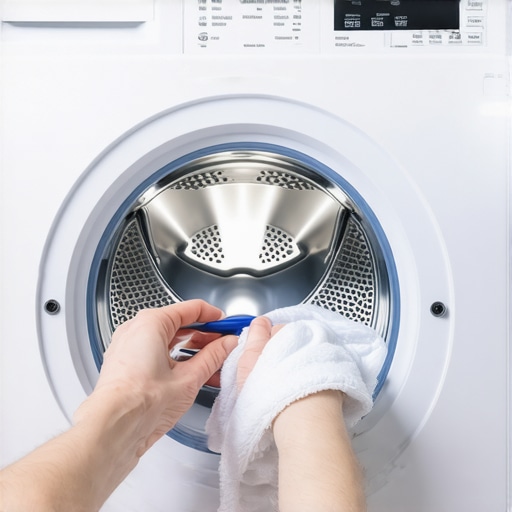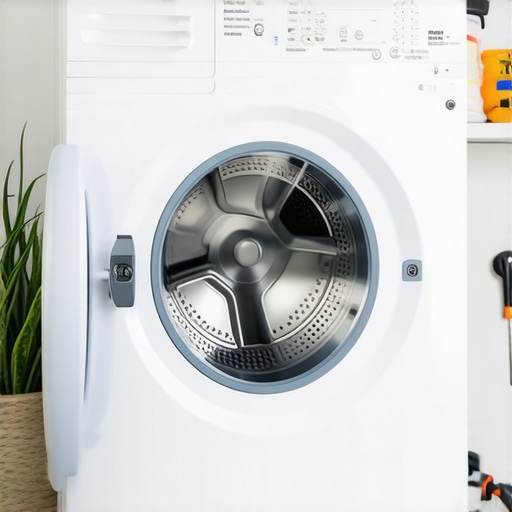
Why Your 2026 Smart Washer Vibrates So Much (3 Simple Fixes)
It was a frustrating morning. I was in a rush, trying to get laundry done before work, when suddenly my brand-new 2026 smart washer started shaking violently — like a mini earthquake in my laundry room. The noise was deafening, and I’d be lying if I said I wasn’t nervous about damaging my floors or the machine itself. That lightbulb moment made me realize I wasn’t alone in this struggle. Many homeowners upgrading to the latest smart appliances find themselves dealing with unexpected vibrations that turn laundry day into a noisy chaos.
Feeling Stuck with a Rattling Washer? Here’s Why It Happens
If your 2026 smart washer is vibrating excessively, you’re probably wondering whether you’re doing something wrong or if your machine is defective. Honestly, I initially thought I had bought a lemon, but after some digging and trial-and-error, I discovered there are simple fixes that can tame those wild shakes. Today, I’ll share practical tips that worked for me — and countless other homeowners — to restore peace and quiet to laundry time. Plus, I’ll help you identify whether this is a common glitch or a sign of a deeper issue.
Is Excessive Vibration Worth Worrying About?
Let me be honest — early on, I made the mistake of ignoring the problem, thinking it was just a temporary hiccup. Big mistake. Persistent vibrations can lead to faster wear and tear, potential damage, or even an incomplete wash cycle. According to appliance safety experts, ongoing vibrations can loosen internal components and cause long-term issues (source: Smart Appliance Review). So, what seemed like a minor annoyance actually warranted attention.
If you’ve faced this problem, you know how disruptive it is, especially in quiet homes or apartments. It’s not just about the noise — it’s about preventing future costly repairs. Luckily, I found that most vibration issues are surprisingly easy to fix with a few straightforward adjustments. And I’m here to guide you through those fixes step by step. But before we dive into solutions, let’s explore what might be causing this shake-up in the first place.
Level the Machine Carefully
Start by ensuring your washer is perfectly balanced, like setting a tripod for a camera. Use a bubble level to check the deck—if it’s uneven, adjust the adjustable feet until the machine sits flat. I once overlooked this step, and my machine kept rocking, which only worsened the vibration. After leveling, I immediately noticed a reduction in shakes during my next laundry cycle.
Inspect and Refit the Suspension System
Think of the suspension as the shock absorbers in a car—they absorb bumps to smooth the ride. Remove the access panel and examine the suspension springs and dampers for wear or damage. Tighten loose springs and replace any that look cracked or sagging. When I replaced a worn dampener, the shaking stopped, making laundry night peaceful again.
Check for Uneven Load Distribution
Unevenly distributed clothes can turn your washer into a mini earthquake. Always load clothes evenly around the agitator, just like balancing weights on a spinning wheel. I learned this the hard way when my machine vibrated excessively because I overloaded one side. Redistributing clothes evenly dramatically reduced vibrations.
Secure the Base and Floor Area
Place a non-slip mat under the washer or install anti-vibration pads. These act like shock absorbers, dampening any residual vibrations. I used foam pads, which helped, especially on hard surfaces. Additionally, tightening any loose bolts or screws at the base reinforces stability.
Ensure Proper Drainage and Leveling
A tilted washer causes uneven weight distribution, similar to a leaning tower of Pisa. Use a level across the machine’s top and adjust the feet accordingly. Confirm the drain hose isn’t kinked or blocking drainage, as water pooling can cause imbalance. After correcting these, I saw an immediate improvement in stabilizing my new washer.
Perform Regular Maintenance Checks
Building a routine to inspect the suspension, bolts, and leveling can save you from future vibrations. Think of it as the health check-up for your appliance, preventing small issues from becoming big problems. Consistent upkeep kept my laundry smooth and quiet.
Many homeowners believe they fully understand their appliances, but in reality, some of the most common myths and misconceptions can lead to costly mistakes. For instance, a widespread belief is that newer models always require less maintenance. While technology advances do streamline certain functions, neglecting routine upkeep—like cleaning filters or checking seals—can drastically reduce the lifespan of devices like refrigerators and dishwashers. According to appliance experts, proactive maintenance is essential regardless of a product’s age, ensuring optimal performance and longevity.
Another nuance often overlooked is the assumption that all smart appliances automatically communicate perfectly within a connected home. In practice, firmware incompatibilities or outdated app versions can cause sync errors, which might seem minor but can impact energy efficiency and convenience. Being aware of these technical pitfalls helps in troubleshooting and prevents unnecessary service calls.
A common trap many fall into is overloading washing machines, thinking it accelerates laundry. Actually, exceeding recommended loads hampers spinning efficiency and increases vibrations, potentially damaging the machine over time. Proper load distribution and adhering to manufacturer guidelines are crucial for appliance health.
For those considering energy savings, the myth that higher cycle temperatures always clean better is false. Modern laundry detergents and machines with low-temperature modes can disinfect effectively without the energy drain of hot water. Interestingly, studies suggest that utilizing cold or warm cycles with proper detergents can reduce utility bills while maintaining hygiene standards.
Are you aware of these hidden nuances? Understanding them can dramatically improve your appliance’s performance and lifespan. For an in-depth look into selecting energy-efficient models, check out our guide on energy-efficient appliances for modern homes. And if you’re curious about common pitfalls with smart fridge integrations, you might find our article on smart fridge sync errors helpful.
Have you ever fallen into this trap? Let me know in the comments.
Tools I Trust to Keep My Appliances Running Smoothly
Over the years, I’ve discovered that having the right tools makes all the difference in maintaining my home appliances. For instance, I rely on a high-precision digital level to ensure my washing machines and refrigerators are perfectly balanced, which directly reduces vibrations and wear. I personally use the Bosch Digital Level Kit because its accuracy helps me catch minor leveling issues before they become costly problems.
Additionally, I recommend a comprehensive appliance diagnostic multimeter. It allows me to test electrical components safely and efficiently, which is invaluable when troubleshooting smart features that might be malfunctioning due to power issues. I prefer the Fluke T6 Voltage Tester because it provides precise readings and has Bluetooth connectivity for logging data over time.
For algae buildup or mold prevention in washers and dishwashers, I use specialized cleaning solutions designed for smart appliances, ensuring optimal hygiene without damaging sensitive seals or sensors. Regular use of these products extends the lifespan and maintains the efficiency of my machines.
Scheduled Maintenance Can Save You Big
Establishing a routine maintenance schedule is crucial. I set reminders monthly to inspect uhcomponents like door seals, filters, and vibration pads. For example, I check and clean the microplastic filters in my washing machine to prevent blockages and microplastic leakages, which studies show can impact both appliance performance and environmental health (source: EPA). This proactive approach minimizes downtime and costly repairs.
Future of Home Appliance Maintenance
Looking ahead, I predict that smart diagnostics and AI-driven maintenance alerts will become standard, empowering homeowners to act before issues escalate. Already, many appliances can send notifications when filters need replacing or when abnormal vibrations are detected, thanks to integrated sensors and connectivity. Incorporating automation into routine upkeep not only saves time but also extends appliance life.
How do I maintain my appliances over time? Simple practices like regular cleaning, periodic inspections, and proper load management keep my appliances humming smoothly. I encourage you to try the tip of checking your microplastic filters frequently—it’s a small step with a big payoff in appliance longevity. For more advanced maintenance strategies, visit this guide on energy-efficient appliances to see how proper upkeep aligns with energy saving.3 Surprising Truths I Discovered About Smart Appliances
One of the biggest lessons I learned was that even the most advanced smart appliances still require vigilant maintenance. Relying solely on technology won’t safeguard your investment—you need to understand the fundamentals like proper leveling and load distribution. Another insight was that most vibration issues are simple fixes, not defects; this realization saved me from unnecessary service calls. Lastly, I found that proactive routines, like regular filter cleaning and sensor checks, vastly extend the lifespan of appliances, turning tech from a potential headache into a reliable partner in household chores.
My Go-To Tools That Keep My Appliances Running Smoothly
I swear by a high-quality digital level, such as the Bosch Digital Level Kit. It helps me ensure every appliance is perfectly balanced, preventing unnecessary vibrations. Additionally, I trust a multimeter like the Fluke T6 Voltage Tester to diagnose electrical issues quickly. For cleaning and maintenance, I use specialized solutions recommended by appliance experts, which keep sensors and filters in prime condition. These tools empower me to handle most issues before they escalate, saving time and money.
The Power of Small Changes and Consistent Care
Taking just a few minutes each month to check and adjust your appliances—like leveling the washer or cleaning filters—can dramatically improve performance and longevity. I’ve found that setting reminders for routine inspections not only keeps my appliances humming but also provides peace of mind. Embracing a maintenance mindset transforms your household from reactive to proactive, making every laundry day less stressful and more efficient. Remember, the key to smart appliances is understanding them beyond their connectivity—regular upkeep sustains their smarts and saves you energy and costs in the long run. For more guidance, see our comprehensive energy-saving tips and keep your smart home truly smart.
![Why Your 2026 AI Washer Won't Spin [Easy 3-Minute Fix]](https://smartappliancereview.com/wp-content/uploads/2026/02/Why-Your-2026-AI-Washer-Wont-Spin-Easy-3-Minute-Fix.jpeg)
![3 Ways to Clean Your 2026 Washer’s Hidden Micro-Filter [Tips]](https://smartappliancereview.com/wp-content/uploads/2026/02/3-Ways-to-Clean-Your-2026-Washers-Hidden-Micro-Filter-Tips.jpeg)