![4 Reasons Your 2026 Dishwasher Leaves a White Film [Solved]](https://smartappliancereview.com/wp-content/uploads/2026/02/4-Reasons-Your-2026-Dishwasher-Leaves-a-White-Film-Solved.jpeg)
4 Reasons Your 2026 Dishwasher Leaves a White Film [Solved]
Ever opened your dishwasher only to find a stubborn white film on your glasses and plates? I used to think my new 2026 dishwasher was defective, especially after a frustrating weekend of re-washing the same dishes multiple times. It was a lightbulb moment when I realized I wasn’t alone—many homeowners face this exact issue. Still, I couldn’t find a clear, lasting solution until I dug into the common causes behind this cloudy residue. Today, I want to share what I uncovered so you don’t have to spend weekends troubleshooting your appliance.
The Hidden Culprits behind the White Film
Dishwashers are marvels of convenience, but they can also be tricky. The white film that appears after a wash cycle isn’t just an aesthetic annoyance; it points to underlying issues that can affect your appliance’s performance and your pocketbook. Thankfully, most of these problems are easily fixable once you know what to look for. Before we dive into solutions, let me share a quick tip—sometimes, this residue is linked to water hardness, which is surprisingly common. According to the U.S. Geological Survey, nearly 85% of Americans have hard water that can leave mineral deposits on glassware and dishes, contributing to that pesky film.
If you’ve faced this frustrating problem, you’re probably wondering: What am I doing wrong? The good news is that, in most cases, it’s not user error but an issue with water quality, detergent choice, or internal appliance settings. Early on, I made the mistake of ignoring hard water and relying solely on generic detergents. That only made things worse. For reliable, long-term results, it’s essential to understand these factors and how to address them effectively. Ready to uncover the root causes and restore your dishes’ sparkle? Let’s move on to the common reasons why your dishwasher isn’t doing its job—plus, how you can fix each one.
Check Your Water Hardness and Adjust Detergent Use
Water hardness is often the root cause of that annoying white film. To verify, contact your local water supplier or use a test kit from a hardware store. If your water is hard, switch to a water softening system or add a commercial rinse aid designed for hard water. I once increased my rinse aid amount after testing and noticed a drastic reduction in residue on my glasses within a week. For detailed tips, read more at this guide.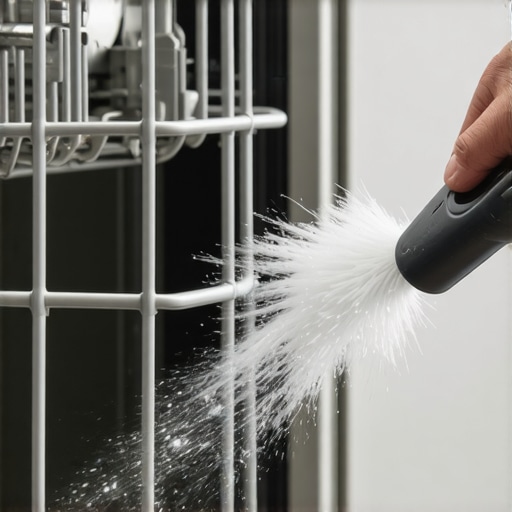
Clean Your Dishwasher Regularly
Build-up of mineral deposits and soap scum inside the dishwasher can contribute to residue transfer. Remove and clean the filter monthly—simply rinse it under hot water and scrub gently with an old toothbrush. Also, run an empty cycle with a dishwasher cleaner or a cup of white vinegar twice a month. I found that after doing this, my dishes looked brighter, and the white film disappeared. Think of your dishwasher as a car engine—the cleaner it is, the better it performs; skip maintenance and dirt accumulates. For a deep cleaning routine, check this comprehensive article.
Inspect and Clear Spray Arms
The spray arms distribute water during cycles. If clogged with mineral deposits or debris, they won’t spray effectively, leading to residue. Remove the spray arms (consult your manual for removal instructions), rinse them thoroughly, and use a small brush or toothpick to clear any clogged holes. I once spent a Saturday cleaning mine, and the difference was immediate—dishes came out spotless afterward. Remember, clogged spray arms are like blocked sprinkler heads—they reduce water flow and cleaning power, so keep them clear. For detailed disassembly and cleaning steps, visit this tutorial.
Use the Correct Dishwasher Settings
Many users unknowingly select cycles that aren’t suitable for heavily soiled dishes or hard water. Use the heavy or pots-and-pans cycle for thick grime, and opt for eco or rapid cycles sparingly, as they may not provide enough water or heat. Also, ensure that your water temperature is set to at least 120°F (49°C); cooler water won’t dissolve detergent properly. On my 2026 smart dishwasher, I adjusted the temperature via the app and saw immediate improvements. For optimal settings tailored to your water type, see this guide.
Use the Right Detergent and Rinse Aids
Low-quality or incompatible detergents can’t break down minerals and food residues effectively. Switch to high-efficiency compatible detergents formulated for hard water, and always use a rinse aid. It helps water sheet off dishes, minimizing spots and film. I experimented with different brands until I found one that worked well in my water conditions. If you notice persistent film, consider upgrading to a concentrate or gel detergent instead of powder. For more advice on selecting the best cleaning agents, check this article.
Many homeowners operate under misconceptions when it comes to smart appliances like refrigerators and washing machines, often leading to suboptimal performance or unexpected issues. Let’s examine some of these widespread myths and uncover the nuances that only an expert knows. One prevalent belief is that newer appliances are inherently better for the environment; however, some high-tech features can actually increase energy consumption if not used correctly. For example, enabling auto-defrost or leaving energy-saving modes on full blast without understanding their impact can lead to higher utility bills, contradicting the supposed benefits. A critical nuance overlooked by many is the variability in water quality, which profoundly affects appliances like dishwashers and refrigerators with water dispensers. Many assume mineral build-up is solely a maintenance issue, but in reality, optimizing your setup—such as installing a water softening system—can drastically improve appliance longevity and performance. Be cautious of the trap where consumers think resetting their smart appliances regularly is unnecessary—this neglect can lead to sensor errors and software glitches. For instance, some smart fridges require firmware updates to prevent compatibility issues with other devices, and ignoring these updates may cause operational hiccups. The advanced mistake most people miss involves calibrating the temperature settings of their appliances. For example, setting the refrigerator too cold can freeze produce and increase energy use, while a slightly higher but optimal temperature preserves freshness and saves power. According to experts, improper calibration can increase compressor workload, reducing the appliance’s lifespan and efficiency. To truly optimize your smart home appliances, you must understand these smaller yet crucial details. For a comprehensive understanding of budget-friendly and energy-efficient models, check out [this guide](https://smartappliancereview.com/energy-efficient-refrigerators-dishwashers-for-modern-homes-2024-7). Remember, the devil is in the details—what seems like a minor setting or habit can significantly impact your appliance’s performance and your energy bills. Have you ever fallen into this trap? Let me know in the comments.
How do I keep my appliances functioning optimally over time
Maintaining your smart home appliances requires the right set of tools and regular habits. Personally, I rely on a few specialized devices and software solutions that have revolutionized how I care for my refrigerators, washers, and dishwashers. One essential tool is a digital water hardness tester, which I use biannually to determine if my water softening system is working effectively. This simple device helps prevent mineral buildup that can impair appliance function and cause energy inefficiency. For software, I recommend installing the manufacturer’s dedicated app—many, like the latest models in this review, offer diagnostic capabilities and maintenance reminders that are invaluable for proactive upkeep.
Another device I swear by is a microfiber cleaning wand equipped with a brush attachment, which simplifies internal maintenance. Regularly cleaning filters, spray arms, and seals with this tool keeps your appliances running at peak efficiency. In addition, I keep a set of high-quality ultrasonic cleaning devices for specific parts like spray arms or micro filters, which can trap debris and microplastics. These tools are practical, saving both time and money by delaying costly repairs or replacements.
Looking to the future, I predict a surge in integrated diagnostic tools powered by IoT sensors that will notify homeowners of potential issues before they escalate—think of it as a preventative health monitor for your appliances. Already, some models incorporate firmware that predicts failures based on usage patterns, guided by insights from industry experts.
Mastering long-term appliance care
To truly keep your appliances in top shape, establish a routine: quarterly internal cleaning, biannual water testing, and firmware updates. I also set reminders to check seals and replace micro-filters, which are often overlooked. Remember, consistency is key—skipping maintenance can lead to build-ups, sensor errors, and higher energy consumption over time. For example, regularly inspecting and cleaning filters can extend the lifespan of your refrigerator’s compressor, saving hundreds on repair costs. Try setting up a combined maintenance schedule using smart home automation—many apps allow scheduling notifications and even activating cleaning routines automatically.
Don’t forget to keep a maintenance log; tracking what you’ve done helps identify recurring issues early. If you’re unsure about any aspect, consulting technical documentation or a professional can be invaluable. For instance, I reference the detailed specifications provided in the latest industry guide to decide when to replace microfilters or upgrade firmware. An effective tip I recommend is periodically running a diagnostic cycle on your smart devices—many manufacturers provide this feature—so you can catch and resolve minor issues before they become major repairs.
In summary, armed with the right tools and a steadfast routine, you can ensure your appliances stay efficient and reliable for years. Take one step today: run a water test on your dishwasher or refrigerator and optimize your maintenance schedule accordingly. Small efforts now pay off in long-term savings and peace of mind.
The Hidden Lessons I Encountered with Smart Home Gear
One of the biggest realizations I had was that even the most advanced appliances can’t replace proper maintenance and understanding. Relying solely on features without knowing their quirks often leads to preventable issues, like persistent white film or unexpected sensor errors. It took me trial, error, and a bit of detective work to see past the sleek interfaces and discover the real causes behind my appliance frustrations. For example, I learned that water hardness is a major culprit affecting my dishwasher’s performance—a detail many overlook until the problem becomes glaring. Embracing regular check-ups, choosing the right detergents, and understanding internal components transformed my approach from reactive to proactive, saving time and money in the long run.
My Go-To Resources for Smart Appliance Success
Over time, I’ve curated a set of tools and sources that keep my appliances running smoothly. The first is a reliable water hardness test kit—trust me, knowing your water quality is a game-changer, as explained in this detailed guide. I also rely heavily on the manufacturer’s app, which provides diagnostics and maintenance reminders; it’s like having a virtual technician at your fingertips. For cleaning and internal checks, a microfiber wand and ultrasonic cleaners have been invaluable, helping me keep internal parts free from mineral buildup and debris. Finally, staying updated with industry advancements through trusted blogs and reviews ensures I’m always ahead of potential issues, enabling a more efficient and longer lifespan for my appliances.
The Adventure Continues—Your Next Step Awaits
Now that I’ve shared some of my most surprising lessons and trusted tools, it’s your turn to take action. Regularly testing your water and maintaining your appliances might seem small, but these efforts will ripple into significant savings and better performance. Remember, mastering your smart appliances isn’t about quick fixes; it’s about developing a routine and embracing the details that prolong their life and efficiency. Start with one simple step today—whether it’s cleaning a spray arm or verifying your water temperature—and watch how it transforms your home environment. Your appliance journey is ongoing, and each proactive move brings you closer to a smarter, more reliable home.
I completely relate to the frustration of white film on dishes, especially with new smart dishwashers like the 2026 model. It’s reassuring to see that hard water is such a common issue, and I’ve found that installing a water softener has made an incredible difference in my own setup. Beyond that, I’ve started running a monthly cleaning cycle with vinegar and periodically cleaning the spray arms, which has kept the residue at bay. I wonder if others have experienced energy savings from optimizing their dishwasher settings as well? It seems like a small change, but in my case, raising the water temperature slightly and choosing the right cycle has improved cleaning results significantly. How do you all keep track of routine maintenance tasks—any smart home automations or simple apps that have helped make this easier? Would love to hear your tips for maintaining peak performance and avoiding these common issues altogether.
This article resonates with my experience because I also battled that stubborn white film on my dishes after upgrading to a new smart dishwasher. What caught my attention is the emphasis on water hardness—something I previously underestimated. I installed a whole-house water softener, and the improvements are noticeable, especially in reducing mineral deposits that can clog spray arms and leave residue. I also started using rinse aids more diligently, which made a real difference in the clarity of my glasses. One thing I’d add is that adjusting the dishwasher’s rinse cycle temperature and cycle type based on load types has helped me optimize results further. I’m curious, how many of you have experimented with different wash cycles or temperature settings? I’ve found that running a hot rinse cycle even once a week keeps everything running smoothly. Would love to hear if others have found specific routines or smart home routines that help manage cleaning schedules effectively.