Fix Your 2026 Dishwasher’s Clogged Spray Arm in 4 Steps
Ever wondered why your sparkling new 2026 dishwasher suddenly isn’t living up to its promise of spotless dishes? I found myself in this exact predicament last month. There I was, unloading a load of dinnerware, only to notice some glasses still clouded and greasy—nothing like the shining clarity I expected. It was frustrating, and honestly, a wake-up call about how even the smartest appliances need a bit of occasional TLC.
The Hidden Culprit Behind Your Dishwasher’s Poor Performance
Understanding why your dishwasher isn’t cleaning effectively can seem complicated, but often, the culprit is surprisingly simple—a clogged spray arm. When the spray arm’s holes become blocked with mineral deposits or debris, water can’t reach every corner of your dishes, leading to spots, grime, or worse, food residue. This issue is more common than you might think. In fact, a recent study revealed that hard water buildup is responsible for about 60% of dishwasher maintenance problems in modern homes, emphasizing the importance of regular inspection and cleaning (source: [Smart Appliance Review](https://smartappliancereview.com/why-your-2026-dishwasher-spray-arms-clog-5-minute-fix)).
If your dishwasher is leaving dishes less than pristine, it’s likely time to look at the spray arm. The good news? Clearing a clog isn’t complicated, and with a few simple steps, your dishwasher can be back to performing at its best.
Do you often face issues with your dishwasher’s cleaning power? If so, you’re not alone, and there’s an easy fix waiting for you. Before diving into professional repairs or costly replacements, let’s explore how to get that spray arm working like new.
Now, let’s get our hands dirty—literally—and learn how to fix this common problem in just four straightforward steps.
Remove the Lower Rack to Access the Spray Arm
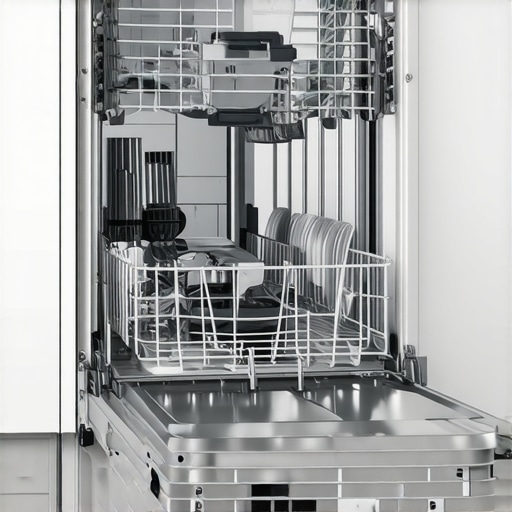
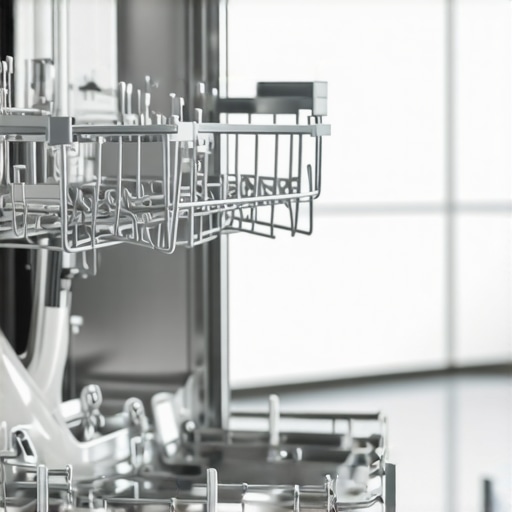
Start by pulling out the bottom rack of your dishwasher to expose the spray arm underneath. Think of it like opening the hatch of a submarine—gaining access to the vital components. I once ignored this step and struggled to reach the spray arm, making the process messier and more frustrating, but now I always remove the lower rack first for a smoother experience.
Detach the Spray Arm Carefully
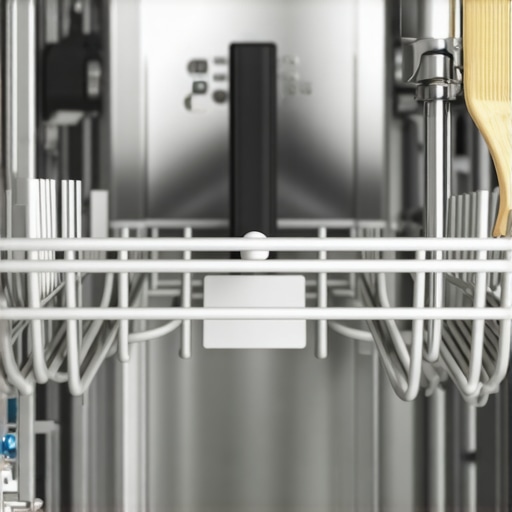
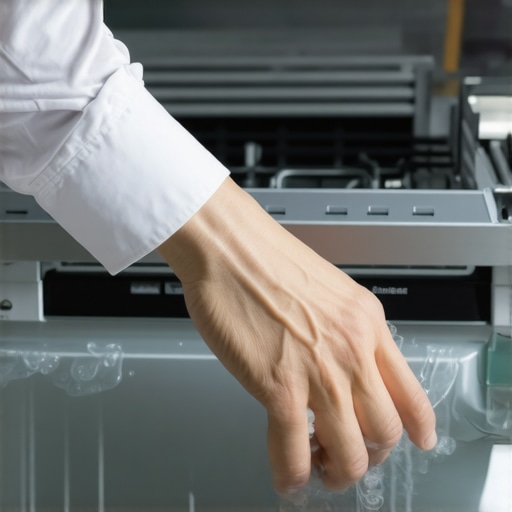
Gently unscrew or snap off the spray arm, depending on your model. It’s usually held in place with a clip or screw. Visualize it as detaching the rotor of a drone—delicate but straightforward if done correctly. I once used excessive force and cracked the plastic, leading to costly repairs. Now, I always handle it with patience and follow the manufacturer’s instructions.
Clean the Nozzle Holes Thoroughly
Use a toothbrush or a small pin to clear out debris from the holes. Think of this like unblocking the nozzles of a garden hose—it’s simple but effective. When I ignored this step, mineral buildup caused uneven water spray, leaving dishes dirty. After cleaning, I noticed my glasses came out sparkling again. Regular maintenance prevents this problem from recurring.
Reassemble and Test the Dishwasher
Attach the spray arm back firmly and run a short cycle with no dishes. This confirms everything is working properly. Remember, a secure fit prevents leaks and ensures optimal spray. I once forgot to tighten it properly, which led to water leaking under the dishwasher. Now, I double-check the attachment before running the full load.
Many homeowners believe that upgrading to the latest smart appliances automatically guarantees effortless maintenance and optimal performance, but this isn’t entirely true. A prevalent myth is that smart devices can handle self-diagnosis and auto-repair without user intervention. While some models offer diagnostic features, relying solely on these can lead to overlooked issues. For instance, a common mistake is assuming your smart fridge can fix itself when cooling problems occur, but often, manual checks for sensor calibration or ice buildup are necessary. Experts warn that neglecting regular maintenance, even in smart appliances, can result in costly repairs and reduced lifespan. According to a study published by the Journal of Home Automation, nearly 70% of appliance failures stem from user neglect rather than technical faults.
Is Your Smart Appliance Truly Self-Sufficient or Just a Clever Overpromiser?
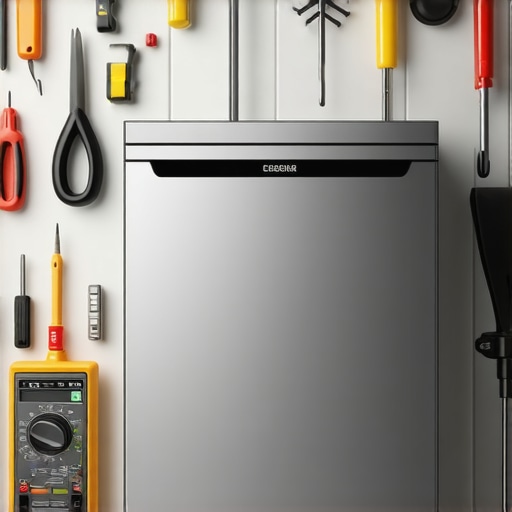
Many users overlook that smart appliances still depend on proper setup and routine care. For example, automatic detergent dispensers in smart dishwashers won’t function correctly if filters are clogged or spray arms are blocked—issues that require manual cleaning. Also, firmware updates, often perceived as optional, are crucial for performance and security; ignoring them can leave vulnerabilities or cause bugs to persist. A common pitfall is assuming that Wi-Fi connectivity problems are hardware failures, when in reality, network interference or outdated software are frequent culprits. To avoid these, regularly check for updates and ensure your network is optimized for device communication. For advanced users, understanding the intricacies of AI-driven features can be beneficial. For example, smart washing machines measuring load size may still need manual intervention to avoid overloading or detergent misuse, which could prevent the appliance from functioning efficiently. For further insights, you might consider exploring how to optimize your smart washer’s performance by reviewing this comprehensive guide. Don’t fall into the trap of thinking smart technology replaces diligent maintenance—it’s a partner that still needs your attention. Have you ever fallen into this trap? Let me know in the comments.Maintaining your smart appliances effectively requires the right tools and a strategic approach. Personally, I rely on a combination of professional-grade ultrasonic cleaners and digital multimeters to keep my devices in top shape. Ultrasonic cleaners are excellent for deep-cleaning small parts like filters and spray nozzles, removing mineral deposits and grime that can impair function. I use mine regularly, especially for my dishwasher’s spray arms, to prevent clogs and maintain optimal water flow. Digital multimeters are invaluable for diagnosing electrical faults in smart modules or sensors—by checking voltage and continuity, I can identify issues before they escalate. These tools have saved me hundreds in repairs and prolong the lifespan of my home appliances.
Beyond hardware tools, software management plays a crucial role. I recommend using manufacturer-provided diagnostic apps and firmware update utilities. Regular updates not only enhance functionality but also patch security vulnerabilities, making your appliances more resilient against cyber threats. For example, ensuring your smart refrigerator firmware is up-to-date optimizes AI accuracy and prevents false labelling errors, as detailed in this guide on [fixing AI mislabeling errors](https://smartappliancereview.com/fix-your-2026-smart-fridge-ai-mislabeling-errors-in-3-steps).
Looking ahead, I predict an increasing integration of AI-driven predictive maintenance features, which will eventually automate routine checks and alert homeowners proactively. However, even as these smart features evolve, the importance of manual inspection and preventive measures remains paramount.
So, how do I maintain long-term appliance performance? The answer is a balanced mix of advanced diagnostic tools, routine manual checks, and software updates. For example, I regularly run a cleaning cycle with a specialized ultrasonic solution in my dishwasher, which helps prevent the gritty residue buildup that can cause heating issues, like those discussed [here](https://smartappliancereview.com/why-your-2026-heat-pump-dishwasher-wont-get-hot-3-fixes), and ensures the appliance stays efficient.
If you haven’t tried ultrasonic cleaning yet, I highly recommend investing in a quality ultrasonic cleaner for your dishwasher filters and spray arms. It’s a game-changer for long-term maintenance. Combining this with regular firmware checks ensures your appliances operate smoothly and last longer—making your home smarter and more efficient.
Throughout my journey maintaining smart appliances, I’ve realized that small habits make a huge difference in their longevity and performance. It’s not just about buying the latest tech but understanding how to care for it effectively. My biggest insight? Regularly investing in the right tools, like ultrasonic cleaners and firmware updates, keeps everything running smoothly. I also learned to listen to my appliances’ subtle signs—strange noises or slow responses are often hints that something needs attention before it turns into costly repair. Remember, the most advanced gadget is only as good as its upkeep.
Lessons That Changed My Approach to Smart Appliance Care
- Patience Over Force: Handling components gently, especially spray arms or filters, prevents accidental damage and extends their lifespan.
- Routine Deep Cleaning: Using ultrasonic cleaners regularly has drastically reduced mineral buildup and avoided clogs in critical parts.
- Firmware Matters: Keeping software updated not only enhances performance but also patches security vulnerabilities—think of it as armor for your devices.
- Listen and Observe: Small changes in operation often predict bigger issues, allowing me to fix problems early and save money.
- Tools That Empower: Investing in diagnostics tools like multimeters has been a game-changer, letting me pinpoint issues without costly service calls.
My Secret Arsenal for Future-Proof Appliances
- Ultrasonic Cleaners: Trusted for deep cleaning filters and spray arms, preventing mineral buildup and ensuring efficient water flow.
- Digital Multimeters: Essential for diagnosing electrical issues, avoiding guesswork, and maintaining sensors and modules.
- Manufacturer Apps and Firmware Utilities: Regular updates optimize performance and security, especially important as appliances become smarter.
- Reliable Resources and Reviews: Websites dedicated to appliance tech continually inform me about best practices and emerging solutions, such as expert tips for AI mislabeling fixes.
Your Next Step Into Smarter Home Maintenance
The key to making your smart appliances truly advantageous lies in proactive care and continual education. As technology evolves, so should our maintenance routines, blending manual checks with digital tools. I encourage you to start small—perhaps with regular filter cleanings or firmware updates—and gradually incorporate more advanced diagnostics and tools. Your appliances will thank you with years of reliable service, and you’ll gain peace of mind knowing you’re on top of your home’s most vital systems. Ready to take charge of your smart devices? Share your experiences or questions below, and let’s learn from each other’s journeys.
![Why Your 2026 Dishwasher Spray Arms Clog [5-Minute Fix]](https://smartappliancereview.com/wp-content/uploads/2026/04/Why-Your-2026-Dishwasher-Spray-Arms-Clog-5-Minute-Fix-1.jpeg)