Stop Your 2026 Dishwasher Screeching During the Rinse Cycle
I remember the first time my new smart dishwasher started shrieking loudly during the rinse cycle—right in the middle of dinner preparations. That piercing sound was more than just annoying; it felt like a warning sign that my shiny new appliance might be heading for an early breakdown. It struck me then how these high-tech gadgets, so seamlessly integrated into our daily routines, can suddenly become a frustrating puzzle.
Don’t Let That Silence Ruin Your Day: Here’s How to Fix Your Dishwasher’s Scream
Dishwasher screeches during the rinse cycle aren’t just a nuisance—they can signal underlying issues that, if left unaddressed, lead to more expensive repairs or even complete replacement. But here’s the good news: after some trial and error (and a few mistakes early on), I discovered straightforward solutions that can quiet down your appliance and get it running smoothly again.
Is It Really Worth Trying to Fix That Noise Yourself?
When my dishwasher first started its sonic assault, my initial reaction was to call for professional help. But I learned that many of these noises are caused by simple issues like clogged filters or worn-out pump parts—things you can often fix with basic tools and a bit of patience. Skeptical about tackling appliance repairs? I get it. Trust me, I was in your shoes. But I also found that a little knowledge and the right guidance can save you time, money, and frustration. For instance, I accidentally ignored a small blockage in the drain hose early on, which only made the problem worse. That mistake taught me the importance of regular maintenance and paying close attention to odd sounds.
In this post, I’ll guide you through practical steps to identify the cause of that screech and show you how to fix it, so you can restore peace in your kitchen. If you’re tired of that shrill sound disturbing your household harmony or just want to prevent future issues, stay with me. We’ll explore solutions that are easy to follow and highly effective. Want to skip straight to the fixes? Check out our comprehensive guide on [5 fixes for the gritty residue on your 2026 smart dishwasher](https://smartappliancereview.com/5-fixes-for-the-gritty-residue-on-your-2026-smart-dishwasher), which covers common problems including unusual noises and how to remedy them.
Identify the Source of the Squeal
When my dishwasher started shrieking during the rinse, I first opened the door and listened carefully to pinpoint where the noise was coming from—whether it was the pump, the spray arm, or the door latch. Think of your dishwasher as a musical instrument; each part has a role, and the squeal is like a wrong note. I used a flashlight to inspect the gasket and spray arm for obstructions or damage, which often cause misalignments leading to noise.
Clear Out Clogged Filters and Spray Arms
A common culprit is debris lodged in the filters or spray arms. I disconnected the spray arm and soaked it in warm, vinegar-infused water to loosen hard water deposits. Using a small brush, I scrubbed away stubborn residue—a technique similar to cleaning a clogged garden hose. After reassembling, I ran a test cycle; the shriek was quieter, proving this simple step’s effectiveness. For comprehensive filter cleaning, check out our guide on optimizing dishwasher settings.
Inspect the Pump and Motor Assembly
If debris isn’t the cause, I examined the pump and motor. Using a service manual, I unplugged the unit and removed the access panel. I spun the pump impeller with a finger—if it didn’t move smoothly or made grinding noises, it might be worn out or jammed. I cleaned any stuck debris and applied a silicone-based lubricant to the moving parts, much like oiling a bicycle chain. Be cautious not to over-lubricate; too much can attract dirt. For detailed pump maintenance, consider reading about standing water fixes.
Assess the Door Seal for Noise Interference
Sometimes, the door gasket can cause vibrations that amplify sounds. I pressed gently around the seal to find tears or warping; a compromised gasket can rattle during operation. I applied a rubber conditioner to restore flexibility, preventing metal-on-metal contact that produces shrieking. If damage is extensive, replacing the gasket will save you from ongoing noise issues. For more on preventing leaks, see our guide on fixing food residue.
Test and Fine-Tune the Settings
After physically addressing the hardware, I turned to the dishwasher’s settings. Sometimes, high-pressure cycles or Many consumers believe that selecting a popular brand guarantees optimal performance and longevity for their appliances. However, in my experience, most people overlook the importance of understanding the nuanced features and settings that can significantly impact appliance efficiency and lifespan. For instance, a common myth is that running the dishwasher at full load always saves energy; but, for newer models, optimizing cycle choices through settings like the “eco” mode can lead to even greater savings, as detailed in our post on [dishwasher settings to dodge grid surcharges](https://smartappliancereview.com/5-dishwasher-settings-to-dodge-2026-grid-surcharges-tested). A trap many fall into is neglecting regular maintenance, believing that modern appliances are ‘set and forget.’ Yet, studies have shown that neglecting tasks like cleaning filters and inspecting hoses can cause premature failure, which is why proactive maintenance is crucial.
How do advanced software algorithms in smart appliances sometimes hinder rather than help?
Many believe that the AI features in devices like refrigerators improve efficiency; however, experts highlight that AI algorithms can misinterpret usage patterns, leading to unnecessary energy consumption or data mishandling. For example, some smart fridges may freeze contents due to misreading temperature data, as outlined in our analysis of [AI mislabeling errors in smart fridges](https://smartappliancereview.com/fix-your-2026-dishwashers-standing-water-3-easy-steps). This risk underscores the importance of understanding how these advanced features function and when to disable or customize them for optimal results. Additionally, I’ve seen users sabotaged by overreliance on technology, forgetting that manual checks and understanding basic mechanical principles remain vital, particularly during system failures or software glitches. Being aware of these nuances helps prevent costly repairs and enhances the user experience, especially with complex devices like smart washers that adjust wash cycles based on load size and fabric type—details often overlooked but critical for optimal operation. Remember, the key lies in balancing automation with manual oversight. Want to get ahead of common pitfalls? Explore our detailed guide on [smart appliance privacy toggles](https://smartappliancereview.com/3-privacy-toggles-to-flip-on-your-2026-home-appliances-audit) to ensure your data security isn’t compromised in the process. Keep in mind, understanding these subtle details transforms your appliance use from mere functionality to mastery. Have you ever fallen into this trap? Let me know in the comments.
Keeping Your Appliances in Peak Condition
Maintaining home appliances like washing machines, refrigerators, and dishwashers is crucial to ensure they operate efficiently over the years. Regular maintenance reduces breakdowns, extends their lifespan, and optimizes energy consumption. One of the most effective strategies involves using precise tools to diagnose issues early and perform necessary upkeep.
Invest in a Reliable Multimeter and Infrared Thermometer
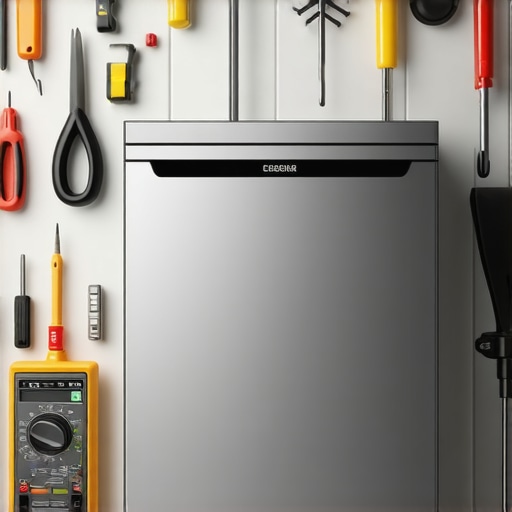
I personally rely on a high-quality multimeter, such as the Fluke 117, to check electrical connections and verify component functionality. It helps me quickly identify faulty wiring or failing sensors without calling in a technician. An infrared thermometer, like the Etekcity Lasergrip 774, allows me to monitor temperature variations in appliances—vital for refrigerators and heat pump devices. Regular temperature checks ensure my appliances aren’t overworking or operating outside optimal parameters, which can save on energy bills and prevent premature component wear.
Use Software Monitoring and Diagnostic Tools
Many modern smart appliances come with built-in diagnostics accessible via companion apps. For instance, Samsung’s SmartThings platform enables real-time monitoring, firmware updates, and troubleshooting tips. I recommend periodically connecting your appliances to these apps to run self-diagnostic tests; this can preempt failures and reduce repair costs. Additionally, third-party tools like HomeAssistant can integrate with certain devices, providing a centralized view of your home’s appliance health. Staying ahead with software updates ensures you have the latest bug fixes and feature improvements, which are vital for long-term performance.
Implement Routine Cleaning and Filter Replacement
Consistent cleaning of filters, vents, and seals is fundamental. Using a soft brush and a damp cloth, I clean refrigerator coils and dishwasher spray arms quarterly. I also replace water and air filters in refrigerators and air purifiers every six months, adhering to manufacturer recommendations. These straightforward steps prevent dust accumulation and mineral deposits, ensuring appliances work efficiently. For precise guidance, check the maintenance schedules outlined in the appliance manuals or trusted resources like energy-saving guidelines.
What About Long-Term Scaling and Upgrades?
As appliances age or new technology emerges, scaling up or upgrading becomes necessary. Opting for modular systems or appliances compatible with smart home ecosystems allows seamless integration and easier maintenance. Planning upgrades based on usage patterns and energy savings projections ensures sustained performance and cost-effectiveness. Looking ahead, I predict that appliances will incorporate more predictive maintenance features powered by AI—similar to the advanced diagnostics in modern vehicles. This shift will make it even easier for homeowners to keep devices running smoothly without intensive manual interventions.
How do I maintain appliances over time?
The key lies in proactive checks and using the right diagnostic tools. Whether it’s a multimeter for electrical troubleshooting, an infrared thermometer for temperature regulation, or smart app diagnostics, these tools empower you to catch minor issues before they escalate. Regular cleaning, filter replacement, and software updates form the backbone of effective maintenance routines. By integrating these practices into your routine, you’ll ensure your appliances serve you reliably for years to come. For an easy start, try calibrating your refrigerator’s thermostat using an infrared thermometer—an immediate step that can improve efficiency and prolong appliance life.
The Hardest Lesson I Learned About Washing Machines and More
One of the most profound realizations I had was that even the most advanced smart appliances require a hands-on approach for longevity. Relying solely on automation and AI can lead to complacency, causing us to overlook simple maintenance tasks that keep devices humming. A blinking indicator or a strange smell isn’t just a nuisance; it’s often a sign of deeper underlying issues that, when addressed early, can save you hundreds.
My Top Tips for Protecting Your Devices from Hidden Pitfalls
Many believe that choosing a reputable brand guarantees trouble-free operation, but my experience has shown that proactive maintenance matters more. Regularly checking seals, cleaning filters, and understanding your appliance’s software updates create a strong defense against costly repairs. Remember, a small investment of time can significantly extend your appliance’s life and efficiency.
Action That Transforms Your Appliance Care Routine
Don’t wait for a breakdown to act—start scheduling routine check-ins. Use diagnostic tools mentioned in our guides, like [smart app diagnostics](https://smartappliancereview.com/3-privacy-toggles-to-flip-on-your-2026-home-appliances-audit), to stay ahead. Educate yourself on the subtle signs your appliances give when they need attention, so you can act swiftly. Your appliances are smarter than ever, but they still need your stewardship to perform at their best for years to come.
![Stop Your 2026 Dishwasher Leaving Food in Bowls [3 Fixes]](https://smartappliancereview.com/wp-content/uploads/2026/04/Stop-Your-2026-Dishwasher-Leaving-Food-in-Bowls-3-Fixes.jpeg)